

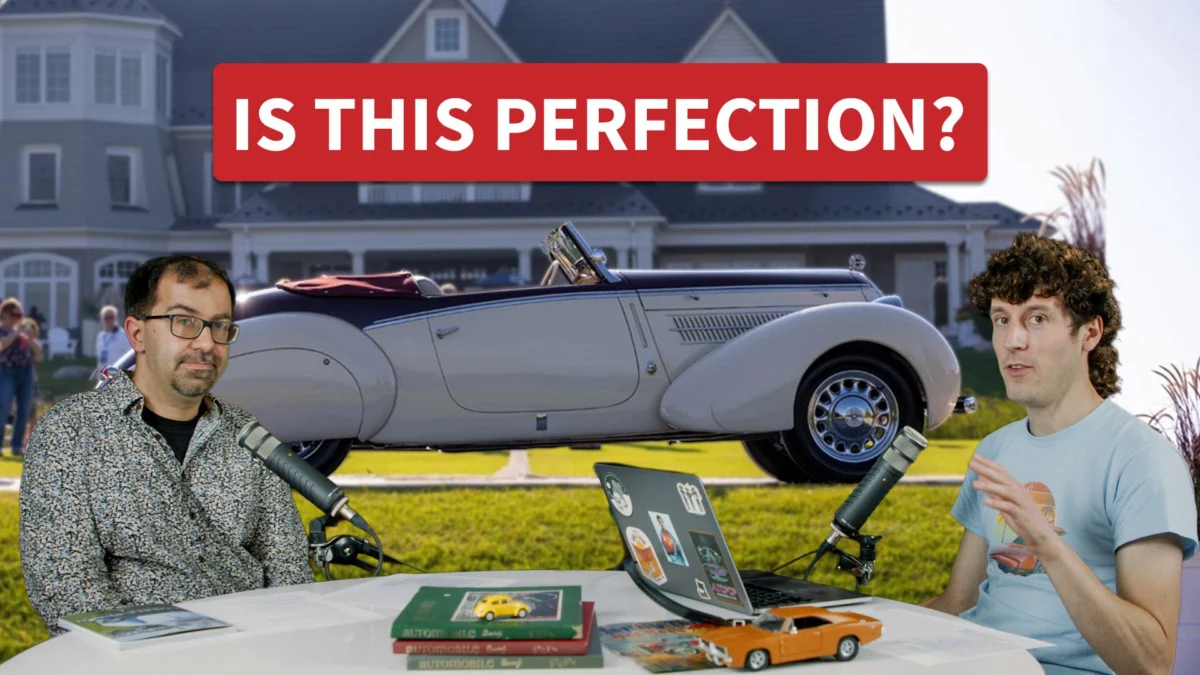
In the rarefied air of the world’s most prestigious concours d’elegance events, the difference between a Best-in-Show trophy and a runner-up ribbon can be as subtle as a non-original bolt head or an incorrect shade of undercarriage paint. For the automotive enthusiast, these events represent the pinnacle of preservation and restoration. But what actually happens when the velvet ropes go up and the judges start their meticulous inspections?
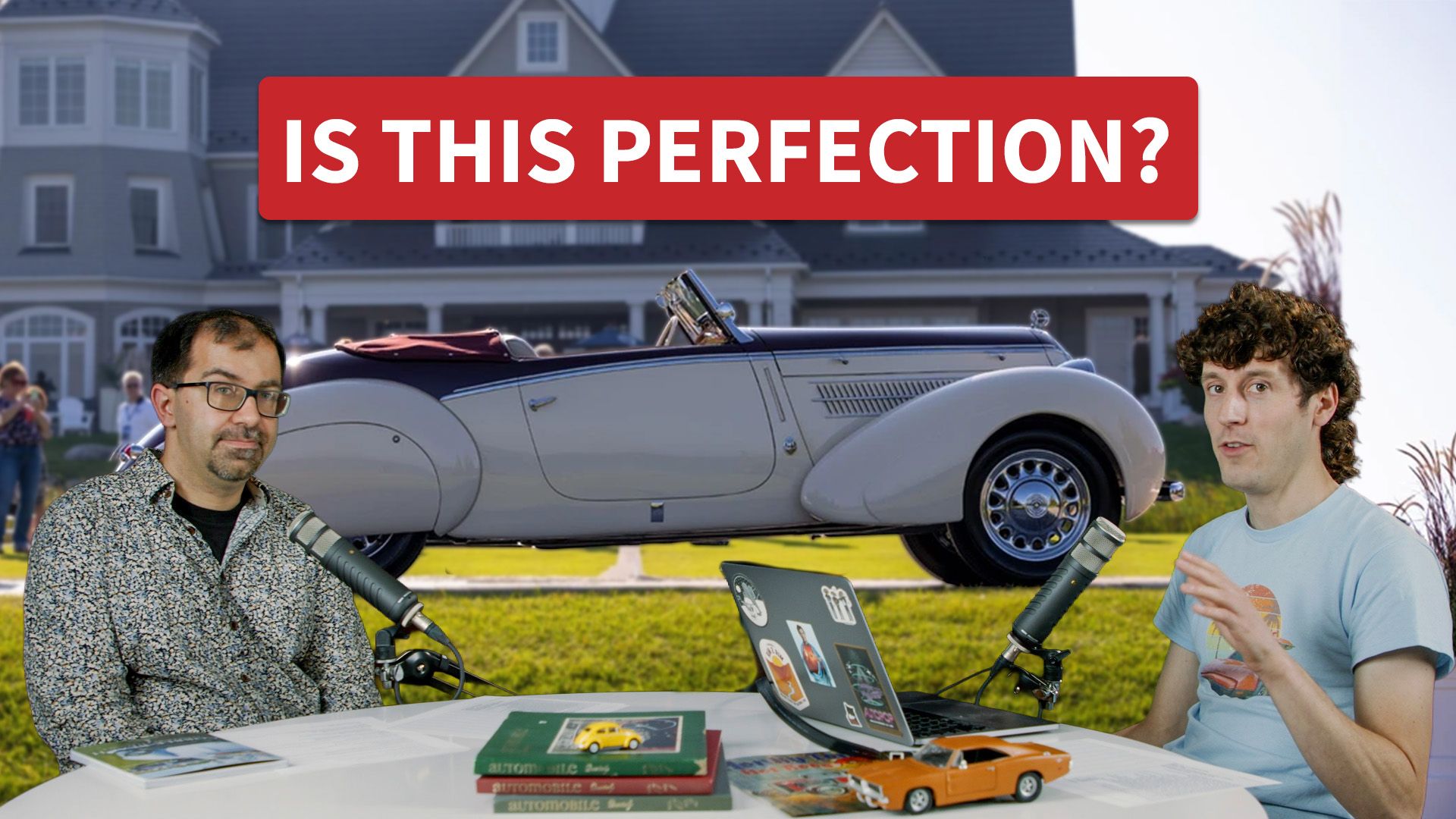
To pull back the curtain on this high-stakes world, the newly rebooted The Driving Podcast has launched its first episode, hosted by automotive veteran Clayton Seams. Joining him is Driving.ca staffer Nicholas Maronese, who recently traded his keyboard for a judge’s clipboard at the esteemed Cobble Beach Concours d’Elegance near Owen Sound, Ontario. This inaugural episode serves as both a masterclass in automotive history and a candid look at the intense pressure that defines the concours circuit.
The Anatomy of a World-Class Concours
At its core, a concours d’elegance—French for "competition of elegance"—is not merely a car show. Unlike a local "Cars and Coffee" gathering where the focus is on camaraderie and casual appreciation, a concours is a rigorous evaluation of historical accuracy, mechanical integrity, and aesthetic presentation.
During the podcast, Maronese shares his firsthand experience from the field, detailing the grueling nature of judging multi-million-dollar machines. The conversation highlights the "behind-the-clipboard" reality: it is a forensic exercise. Judges aren’t just looking at the shiny paint; they are looking for the "tells." Is the wiring loom period-correct? Does the stitching on the leather upholstery match the factory specification of 1955?
"It’s about the pursuit of perfection," Seams notes. The duo discusses how a single non-original bolt can essentially disqualify a vehicle from the top tiers of competition. This level of scrutiny turns the ownership experience into a lifelong commitment to archival research and specialized craftsmanship.
Chronology: From the Workshop to the Show Field
The journey to a concours win is a multi-year, often multi-decade, odyssey. The podcast episode breaks down the typical lifecycle of a championship-caliber restoration:
- The Discovery Phase: Often, the journey begins with a "barn find." These are the derelict, forgotten husks of legendary vehicles that require thousands of hours of research just to understand their original configuration.
- The Research Phase: Before a single tool is turned, owners must document every aspect of the car’s provenance. This involves scouring factory records, original blueprints, and period-correct photographs.
- The Restoration Phase: This is where the budget often spirals. Owners hire specialized artisans who can rebuild engines to factory tolerances or source "new old stock" (NOS) parts from hidden corners of the globe.
- The Judging Phase: As Maronese describes, the event itself is the final examination. Judges move in teams, usually consisting of a chief judge and specialists in mechanical, electrical, and aesthetic fields. They inspect the car against the "standard of originality" for that specific make, model, and year.
Supporting Data: The High Cost of Perfection
The economic stakes in the world of vintage collecting are staggering. Throughout the episode, the hosts touch upon the broader market, citing recent auction results—such as the record-setting sale of Michael Jordan’s 1997 Ferrari 550 Maranello—as evidence of the immense value placed on provenance.
When a vehicle reaches the level of a concours winner, it effectively becomes an appreciating asset. However, the cost of maintenance and restoration is rarely recouped by the sale price alone. Instead, owners participate for the prestige, the preservation of history, and the rare opportunity to display their "art" on the world stage.
The podcast also pivots to modern innovation, providing a necessary contrast. While concours participants look backward to preserve the past, the industry is simultaneously racing toward an electrified future. The discussion includes a deep dive into the Jaguar Type 01, a vehicle that represents a radical departure from the internal combustion engines that dominate the concours circuit.
Implications for the Future of Car Culture
The divide between the "preservationist" concours culture and the "innovator" EV culture is a central theme of the episode. Is there room for both? Seams and Maronese argue that modern cars, like the redesigned Hyundai Tucson, provide the daily utility that allows enthusiasts to keep their "living classics" tucked away in the garage for the weekend.
Furthermore, the discussion surrounding the Nissan Z Nismo serves as a bridge between these worlds. While it is a modern, high-performance machine, it maintains the spirit of the enthusiast car—especially now that it offers a manual transmission. It serves as a reminder that the automotive industry is not yet ready to abandon the tactile joy of driving, even as it pushes into the realm of software-defined vehicles.
Official Perspectives: The Judge’s Dilemma
One of the most engaging segments of the podcast is the debate over whether it is more rewarding to compete or to judge.
- The Competitor’s Perspective: The thrill of the win is the ultimate validation of thousands of hours of labor. However, the stress of the "white glove test" can be paralyzing.
- The Judge’s Perspective: As Maronese explains, judging is an exercise in diplomacy. You are the arbiter of a dream that someone has spent their life’s savings to realize. You have to be firm on the rules, but you also have to appreciate the passion involved.
The hosts conclude that the best judges are those who have also been owners. They understand the heartbreak of a point deduction, which makes them more compassionate and thorough in their evaluation.
Engaging with the Audience
The Driving Podcast isn’t just a one-way broadcast; it’s designed to be an interactive hub for the automotive community. By inviting listeners to submit their own questions for upcoming episodes, Seams and the Driving.ca team are fostering a space where experts and enthusiasts can debate the finer points of car culture.
Whether you are a collector looking to take your restoration to the next level, a fan of the latest electric vehicle technology, or someone who simply enjoys the roar of a vintage engine, the podcast offers a comprehensive look at the modern automotive landscape.
Conclusion: A Must-Listen for Gearheads
Episode 1 of the rebooted The Driving Podcast sets a high bar for automotive journalism. By balancing the intellectual rigor of concours judging with the excitement of new model releases and record-breaking auctions, the show successfully bridges the gap between the past, present, and future of the automobile.
As the industry continues to evolve, platforms like this will be vital for contextualizing where we have been and where we are going. Whether you listen via Spotify, YouTube, or your preferred podcast platform, you’ll find that the expertise shared by Clayton Seams and Nicholas Maronese provides a deeper appreciation for every vehicle you encounter—from the local grocery-getter to the masterpiece on the show field.
For more in-depth coverage, expert reviews, and the latest news from the world of automotive engineering and culture, sign up for the "Blind-Spot Monitor" newsletter and join the conversation on X, TikTok, and LinkedIn.
About the Host
Clayton Seams is the Online Editor and Video Manager for Driving.ca. With over a decade of experience in automotive media, Seams has transitioned from his own independent platform, TheLifeMechanical, to becoming a central figure in Canadian automotive journalism. A graduate of the Southern Alberta Institute of Technology, his work is characterized by a deep technical knowledge and a unique passion for classic cars, often finding a way to integrate his signature interest in lighthouse history into his storytelling. Throughout his career, he has reviewed over 400 vehicles, ranging from entry-level hatchbacks to multi-million-dollar supercars.
