

By Andrew McCredie
Published October 25, 2026
The age-old motorsport mantra, “Win on Sunday, sell on Monday,” has served as the heartbeat of automotive marketing for over half a century. Attributed to legendary U.S. Ford dealer Bob Tasca Sr.—the mastermind behind the iconic Cobra Jet 428 engine—the philosophy thrived in the golden era of NASCAR. During that period, the stock cars trading paint on the track were visual, mechanical cousins to the high-performance machines gracing showroom floors. From the aggressive lines of the Dodge Charger to the aerodynamic dominance of the Plymouth Superbird and the raw muscle of the Ford Torino, the connection between the racetrack and the dealership was literal, visceral, and incredibly lucrative.
However, in the highly technical, globalized landscape of 2026 Formula 1, that connection has evolved into something far more abstract. With strict homologation rules and complex aero-regulations, the modern F1 car shares almost nothing with a consumer road vehicle beyond a corporate badge. Even then, the link is tenuous; consider Red Bull Racing, a championship-winning juggernaut powered by Ford, yet defined by a brand that sells energy drinks, not sedans.
As Audi enters its inaugural season on the Formula 1 grid, it faces a fundamental question: In a world where the race car is a prototype, not a production model, and where standing on the top step of the podium is a monumental challenge for a newcomer, how does a manufacturer justify the massive investment required to compete?
The New Metric: Activations Over ECUs
The answer lies not in the internal combustion engine or the hybrid power unit, but in the "commercial ecosystem." To understand this, we sat down with Stefano Battiston, the Chief Commercial & Brand Officer for the Audi F1 Revolut team. Speaking from the team’s motorhome in the Singapore Grand Prix paddock, Battiston offered a refreshing perspective on the business of racing.
For the modern team, success is no longer measured solely by electronic control units (ECUs) or tire degradation rates. It is measured by Key Performance Indicators (KPIs). "On the Monday after Singapore, we collect all the data," Battiston explains. "We look at what worked, what didn’t, and we refine the process. We are constantly crunching social media metrics, participation in activations, and merchandise sales to maximize our exposure."

In Battiston’s world, an engagement on a limited-edition apparel drop or a viral social media campaign carries as much weight as a fastest lap. The "Win on Sunday" philosophy has been updated for the digital age: "Engage on Sunday, inspire on Monday."
A Strategic Masterclass in Singapore
The Audi F1 Revolut team’s approach to the Singapore Grand Prix served as a case study for this new strategy. Recognizing that Singapore was their first-ever night race, the team didn’t just show up to race; they showed up to integrate.
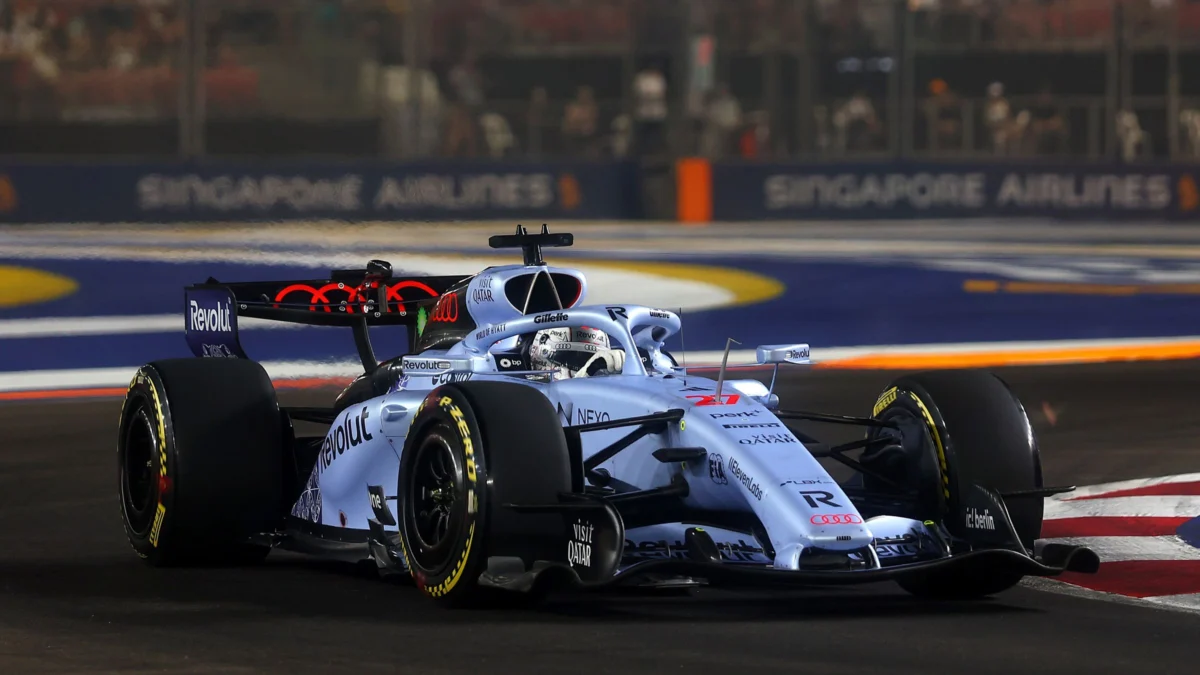
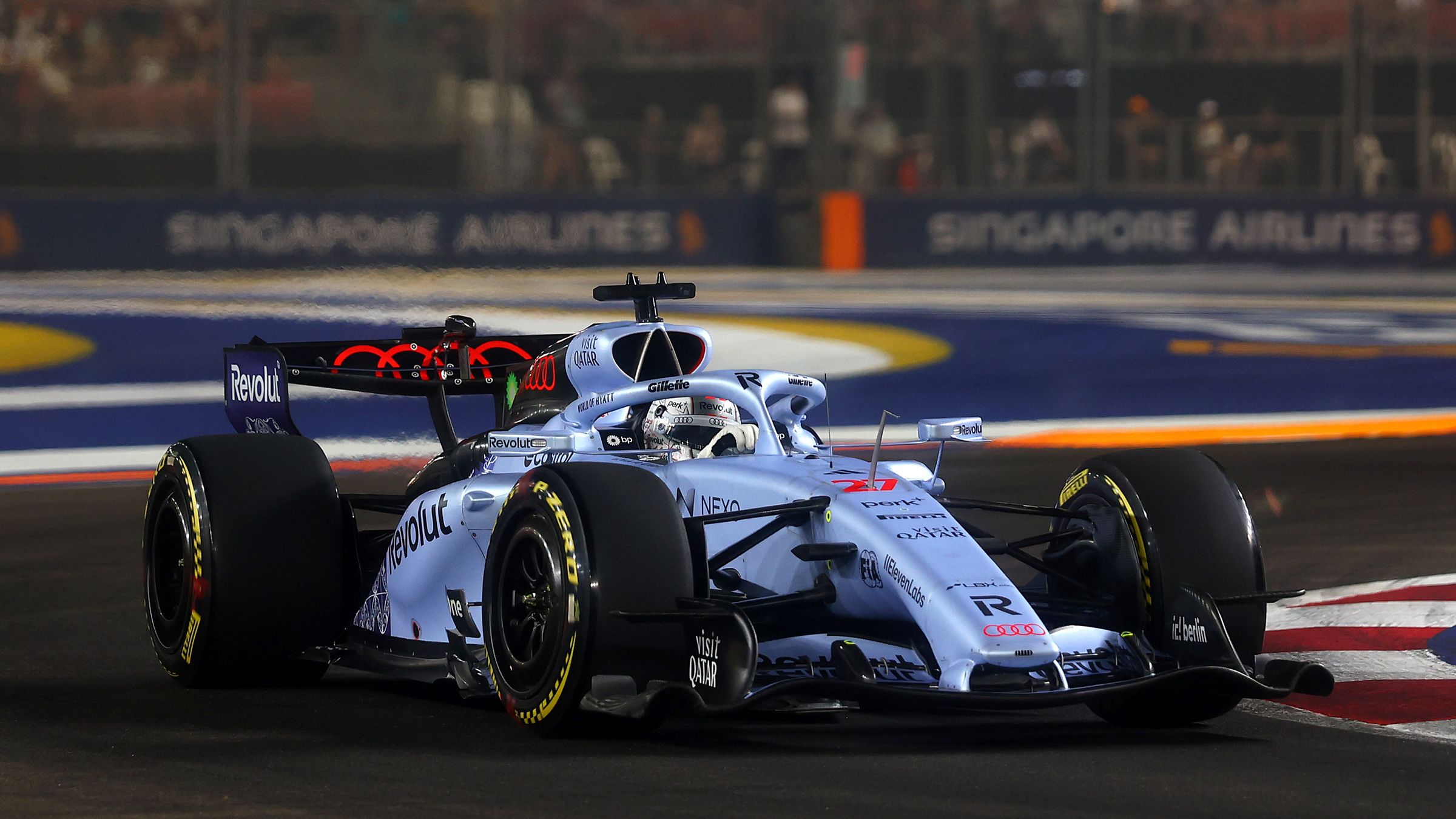
The Audi R26 cars hit the Marina Bay Street Circuit wearing a stunning, Singapore-specific livery. The traditional "Titanium Silver Grey" was accented with a delicate peranakan pattern—a design that pays homage to the local fusion of Chinese, Malay, and European artistic influences. This aesthetic was mirrored on the race suits of drivers Nico Hülkenberg and Gabriel Bortoleto, creating a cohesive, culturally resonant visual identity.

The team amplified this by partnering with Adidas for a limited-edition capsule collection. The clothing, which featured the same peranakan motifs, became a collector’s item, selling out at the track within hours. But the most inventive activation was the "Gabico" gelato—a collaboration with local Singaporean artisan shop Birds of Paradise. Named after the drivers, the treat was a sophisticated blend of tahitensis vanilla, balsamic figs, and mint, garnished with cacao nibs. By bridging the gap between high-octane motorsport and local lifestyle culture, Audi created a "reason to follow" that transcended the racing results.
The "Drive to Survive" Effect
Battiston is quick to credit the Netflix docuseries Formula 1: Drive to Survive for the seismic shift in the sport’s demographic. The show’s success in pulling back the curtain on the human drama of F1 has opened the doors to a younger, more diverse audience—specifically, a 42% female demographic and a rapidly growing cohort of 15-to-35-year-olds.
"The work that Formula 1 has done over the last few years is incredible," Battiston says. "Our job now is to reach these new people and ensure the audience stays hooked. It’s about the highs and lows—it’s about following a journey."

This strategy mimics the narrative arcs seen on Netflix. A race team is no longer just a racing organization; it is a content studio. Whether it’s through the fashion choices of the drivers, the personal stories shared on social media, or high-profile celebrity interactions, the goal is to build an emotional bridge. Audi isn’t just selling a car; they are selling a lifestyle and a narrative that the consumer can engage with on a daily basis, not just during the 90 minutes of a Grand Prix.
Challenging the Hierarchy: Performance vs. Brand
Entering the 2026 season, the competitive reality for Audi is steep. Sitting eighth in the constructor standings—ahead of the bottom-tier teams but behind the established midfield—the team is in a "building year." While they have secured eighth-place finishes, including a strong drive by Hülkenberg in Singapore, the goal of winning a world championship by 2030 feels like a distant horizon.
Does a lack of podiums hurt car sales? Battiston remains pragmatic. "Winning helps, certainly. But it isn’t the only lever." He points to a recent activation in Melbourne where the team hosted a secondary hospitality unit near the track, resulting in the sale of 80 vehicles. "That is the power of the brand," he notes. "We bring the experience to the consumer, regardless of where we finish in the race."

The Financial Reality of Modern F1
To understand why a manufacturer would pour billions into such an endeavor, one must look at the macro-economics of the sport. In 2025, Ferrari alone reportedly cleared $1.28 billion in merchandise profit—a figure that dwarfs the operating costs of many mid-field teams. With team valuations soaring—Forbes now values top-tier teams at over $9 billion—the financial incentive to build a global brand footprint is immense.
Audi’s entry into the sport, marked by their $900-million acquisition of the Sauber Group in 2025, was a calculated investment. Today, the Audi F1 team is valued at $3.6 billion. The team isn’t just a marketing expense; it is a high-growth asset.
Final Thoughts: The New Era of Motorsport
As someone who has covered Formula 1 for two decades, watching this transition is bittersweet. I remember the days when F1 was a "small club"—a cult-like following defined by engineering secrets and mechanical mystique. Today, the sport is a global entertainment juggernaut. With companies like Disney investing heavily in broadcast rights and fashion houses like Gucci signing on as title partners for teams like Alpine, the commercialization of the sport is accelerating.

Is the soul of the sport being diluted? Perhaps. But it is also being democratized. The "Win on Sunday, Sell on Monday" mantra may have evolved into "Engage on Sunday, Build a Community on Monday," but the fundamental objective remains the same. Audi has recognized that in the modern era, the most valuable commodity isn’t just the horsepower under the engine cover—it’s the attention of the fans in the grandstands and on the screens.
As we look toward the future of the 2026 season and beyond, it is clear that while the chequered flag is still the goal, the real race is happening in the hearts and minds of a new generation of fans. Audi, through its commitment to culture, lifestyle, and data-driven storytelling, has proven that there are many ways to find the winner’s circle. And for the automotive industry, that is a victory worth more than any trophy.
