

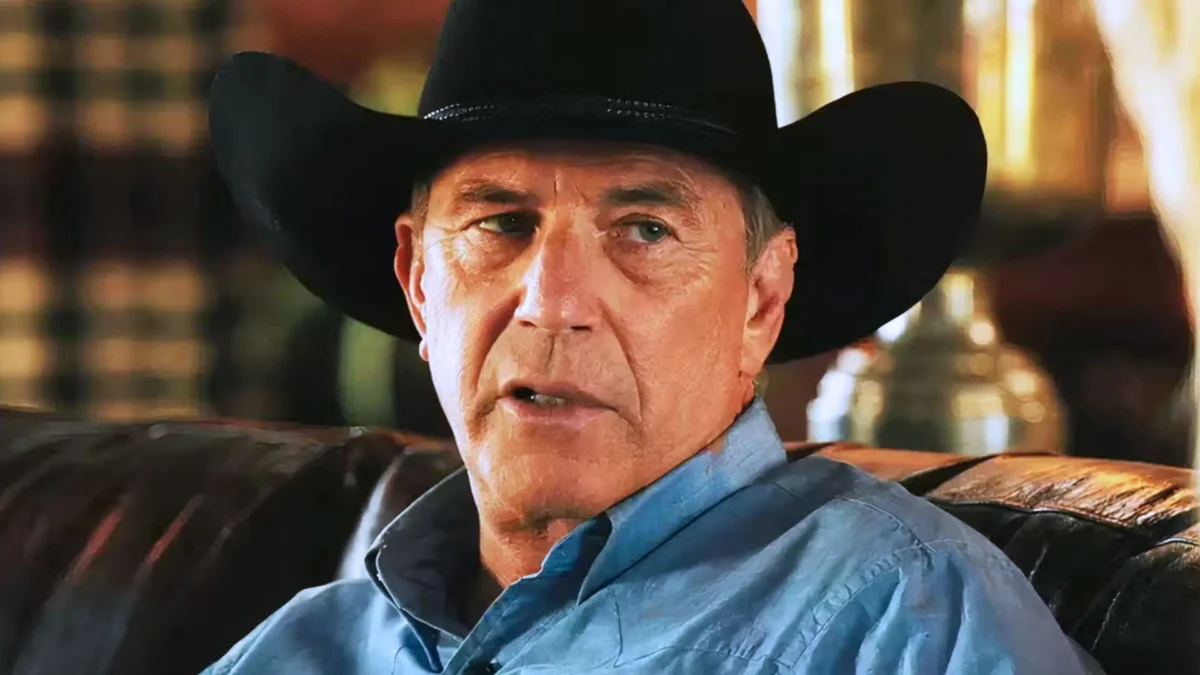
The Yellowstone universe, a sprawling tapestry of Western ambition, familial strife, and the brutal cost of legacy, has reached a significant inflection point. Following the conclusion of Yellowstone season 5, part 2, the franchise has pivoted with the debut of its latest spin-off, Dutton Ranch. While the core series defined a decade of television by exploring the dynastic struggles of the Dutton family in Montana, this new chapter shifts the focus to the two most volatile and beloved figures of the saga: Beth Dutton and Rip Wheeler.
Forced to abandon their Montana life in the wake of a devastating wildfire, the couple has relocated to the small, sun-baked town of Rio Paloma, Texas. This transition marks more than just a change of scenery; it signifies a thematic evolution from a story defined by the preservation of a singular, monolithic legacy to one centered on the intimacy of a two-person unit.
The Chronology of Change: From Montana to Texas
To understand the trajectory of Dutton Ranch, one must first look at the circumstances that necessitated the move. The final episodes of Yellowstone left the Dutton family in a state of profound flux. Despite the acquisition of a brand-new Montana ranch in the closing moments of the flagship series, the characters find themselves pulled away from the familiar peaks of the North.
The catalyst for this departure—a catastrophic wildfire—served as a narrative device to strip away the physical environment that had shaped Beth and Rip’s identities for years. In the world of Taylor Sheridan, land is never just property; it is an extension of the soul. By forcing the couple to leave their ancestral base, the writers have effectively pushed them into a vacuum where they must reconcile their past with an uncertain future.
In the opening episodes of Dutton Ranch, we see the immediate aftermath of this migration. Rio Paloma provides a stark contrast to the verdant, mountainous backdrop of the Dutton Ranch in Montana. The Texas setting is harsh, dry, and unforgiving, mirroring the internal struggle of characters who are accustomed to wielding power within a familiar ecosystem, now finding themselves as outsiders in a new, potentially hostile environment.
The Weight of the Dutton Legacy
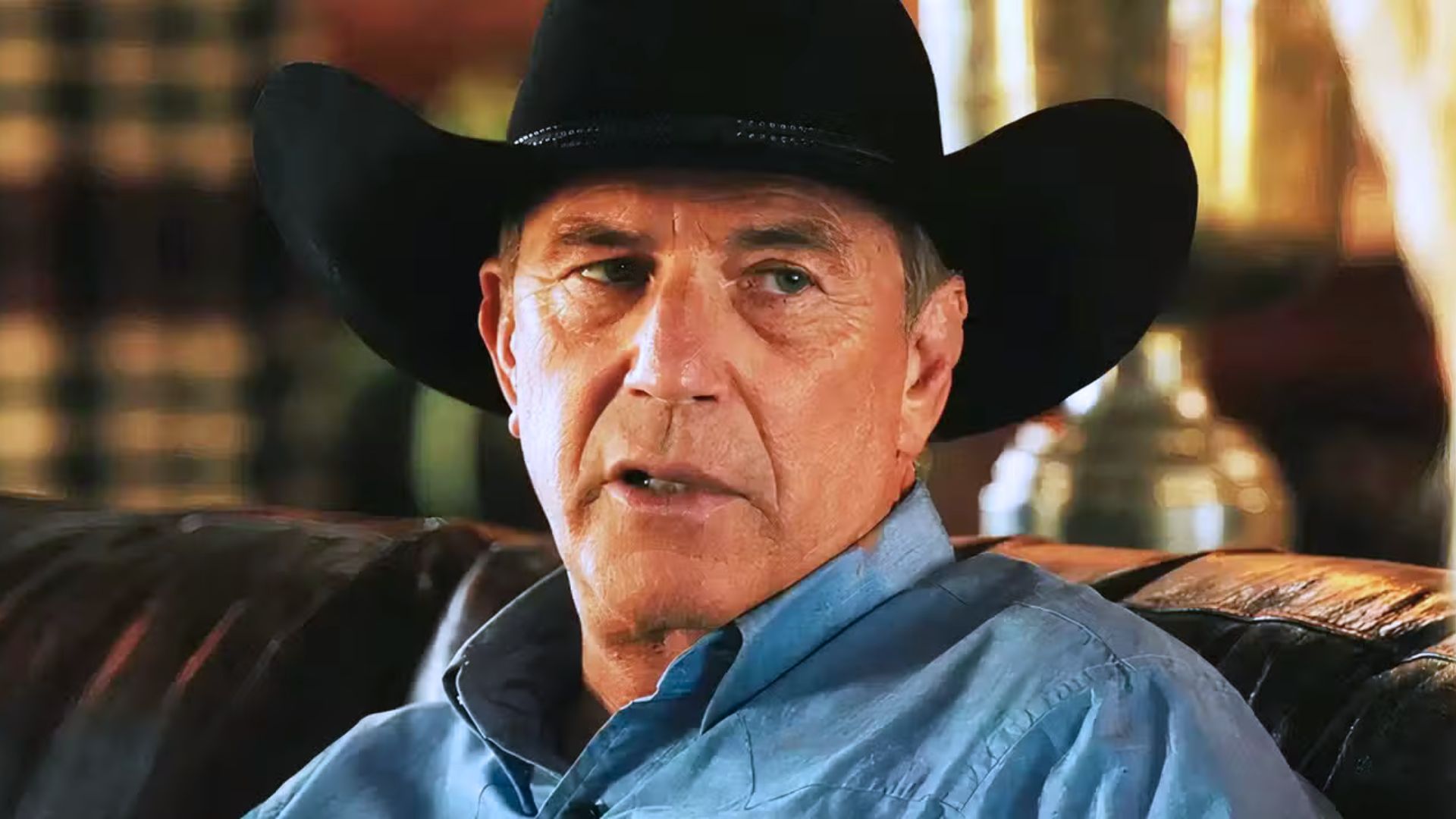
Central to the emotional core of the new series is the lingering influence of John Dutton. For Beth (Kelly Reilly), the legacy of her father has been the defining architecture of her existence. Throughout the original Yellowstone run, Beth’s actions were largely dictated by her fierce, unwavering loyalty to John and the preservation of the land he spent his life fighting for.
"I think the legacy has been a lot for Beth, and for all of these years, it has been her reason to live," Kelly Reilly noted in a recent discussion. "It was how she moved, her only dream and her only reason to exist, protecting the land for her father. She was his strongest soldier."
This "soldier" mentality defined Beth’s character arc—a woman who used destruction as a tool for defense. However, the move to Texas offers a departure from that singular focus. As the series progresses, viewers are witnessing a shift in Beth’s priorities. She is moving away from the burden of the past and toward a realization that the preservation of human connections—specifically her bond with Rip—takes precedence over the stewardship of acres.
Official Perspectives: The Evolution of Character
The actors portraying these iconic figures have provided insight into what fans can expect as the series unfolds. Cole Hauser, who plays the stoic and formidable Rip Wheeler, emphasizes that while the name of the show links it to the past, the narrative intent is to carve out a distinct space.
"The Dutton ranch obviously harks back to John Dutton, but other than that, the show is about us as a small unit, going to Texas and finding our own way," Hauser explained. This clarification is vital for audiences expecting a direct continuation of the Yellowstone power dynamics. Instead, Dutton Ranch presents a more localized, character-driven drama.
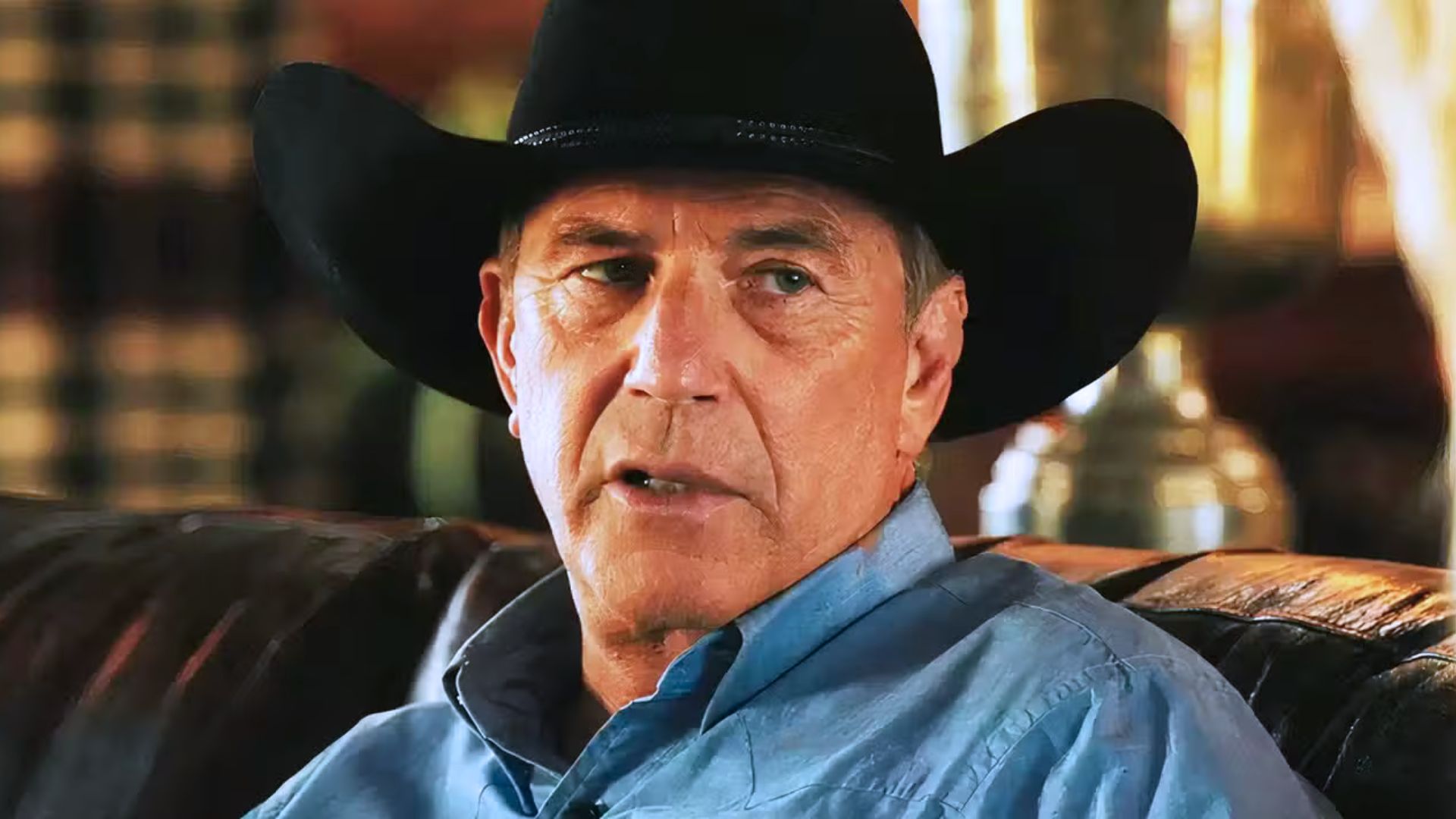
The introduction of new antagonists, such as the ranch rival Beulah (played by Annette Bening), suggests that the conflict in Texas will not be a carbon copy of the corporate warfare seen in Montana. While the Dutton name carries weight—and certainly acts as a lightning rod for local tension—the focus remains on how Beth and Rip navigate these new waters without the protective, albeit heavy, umbrella of John Dutton’s influence.
Implications for the Yellowstone Universe
The launch of Dutton Ranch raises critical questions about the future of the Yellowstone franchise. By isolating Beth and Rip in a new environment, the production team has successfully managed to keep the franchise alive without relying on a "Yellowstone 2.0" approach.
1. Decentralization of Power
In the original series, the "Yellowstone" was the protagonist. Every character orbited the land. By moving the leads away from that epicenter, the franchise is testing whether the chemistry between Reilly and Hauser is enough to sustain interest without the backdrop of the massive, central estate. Early reception suggests that the audience’s investment in the characters is deep enough to survive the transition.
2. The Cost of Preservation
The narrative theme of Dutton Ranch centers on the realization that "preserving a legacy" comes at a steep price. Beth’s character growth in this series revolves around acknowledging the toll that fighting for the ranch took on her and her family. There is a palpable sense of exhaustion in her character—a shift from the "strongest soldier" to a woman seeking peace, even if she doesn’t yet know how to achieve it.
3. A Shift in Genre Tones
While Yellowstone often leaned into the "Neo-Western" epic, characterized by large-scale battles and political maneuvering, Dutton Ranch appears to be leaning into a more intimate, psychological drama. The setting of Rio Paloma, with its specific regional cultural nuances, allows for a different kind of storytelling—one that is less about land rights and more about the endurance of a relationship under pressure.

Critical Reception and Audience Anticipation
The transition to a spin-off format is historically fraught with difficulty in television. However, the Yellowstone brand has cultivated a level of loyalty that few other properties enjoy. By keeping the creative team aligned with the original vision, the showrunners have managed to maintain the aesthetic and tonal consistency that fans crave, while simultaneously opening the door for new narrative possibilities.
Critics have noted that the early episodes of Dutton Ranch successfully balance nostalgia with innovation. The references to John Dutton are frequent enough to maintain continuity, but they never overwhelm the current plot. This is a delicate tightrope walk; too much reliance on the past would make the show redundant, while too little would alienate the established fanbase.
Conclusion: A New Frontier
As the inaugural season of Dutton Ranch continues to unfold, the implications for the wider universe remain vast. We are witnessing the maturation of characters who were once defined solely by their trauma and their servitude to a legacy. Whether or not Beth and Rip can truly escape the shadows of their past remains the central tension of the series.
For now, the audience is invited to follow this pair into a new chapter—one that is less concerned with the vast, sprawling borders of a Montana empire and more focused on the quiet, often violent, and deeply personal search for a place to call home. As Beth begins to prioritize the people in her life over the dirt she stands on, we are seeing a version of her that is both more vulnerable and more dangerous than ever before.
The Dutton legacy may have built the foundation, but Dutton Ranch is busy building something entirely different—something forged in the heat of a new landscape and the resilience of two of television’s most enduring characters. Whether they find redemption in Texas or merely a different kind of trouble, the journey is one that promises to redefine what it means to be a Dutton.
