

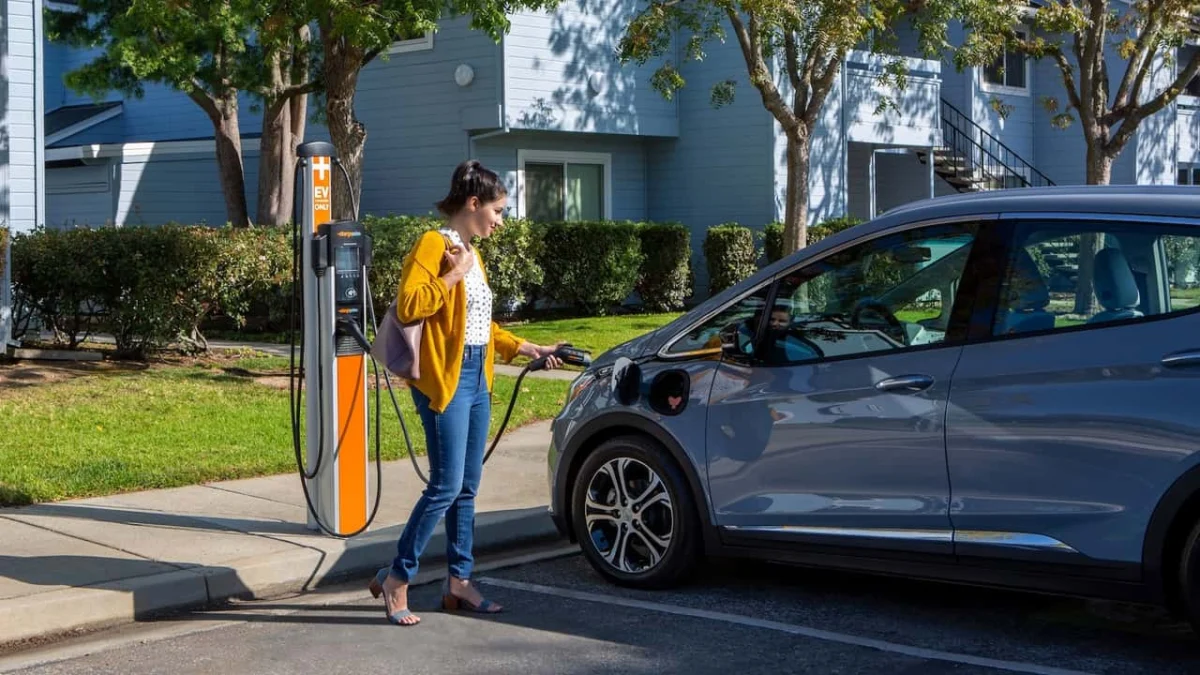
For the millions of Americans living in multifamily housing, the transition to electric mobility has long been obstructed by a simple, frustrating reality: the inability to charge at home. While the United States Department of Energy reports that approximately 80% of all electric vehicle (EV) charging sessions occur at residential locations, this statistic hides a stark inequality. While homeowners with garages can easily install Level 2 wall boxes, apartment dwellers are frequently left to navigate a fragmented public charging network, often at higher costs and with significantly more inconvenience.
In a move designed to dismantle these barriers, industry leader ChargePoint has announced a strategic partnership with OBE Power. The collaboration aims to deploy approximately 2,500 Level 2 charging ports across multifamily residential properties throughout the United States. By shifting the burden of infrastructure management away from property owners, the initiative promises to fundamentally alter the EV ownership experience for millions of renters and condo owners.
The Infrastructure Gap: Why Apartment Dwellers are Falling Behind
The "charging desert" phenomenon in urban centers is not merely a matter of convenience; it is a primary deterrent for prospective EV adopters. Most modern EVs require a reliable source of power that can replenish a battery overnight. In single-family homes, this is handled by Level 2 chargers—the gold standard for residential use. However, in an apartment complex or condominium, installing such hardware is fraught with logistical and financial hurdles.
Property managers and landlords have historically been hesitant to adopt EV infrastructure due to the high upfront capital expenditure, complex electrical retrofitting requirements, and the long-term headaches of managing billing, maintenance, and user complaints. For many, the liability of managing a charging network is simply not worth the perceived return on investment, leaving residents to rely on the often unpredictable public DC fast-charging network.
A Turnkey Revolution: The ChargePoint and OBE Power Partnership
The partnership between ChargePoint and OBE Power is specifically designed to eliminate these friction points. Under the agreement, OBE Power acts as the owner and operator of the charging stations, effectively removing the technical and financial risk from the property owner.
This "turnkey" model covers the full lifecycle of the charging equipment, including:
- Infrastructure Investment: OBE Power covers the cost of installation and equipment.
- Operational Management: The company handles all energy cost reimbursements, ensuring landlords are not footing the electricity bill for residents.
- Revenue Streams: Through carbon credit monetization and charging fees, the model creates a sustainable financial framework.
- Maintenance and Support: OBE Power assumes responsibility for insurance, repairs, and the often-dreaded customer support aspect, resolving user complaints so that property management remains hands-off.
By providing this end-to-end service, the companies aim to transform EV charging from a "landlord problem" into a value-added amenity that attracts eco-conscious tenants.
Chronology of an Evolving Partnership
The collaboration is a natural progression of a relationship that has already proven successful in other sectors. ChargePoint and OBE Power previously teamed up to penetrate the hospitality industry, installing charging stations at hotels and luxury resorts. Having successfully navigated the complexities of multi-tenant environments in the hospitality space, the companies are now pivoting their focus toward the multifamily residential sector.
The rollout is scheduled to commence immediately, with initial installations prioritized for condominiums and large-scale apartment complexes in high-demand markets. This phase-in strategy allows the companies to refine the installation process, ensuring that the existing electrical capacity of these older buildings is not overwhelmed by the addition of high-draw charging hardware.
Supporting Data: ChargePoint’s Market Dominance
To understand the scale of this initiative, one must look at ChargePoint’s current footprint. According to data from the Department of Energy’s Alternative Fuels Data Center (AFDC), ChargePoint operates over 45,000 charging stations across the U.S., comprising a total of 80,215 charging ports.
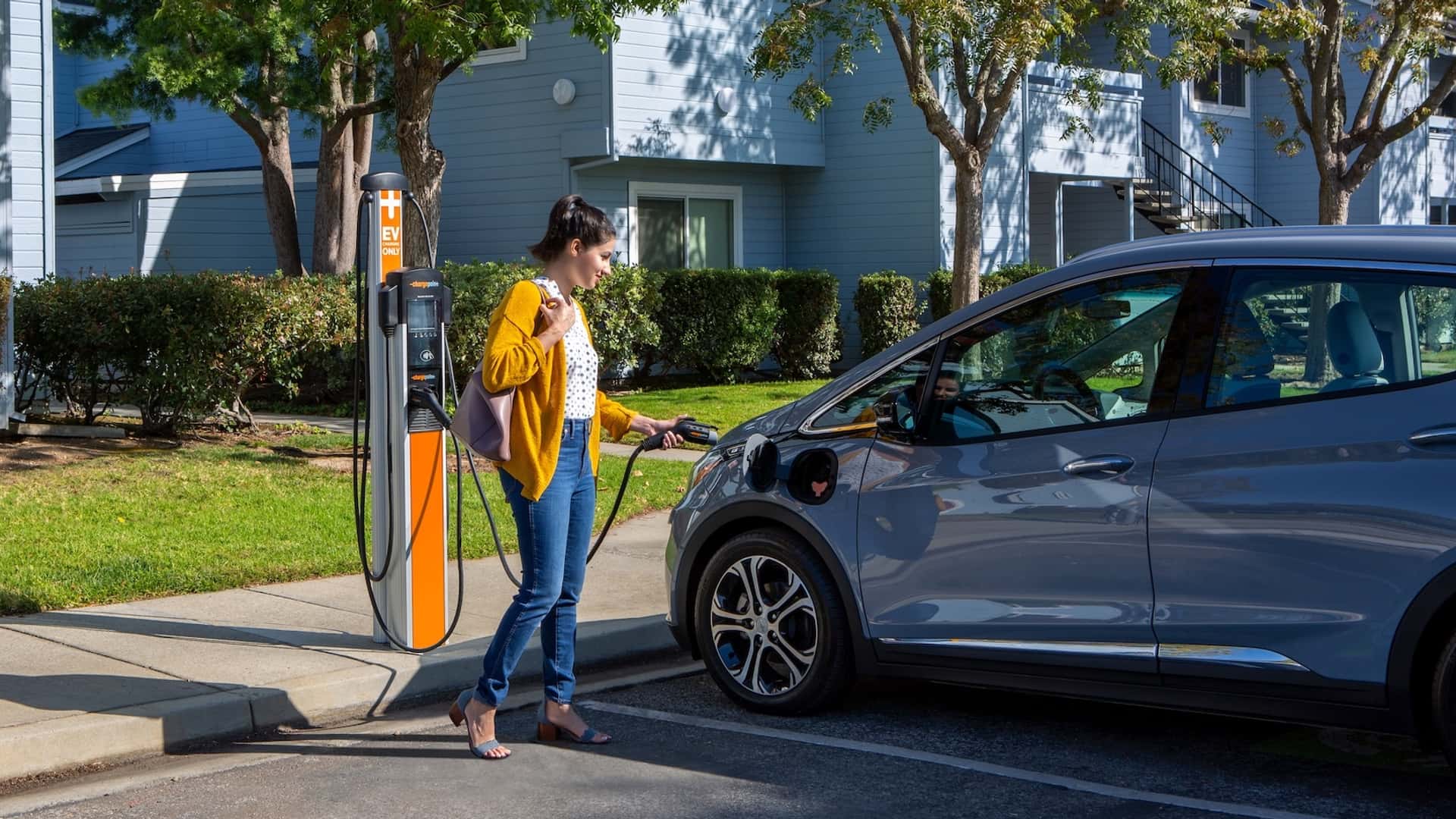
The vast majority of these—roughly 75,000—are Level 2 chargers. While these units offer slower charging speeds compared to the high-voltage DC fast chargers found along highway corridors, they are the ideal solution for the multifamily sector. A Level 2 charger can typically restore a vehicle’s range over an eight-to-ten-hour period, perfectly aligning with the typical overnight parking patterns of residents.
With the addition of these 2,500 new ports, ChargePoint will solidify its position as the largest operator of Level 2 charging infrastructure in the United States, pushing its total in that category toward 78,000. This expansion represents a significant commitment to the "destination charging" philosophy, where vehicles are charged while parked for long durations, rather than during short, errand-based stops.
Implications for the Future of Electric Mobility
The implications of this partnership extend far beyond the immediate installation of 2,500 ports. By proving that multifamily charging can be a managed, profitable service rather than a logistical nightmare, ChargePoint and OBE Power are setting a new industry standard.
1. Democratizing EV Ownership
If the EV transition is to reach the masses, it cannot remain a privilege for the wealthy homeowners of the suburbs. Expanding access to residential charging at apartment complexes is the single most effective way to lower the barrier to entry for lower- and middle-income demographics who reside in urban environments.
2. Standardizing the Amenity
As charging stations become as common as laundry rooms or gyms in apartment complexes, the expectation for charging access will rise. This initiative forces property managers to view EV infrastructure as a competitive advantage. Buildings that fail to offer charging will likely see a decline in property value as the fleet of EVs on American roads continues to grow.
3. Strengthening the Grid
By encouraging overnight, Level 2 charging, this initiative helps stabilize the electrical grid. Unlike fast-charging hubs that pull massive amounts of power in short, intense bursts, distributed Level 2 charging allows for a more managed, lower-intensity load that can be easily integrated into the existing residential grid infrastructure.
4. Policy and Environmental Impact
The revenue model involving carbon credits highlights the shift toward a circular economy. As buildings generate carbon credits through their charging infrastructure, they become active participants in the climate mitigation effort, further incentivizing the adoption of renewable energy sources at the building level.
Conclusion: A Shift in the Landscape
The partnership between ChargePoint and OBE Power is a critical piece of the puzzle for the electrification of the American transportation sector. By addressing the specific pain points of property owners—namely the cost, complexity, and maintenance of EV hardware—the companies are unlocking a segment of the housing market that has been historically ignored.
While 2,500 ports are just a drop in the ocean compared to the millions of chargers required to support a fully electrified nation, the model itself is the true innovation. It creates a path forward where any building owner, regardless of their technical expertise, can provide their residents with the ability to wake up to a full battery. As this program scales, it may well prove to be the blueprint for the next generation of urban, sustainable living.
