

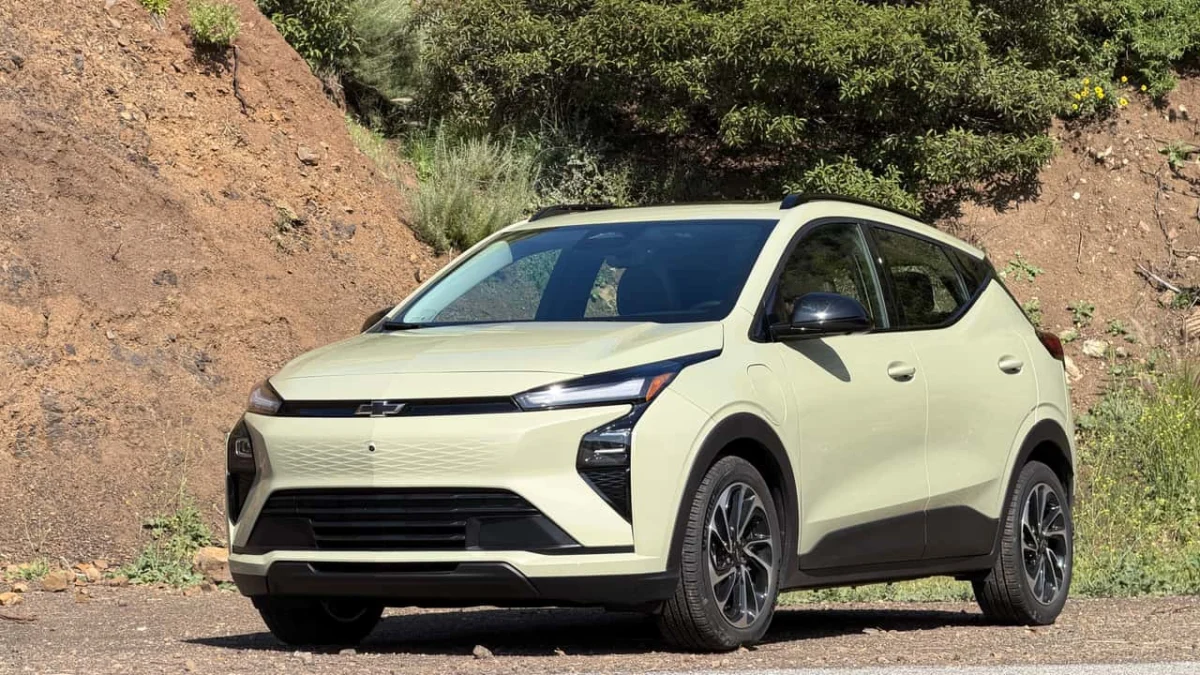
The electric vehicle (EV) market has spent the last several years grappling with a "price gap." While technology has surged forward, the entry price for a reliable, long-range EV has often remained prohibitive for the average consumer. Enter the 2027 Chevrolet Bolt, a vehicle that has already cemented its status as the most affordable new electric car in the United States. Now, in a strategic move to accelerate adoption and clear inventory, Chevrolet has partnered with the Costco Auto Program to offer an additional layer of savings that pushes the Bolt’s price into territory previously reserved for used vehicles.
For prospective buyers, this isn’t just a seasonal promotion; it represents a significant shift in how automakers are utilizing third-party membership networks to bridge the gap between MSRP and consumer affordability.
The Financial Breakdown: Costco’s Role in EV Accessibility
The Costco Auto Program, long known for its no-haggle pricing and transparent member incentives, has introduced a tiered discount structure for the 2027 Chevrolet Bolt. The math is compelling:
- Executive Costco Members: Eligible for a $1,250 discount.
- Gold Star and Business Members: Eligible for a $1,000 discount.
When applied to the base MSRP of $28,995, the price of entry for a brand-new, modern electric vehicle drops to as low as $27,745. This price point is revolutionary in the current automotive landscape. By lowering the barrier to entry, Chevrolet is positioning the 2027 Bolt as the primary answer to the "affordability crisis" in the green energy sector.
Beyond the upfront cash discount, Chevrolet is currently layering on a financing incentive: a fixed 2.9% APR for 60 months for well-qualified buyers. When combined with the Costco rebate, the total cost of ownership over a five-year period becomes one of the most competitive in the industry.
A Chronology of the Bolt’s Evolution
To understand why this discount is a milestone, one must look at the trajectory of the Chevrolet Bolt platform.
The Early Years (2017–2022)
The original Bolt EV arrived as a trailblazer, offering over 200 miles of range at a sub-$40,000 price point. While it was a technical success, it was plagued by production constraints and concerns regarding battery chemistry—specifically the nickel-rich packs that required strict adherence to "80% charge" rules to preserve long-term battery health.
The Mid-Cycle Pivot (2023–2025)
General Motors took a hiatus to overhaul the platform. During this time, the engineering team focused on two main pillars: lowering production costs through better supply chain management and increasing the utility of the battery pack.
The 2027 Arrival
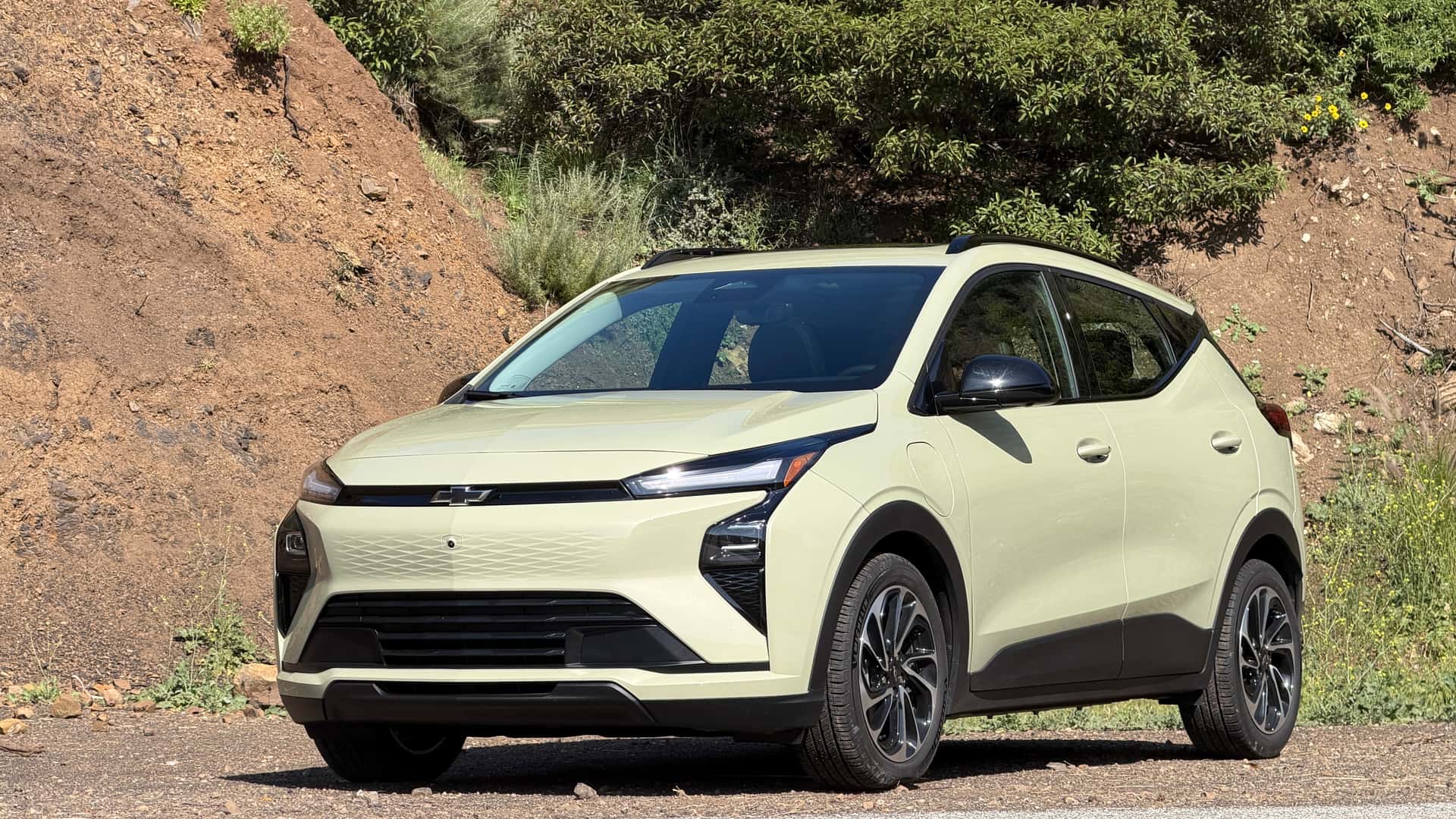
The 2027 model represents the culmination of these efforts. It is not merely a carry-over; it is a re-engineered vehicle designed for the mass market. By transitioning to Lithium Iron Phosphate (LFP) battery technology, Chevrolet solved the primary "range anxiety" frustration of the previous generation. Owners can now charge to 100% daily without the same degradation fears, effectively increasing the usable daily range of the vehicle.
Supporting Data: Why the 2027 Bolt Outperforms
The improvements in the 2027 iteration are not just marketing fluff; they are evidenced by specific performance benchmarks that make the Costco deal even more attractive.
Charging Infrastructure and Speed
The most notable upgrade is the charging architecture. The 2027 model supports a maximum input of 150 kilowatts. In practical terms, this reduces the "downtime" of an EV significantly. Where the previous generation required well over an hour at a DC fast charger to reach an 80% state of charge, the 2027 model accomplishes this in just 25 minutes. For a commuter, this is the difference between an inconvenient stop and a quick coffee break.
The LFP Battery Advantage
The shift to LFP chemistry is a strategic masterstroke for a budget-oriented vehicle. LFP batteries are not only more durable and cycle-friendly, but they are also cheaper to produce and less reliant on volatile minerals like cobalt. This allows Chevrolet to maintain the low price point while simultaneously offering a vehicle that is more robust for daily use.
Efficiency and Range
With an EPA-estimated range of 262 miles, the 2027 Bolt is no longer just a "city car." It now qualifies as a primary vehicle for many households, capable of handling long-distance highway travel with a charging stop that matches the cadence of a typical road trip.
The Broader Context: Volvo and Industry-Wide Discounts
While the Bolt is the headline, the Costco Auto Program’s influence extends into the luxury segment, indicating a broader trend of manufacturers attempting to move metal in a saturated market.
Through June 30, Costco is offering significant incentives on Volvo’s electric and plug-in hybrid lineup:
- $2,000 off: The EX90, XC90 PHEV, and XC60 PHEV (for Executive members).
- $1,250 off: The EX30 and EX40 electric crossovers.
This variety suggests that the retail giant is becoming a critical "clearing house" for automakers. By incentivizing both the budget-conscious Bolt buyer and the luxury-focused Volvo buyer, the program is effectively segmenting the EV market and providing targeted relief where it is needed most.
Implications for the Future of EV Sales
The collaboration between Chevrolet and Costco highlights a changing paradigm in automotive retail.
1. The Death of the "EV Premium"
For years, EVs were sold at a premium because they were viewed as niche technology. The 2027 Bolt’s pricing—further lowered by the Costco incentive—signals that the "premium" era is ending. We are entering the era of "parity pricing," where the cost of an EV is finally competitive with, or cheaper than, a comparable internal combustion engine (ICE) vehicle.
2. Membership-Based Incentives
We may see more manufacturers leaning on membership-based retail programs. By tapping into the established, loyal base of Costco members, automakers gain access to a pre-qualified pool of buyers who are already predisposed to looking for value. It is a lower customer-acquisition cost for the manufacturer compared to traditional advertising.
3. Inventory Velocity
With the industry facing a slowdown in the rapid growth of EV sales, these incentives are designed to keep the "velocity" of sales high. By creating a sense of urgency—the Costco offer expires June 30—Chevrolet is forcing fence-sitters to make a decision.
Conclusion: A Window of Opportunity
The 2027 Chevrolet Bolt is, by most metrics, the best value proposition currently available in the electric car market. Its blend of LFP battery reliability, rapid charging capability, and a sub-$28,000 price point (after the Costco discount) makes it a formidable contender.
For those who have been waiting for the "right time" to switch to electric, the combination of a low base price, a member-only discount, and competitive financing rates creates a unique convergence of factors. However, as with all promotional cycles, this window is finite. Prospective buyers have until the end of June to leverage the Costco Auto Program. Whether you are looking for a reliable daily driver or your first foray into the world of electric mobility, the 2027 Bolt is currently standing as the benchmark for how affordable, high-quality EVs should be delivered to the American public.
