

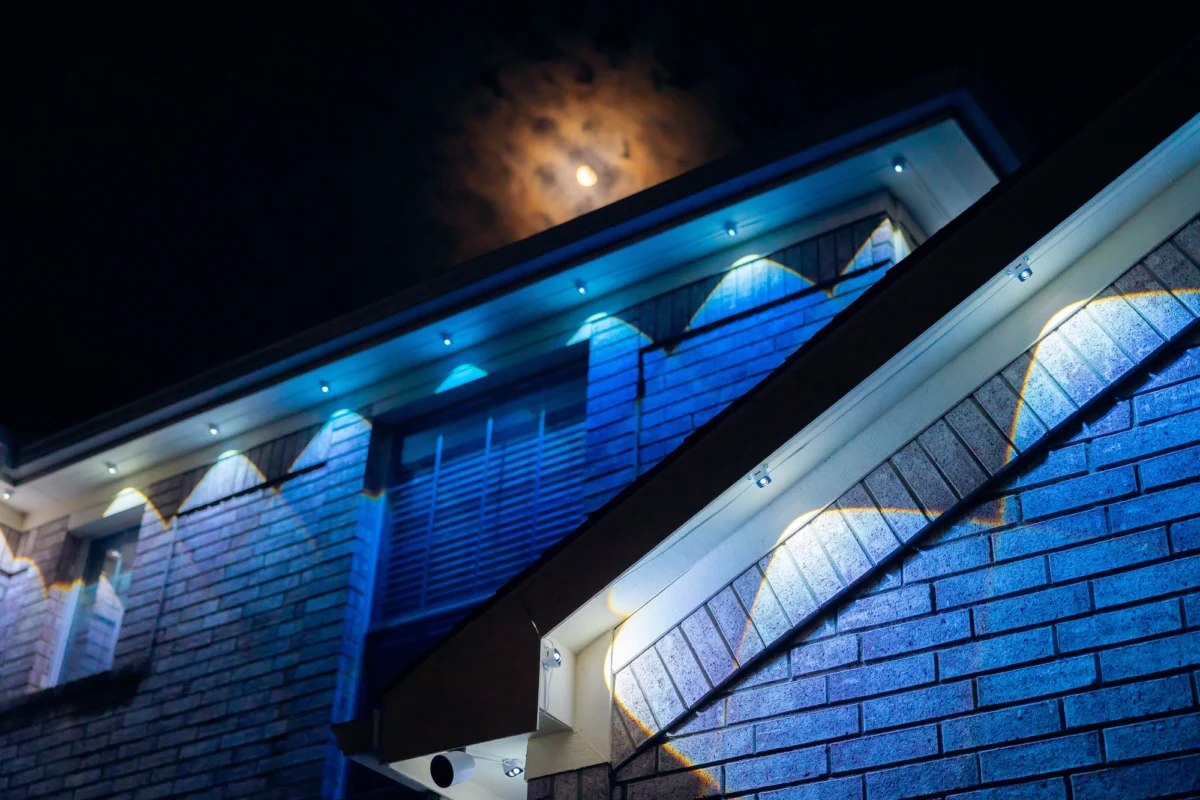
As October approaches, the neighborhood "arms race" of Halloween decor traditionally involves a frantic assembly of plastic skeletons, inflatable ghouls, and tangled strands of orange bulbs. However, a new trend in home automation is shifting the focus from physical props to the power of atmosphere. By leveraging advanced smart lighting, homeowners are now borrowing professional techniques from the film industry to turn their residences into immersive, cinematic horror sets.
This year, the smart lighting leader Govee has collaborated with filmmaker Ryan Connolly—the visionary behind the popular YouTube channel Film Riot—to demystify the art of professional lighting design. Through the lens of his recent short film, Last Light, Connolly demonstrates that the secret to a truly terrifying display isn’t in the quantity of decorations, but in the strategic manipulation of light and shadow.
The Foundation: Moving Beyond Basic Illumination
For decades, amateur home decorators have relied on "flood lighting," where a single, bright source of light illuminates the entire front facade of a house. According to Connolly, this is the primary mistake that kills the "haunted" vibe.
"For me, Halloween spookiness is about making the familiar unfamiliar in fun ways," Connolly explains. "When you wash a house in a single, flat light, you lose the architectural depth. To make a home feel like a set from a horror movie, you have to prioritize two fundamental pillars of cinematography: contrast and color."
The transition from a standard suburban home to a haunted attraction requires a shift in mindset. Instead of viewing outdoor lights as a way to "see the house," decorators should view them as a way to "sculpt the house."
Chronology of a Haunted Setup
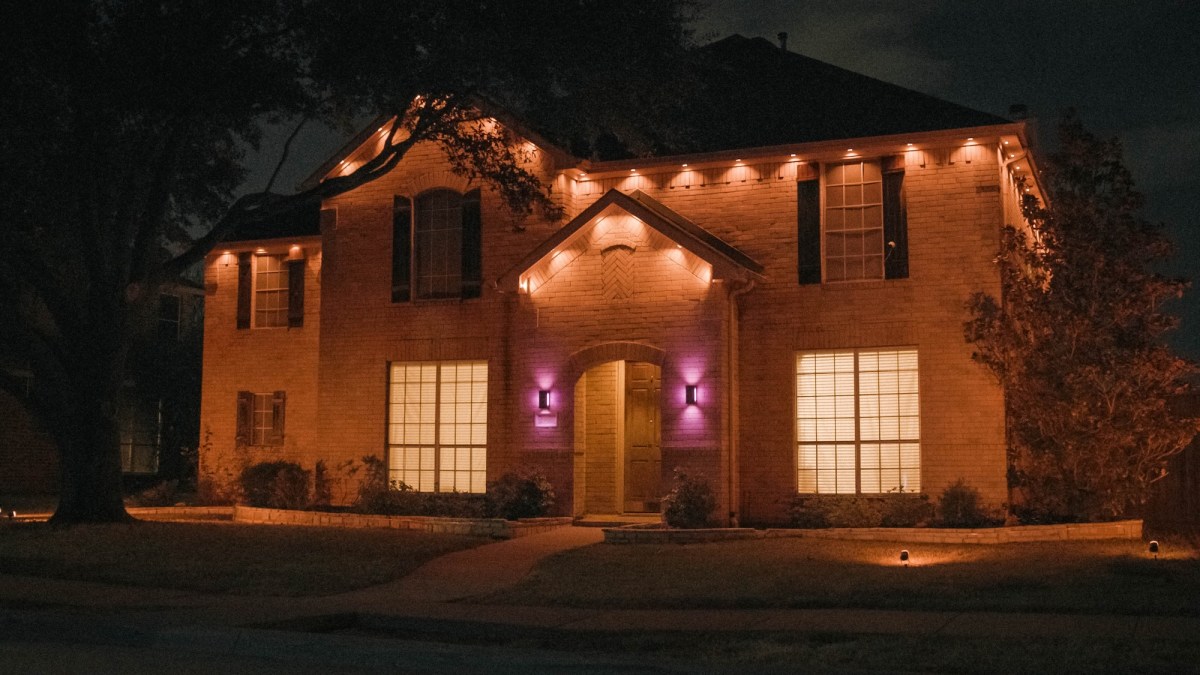
Creating a cinematic display is a process that requires a methodical approach. Following the techniques used in the production of Last Light, homeowners can break down their installation into a logical sequence:
- The Base Layer (Ambient): Start with low-level, dim, or cool-toned lighting to define the perimeter of the home. This provides a baseline that allows for higher-contrast accents later.
- The Hero Zones: Identify the "hero" elements—architectural features like peaks, pillars, or specific ghoulish statues. These should receive focused, high-intensity lighting.
- Color Injection: Introduce the primary mood color, followed by accent colors that sit opposite on the color wheel to create visual "pop."
- Shadow Sculpting: Turn off lights in areas that aren’t meant to be seen. In horror, what the audience doesn’t see is often more frightening than what they do.
- Dynamic Integration: Program the lights to introduce subtle motion, such as flickering, pulsing, or shifting intensity, to make the house feel "alive."
The Science of Color and Contrast
Lighting directors in Hollywood rarely use a single color for an entire scene. A monochromatic setup often looks flat, failing to trigger the psychological response necessary for true atmosphere.
"I like to start with a lead color, then add contrasting colors as accents," Connolly notes. "Even a small amount can give your main color more punch and presence. It’s sort of like the color version of scale; it’s hard to tell how big something is unless you see something familiar next to it."
For instance, if a homeowner chooses a deep, "poisonous" green as their base light, adding thin strips of vibrant, warm magenta or sharp, piercing violet as an accent creates a visual tension. This contrast forces the human eye to work harder to perceive the space, which subconsciously creates a sense of unease.
Shaping Shadows: The Art of Mystery
The most effective horror cinema relies on the "negative space." By highlighting specific "hero" areas—such as a porch, a specific window, or a ghoulish lawn ornament—and allowing the rest of the house to fall into deep shadow, the homeowner creates a sense of mystery.
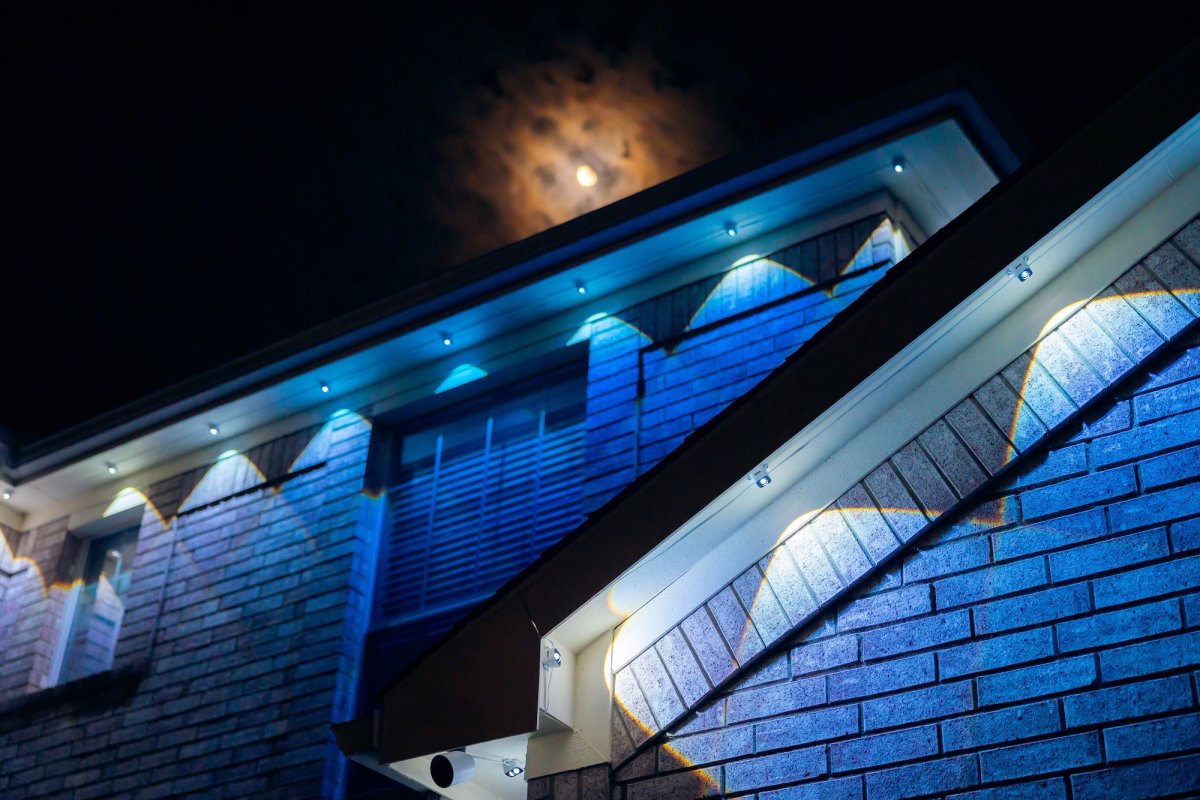
Smart lighting systems, such as the Govee series, allow for granular control. Homeowners can dim specific segments of their roofline or lawn lighting while keeping others at 100% brightness. This "subtractive lighting" method is the secret to making a standard home look like a dilapidated, haunted manor.
The Glowing Window Effect: A DIY Hollywood Staple
Perhaps the most iconic trick in the low-budget filmmaker’s toolkit is the "glowing window." It is an incredibly effective, low-cost way to make a house look occupied by something unnatural.
To replicate this, take a standard white bedsheet and hang it inside your windows. Place a smart LED strip—such as the Govee Strip Light 2 Pro—at the base of the window, pointing upward toward the sheet. By setting the light to a deep, saturated crimson or a pale, ghostly cyan, the sheet acts as a diffuser, turning the entire window into a soft, glowing canvas. The light is dispersed evenly, hiding the individual diodes of the strip and creating a clean, professional aesthetic that looks far more expensive than it is.
Creating Life Through Subtle Motion
Static lights are functional, but dynamic lights are narrative. By utilizing the Govee app, homeowners can program subtle motions that mimic the behavior of candles, lightning, or a passing spirit.
- The Flickering Candle Effect: By setting lights to a warm, oscillating orange or yellow, you can mimic the erratic movement of an open flame behind shutters or porch screens.
- The "Breathing" Effect: Gradually pulsing the brightness of the entire house up and down at a slow rate creates a "living, breathing" quality that feels incredibly unsettling to those walking by.
Connolly emphasizes the versatility of these systems: "I don’t feel like I have to lock them into just one use. Move them around and see how the same light changes the space when it comes from a different direction. Try uplighting a tree from the ground, then move that same light to a high angle to see how the shadows shift."
Implications of Permanent Smart Lighting
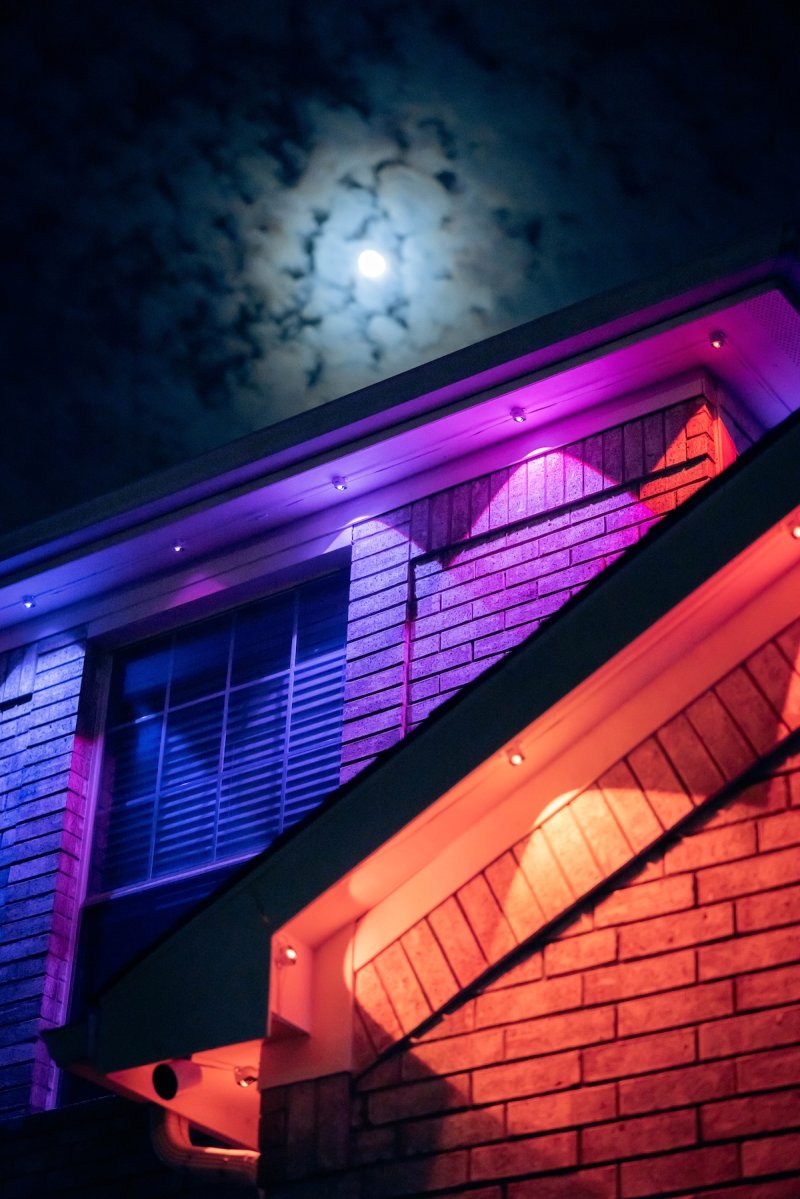
While these techniques are perfect for the Halloween season, the rise of "permanent" outdoor smart lighting has significant implications for how we view home exterior maintenance. Devices like the Govee Permanent Outdoor Lights 2 Pro and the Govee Permanent Outdoor Lights Prism are designed to be installed once and remain hidden under the eaves of the home year-round.
This shifts the utility of the investment. A homeowner is no longer just buying "Halloween lights"; they are buying a year-round infrastructure for home security, holiday celebration, and architectural enhancement.
When the calendar turns to November 1, the transition is instantaneous. The deep purples and greens of Halloween can be swapped via a mobile app to warm ambers and rusts for Thanksgiving, or crisp, cool whites for a clean, sophisticated curb appeal throughout the winter. By November 25, these same lights can be transitioned into a festive red and green display for the holiday season.
Conclusion: The New Standard for Home Decor
The convergence of filmmaking techniques and consumer-grade smart technology has fundamentally changed the landscape of home decoration. By moving away from static, singular-color displays and toward a dynamic, layered, and cinematic approach, homeowners can now achieve professional results that were previously reserved for film sets.
As Ryan Connolly’s work with Govee suggests, the key is not in purchasing the most expensive or the most numerous decorations, but in understanding the psychology of light. By mastering the balance of color, the depth of shadow, and the intrigue of motion, your home can become more than just a house on the block—it can become a destination.
