

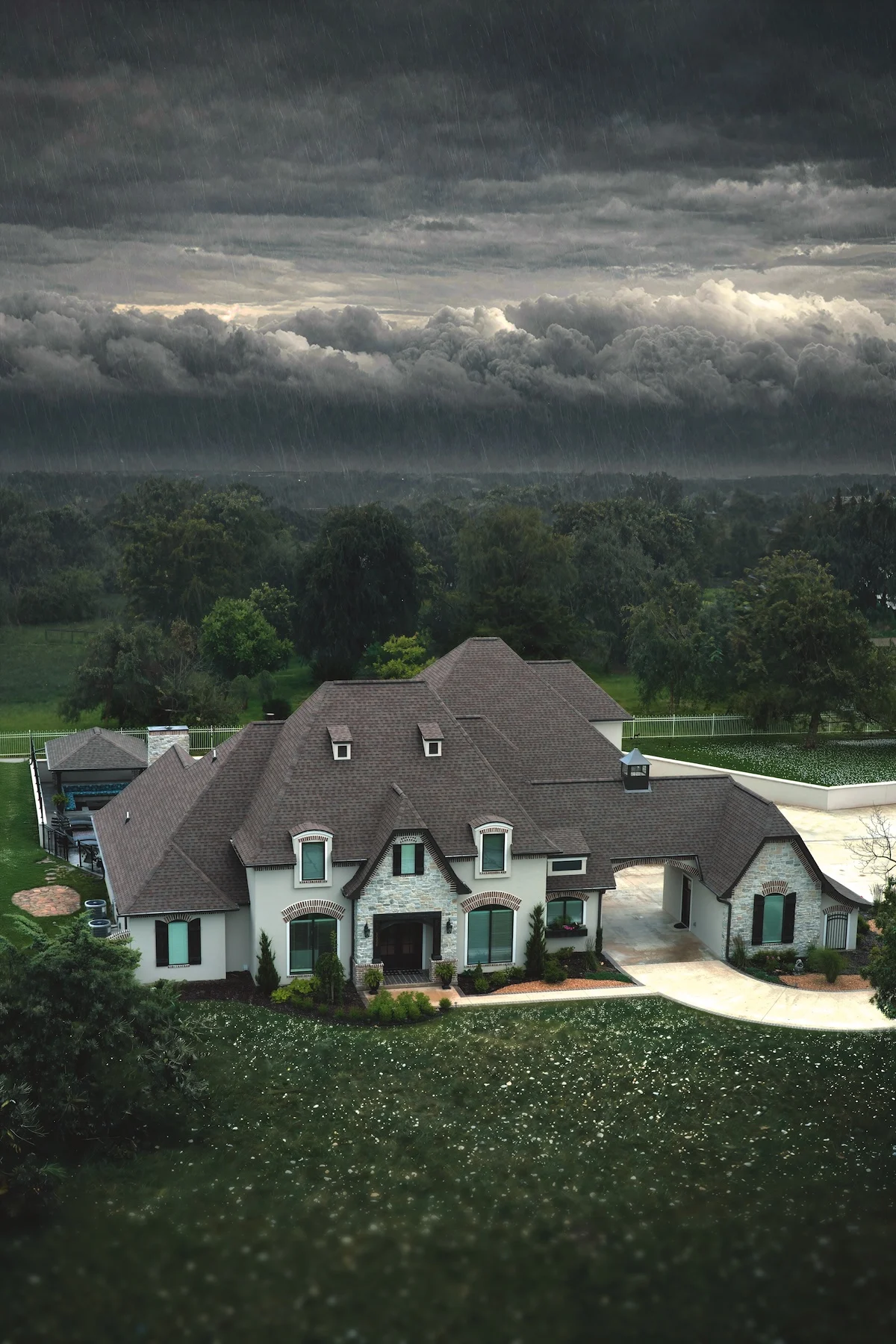
As climate patterns become increasingly volatile, the traditional suburban roof is facing a gauntlet of environmental challenges. From the plains of the Midwest to the coastal corridors of the East, homeowners are witnessing more frequent and intense severe weather events. This shift in meteorological behavior has transformed the roof from a simple architectural necessity into a critical line of defense. With U.S. residential property claims for roof repair and replacement ballooning to $31 billion in 2024, according to data from risk assessment firm Verisk Analytics, the choice of roofing material has become a high-stakes financial and structural decision for the modern homeowner.
The Escalating Crisis of Roof Degradation
The modern roof is under siege. Unlike previous decades, where shingles might reasonably be expected to reach their full design life, current conditions are forcing premature replacements. The primary culprits are multifaceted: high-velocity winds that can peel back shingle edges, heavy precipitation that compromises structural integrity, and the increasingly common phenomenon of large-diameter hail.
The structural integrity of a house begins at the top. The roof serves as the primary barrier against the elements, channeling water away from the home’s interior and protecting the structural decking. When a shingle layer is compromised, the failure is rarely isolated to the surface. Moisture ingress can lead to the rot of rafters and ceiling joists, potentially causing interior wall distortion, drywall cracking, and, in catastrophic scenarios, structural collapse. For homeowners, understanding the mechanics of these failures is the first step toward effective mitigation.
Chronology of a Roofing Failure
While many homeowners wait for the telltale drip of a leak to address their roof, a proactive approach can save thousands in secondary repair costs. The lifecycle of a roof failure often follows a predictable, albeit often ignored, timeline:
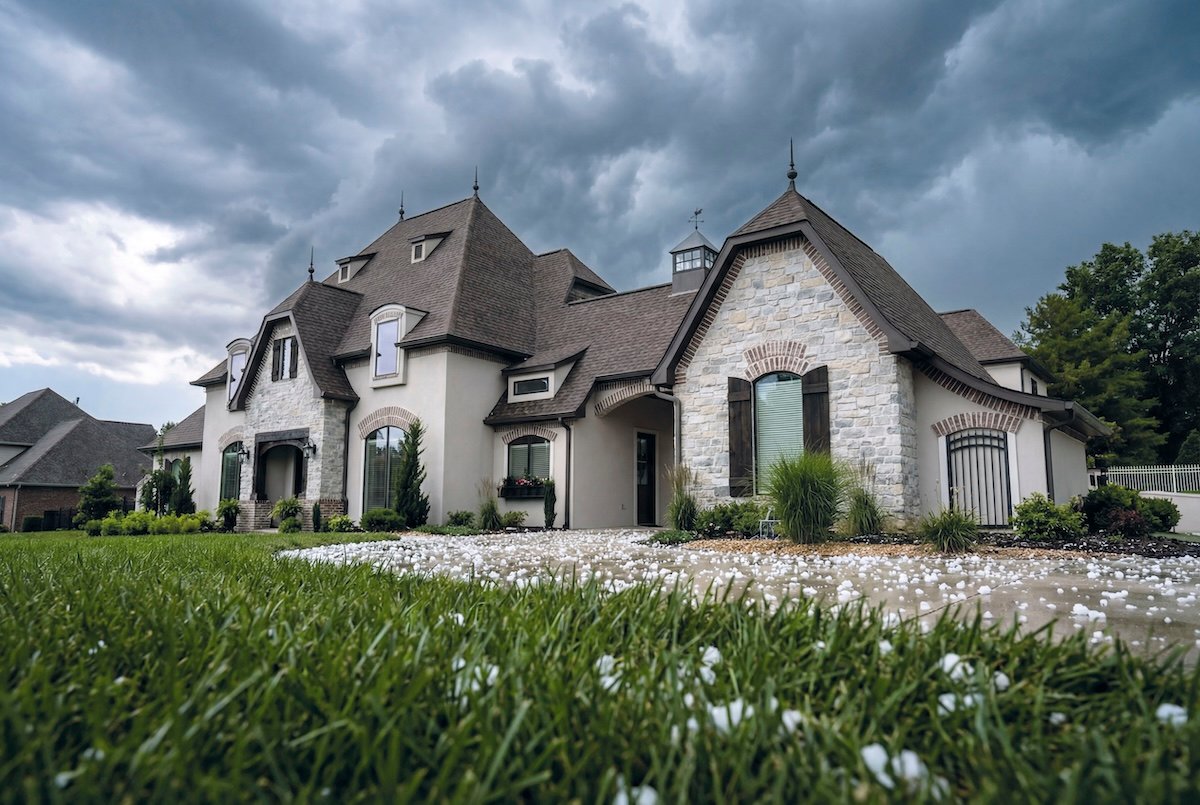
- The Incubation Period: Initially, UV radiation and thermal expansion cause asphalt shingles to lose their protective granules. These granules are not merely decorative; they protect the asphalt core from sun damage and fire. Once they shed, the shingle becomes brittle.
- The Stress Event: A high-wind or hail event occurs. While a healthy roof might weather the storm, a brittle, aging roof sustains micro-fractures in the asphalt mat.
- The Compromise: Following the event, freeze-thaw cycles expand these micro-fractures, allowing water to penetrate the underlayment.
- The Structural Breach: Once the underlayment is breached, the water reaches the wooden decking. At this stage, the homeowner may notice warping in the ceiling or mold growth in the attic, marking the transition from a "roofing repair" to a "structural restoration" project.
Advanced Engineering: The Case for Impact-Resistant Materials
In response to these industry-wide challenges, manufacturers are pivoting toward high-performance materials. A prominent example is the development of the TAMKO HailGuard™ shingle system, which represents a shift in how asphalt roofing is engineered.
Unlike traditional shingles, which rely on sheer thickness, HailGuard™ utilizes a reinforced core and polymer-modified asphalt technology. This chemical composition allows the shingle to act as a shock absorber. When an object—such as a hailstone—strikes the surface, the polymer-modified material disperses the kinetic energy across a wider area rather than absorbing it at a single point, thereby preventing the cracking associated with standard materials.
Data-Driven Durability
The industry standard for impact resistance is the UL 2218 Class 4 rating. This certification requires a shingle to withstand two impacts from a 2-inch diameter steel ball dropped from a height of 20 feet on the same location. While this is the current gold standard, recent testing suggests that some modern materials are performing significantly above these metrics. Internal testing by TAMKO has indicated that their HailGuard™ systems can withstand impacts from 2.5-inch steel balls dropped from 25 feet, effectively demonstrating an impact resistance capability that exceeds the conventional "Class 4" rating.
Furthermore, granule adhesion has been optimized in these next-generation products. By improving the bond between the granules and the asphalt mat, these shingles report a 70 to 80 percent increase in granule retention compared to standard counterparts. This retention is critical, as it preserves the shingle’s resistance to both fire and UV degradation.
Official Perspectives and Industry Standards
Industry experts emphasize that "Beyond Class 4" is an engineering achievement rather than an official regulatory classification. UL 2218, while highly respected, was designed to simulate specific hail conditions and may not fully account for the irregular shapes and velocities of real-world, wind-driven hail.
However, the shift toward these "extended" performance metrics signifies a new era in residential construction. Insurance companies, facing record payouts, are beginning to offer incentives for homeowners who install high-impact-resistant roofing systems. Some providers now offer premium discounts for Class 4 roofs, as these installations drastically reduce the likelihood of interior water damage following a storm.
Implications for the Modern Homeowner
The transition toward weather-resistant roofing is not merely a matter of aesthetic preference; it is a fundamental shift in home maintenance strategy. Homeowners are encouraged to evaluate their regional risk profile. In the "Hail Belt" of the central United States, investing in systems that provide a specific hail-related warranty—such as the 20-year coverage offered with the HailGuard™ system—can provide significant peace of mind.
Best Practices for Roof Maintenance
Regardless of the quality of the material, a roof requires periodic inspection. Homeowners should consider the following:
- Post-Storm Audits: Following any severe thunderstorm, visually inspect the roof from the ground (using binoculars) for missing shingles or signs of impact "bruising."
- Attic Ventilation: Ensure the attic is properly ventilated. Excessive heat buildup in the attic can accelerate the drying out of shingles from the underside, significantly shortening their lifespan.
- Gutter Management: Keep gutters free of debris. Clogged gutters can cause water to back up under the eaves, leading to ice damming in winter and rot in the summer.
- Professional Assessment: Engage a certified roofing contractor for an annual inspection. They can identify granular loss and flashing failures that are invisible to the untrained eye.
Conclusion
The data from 2024 serves as a sobering reminder: our homes are facing an environment that is less forgiving than it was even twenty years ago. As repair costs continue to rise, the "value" of a roof is being redefined by its durability and its ability to withstand the extreme. By selecting high-performance materials and maintaining a rigorous schedule of inspections, homeowners can fortify their primary asset against the unpredictability of the coming years. Whether through advanced polymer-modified asphalt or high-wind rated systems, the goal remains the same: protecting the structural integrity of the home against the increasing frequency of extreme weather.
As homeowners weigh their options for renovation, the decision to prioritize resilience will likely yield the highest return on investment, providing both financial protection and the security of a sound shelter in an increasingly stormy world.
