

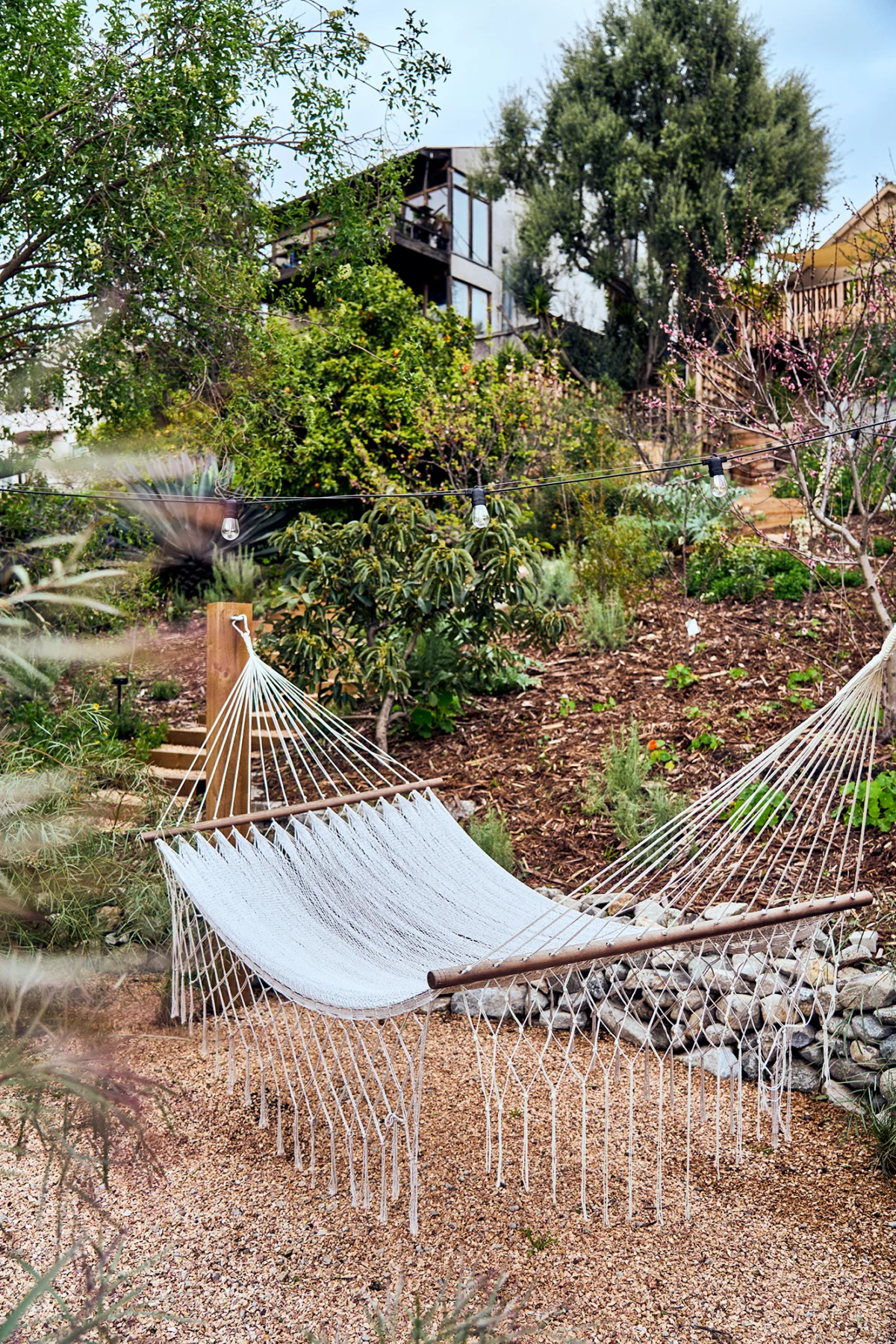
For many homeowners, a steep backyard slope is viewed as an architectural liability—a "garden headache" that defies traditional landscaping. These inclines are often perceived as dangerous to mow, impossible to plant, and perpetually vulnerable to erosion during the rainy season. However, landscape architects and environmental horticulturists are increasingly shifting the narrative: instead of fighting gravity, savvy gardeners are learning to work with it. By transitioning from high-maintenance turf to deep-rooted native ecosystems, a once-difficult slope can become the most resilient and visually compelling feature of a property.
The Paradigm Shift: Engineering with Nature
The conventional approach to a slope—leveling it, terracing with concrete, or covering it in sterile bark mulch—is rapidly falling out of favor. These methods often fail to address the underlying issue of soil movement and runoff. A more sophisticated, modern approach involves treating the hillside as a "living system" rather than a plot of land to be conquered.
The goal is to provide "armor" for the earth. By selecting the right combination of native grasses, resilient perennials, and ground covers, property owners can create a structural foundation that secures the soil while fostering biodiversity. This process is not merely aesthetic; it is an act of ecological restoration that turns a bare, eroding grade into a thriving, self-sustaining habitat.
Chronology of a Hillside Restoration
Transforming a slope is not an overnight success story; it is a multi-year project that requires patience and adherence to natural cycles.
Phase 1: The Planning and Assessment (Months 0–3)
Before digging, the site must be analyzed. Not all slopes are created equal. Professionals evaluate sun exposure, soil composition, and the degree of the grade. A south-facing slope will require drought-tolerant, heat-loving species, whereas a north-facing slope offers a different microclimate entirely. During this phase, erosion control blankets or temporary mulch applications are critical to holding the soil in place before the root systems have a chance to establish.
Phase 2: Strategic Planting (The First Season)
The initial planting phase focuses on "pioneer" species. Fast-growing, quick-spreading fescues and annual grasses are introduced to provide immediate surface protection. These plants serve as the "scaffolding" for the long-term perennials. This is the stage where the gardener must ensure good seed-to-soil contact, often timing the planting immediately following the first few seasonal rains.
Phase 3: The Maturation Period (Years 1–3)
While annuals offer a green appearance within months, the true structural integrity of the slope is built underground. Over the first three years, deep-rooted perennials like purple needlegrass begin to knit the soil together. During this period, the garden begins to transition from a managed landscape into an autonomous ecosystem.
Phase 4: Full Establishment (Year 3 and Beyond)
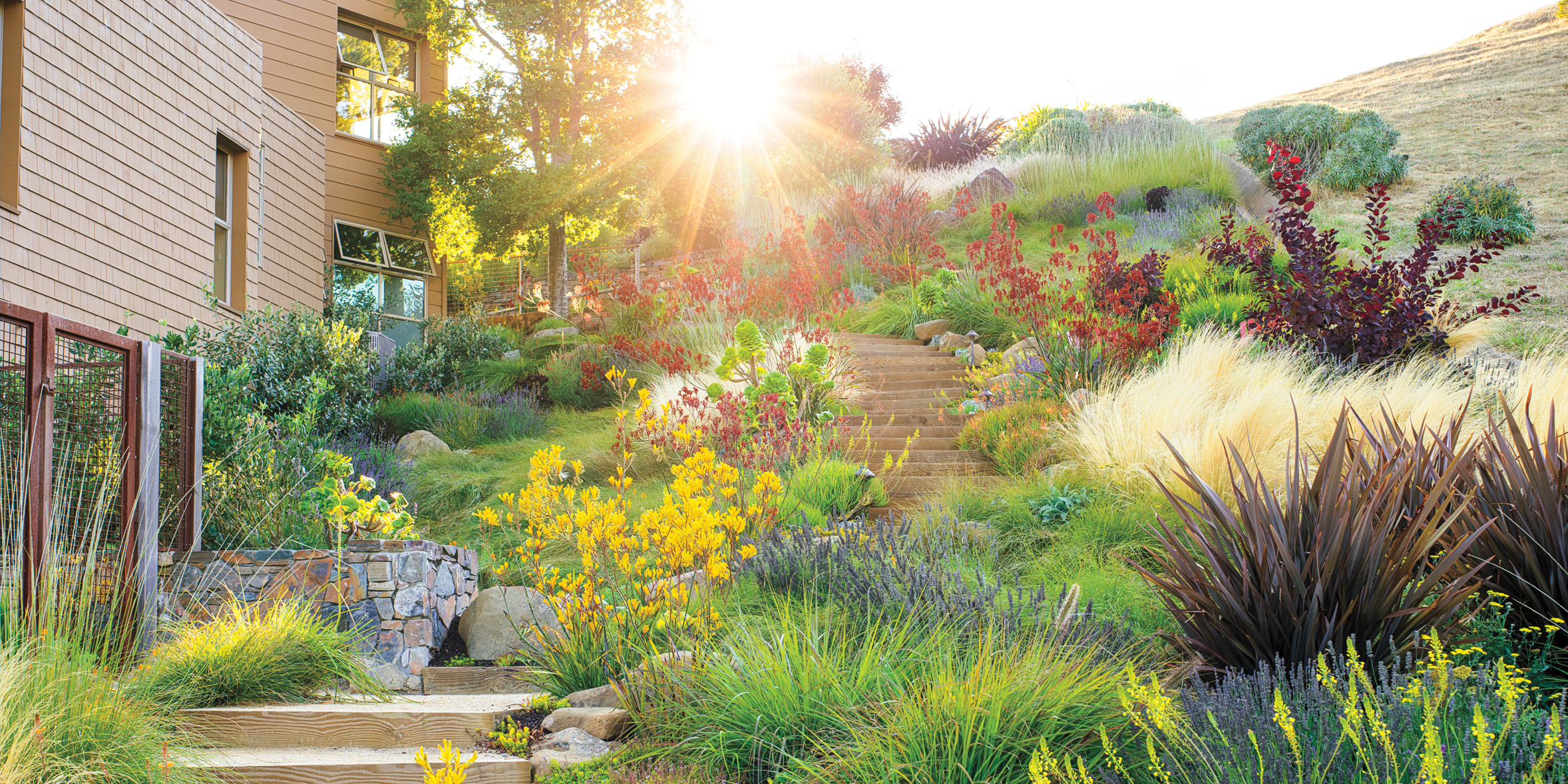
Once established, the hillside becomes largely self-sufficient. The roots are deep enough to anchor the slope against heavy rainfall, and the canopy of vegetation is dense enough to suppress weeds. At this stage, the garden operates in the background, requiring minimal intervention while providing maximum ecological and visual value.
Supporting Data: The Mechanics of Erosion Control
Why do native grasses outperform other landscaping options on a grade? The answer lies in the architecture of the root system.
The Root-Armor Effect
Unlike the shallow, fibrous roots of common turfgrass, which often extend only a few inches into the soil, native grasses—such as Stipa pulchra (purple needlegrass)—can send roots several feet deep. These roots function like subterranean anchors, binding the soil particles together and creating a reinforced lattice that prevents the slumping and sliding typical of steep landscapes.
Hydrological Benefits
A well-planted slope acts as a natural water-management system. Instead of water rushing down the incline, gathering speed and causing erosion, the dense vegetation slows the flow. This allows for better infiltration into the groundwater table and effectively filters runoff, capturing pollutants before they reach local watersheds.
Carbon Sequestration and Soil Health
Recent horticultural studies indicate that permanent, native-planted slopes are significantly more effective at carbon sequestration than traditional lawns. Because these plants are left undisturbed, the soil microbiome remains intact, allowing for a build-up of organic matter that further stabilizes the landscape and promotes the growth of beneficial insects and pollinators.
Official Perspectives: Expert Insights on Slope Management
Landscape designers emphasize that the most common mistake in hillside gardening is "trying to do too much at once."
According to experts at leading landscape firms, the priority must always be "anchor first, style later." On extremely steep grades, the mechanical act of stabilizing the earth takes precedence over floral aesthetics. Designers suggest utilizing biodegradable jute netting or straw wattles to hold mulch and seeds in place until the root systems take hold.
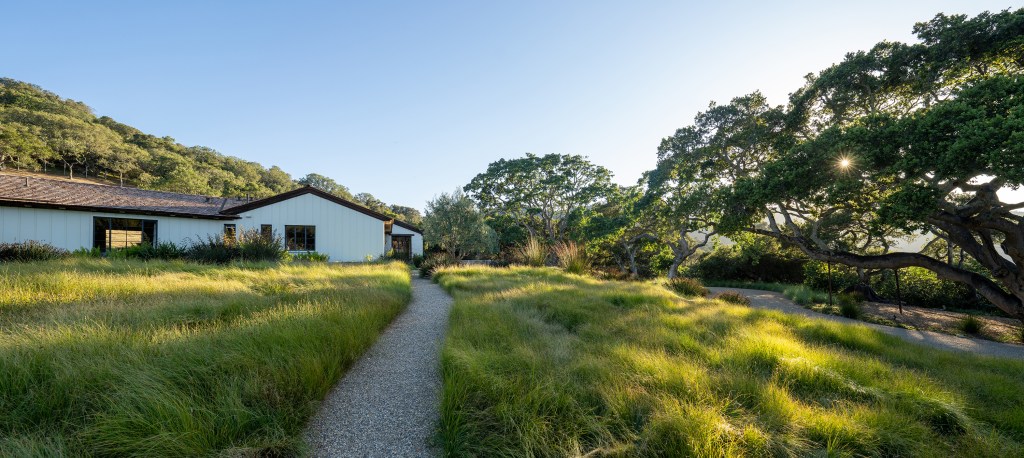
Furthermore, there is a strong professional push toward "site-responsive" planting. Using non-native, water-hungry plants on a slope is a recipe for disaster; when these plants die during a dry spell, they leave the hillside barren and vulnerable to mudslides. Utilizing native species that have evolved to withstand the local climate ensures that the "armor" of the hillside remains robust regardless of weather extremes.
Implications: The Long-Term Value of "Lazy" Landscapes
The shift toward native slope restoration has profound implications for both individual homeowners and the wider community.
Economic Sustainability
While the initial investment in native plants and soil stabilization may be higher than simply planting turf, the long-term cost savings are substantial. Once established, native slopes require significantly less water, fewer fertilizers, and almost no mowing. For a homeowner, this represents a transition from a high-maintenance liability to an asset that appreciates in ecological value.
Environmental Stewardship
By transforming a slope into a meadow or a native scrubland, homeowners contribute to the creation of "wildlife corridors." These patches of native habitat provide essential food and shelter for birds, pollinators, and beneficial insects. In urban and suburban environments, these pockets of biodiversity are critical for maintaining the health of the local ecosystem.
The Aesthetic of Authenticity
There is a growing appreciation for the "messy beauty" of native landscapes. As public taste moves away from the rigid, artificial aesthetic of the traditional manicured lawn, the layered, textural look of a native slope is becoming a hallmark of high-end landscape design. A hillside covered in blooming native perennials and swaying grasses offers a dynamic, seasonal beauty that a static, flat lawn simply cannot replicate.
Conclusion: Embracing the Slope
The challenge of a hillside is not a sign that the land is "wrong," but rather an invitation to engage with it on a deeper level. By mimicking the strategies of nature—using deep roots to bind soil, selecting site-appropriate species to ensure survival, and allowing the ecosystem time to mature—gardeners can turn a point of anxiety into a point of pride.
A slope, when treated with respect and scientific foresight, becomes more than just a piece of land. It becomes a living, breathing component of the landscape that mitigates erosion, restores natural water cycles, and supports the delicate web of life. In the quiet transition from a "problem area" to a thriving meadow, we find the core philosophy of modern, sustainable gardening: the best landscapes are those that do the hard work of nature, allowing us the time to simply enjoy the view.
