

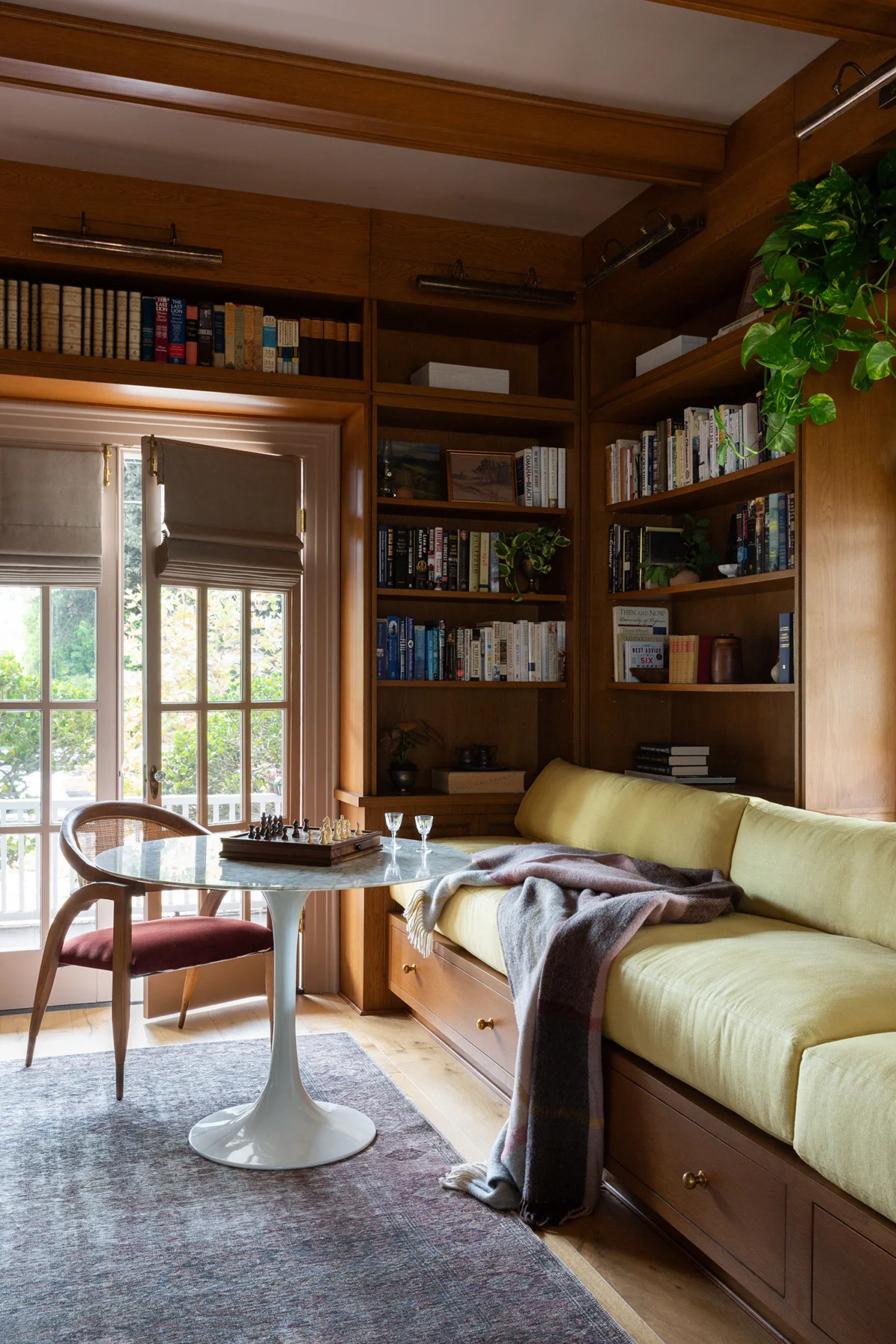
In an era defined by perpetual connectivity and the relentless hum of digital noise, the concept of home is undergoing a fundamental shift. For many, the residence is no longer merely a site of utility or entertainment; it is evolving into a bastion of psychological refuge. A growing design movement, championed by mental health professionals and interior designers alike, posits that carving out intentional, dedicated spaces for "self-care architecture" can drastically improve emotional regulation.
At the heart of this trend is the "calm corner"—a small, curated micro-environment designed specifically to facilitate an emotional reset. By integrating the principles of art therapy with intentional interior design, experts are showing homeowners how to transform underutilized square footage into a restorative sanctuary.
The Genesis of the Calm Corner: Merging Wellness with Design
The emergence of the calm corner is not merely an aesthetic preference; it is a response to the "overstimulation epidemic." According to Dr. Eleni Nicolaou, a PhD-level art therapist and creative wellness expert at Davincified, the human brain requires physical anchors to transition from a state of "doing" to a state of "being."
"A calm corner acts as a visual and tactile cue for the nervous system," Dr. Nicolaou explains. "When we designate a specific spot for rest, we begin to build a conditioned response. Over time, simply approaching that space signals to the brain that it is time to decompress, lower cortisol levels, and engage in reflective thought."
This perspective is bolstered by industry professionals who see the trend manifesting in high-end residential projects. Alexandra Azat, principal of the Los Angeles-based design firm Plaster & Patina, notes that the request for "cozy, curl-up" spaces has become a standard feature in her recent commissions.
"Our clients are increasingly vocal about the need for spaces that allow them to feel grounded," says Azat. "The world feels chaotic, and our design philosophy is shifting from ‘showcase homes’ to ‘supportive homes.’ Whether it’s a reading nook or a meditation alcove, the goal is to create an environment where a client can breathe deeply and feel entirely at ease."
Chronology of the Trend: From Minimalist Nooks to Restorative Hubs
The evolution of this design trend can be traced through the following developmental phases:
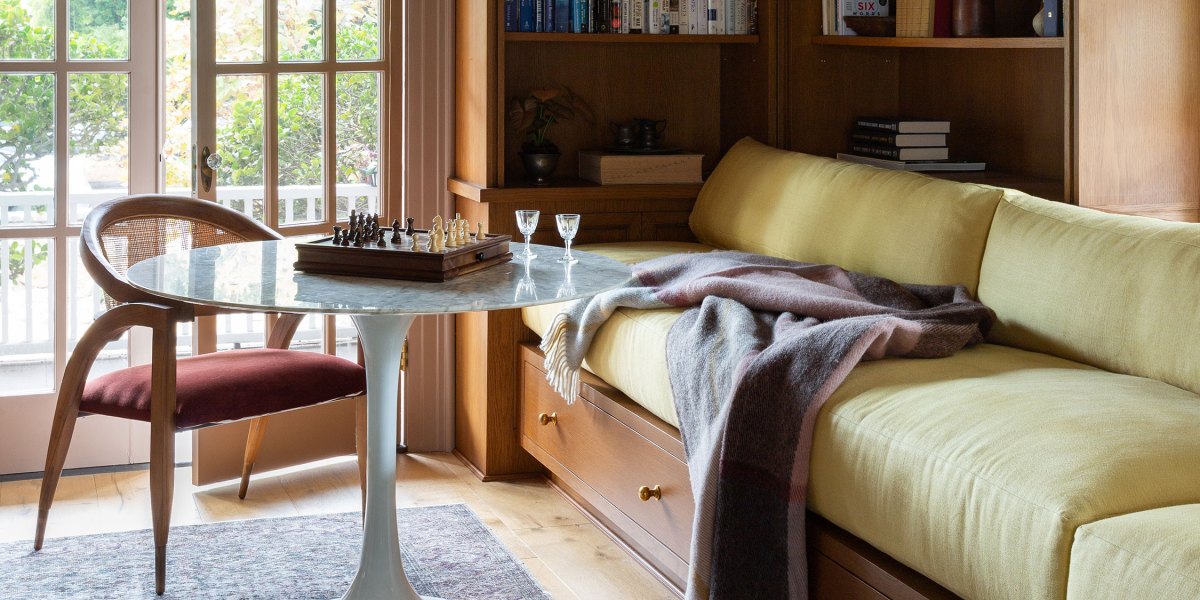
- Phase 1: The Minimalist Movement (2018–2020): The early focus was on decluttering. The "less is more" philosophy encouraged people to strip away distractions to create clean, empty spaces. While visually appealing, these spaces often lacked the "warmth" required for deep psychological comfort.
- Phase 2: The Pandemic Reset (2020–2022): As home offices became ubiquitous, the line between work and leisure blurred. The necessity of creating "boundary zones" became apparent, leading to the rise of the home library or the "zoom-free" zone.
- Phase 3: The Holistic Integration (2023–Present): Today, the trend has matured. It is no longer just about removing clutter; it is about the active curation of sensory experiences—using light, texture, and furniture placement to foster a state of mindfulness.
Supporting Data: The Science of Spatial Psychology
The effectiveness of a calm corner is rooted in the field of environmental psychology. Studies have consistently shown that our physical surroundings influence our physiological state.
- The Biophilic Effect: Research indicates that proximity to natural elements (biophilia) reduces stress. A corner featuring a houseplant or natural wood textures can reduce heart rate and blood pressure by up to 10% compared to sterile, synthetic environments.
- Sensory Overload Mitigation: The human brain processes millions of bits of information per second. By minimizing visual "noise" (clutter, high-contrast patterns, and flickering screens), we reduce the cognitive load, allowing the prefrontal cortex to rest.
- The Association Mechanism: Behavioral psychologists highlight the power of "stimulus control." By restricting a specific activity (like resting) to a specific place, we strengthen the neural pathways associated with that activity, making it easier to enter a calm state faster with every subsequent visit.
Expert Guidelines: Designing Your Restorative Sanctuary
Creating a calm corner does not require a massive renovation budget or a dedicated spare room. Both Dr. Nicolaou and Azat offer the following professional framework for design.
1. Strategic Location Selection
Do not force a calm corner into a high-traffic zone. "A corner near a bedroom window or the quieter periphery of a living room is ideal," says Dr. Nicolaou. Avoid areas that face the "work triangle" of your home—such as your desk or a busy kitchen—to prevent the brain from subconsciously pivoting back to your to-do list.
2. Eliminating Digital Interference
The calm corner must be a "zero-screen zone." Electronics act as magnets for "unfinished business"—emails, social media, and news cycles. Keep this space analog. A physical book, a sketchbook, or a journal are the only tools that should reside here.
3. The Psychology of Contrast
Designers often warn against high-contrast color palettes in relaxation spaces. "The less visual contrast in a room, the more peaceful it feels," Azat notes. "When the eye isn’t constantly being drawn to specific, jarring elements, the brain is allowed to drift into a resting state." Stick to tonal, monochromatic, or earthy color schemes to minimize visual stimulation.
4. Furniture and Flow
Furniture placement is a matter of security. "Avoid sitting with your back to a large opening or a high-traffic doorway," advises Azat. This is a subtle application of "prospect and refuge" theory—the evolutionary preference for sitting in a secure spot where one can see the room without being vulnerable.
5. Layered Lighting
Natural light is the gold standard, but it is not always available. Azat recommends layering light sources, starting from the ceiling and moving downward. Use floor lamps or wall sconces with warm-toned bulbs rather than harsh overhead LEDs. If your corner receives too much glare, use sheer drapery to diffuse the sunlight into a softer glow.
6. Tactile Comforts and Sensory Cues
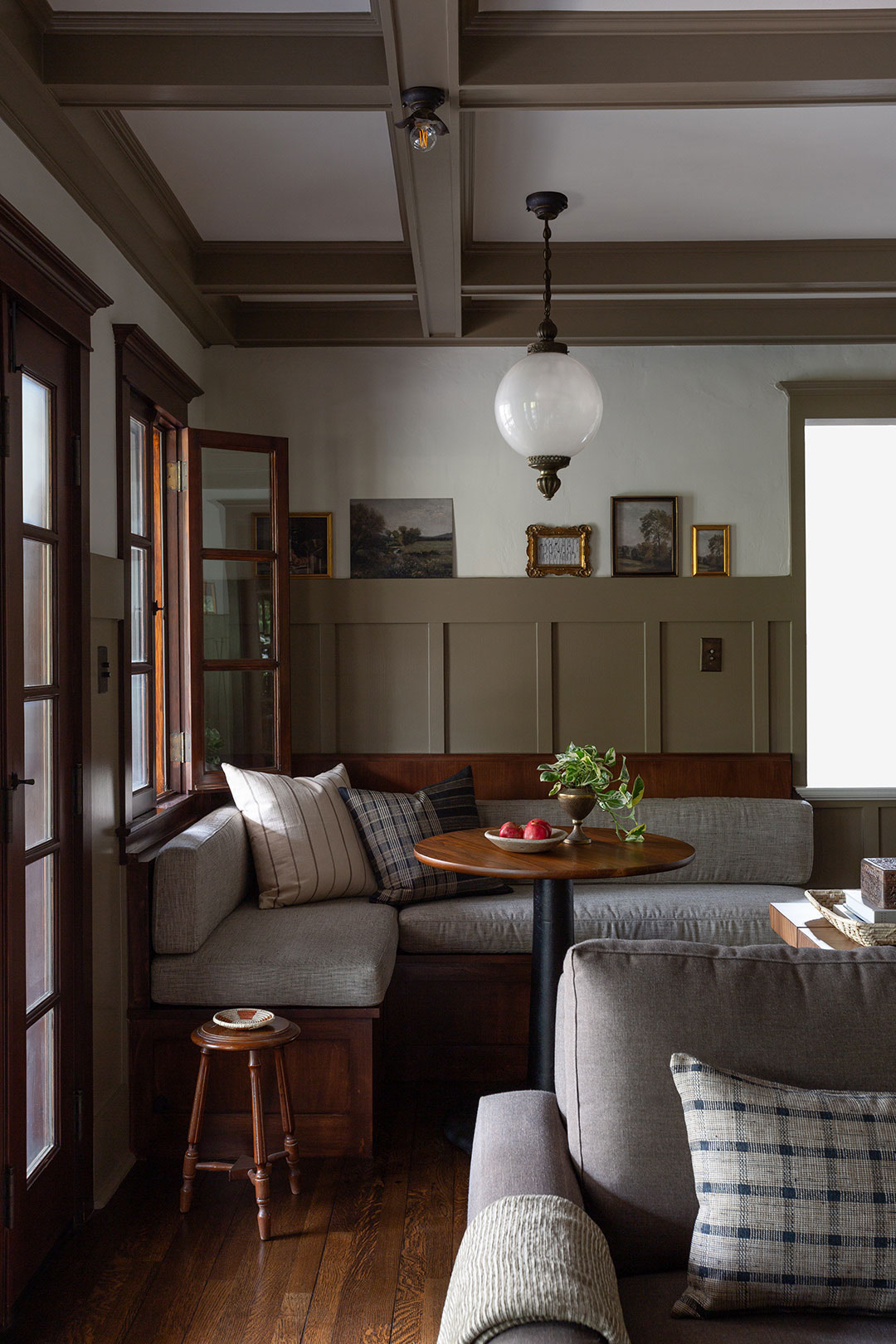
Art therapy emphasizes that what we touch impacts how we feel. Incorporating varied textures—such as a wool throw, a velvet cushion, or a piece of polished wood—can help ground you. These soft surfaces also serve a secondary purpose: they absorb sound, reducing the "auditory noise" that often contributes to anxiety.
Implications for Modern Living
The rise of the calm corner reflects a broader cultural realization: we cannot pour from an empty cup. As the boundaries between professional and personal life remain porous, the home must act as a filter.
For the average homeowner, the implications are clear: you do not need a luxury spa or a sprawling mansion to practice self-care. By dedicating a few square feet to the principles of intentionality, you create a tangible asset for your mental health.
"Consistency is the secret ingredient," Dr. Nicolaou concludes. "If you spend just five to ten minutes in your corner every day, you are essentially training your brain to switch gears. It becomes a ritual—a daily homecoming to yourself."
In a world that demands constant output, the calm corner offers a radical, necessary invitation: to stop, to breathe, and to simply be. Whether it is a sun-drenched chair in the corner of a living room or a cushioned nook in a quiet hallway, the sanctuary you create today will serve as the emotional foundation for your resilience tomorrow.
