

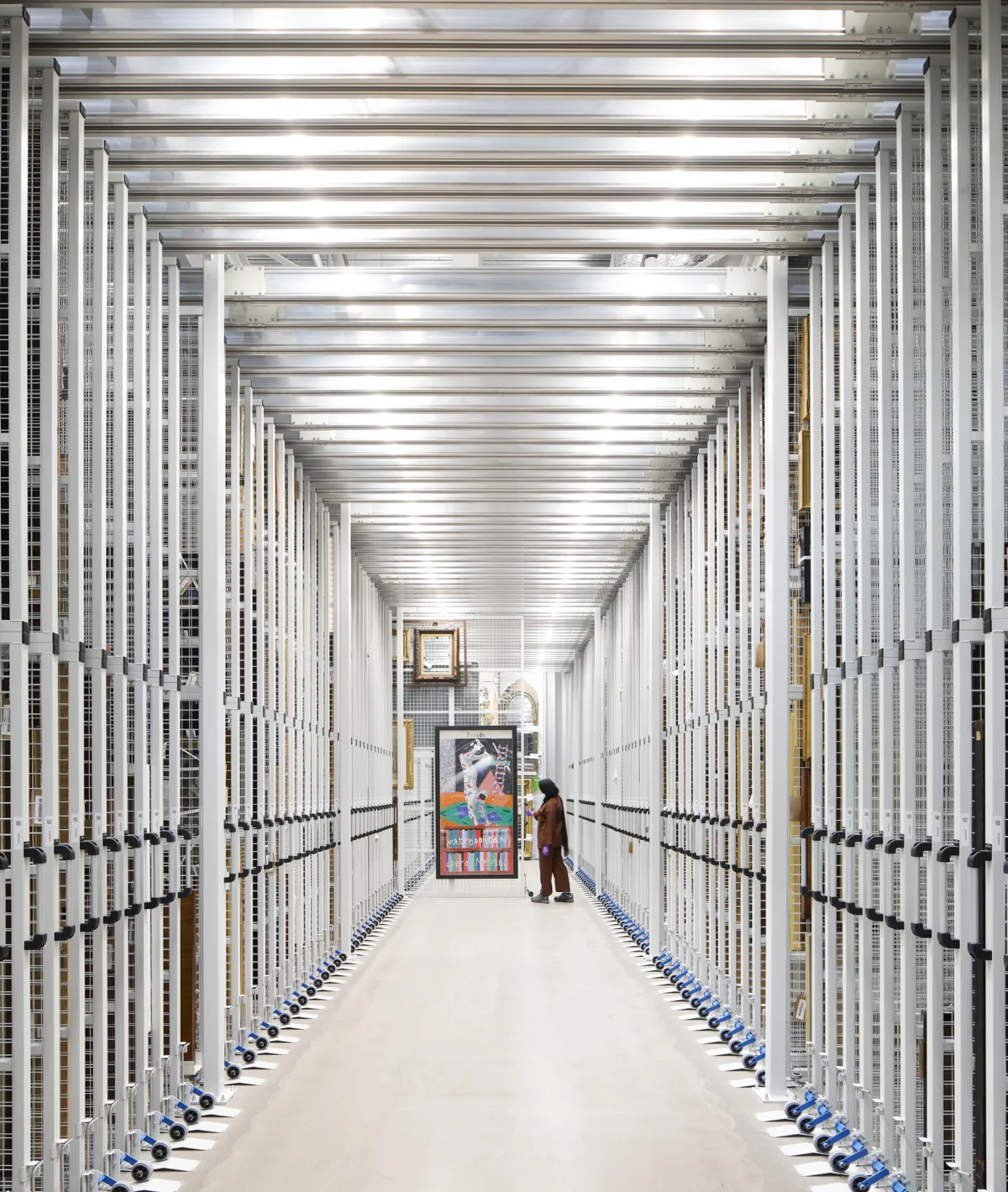
In a significant eleventh-hour development for London’s cultural sector, the Victoria and Albert Museum (V&A) has successfully averted a planned walkout across its four major sites. The suspension of industrial action, announced early this week, follows a flurry of last-minute negotiations mediated by the Advisory, Conciliation, and Arbitration Service (Acas). The decision brings a temporary reprieve to the world-renowned institution, which had been bracing for a two-day strike that threatened to disrupt operations at its historic South Kensington flagship and its rapidly expanding East London outposts.
The dispute, spearheaded by the Prospect and Public and Commercial Services (PCS) unions, has highlighted the growing friction between the escalating cost-of-living crisis and the operational demands placed upon staff within the UK’s publicly funded arts sector. While the immediate threat of picket lines has been lifted, the underlying tensions regarding workplace conditions and compensation remain a focal point of intense scrutiny.
The Core Conflict: A Snapshot of the Dispute
The conflict between the V&A management and its unionized workforce centers on three primary pillars: remuneration, institutional accreditation, and working conditions. The unions, representing a broad cross-section of museum staff, have articulated a clear list of demands that reflect the broader economic pressures facing London’s workforce.
At the heart of the dispute is a demand for a 4% pay increase for staff already earning above the national living wage—a figure the unions argue is necessary to offset record inflation. Beyond immediate salary hikes, the unions have insisted that the V&A commit to becoming an officially accredited "London Living Wage" employer within the next 12 months. This accreditation is a hallmark of ethical employment in the capital, ensuring that wages reflect the actual cost of living in one of the world’s most expensive cities.
Finally, the unions have called for a standardized time-and-a-half pay rate for all staff required to work on bank holidays. This request is framed as a matter of fairness, acknowledging the sacrifice of personal time during public holidays that are essential to the museum’s peak visitor traffic.
Chronology of Escalation: From Frustration to Mediation
The path to this week’s suspended strike was marked by a steady escalation of grievances.
- Initial Discontent: Throughout late summer and early autumn, whispers of industrial action grew as staff reported that existing pay structures were failing to keep pace with the economic reality of London.
- The "V&A East" Crisis: Tensions reached a boiling point with reports from the V&A East Storehouse—the institution’s newest facility. Staff alleged that the working environment was untenable, with claims of employees fainting due to insufficient water breaks and inadequate climate control, suggesting that the drive to expand the museum’s footprint had come at the expense of staff welfare.
- Strike Authorization: In response to these reports and the lack of movement on pay, PCS and Prospect members held formal ballots. The resulting mandate for strike action was overwhelming, signaling deep-seated dissatisfaction among the museum’s frontline workers.
- The Deadline: Strike dates were set for Thursday and Friday, potentially forcing the closure of both the iconic South Kensington galleries and the new East London sites, including V&A East and the Young V&A.
- Acas Intervention: With only days remaining, the Advisory, Conciliation, and Arbitration Service (Acas) stepped in. Following the submission of an improved offer from management, the unions announced on Monday that the strikes would be suspended to facilitate formal, mediated talks.
Supporting Data: The Economic and Human Cost
The dispute at the V&A is emblematic of a broader struggle across the UK’s heritage sector. Data from the Office for National Statistics (ONS) has consistently shown that while the culture and arts sector contributes billions to the UK economy, the average wage growth for museum professionals has lagged behind the private sector.
The specific allegation of fainting at the V&A East Storehouse has served as a flashpoint for the discussion on working conditions. The facility, designed to house the museum’s massive collection in a modern, high-tech environment, was intended to be the jewel in the V&A’s crown. However, union representatives argue that the "infrastructure of excellence" has not been matched by an "infrastructure of care."
Furthermore, the demand for London Living Wage accreditation is supported by economic data suggesting that without such standards, workers in the arts sector are increasingly susceptible to precarious financial positions. As the V&A prepares for its next phase of development, these labor statistics provide a sobering context for the museum’s leadership, who must balance a global reputation for excellence with the duty of care toward the staff who facilitate it.
Official Responses: Reconciling Divergent Perspectives
The response from both the V&A management and the union leadership suggests a cautious optimism, though the rhetoric reveals the significant distance that remains to be bridged.
The V&A Management Position
A spokesperson for the museum issued a statement emphasizing a commitment to constructive dialogue. "We welcome this opportunity for constructive discussions with our trade union colleagues," the spokesperson noted. The museum outlined a comprehensive package, which includes:
- An average pay rise of 4.18%.
- A 6.9% increase for the lowest-paid employees.
- The implementation of a 1.5x multiplier for bank holiday pay.
- A "sector-leading" bonus scheme and subsidized staff meals.
The museum’s leadership is clearly attempting to frame their offer as generous within the constraints of their current budget, highlighting the subsidized food and bonus structures as evidence of their commitment to staff wellbeing.
The Union Perspective
The PCS and Prospect unions have maintained a measured stance. While they have agreed to pause the strike, they remain firm in their resolve. A PCS spokesperson emphasized that they are "entering talks in good faith and hope that a resolution to the dispute can be found." The union’s willingness to pause the action serves as a strategic move; by allowing the Acas-facilitated talks to proceed without the immediate pressure of picket lines, they are signaling a desire for a long-term settlement rather than a short-term publicity win.
Implications: The Future of Cultural Labor
The implications of this standoff extend well beyond the halls of the Victoria and Albert Museum. As a premier cultural institution, the V&A is often seen as a bellwether for the rest of the sector. If the museum can reach a sustainable agreement with its unions, it may establish a new benchmark for pay and conditions in the arts.
Impact on Visitor Experience
The suspension of the strike is a significant win for the public, particularly as the museum enters a busy season. The potential closure of four sites would have been a major blow to London’s tourism and educational infrastructure. For the millions who rely on the V&A for research, school trips, and leisure, the continuity of service is a relief.
The Institutional Reputation
For the V&A, the reputational risk of the strike was substantial. The museum prides itself on being a site of historical preservation and social value. Stories of staff fainting or feeling undervalued sit in direct contradiction to the image of an institution that champions human creativity and dignity. Management is clearly aware of this, as evidenced by their inclusion of specific welfare measures in their latest offer.
The Precedent for Other Institutions
Other national museums, including the British Museum and the Natural History Museum, will be watching these negotiations closely. With the cost of living remaining a primary concern for workers across the UK, the success of the V&A’s unionized staff could trigger a wave of similar negotiations across the sector.
Conclusion: A Delicate Balance
The situation at the V&A remains fluid. While the suspension of the strike is a positive development, it is merely the beginning of a complex negotiation process. The museum faces the dual challenge of maintaining its status as a world-class institution while ensuring that its workforce—the very people who preserve and present its treasures—is adequately rewarded and protected.
As Acas facilitates the coming days of discussion, the focus will shift from the mechanics of the strike to the substance of the contract. The outcome will likely depend on whether the museum can reconcile its budgetary limitations with the moral and professional necessity of providing a fair wage and a safe, sustainable working environment. For now, the galleries remain open, and the dialogue continues—a testament to the ongoing importance of labor rights in the heart of London’s cultural life.
