

As October wanes, the cultural pulse of New York City is oscillating between the macabre festivities of Halloween and the profound gravity of the upcoming midterm elections. The intersection of art, politics, and historical legacy has never felt more acute. This week, we navigate the landscape of a city in transition—examining the role of museums as democratic conduits, the shifting narratives of iconic figures, and the persistent, often exclusionary, definitions of an artist’s “prime.”
The Museum as a Civic Pillar: Voting at The Met
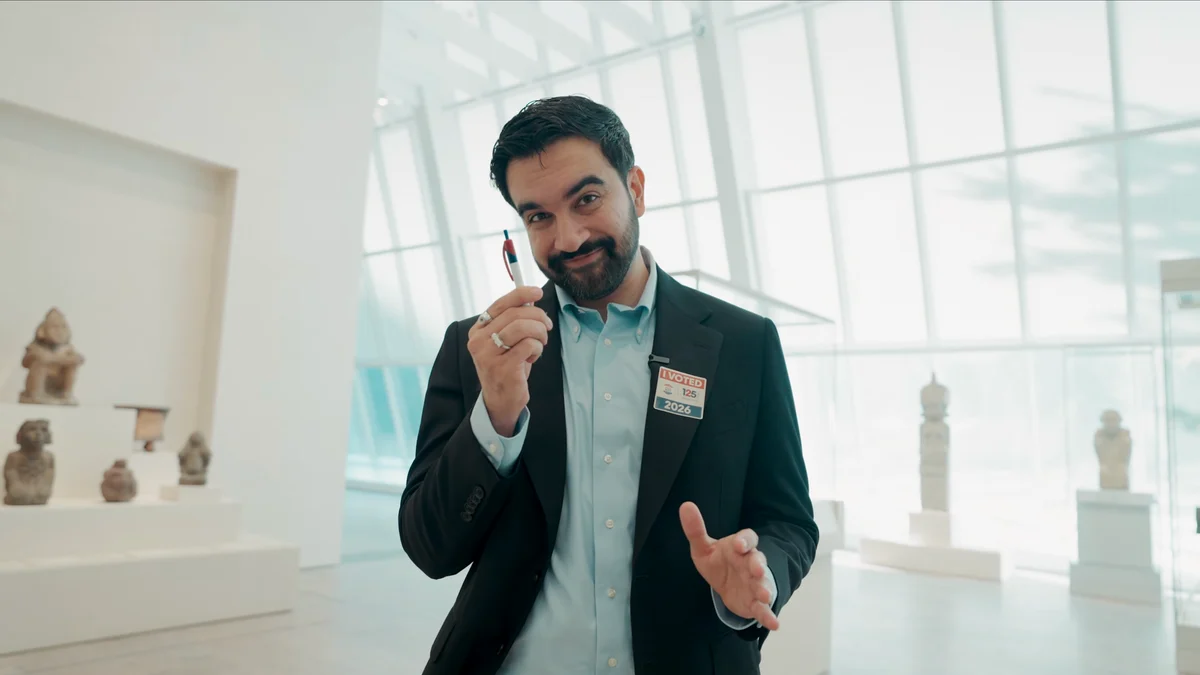
Perhaps the most striking development in New York’s cultural sector is the transformation of prestigious institutions into hubs of civic participation. In a poignant display of institutional responsibility, Mayor Mamdani recently cast his ballot at The Metropolitan Museum of Art. The Met is among a select group of New York City cultural landmarks serving as official polling sites for the midterm elections.
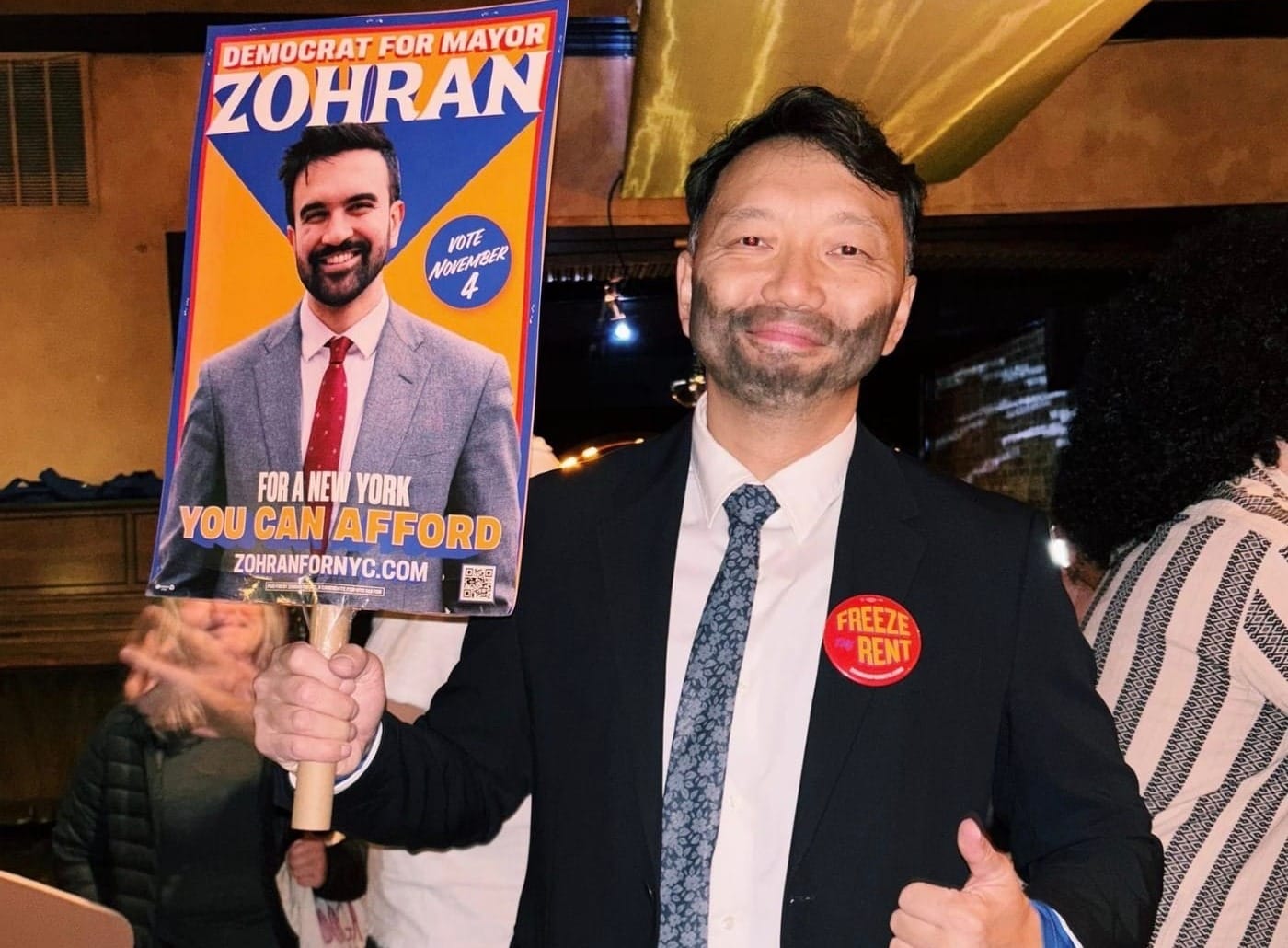
This shift represents a departure from the traditional, sequestered role of the museum. By integrating the democratic process into the gallery space, these institutions are signaling that the preservation of history and the active creation of the future are not mutually exclusive pursuits. As voters queue past centuries of artistic achievement to reach the ballot box, the juxtaposition serves as a reminder that the health of our democracy is, in itself, a work of collective art.
Chronology of a Season: Spooks, Spirits, and Screenplays
The cultural calendar this week is defined by a series of events that bridge the gap between historical memory and contemporary creative output:

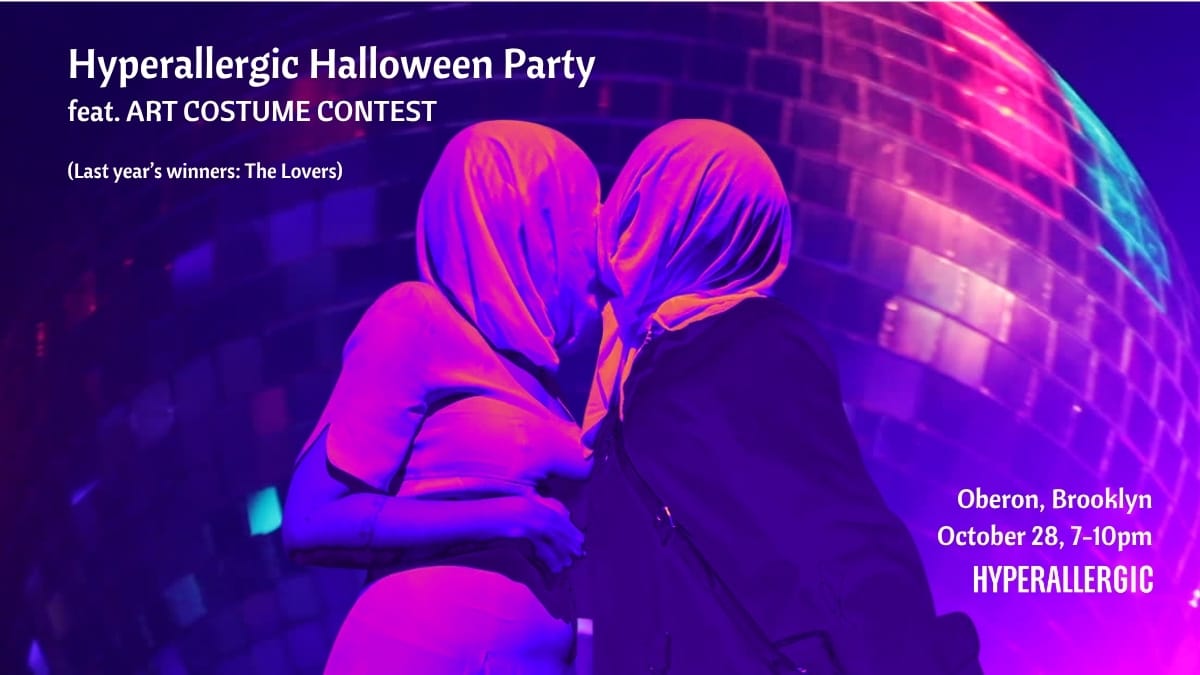
- October 28: Hyperallergic’s annual Halloween soirée brings together the city’s creative class for an evening of costume-driven revelry. The event serves as a fundraiser and a community anchor, highlighting the importance of play in a high-pressure industry.
- Día de Muertos: Powerhouse Arts, in collaboration with the Mexico-based Mestiz Studio, has unveiled an expansive ofrenda at the Flatiron North Plaza. This installation acts as a sacred space for the public to honor ancestors, grounding the frantic pace of Manhattan in a moment of communal reflection.
- The Basquiat Biopic: Hollywood’s long-standing fascination with the 1980s New York art scene continues with the announcement that Kid Cudi is slated to star as Jean-Michel Basquiat in the upcoming film, JEAN. While production is slated for next year, the project has already ignited conversations regarding the ethics of biographical storytelling and the preservation of the "Downtown" legacy.
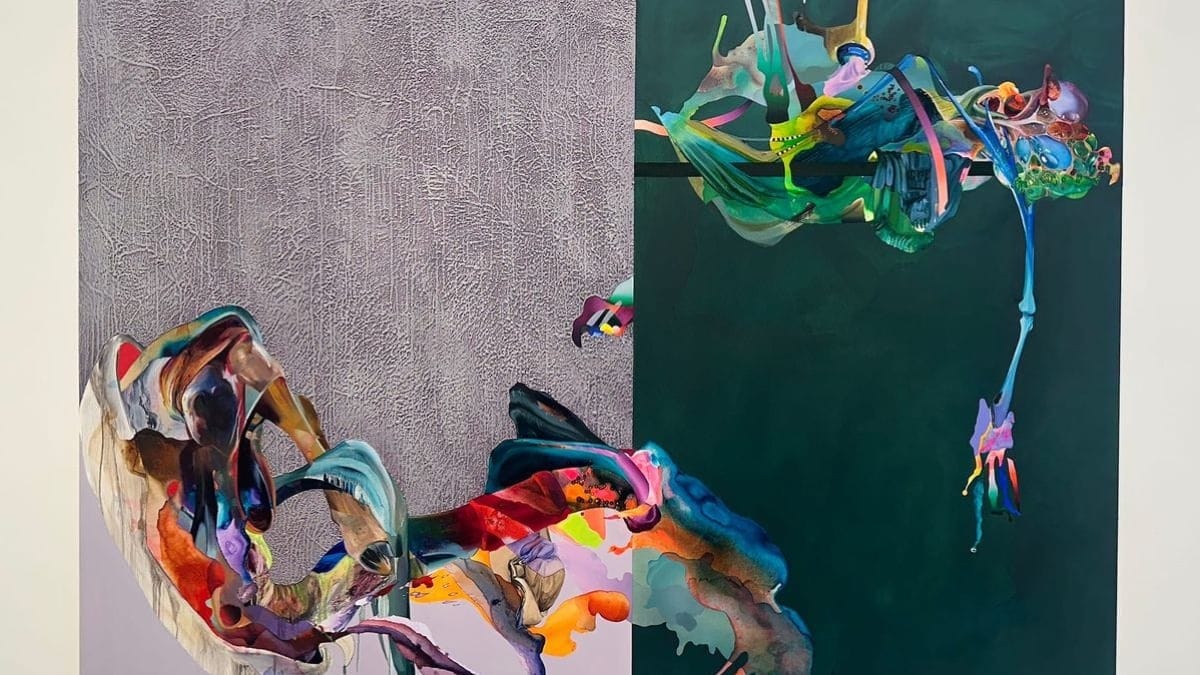
- Closing Windows: The Marc Straus Gallery prepares to conclude The Prime of Your Life this Saturday, marking the end of a critical exhibition that has challenged the industry’s ageist and gendered benchmarks for success.
Defining the "Prime": The Gendered Politics of Age
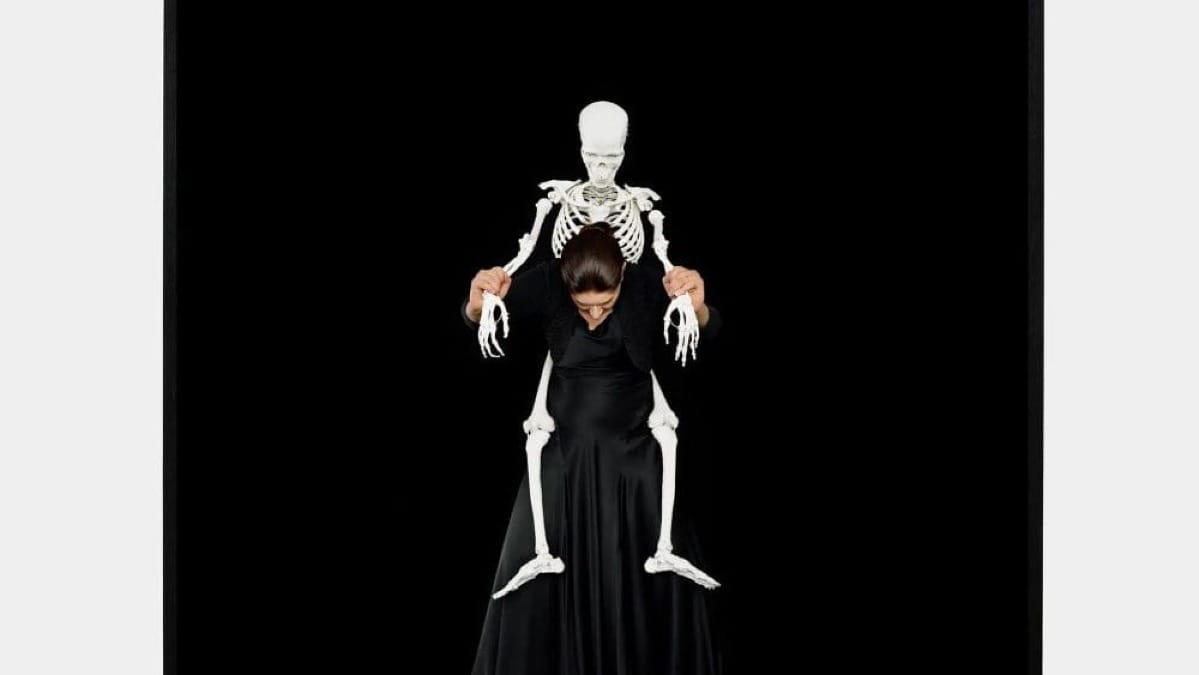
A central tension in the current art discourse is the definition of an artist’s "prime." Marilyn Minter famously quipped that "the art world loves young bad boys and old ladies," a sentiment that The Prime of Your Life at the Marc Straus Gallery seeks to dismantle—or at least interrogate.
Featuring 18 women artists over the age of 75, the exhibition forces a confrontation with the market’s historical tendency to ignore women artists for decades, only to celebrate them when they reach seniority. Curator and contributor Leah Triplett Harrington notes that the show provides less of a unified "generational statement" and more of a critical inquiry into feminist art history. The core question remains: If a woman’s work is only valorized by museums and the market in her twilight years, can we truly identify a "prime," or are we witnessing a systemic failure to recognize genius in real-time?
Supporting Data and Critical Perspectives
The current exhibition landscape is rich with critical inquiry, as evidenced by recent reviews in Hyperallergic:
- The "Costume Art" Conundrum: Natalie Haddad’s critique of The Met’s Costume Art exhibition suggests a failure of both theory and practice. Haddad argues that for an exhibition with a deceptively simple title, the execution is muddled and conceptually problematic, highlighting the difficulty even the most powerful institutions face when attempting to categorize the fluid boundaries of dress and art.
- Esoteric Art as Resistance: Eliza Swann’s review of Conduits of the Unseen: Women Artists Imagine Other Worlds at the Andrew Edlin Gallery posits that occult-themed art is moving beyond aesthetic novelty. The exhibition highlights the role of mediumistic work in challenging patriarchal social hierarchies, emphasizing that this art is designed to serve something greater than the individual self.
- The Anatomy of Despair: Dan Schindel’s reflection on Fred Camper’s Suicide Note serves as a stark reminder of the artist’s role in depicting the "failure of the self." Camper’s work, centered on the crushing weight of depression in 1970s New York, remains a vital exploration of the human condition.
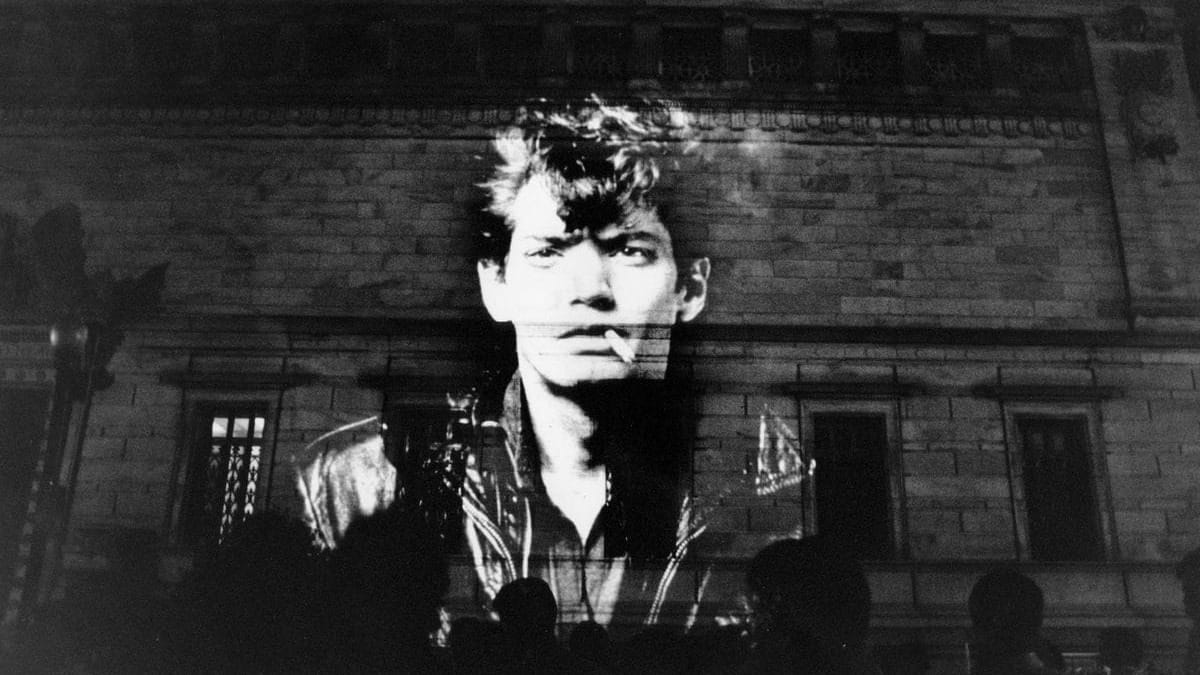
- The History of Culture Wars: Martha Wilson’s appraisal of Isaac Butler’s The Perfect Moment serves as a sobering historical touchstone. The book recounts the 1980s and 90s culture wars—specifically the attacks on Robert Mapplethorpe—reminding us that the present-day struggles for freedom of expression are part of a cyclical, recurring battle.
Official Responses and Institutional Implications
The decision by museums to open their doors as polling sites is not merely a logistical convenience; it is a profound institutional statement. By facilitating the vote, these museums are moving away from the "ivory tower" model of curation.
Similarly, the collaboration between Powerhouse Arts and Mestiz Studio reflects a shift toward global, cross-cultural institutional partnerships. By prioritizing an ofrenda—a practice rooted in community and grief—over a traditional exhibition, the institution is ceding space to the public to define what is meaningful to them.
However, the criticisms leveled at The Met regarding its Costume Art exhibition suggest that institutions still struggle with internal consistency. When a museum with the resources of The Met fails to deliver a coherent narrative, it invites a broader conversation about whether these spaces are becoming too sprawling, or perhaps too detached from the very cultures they attempt to categorize.
Future Outlook: Advocacy and Education
As we look toward the end of the year, the focus for the arts community remains on sustainability—not just in the environmental sense, but in the institutional sense. The announcement of a fully funded interdisciplinary MFA program at the University at Buffalo serves as a critical counter-narrative to the rising costs of creative education. By removing financial barriers, such programs ensure that the "next generation" of artists is not limited to those with existing wealth.
The coming months will likely see a continued emphasis on the intersection of the personal and the political. As we move past the theatrics of Halloween and into the final stretch of the year, the art world appears to be grappling with a necessary question: How do we build a future that remembers its past, supports its aging voices, and remains accessible to the civic life of the city?
Whether it is through the lens of a biopic, the quiet reflection of an ofrenda, or the act of casting a ballot, the art world in New York is proving that its most important work is not just hanging on a wall—it is occurring in the spaces between the galleries and the city streets.
Reminder to our readers: As the season changes and the flu season approaches, keep your immune systems strong, and as always, remember to floss. We look forward to seeing you at our upcoming Halloween celebration, where we will be documenting the most inspired costumes of the year.
