

For decades, the iconic red-and-white bucket of Colonel Sanders has been a symbol of American fast-food dominance across the globe. With over 27,000 locations spanning 145 countries, KFC has successfully embedded itself into the culinary fabric of nations as diverse as China, Japan, and New Zealand. Yet, one notable omission from this global map has remained: Norway. That is finally set to change.
In a strategic maneuver that marks a significant shift in the Nordic fast-casual landscape, the Apollo Group—a seasoned European franchisee—has announced its intention to bring the KFC brand to Norway. This expansion is not merely a new store opening; it is a full-scale market entry supported by the acquisition of a local incumbent.
The Core Strategy: A Hostile Takeover of the Market Niche
The mechanism behind this entry is a calculated acquisition. Apollo Group has purchased Fly Chicken, a homegrown Norwegian chain founded in 2018. The plan is to convert the majority of Fly Chicken’s 19 existing locations into KFC restaurants.
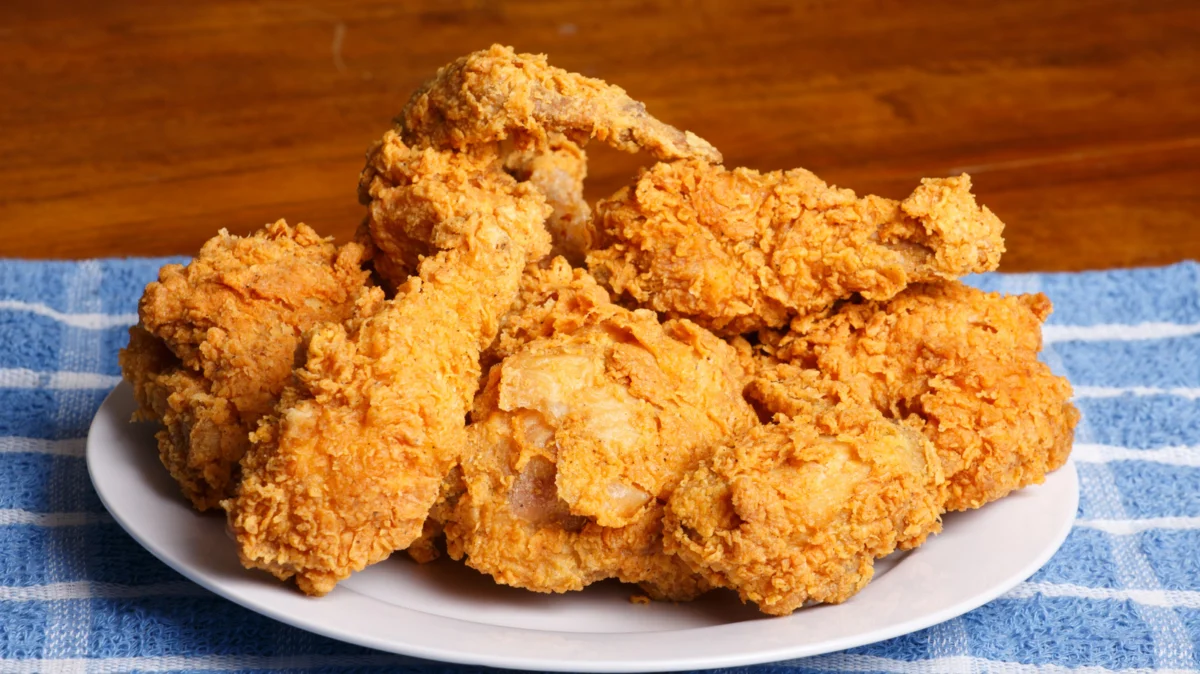
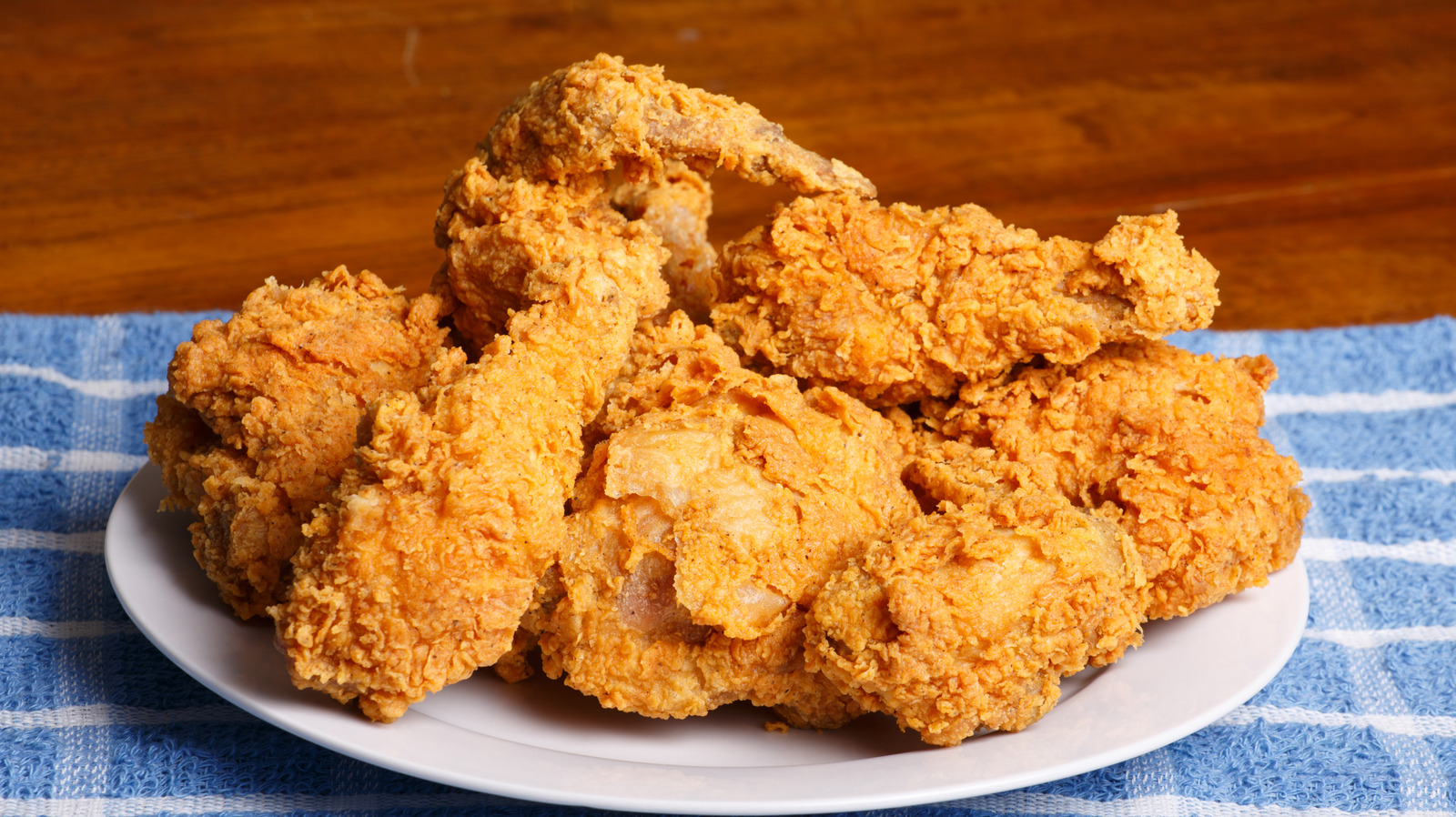
Fly Chicken currently occupies a specific niche in the Norwegian market, serving fried chicken, chicken sandwiches, and loaded fries. However, its menu structure differs significantly from the American KFC model. While Fly Chicken focuses primarily on legs, wings, and tenders, the KFC conversion will bring the "Colonel’s 11 herbs and spices" to the masses, introducing a wider variety of chicken pieces—subject to the specific regional adaptations typical of European KFC operations.
A Chronology of the Nordic Fried Chicken Landscape
The fried chicken market in Norway has historically been fragmented and surprisingly underdeveloped for a Western European nation.
- 2017: The establishment of "Crispy Fried Chicken" marks a turning point, with the brand positioning itself as the first dedicated fried chicken chain in the country. It has since grown to 18 locations, focusing on a menu of nuggets, wings, and tenders.
- 2018: Fly Chicken is founded, rapidly expanding to 19 locations across nine Norwegian cities, with a heavy concentration in the capital, Oslo.
- 2019: Apollo Group begins its franchise partnership with KFC, marking its debut in the Baltic states.
- 2024: The acquisition of Fly Chicken by Apollo Group is finalized, signaling the imminent arrival of the KFC brand in Norway.
- 2025–2030 (Projected): A five-year expansion plan is set in motion, with additional locations expected to be rolled out across the country following the initial rebranding of the Fly Chicken sites.
Supporting Data: Why Norway?
To the casual observer, the delay in KFC’s entry into Norway might seem curious, given the country’s high disposable income and affinity for American food culture. However, the business case for this expansion rests on clear demographic and market data.
Norway has a population of approximately 5.6 million people. While this is a relatively small market compared to the massive footprint of KFC in China (13,000 locations), it is highly underserved in the fast-food chicken sector. For comparison, New Zealand—which has a population of roughly 5.2 million—supports over 120 KFC locations. This ratio suggests a significant "white space" in the Norwegian market that Apollo Group intends to fill.
The investment is substantial. Apollo Group has committed 20 million euros to establish the brand. This capital injection will cover the rebranding costs, supply chain logistics, and the inevitable operational overhaul required to align the local stores with KFC’s stringent global standards.
Leadership and Official Transition
The transition is being managed with an eye toward continuity. Ronny Gjøse, the co-founder and current CEO of Fly Chicken, will remain in his role during the transition period. Gjøse’s retention is a strategic masterstroke; his deep understanding of the Norwegian fast-casual consumer, local supply chains, and regulatory environment provides a safety net for the brand as it undergoes this high-stakes transformation.
Apollo Group’s pedigree in this region cannot be overlooked. They currently operate 38 KFC locations across Finland, Estonia, Latvia, and Lithuania. Their entry into Norway makes it the fifth country in their regional portfolio, signaling a broader "Nordic-Baltic" strategy to consolidate the fried chicken market in Northern Europe.
Implications: Can the "11 Herbs and Spices" Succeed in the North?
While the brand recognition of KFC is arguably the strongest in the global fast-food industry, the transition from a local Norwegian brand to an American multinational chain is fraught with challenges.
The "Regional Taste" Dilemma
Industry analysts have noted that European KFC is not a monolith. The recipes and menu items often deviate from the American standard to suit local palate preferences and sourcing regulations. In the Baltic locations currently operated by Apollo Group, customers have noted that the chicken selection—often limited to wings, tenders, and drumsticks—differs from the breast-heavy menu found in Western markets.
Furthermore, culinary critics have pointed out that the "11 herbs and spices" formula, while globally trademarked, can taste distinctly different depending on the local franchise’s ingredient sourcing. The success of KFC in Norway will depend largely on whether they can maintain the "finger lickin’ good" reputation while navigating the expectations of a sophisticated Norwegian consumer base that is increasingly conscious of food quality and sustainability.
The Competitive Response
The arrival of a global titan like KFC will undoubtedly force existing players like "Crispy Fried Chicken" to sharpen their competitive edge. We may see a "chicken war" scenario where local brands attempt to differentiate themselves through superior sourcing (such as free-range or locally raised poultry) or more artisanal preparation methods.
Additionally, the presence of Korean fried chicken restaurants—which have gained a cult following in urban centers like Oslo—represents a different kind of challenge. These establishments often emphasize a specific style of double-fried, glaze-heavy chicken that appeals to a different demographic than the traditional American fast-food experience.
Looking Forward
As of now, the timeline for the first store opening remains fluid. No specific location has been named as the "flagship" of the Norwegian rollout, and official opening dates are pending the completion of final agreements. However, the industry expectation is that once the branding transition begins, it will move at an aggressive pace.
The entry of KFC into Norway is a classic case of market maturation. By acquiring an established player, Apollo Group has avoided the "ground-up" difficulty of establishing a supply chain and brand awareness from scratch. They are essentially purchasing a readymade customer base and a distribution network, then overlaying a globally recognized brand on top.
Whether this move will lead to a successful dominance of the Norwegian market remains to be seen. If the history of KFC’s expansion into other European markets is any indication, the brand will likely face an initial period of intense curiosity followed by a period of stabilization as it finds its place among the local dining options. For the people of Norway, the wait for the Colonel is finally ending—but the real test will be whether the product can satisfy a population that has become accustomed to a different, albeit limited, standard of fried chicken.
