

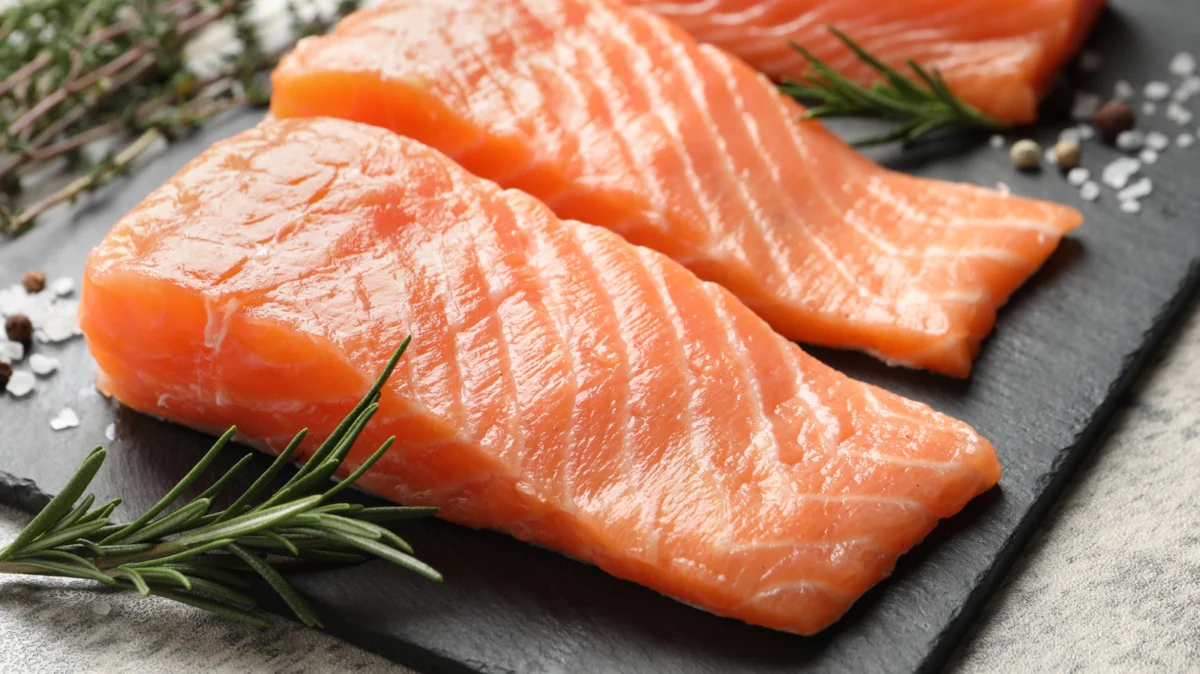
Salmon is a culinary enigma. It is arguably the most polarized protein in the modern kitchen, drawing a line between those who view it as a weeknight staple and those who find its distinct flavor profile overwhelming. Yet, for those who embrace the richness of a well-cooked fillet, salmon offers an unparalleled combination of health benefits, texture, and speed.
However, even the most dedicated salmon enthusiast can fall into a rut. When the same lemon-and-dill preparation loses its luster, the home cook is often left searching for a way to revitalize the dish without resorting to complicated techniques or obscure ingredients. Enter "Cowboy Butter"—a bold, compound butter blend traditionally reserved for heavy-duty steaks that is now proving to be the ultimate flavor upgrade for seafood.
The Core Facts: What is Cowboy Butter?
At its simplest, cowboy butter is a compound butter—a mixture of softened butter, fresh herbs, aromatics, and spices—that has been shaped, chilled, and sliced. While compound butters are a hallmark of French classical cuisine, the "cowboy" iteration leans into a more aggressive, rustic profile.
The standard composition typically includes:
- The Base: High-quality unsalted butter, softened to room temperature.
- The Acid/Tang: Dijon or whole-grain mustard, which provides a necessary acidic bite to cut through the richness of both the butter and the fatty salmon.
- The Aromatics: Minced garlic, shallots, and fresh herbs such as parsley, chives, or tarragon.
- The Heat: A proprietary blend of paprika, cayenne pepper, red pepper flakes, or even a splash of hot sauce.
Unlike delicate beurre blancs or cream-based sauces, cowboy butter is designed to be unapologetically punchy. It brings a savory, spicy, and herbaceous complexity that complements the natural, buttery fat of salmon rather than being masked by it.
Chronology of the Compound Butter Trend
The evolution of compound butter from a professional kitchen secret to a viral social media sensation has been rapid.
- Early Foundations: Historically, compound butters (or beurre composé) were used in French kitchens to finish sauces or add a final flourish to meats. They were the mark of a well-trained chef.
- The Steakhouse Influence: As the modern home cook began utilizing higher-end cuts of meat, cowboy butter gained traction as a cost-effective way to mimic the "finishing butter" served at high-end steakhouses. It became a staple for those grilling brisket or ribeye.
- The Seafood Pivot: In the last 18 months, culinary influencers and recipe developers began experimenting with applying these heavy-hitting butter profiles to lighter proteins. The discovery was significant: because salmon is a fatty fish, it can stand up to the robust spices of cowboy butter far better than lean white fish can, creating a cohesive, deeply satisfying dish.
Supporting Data: The Science of Flavor Pairing
Why does this pairing work so effectively? The answer lies in the science of flavor balancing.
The Role of Lipid Interaction
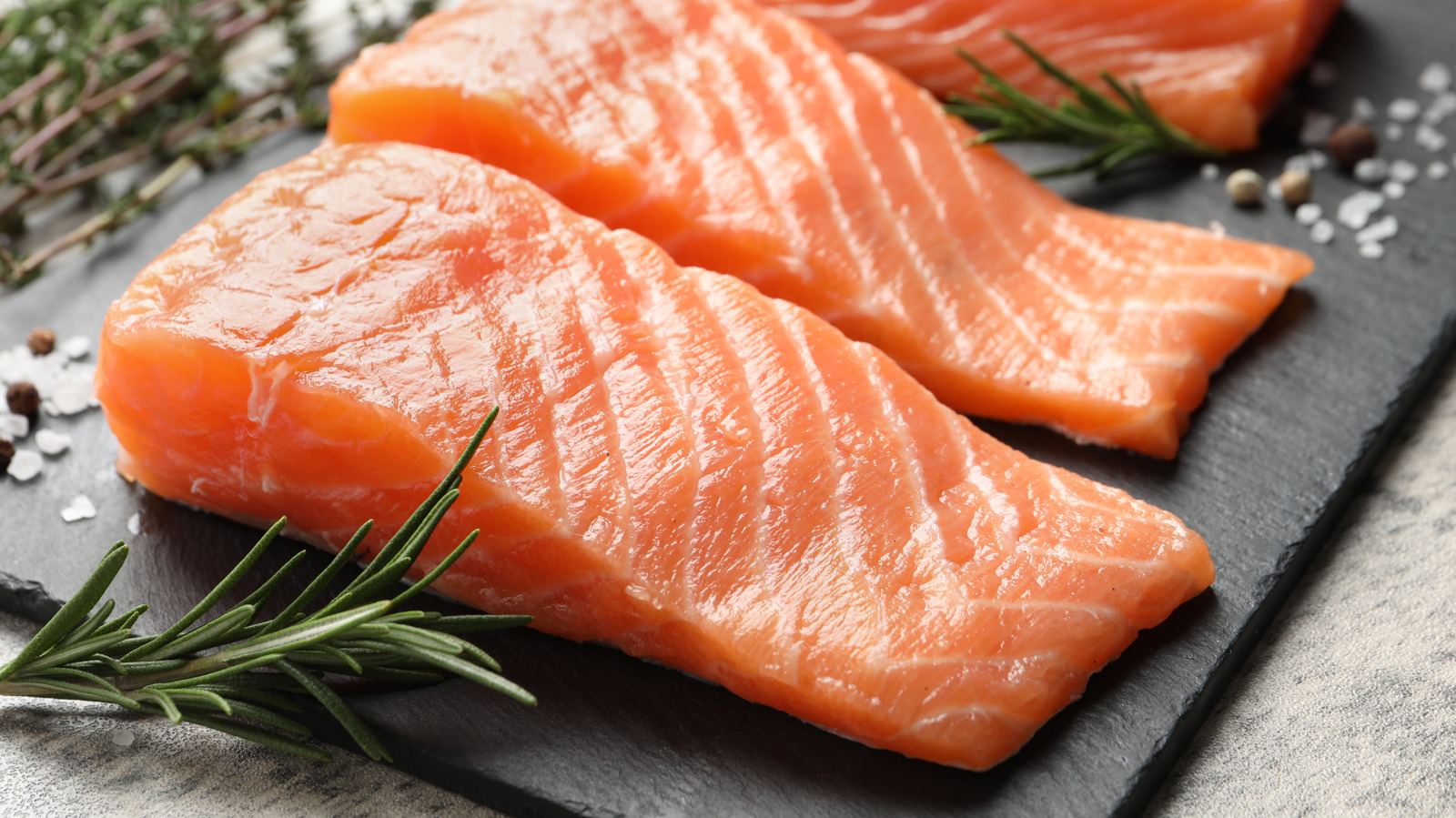
Salmon is rich in Omega-3 fatty acids, which give the fish its characteristic tender, oily mouthfeel. When you sear salmon skin-side down, you are rendering the fat in the skin to create a crispy texture. However, the flesh itself can sometimes lack the "top notes" required to keep the palate engaged.
By adding a compound butter in the final minute of cooking, you are introducing a secondary fat source that is infused with water-soluble flavor compounds (herbs and spices). This creates an emulsion in the pan that coats the fish, ensuring that every bite is seasoned consistently.
Basting Technique
The "cowboy" method relies on the basting technique (arroser). By adding the butter when the salmon is nearly finished, you prevent the spices from burning. The butter melts, foaming in the pan, and as you spoon it over the fillet, you are essentially poaching the exterior of the fish in a seasoned, aromatic liquid. This seals in moisture and ensures that the salmon does not dry out—a common failure point in home cooking.
Customization: Beyond the Standard Recipe
While the classic cowboy butter is a triumph, the beauty of the preparation lies in its versatility. You can adjust the flavor profile to match the specific fish you are using, or to suit the preferences of your guests.
1. The Heat-Seeker’s Blend
If your palate craves intensity, incorporate Sriracha, gochujang, or a habanero-infused hot sauce into the butter base. The heat from the chilies interacts with the fat in the butter, preventing the "sharp" sensation of spice and instead creating a lingering, warming glow that highlights the natural sweetness of the salmon.
2. The Cajun/Creole Influence
For those who enjoy a Southern-inspired profile, folding Cajun seasoning—heavy on smoked paprika, garlic powder, and onion powder—into the butter provides a depth of flavor that mirrors the intensity of a blackened fish dish, but with the added decadence of a buttery finish.
3. The Mediterranean Twist
If you prefer a lighter, more aromatic profile, swap the spicy elements for fresh basil, sun-dried tomatoes, and a hint of lemon zest. This "Italian-style" cowboy butter is particularly effective when served over lighter, white-fleshed fish like cod or tilapia, providing an aromatic brightness that mimics the flavors of the Mediterranean coast.
4. The Sweet and Savory Balance
Adding a touch of honey or maple syrup to your cowboy butter can create a glaze-like effect when basted over the salmon. This is particularly useful if you are pan-searing the salmon to a high level of caramelization, as the sugars in the honey will help create a beautiful, dark crust.
Professional Implications: Why This Matters for the Home Cook
The shift toward using cowboy butter on fish signifies a broader trend in home cooking: the "professionalization" of simple techniques.
Accessibility and Efficiency
For the average consumer, cooking a high-quality meal often feels like a time-consuming chore. Cowboy butter addresses this by being a "make-ahead" component. You can whip up a batch on a Sunday, roll it in parchment paper, and keep it in your freezer for months. When Tuesday night rolls around and you have a piece of salmon in the fridge, you don’t need to chop herbs, mince garlic, or measure spices. You simply slice a coin of your pre-made butter and toss it into the pan.
Reducing Waste
Compound butter is an excellent way to use up fresh herbs that are nearing the end of their shelf life. Instead of letting parsley or chives wilt in the refrigerator drawer, you can preserve their flavor in a butter log. This practice reduces household food waste while simultaneously improving the quality of future meals.
Culinary Confidence
Perhaps most importantly, this technique builds confidence. Many home cooks fear overcooking salmon, which often leads to dry, chalky fish. By basting with butter, you are adding an extra layer of moisture-locking fat. This margin of error allows the cook to focus on achieving the perfect sear without the constant anxiety that the fish will become inedible.
Conclusion: A New Standard for Weeknight Dining
The "Cowboy Style" upgrade is more than just a passing social media trend; it is a practical, flavorful solution to a common kitchen dilemma. By taking the bold, assertive flavors typically reserved for red meat and applying them to the subtle, fatty profile of salmon, you transform a standard protein into a restaurant-quality experience.
Whether you are a novice cook looking for a foolproof way to impress or an experienced home chef looking to experiment with flavor layering, cowboy butter offers a pathway to excellence. It is a reminder that the best culinary upgrades are often the simplest ones—a little butter, a few well-chosen spices, and the heat of a pan. As you look to your next seafood meal, consider ditching the plain lemon wedge and reaching for the cowboy butter. Your palate will thank you.
