

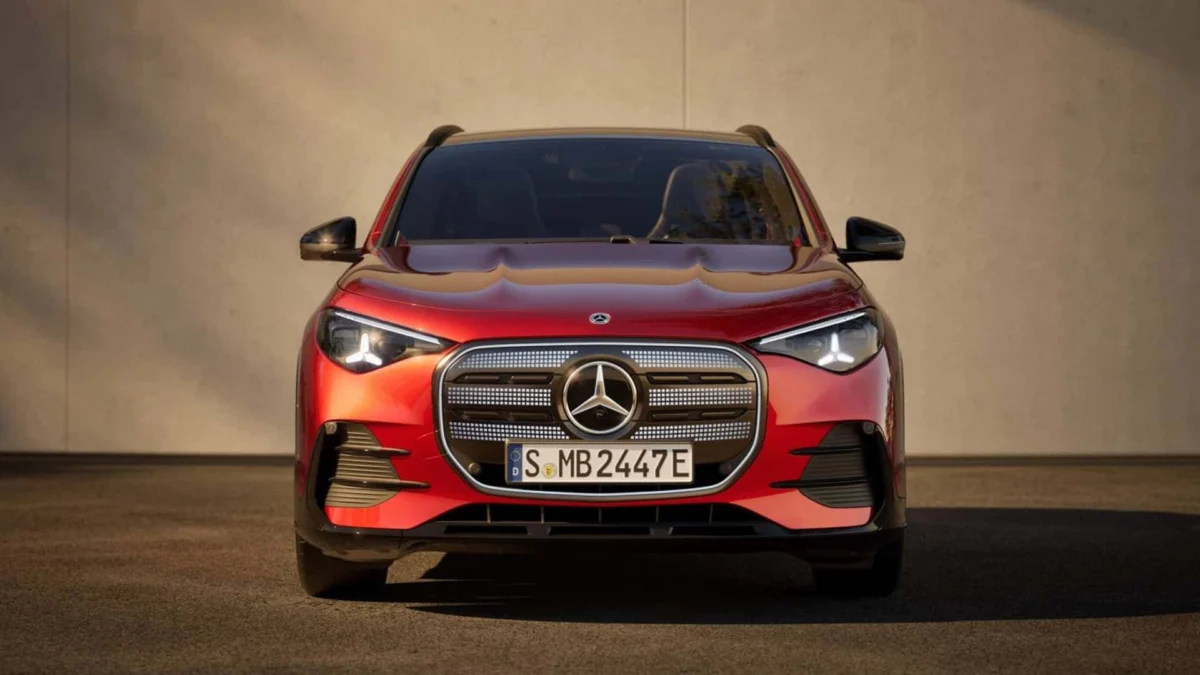
If you were to randomly select four brand-new Mercedes-Benz vehicles sold between July and September of this year, statistics suggest that at least one of them would be equipped with a charging port. This milestone, revealed in the automaker’s most recent quarterly delivery report, serves as a testament to the aggressive pace at which the Stuttgart-based manufacturer is pivoting toward an electrified future, even as the broader automotive industry navigates a period of significant volatility.
Despite a challenging quarter that saw total vehicle sales decline, the Mercedes-Benz electrification push is not just holding steady—it is accelerating. The company’s latest figures underscore a profound transformation in its product mix, signaling that the "Electric First" strategy is moving from ambitious corporate rhetoric to tangible showroom reality.
The State of Play: Sales Performance and Market Dynamics
Mercedes-Benz reported a total of 407,200 passenger car deliveries globally during the third quarter. This figure represents an 8% year-over-year decrease, a cooling period that the company largely attributes to "challenging market conditions" within China. As the world’s largest automotive market continues to experience intense local competition and macroeconomic shifts, European manufacturers like Mercedes have found their traditional dominance tested.
However, looking beneath the headline numbers reveals a more nuanced picture. Excluding the Chinese market, Mercedes-Benz saw its global sales grow by 6% during the same period. This regional disparity highlights the company’s struggle to maintain its premium footing in the Far East while simultaneously enjoying steady demand in its core North American and European markets.
The Rise of the Plugged-In Portfolio
While the total volume of vehicles delivered saw a contraction, the composition of those sales shifted dramatically toward electrification. Mercedes-Benz reported the delivery of 68,400 battery-electric vehicles (BEVs) in the third quarter—an impressive 61% increase compared to the same period last year and a 29% surge from the second quarter of 2024.
Perhaps most importantly, electric vehicles accounted for 16.8% of the company’s total sales, marking a record share. This represents a significant 7.2 percentage point jump year-over-year. When factoring in the company’s extensive plug-in hybrid (PHEV) lineup, a full 25%—one-quarter—of all new Mercedes-Benz vehicles sold now feature a plug. This data suggests that consumers are increasingly comfortable moving away from traditional internal combustion engines, provided the transition is facilitated by the premium engineering synonymous with the Three-Pointed Star.
Chronology of the Transition: From Concept to Consumer
The journey toward this record-breaking quarter did not happen overnight. It is the culmination of a multi-year strategy initiated under the leadership of CEO Ola Källenius, who has consistently pushed for the brand to "Lead in Electric" and "Lead in Car Software."
Early Adoption and Infrastructure (2020–2022)
The initial phase of the transition saw the introduction of the EQ sub-brand. While early models like the EQC were experimental, they provided the necessary data to refine battery technology and software integration. By 2022, the company began scaling production, shifting focus from "EV-only platforms" to a more flexible manufacturing approach that allows for both combustion and electric models to roll off the same lines.
Scaling and Standardization (2023–2024)
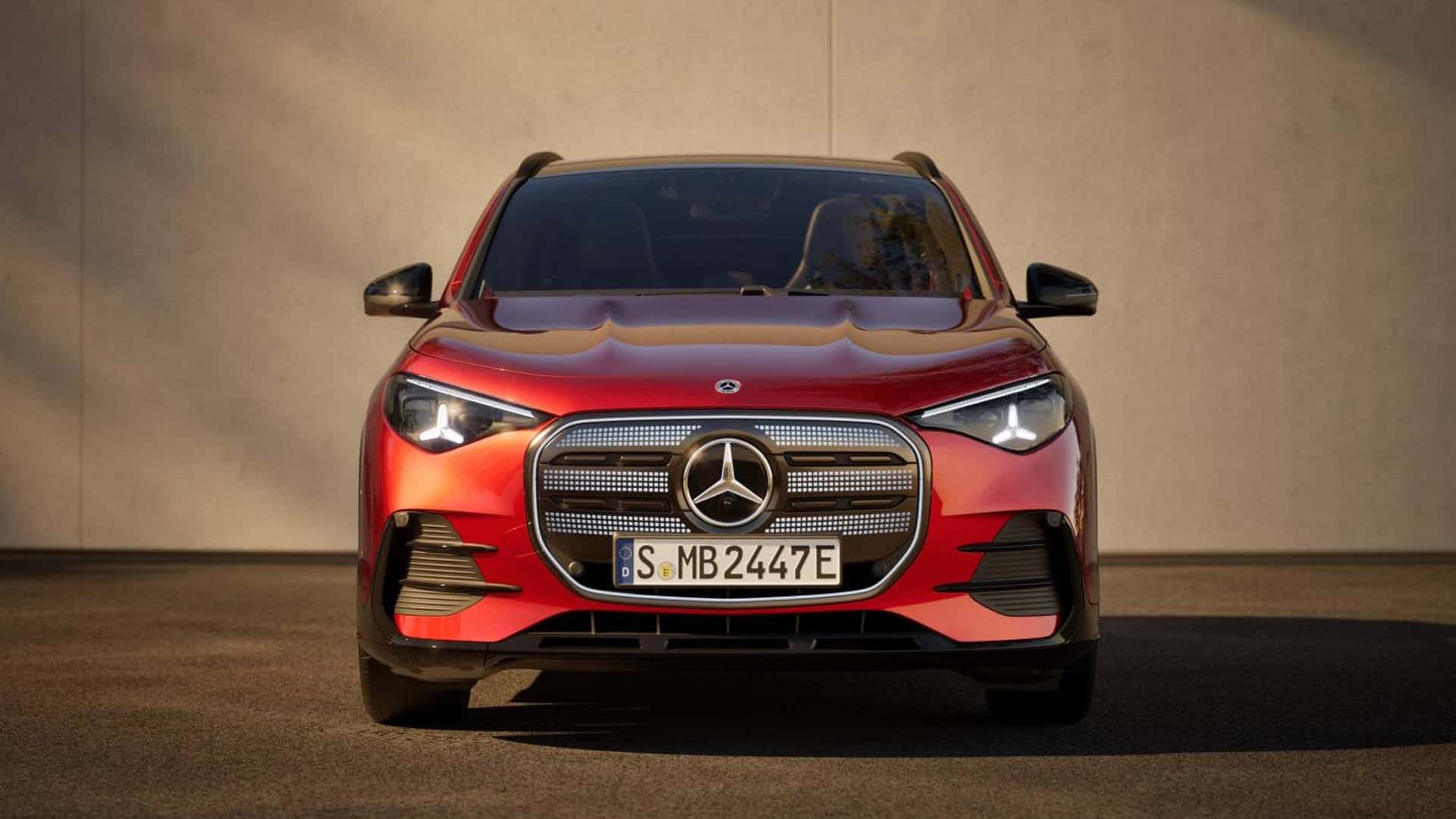
The current year has been defined by the standardization of hardware. Recent announcements, including the adoption of the North American Charging Standard (NACS) for future models and the integration of advanced driver-assistance systems, have been pivotal. The Q3 2024 results confirm that these strategic choices are resonating with buyers. The popularity of the electric GLC in Europe, where sales rose by 78% year-on-year, is perhaps the strongest indicator that the market is ready for premium electric SUVs.
Supporting Data: Why Europe Leads the Charge
While the global numbers are encouraging, the regional breakdown provides the clearest view of where the transition is most successful. Europe currently serves as the engine room for the company’s electrification efforts. In the European market, nearly one-in-three vehicles sold by Mercedes-Benz is now fully electric.
The demand for these vehicles has reached such a fever pitch that supply is struggling to keep pace. The company confirmed that its electric variants of the CLA, GLA, GLB, and GLC are currently sold out in the European Union for the remainder of 2026. This "sold-out" status is a rare luxury in the automotive world, suggesting that Mercedes has successfully balanced performance, range, and brand desirability in its EV lineup.
The Commercial Sector: Electric Vans
The electrification trend is not limited to the luxury passenger car segment. Mercedes-Benz’s van division also reported growth in its electric portfolio. While the percentage of electric vans remains lower than that of passenger cars—accounting for roughly 11% of total van sales globally—the figure climbs to 15% in Europe. This indicates that businesses are beginning to prioritize zero-emission fleets, likely driven by tightening urban emission regulations and lower long-term operating costs.
Official Responses and Strategic Outlook
In statements accompanying the report, Mercedes-Benz executives emphasized that while the macroeconomic environment remains "volatile," the company is committed to its long-term technological roadmap. The "product offensive" is set to continue, with the company preparing to roll out a refreshed lineup that includes new electric versions of the C-Class, GLC, and GLB.
Regarding the North American market, the company is more cautious but optimistic. While the rapid adoption rates seen in Europe may not be immediately replicated in the U.S. due to different infrastructure realities and consumer preferences, the upcoming product launches are specifically designed to appeal to the American market’s appetite for utility and luxury.
"We are building the cars that our customers want, whether that is a combustion engine, a hybrid, or a fully electric vehicle," a company spokesperson noted. "Our job is to ensure that the transition to electric is seamless, powerful, and undeniably Mercedes-Benz."
The Implications: What This Means for the Future
The shift toward a 25% electrified sales mix has profound implications for both the company and the wider automotive industry.
1. Supply Chain and Manufacturing Resilience
Achieving such high growth in EV sales during a down quarter proves that the company’s manufacturing flexibility is paying off. By utilizing modular platforms, Mercedes can adjust its production output based on real-time market demand, minimizing the risk of inventory gluts that have plagued other manufacturers.
2. The Infrastructure Bottleneck
The record sales figures also highlight the critical importance of charging infrastructure. As more consumers purchase EVs, the pressure on public charging networks increases. Mercedes-Benz’s recent move to adopt NACS and its investments in its own high-power charging network are proactive responses to this reality. The company clearly recognizes that vehicle sales are tethered to the availability and reliability of the charging experience.
3. Competitive Positioning
With the EQE sedan recently being discontinued in certain markets and new, more competitive models like the upcoming electric CLA entering the fray, Mercedes is refining its strategy. It is moving away from a "one-size-fits-all" EV approach toward a more targeted, model-specific strategy that prioritizes the most popular segments—SUVs and compacts.
4. Regulatory Compliance and ESG
Beyond the consumer demand, these figures place Mercedes-Benz in a strong position regarding global emissions regulations. With the European Union and other jurisdictions moving toward strict bans on internal combustion engine sales by 2035, the company’s current growth trajectory suggests it is well ahead of the curve. By normalizing electric vehicles within its fleet now, the brand is insulating itself from future regulatory shocks.
Conclusion
The third quarter of 2024 has been a pivotal period for Mercedes-Benz. In the face of a contracting global market, the company has managed to achieve record levels of electric vehicle adoption. This success is not merely a result of favorable market conditions, but rather the outcome of a disciplined, long-term commitment to electrification.
As the company prepares for the next phase of its product offensive, the data suggests that the "electric wave" is not just a passing trend—it is a fundamental shift in the brand’s identity. While the road ahead will undoubtedly present challenges, from navigating the complexities of the Chinese market to the ongoing task of building out global charging infrastructure, Mercedes-Benz has demonstrated that it has the engineering prowess and the market agility to lead the charge into the new automotive era.
For the consumer, this means more choice, better technology, and a clear signal that the future of the luxury automobile is increasingly powered by a plug. As we look toward 2027 and beyond, one thing is clear: the Three-Pointed Star is shining brighter in the electric space than ever before.
