

In a watershed moment for environmental litigation and public health, the state of New Jersey has officially secured federal court approval for a massive $2.5 billion settlement aimed at addressing the pervasive contamination of per- and polyfluoroalkyl substances (PFAS). The settlement, which marks the largest environmental recovery by a single state in U.S. history, concludes years of high-stakes legal battles against chemical giants DuPont and 3M.
This historic agreement represents a definitive step toward remediating the “forever chemical” legacy that has compromised the state’s water supplies, industrial sites, and public health infrastructure. As Attorney General Jennifer Davenport and New Jersey Department of Environmental Protection (NJDEP) acting Commissioner Ed Potosnak announced on August 7, the funds will serve as a critical mechanism to hold corporate actors accountable while financing a massive, multi-decade cleanup effort.
The Scope of the Crisis: Defining the Settlement
The “forever chemicals,” known as PFAS, are a class of synthetic compounds prized for their resistance to heat, water, and oil. However, their durability—the very quality that makes them useful in firefighting foams, non-stick cookware, and industrial coatings—also makes them persistent in the environment and the human bloodstream.
The federal court’s approval cements two separate but interconnected agreements:
- The DuPont Settlement: Valued at over $2 billion, this deal resolves liability for the chemical giant and its spin-off entities, including The Chemours Co., Corteva Inc., and DuPont de Nemours Inc. It addresses extensive pollution at four major industrial sites across New Jersey.
- The 3M Settlement: This agreement addresses the company’s role in the manufacturing and distribution of aqueous film-forming foam (AFFF), a firefighting agent that has been a primary source of PFAS groundwater contamination at airports and military bases.
Combined, the $2.5 billion package provides a massive infusion of capital that the state intends to deploy over the next 25 years to scrub these toxins from the ecosystem.
A Chronology of Accountability
The path to this settlement was neither short nor simple. It is the culmination of years of investigative work, aggressive litigation, and a shift in regulatory philosophy under the Murphy administration.
- 2019: The state of New Jersey issues a sweeping PFAS directive, signaling its intent to aggressively pursue polluters and establish strict drinking water standards.
- August 2025: Then-Attorney General Matthew Platkin and then-NJDEP Commissioner Shawn LaTourette publicly unveil the proposed settlement, setting the stage for public review.
- September 2025: The state enters a 60-day formal public comment period, during which it navigates intense scrutiny from stakeholders, including municipal water authorities and county governments.
- Late 2025 – Early 2026: The NJDEP undergoes a rigorous process of responding to every formal objection raised by 18 counties and various wastewater treatment coalitions. By resolving these grievances, the state builds a consensus-driven framework for fund distribution.
- August 7, 2026: Federal court approval is granted, clearing the path for the immediate implementation of the settlement terms.
Breaking Down the Funds: Where the Money Goes
The financial structure of the settlement is designed to be as comprehensive as the contamination it seeks to address. The $2.5 billion is partitioned into dedicated trust accounts to ensure transparency and longevity.
PFAS Abatement Fund ($795 Million)
The heart of the recovery efforts, this fund is directed toward water quality projects. The New Jersey Water Bank will utilize these resources to provide a mix of no-interest loans, low-interest loans, and principal forgiveness to local entities.
- Wastewater Treatment: A minimum of $150 million is earmarked specifically for publicly-owned treatment works, which often bear the brunt of filtering PFAS from municipal sewage and stormwater runoff.
- Local Government Support: At least $90 million is designated for counties to remediate contamination at fire training academies and regional airports—facilities that were historical hubs for the use of PFAS-laden firefighting foam.
Natural Resource Damages ($365 Million)
This portion of the settlement compensates the public for the degradation of natural ecosystems. Restoration efforts will focus on the vicinity of the four primary industrial sites involved in the litigation, working to restore local habitats that have been marred by years of chemical discharge.
The Remediation Guarantee
Perhaps the most significant component for the state’s long-term environmental health is the requirement that the DuPont entities must perform full remediation of the affected industrial sites, regardless of the ultimate cost. To prevent taxpayers from ever bearing the burden of a budget shortfall, the settlement requires:
- Remediation Funding Sources: The creation of funds totaling $1.2 billion.
- Reserve Funds: An additional $475 million in reserve to handle contingencies.
This "polluter pays" structure ensures that as technology advances or as new information regarding the extent of contamination surfaces, the financial liability remains squarely with the companies that profited from the use of these substances.
Official Responses: A "Long Road" to Recovery
The rhetoric from state officials reflects a blend of pride in the legal victory and a sobering recognition of the magnitude of the work that remains.
Acting Commissioner Ed Potosnak emphasized that the legal settlement is merely the starting line. “This is only the beginning of what will be a long road to restore our environment from the unfortunate legacy of these chemicals,” Potosnak said. He stressed that the Department of Environmental Protection (NJDEP) remains committed to a transparent process, working alongside public stakeholders to ensure that every dollar is spent in a way that maximizes public health benefits.
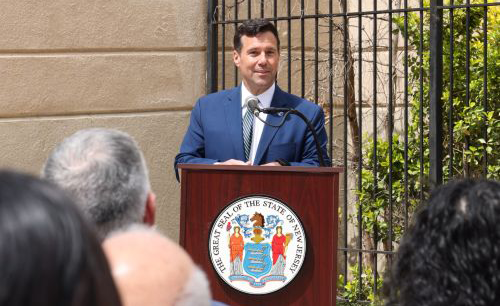
Attorney General Jennifer Davenport framed the settlement as a triumph of corporate accountability. “Today’s landmark settlement cements New Jersey’s national leadership in the fight against forever chemicals and is a critical first step in undoing the damage DuPont and 3M have caused to our state,” Davenport stated. Her office has signaled that they will continue to aggressively pursue any corporation found to have knowingly jeopardized the safety of New Jersey communities.
Implications for New Jersey and the Nation
The ripple effects of this settlement will be felt far beyond New Jersey’s borders. By successfully securing $2.5 billion, New Jersey has provided a blueprint for other states currently entangled in their own PFAS litigation.

Impact on Public Health
The immediate goal is the reduction of PFAS levels in drinking water. By funding the modernization of treatment plants and the remediation of local water sources, the state is effectively reducing the chronic exposure of millions of residents to these bioaccumulative toxins.
Environmental Justice
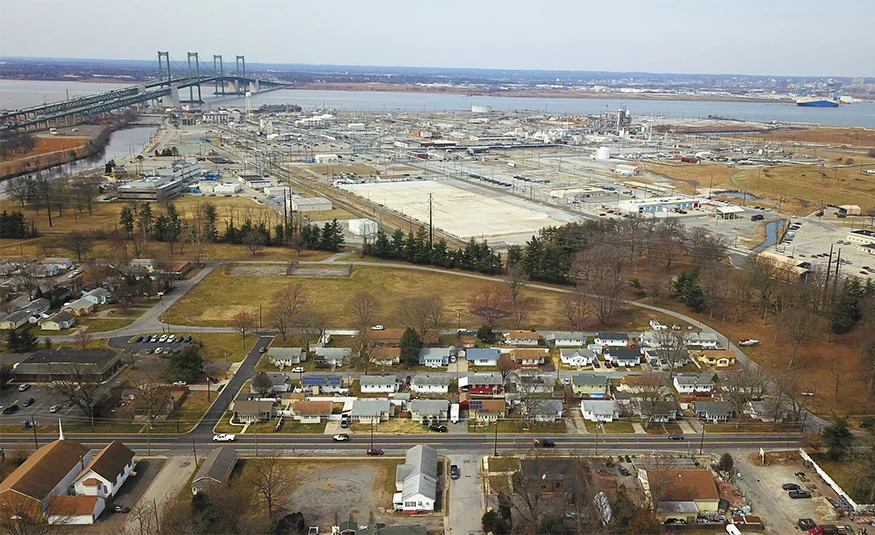
Many of the sites impacted by these chemicals, particularly the Chambers Works facility in Salem County, are located in areas that have historically dealt with significant environmental burdens. The settlement funds are intended to address not just the chemical concentrations but the broader ecological impact on these communities, potentially improving the quality of life for residents who have lived in the shadow of industrial chemical production for decades.
A New Standard for Litigation
The use of the Kelley Drye & Warren LLP law firm as lead counsel, combined with the state’s proactive stance since 2019, has yielded a total of $3 billion in recovery across all PFAS-related lawsuits. This strategy of combining scientific research with aggressive legal maneuvering has turned New Jersey into a bellwether for environmental policy.
As the state moves into the implementation phase, the focus will shift from the courtroom to the field. The work will involve complex engineering, groundwater monitoring, and the construction of state-of-the-art filtration systems. While the “forever chemicals” will remain a challenge for years to come, the financial path to neutralizing their threat has been firmly established. For the citizens of New Jersey, the settlement serves as a tangible promise: the state is no longer willing to wait for the problem to solve itself, and the costs of the past will no longer be subsidized by the public’s health.
