

As we cross the threshold into our sixties, the body’s relationship with gravity begins to shift. Subtle signs—a slight hesitation when stepping off a curb, the need to grab a doorframe when turning quickly, or a fleeting moment of lightheadedness when reaching for a high shelf—are often dismissed as mere "signs of aging." However, fitness experts and physical therapists argue that these are not inevitable declines; they are, in fact, functional clues.
Balance is a complex, trainable skill that relies on a constant, rapid-fire dialogue between your nervous system, your inner ear, and your muscular structure. By dedicating time to targeted, standing-based exercises, you can recalibrate this system, significantly reducing the risk of falls and restoring a sense of physical confidence in your daily life.
The Science of Stability: Why Balance Matters
Balance is often taken for granted until it begins to falter. In the human body, maintaining an upright posture requires "proprioception"—the brain’s ability to sense where your body is in space. After 60, age-related changes in vision, inner-ear function, and muscle mass can degrade this internal GPS.
Research published in the National Center for Biotechnology Information (NCBI) highlights that balance training is not merely about "staying still"; it is about teaching the body to manage dynamic weight shifts, stabilize on a single limb, and maintain structural integrity during transitional movements. While walking is an excellent foundational activity for cardiovascular health, it is often performed in a repetitive, predictable plane. Balance training adds the necessary "chaos" and complexity that prepares the body for the unexpected—like a slip on a wet floor or a sudden stumble on an uneven sidewalk.
A Chronology of Decline and Restoration
Understanding the timeline of physical stability is key to proactive aging.
- The Early Warning Phase: In the late 50s and early 60s, many adults begin to lose "fast-twitch" muscle fibers, which are essential for reactive balance—the ability to catch yourself if you trip.
- The Adjustment Phase: If left unaddressed, the body begins to compensate. You may notice yourself walking with a wider gait or avoiding activities that require looking up or turning the head, which can lead to a gradual loss of independence.
- The Restoration Phase: By introducing specific, progressive balance drills—such as those detailed below—individuals can stimulate the neuromuscular pathways responsible for stability. Studies suggest that even just 15 minutes of dedicated balance work, performed three to four times a week, can yield measurable improvements in gait stability and confidence within six to eight weeks.
Four Essential Standing Exercises for Longevity
To build a safer, more stable foundation, focus on these four movements. Always ensure you have a sturdy chair, a kitchen counter, or a wall within arm’s reach to act as a safety net.
1. The Single-Leg Balance Hold
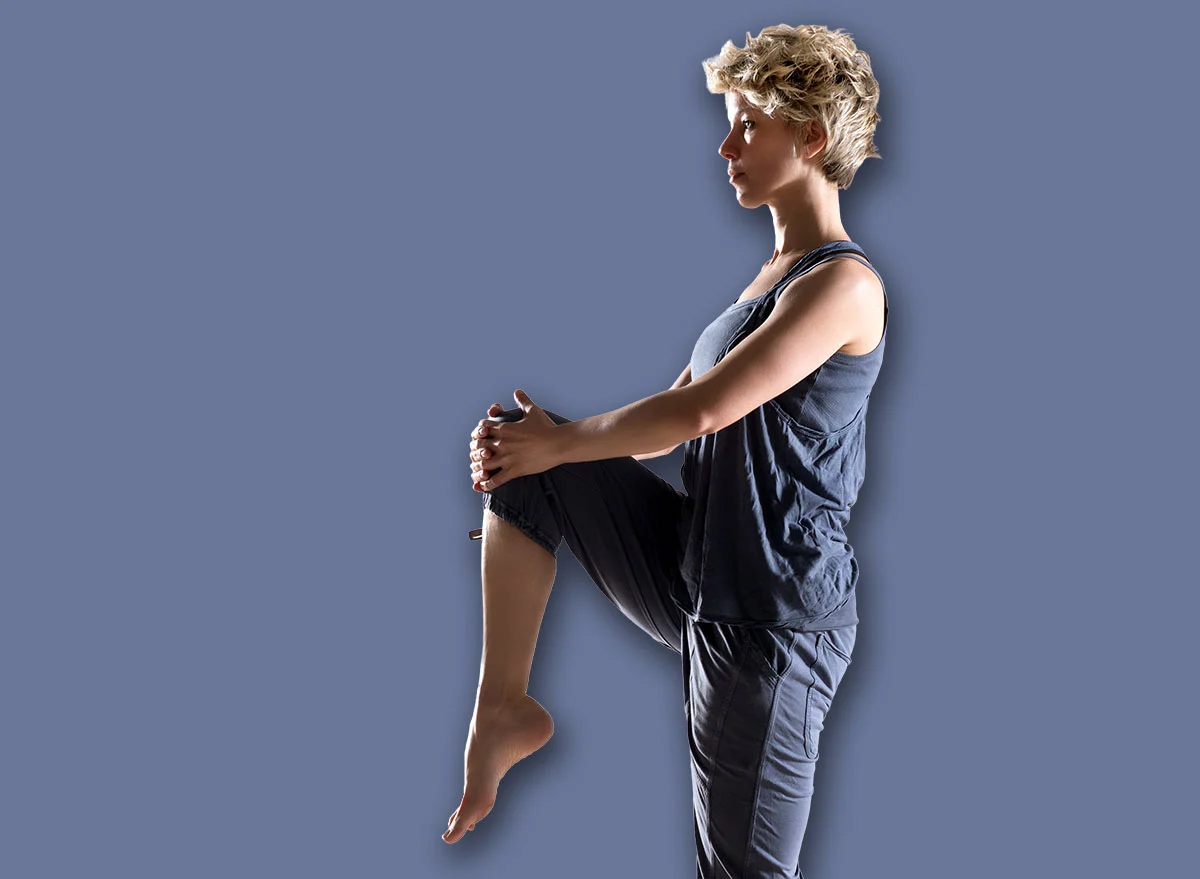
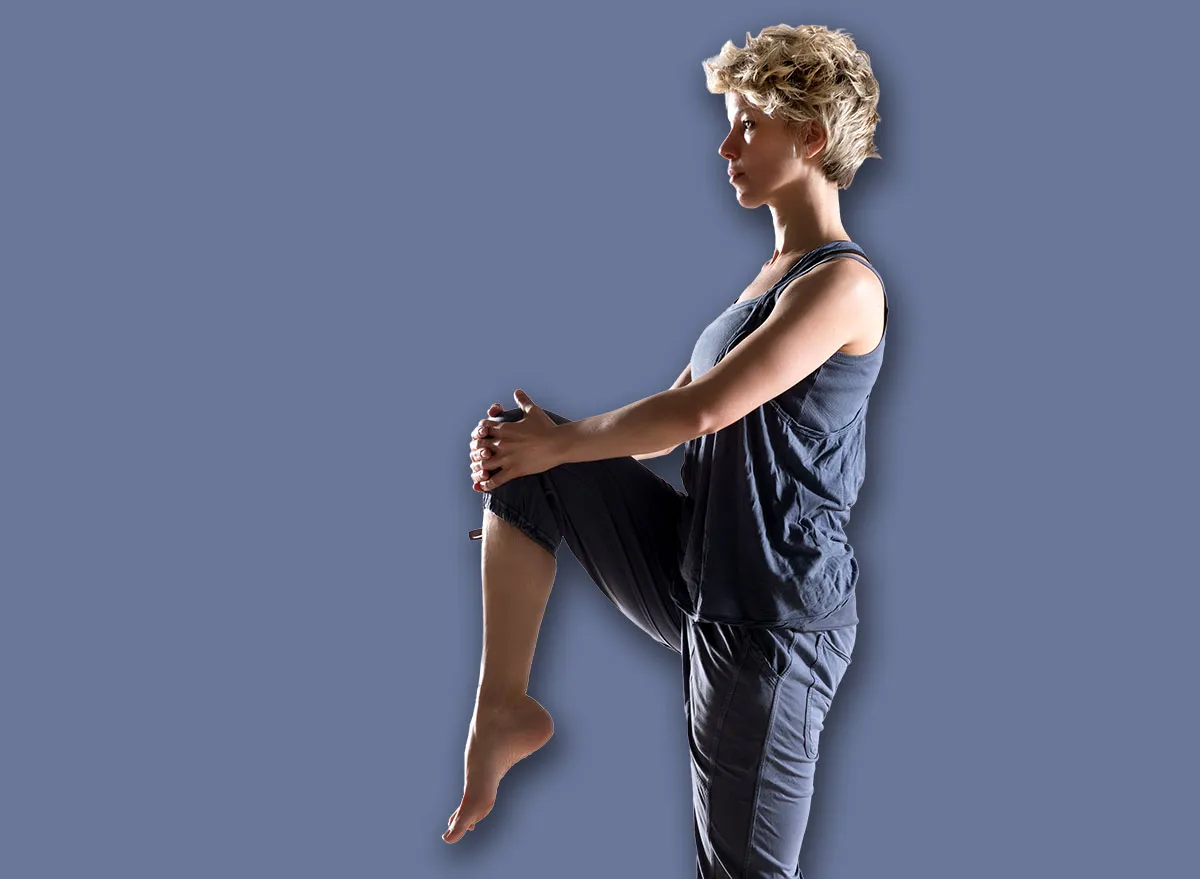
This is the cornerstone of all balance training. Because walking is essentially a series of controlled, one-legged movements, practicing the single-leg stance directly improves your gait.
- The Mechanics: Stand tall with your feet hip-width apart. Shift your weight onto one leg while slowly lifting the other foot just an inch off the ground.
- The Challenge: Aim for 15 to 30 seconds per side. If you feel steady, attempt to look from left to right while holding the position to challenge your inner ear’s vestibular system.
- Pro Tip: Keep your core engaged and your gaze fixed on a stationary point at eye level.
2. The Heel-to-Toe Walk
Often used in clinical settings to test neurological function, the "tandem gait" is an exceptional tool for training coordination.
- The Mechanics: Place one foot directly in front of the other so that the heel of your front foot touches the toes of your back foot. Move slowly, focusing on placing your feet in a perfectly straight line.
- The Challenge: Perform 8 to 12 steps, focusing on weight distribution. If this feels too difficult, start with a slightly wider "narrow-walk" and gradually bring your feet closer together as your confidence grows.
3. The Lateral Step-Over
We spend most of our lives moving forward, but life often requires us to navigate side-to-side—whether we are moving through a crowded room or stepping over an object on the ground.
- The Mechanics: Place a low object, like a yoga block or a small towel, on the floor. Stand beside it and step one leg over the object, followed by the other.
- The Challenge: This builds lateral hip strength and improves your ability to clear obstacles without dragging your feet. Keep the object low initially to ensure perfect form.
4. The Suitcase Carry March
Life is rarely perfectly balanced; we carry groceries, laundry baskets, and luggage. This exercise mimics the real-world challenge of maintaining a straight posture while bearing an asymmetrical load.
- The Mechanics: Hold a light weight (a small grocery bag or a water bottle) in one hand. While keeping your torso perfectly upright—resisting the urge to lean toward the weight—slowly march in place.
- The Challenge: This forces your obliques and core to work overtime to stabilize your spine. Perform 20 to 30 seconds per side.
Supporting Data and Clinical Perspectives
According to health experts, including certified strength and conditioning specialists like Jarrod Nobbe, the key to success is "dosage." You do not need to spend hours in a gym to see results. The nervous system thrives on frequent, short exposures to balance challenges.
Clinical studies have shown that consistent balance training after 60 has a direct correlation with a decrease in "fear of falling," a psychological barrier that often limits the physical activity of older adults. By removing that fear, individuals are more likely to stay active, which creates a positive feedback loop of better health and increased strength.
Official Recommendations and Safety Implications
When starting a new balance regimen, safety is paramount. Medical professionals advise:
- Environment: Perform these exercises in an area free of throw rugs, electrical cords, or pets.
- Support: Never be afraid to use a "fingertip touch" on a counter. This provides just enough sensory feedback to prevent a fall without completely removing the challenge from the exercise.
- Consistency: It is better to practice for 5 minutes every day than for 45 minutes once a week.
- Footwear: Wear shoes with non-slip soles or practice barefoot if your doctor approves, as this increases the sensory feedback from your feet to your brain.
Implications for Long-Term Independence
The implications of these exercises extend far beyond the living room. By investing in your balance today, you are investing in your future ability to travel, play with grandchildren, and navigate your home without assistance.
Balance is a "use it or lose it" system. As we age, the body naturally trends toward stagnation. By intentionally introducing these movements into your daily routine, you are signaling to your brain that stability is a priority. You are not just exercising; you are building a biological defense against the accidents that most frequently threaten the independence of older adults.
If you feel unsteady, do not retreat—prepare. With the right techniques and a steady commitment to these standing drills, you can move through your sixties and beyond with the same confidence and grace you had in your prime.
