

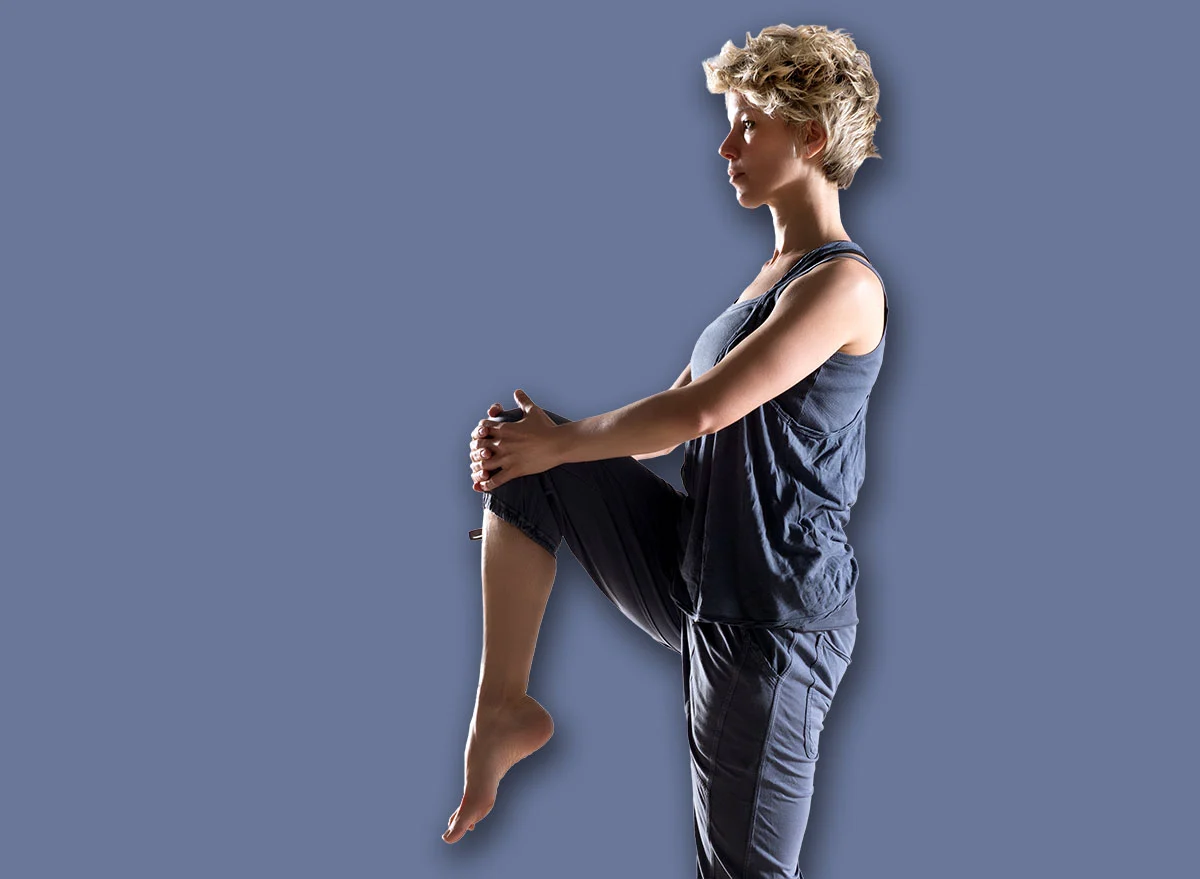
As we navigate our sixth decade and beyond, the subtle shifts in our physical capabilities often go unnoticed until they manifest as a moment of uncertainty. It might be a slight wobble while stepping off a curb, a feeling of vertigo when turning quickly, or a momentary hesitation when reaching for a high shelf. These small instances are not merely signs of "getting older"; they are critical diagnostic clues from your body that your proprioception—your awareness of where your body is in space—requires intentional maintenance.
Improving balance after 60 is not just about avoiding falls; it is about reclaiming the freedom of movement. The good news is that balance is a highly trainable skill. By integrating specific, targeted exercises into your daily routine, you can fortify your body’s ability to remain upright, stable, and confident in any environment.
The Science of Stability: Why Balance Declines and How to Reverse It
Main Facts: The Physiology of Aging and Equilibrium
Balance is a complex interplay between the vestibular system (inner ear), vision, and the musculoskeletal system. After 60, several factors begin to challenge this equilibrium:
- Sarcopenia: The natural, age-related loss of muscle mass, particularly in the lower extremities and core, reduces the power required for stabilization.
- Reduced Proprioception: Sensory receptors in the ankles and feet become less sensitive, meaning your brain receives delayed feedback about the ground surface.
- Joint Stiffness: Decreased mobility in the hips and ankles forces the body to compensate, often leading to a more rigid, less adaptable gait.
Research indicates that while walking is an excellent baseline for cardiovascular health, it is rarely enough to build the neurological and muscular "brakes" needed to prevent a fall. Balance training specifically demands that the body manage weight shifts, sustain one-leg stability, and maintain structural integrity during transitions.
Chronology of Progress: A Structured Approach to Training
To see tangible improvements, consistency must take precedence over intensity. The following training progression is designed to be implemented over a four-week cycle, moving from supported static holds to dynamic, weighted movements.
Week 1-2: Establishing the Baseline
Focus on "supported stability." Every exercise should be performed near a sturdy counter or wall. The goal is not to test your limits to the point of failure, but to teach your nervous system to stay organized under light pressure.
Week 3-4: Integrating Dynamics
Once you feel comfortable with the static holds, begin removing support. Use only a fingertip for balance, eventually moving to "hovering" your hands near the support without touching it. This forces your core muscles to engage independently.
Four Essential Exercises for Lifelong Stability
The following movements are selected for their high return on investment. They require minimal equipment and can be performed in the comfort of your home.
1. The Single-Leg Balance Hold
This is the "gold standard" of balance training. Because every human gait cycle involves a moment where you are standing on one leg, this drill builds direct, transferable strength.
- Execution: Stand tall with feet hip-width apart near a counter. Shift your weight onto your right leg and lift your left foot slightly off the floor. Keep your hips level—do not let the hip "hike" up.
- Duration: Hold for 15 to 30 seconds per side.
- Progression: Once you master this, try closing your eyes for 3–5 seconds or turning your head from side to side while holding the position.
2. The Heel-to-Toe (Tandem) Walk
This exercise challenges your center of gravity by removing the wide base of support you normally rely on. It mimics walking on a balance beam, forcing your core and hips to make micro-adjustments.
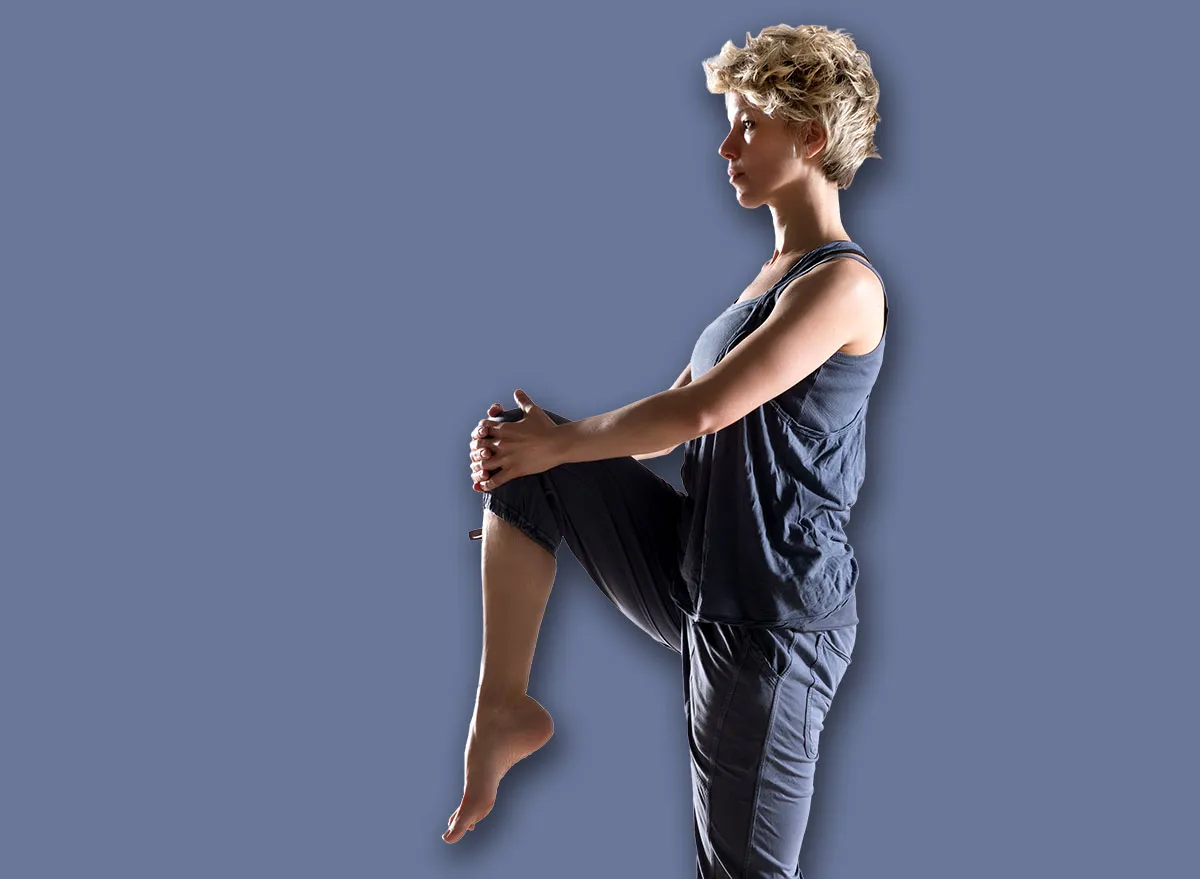
- Execution: Position yourself along a hallway or wall. Place your heel directly in front of the toes of your opposite foot, creating a straight line. Move slowly, focusing on "planting" the heel before rolling through the foot to the toes.
- Repetitions: Perform 8 to 12 steps per round.
- Pro-Tip: If you feel unstable, widen your stance slightly until your core strength catches up to the challenge.
3. The Lateral Step-Over
We often neglect lateral (side-to-side) movement, yet most falls occur when we trip while turning or moving sideways. This exercise improves your hip stability and depth perception.
- Execution: Place a low object—such as a rolled-up towel or a yoga block—on the floor. Stand beside it. Lift one leg up and over the object, followed by the other, moving laterally.
- Repetitions: 6 to 10 reps in each direction.
- Form Note: Keep your torso upright. Do not lean your upper body to compensate for the weight shift.
4. The Suitcase Carry March
Life rarely asks us to move with perfect, symmetrical balance. We carry groceries, laundry baskets, or luggage. The Suitcase Carry simulates these real-world "uneven" loads.
- Execution: Hold a light weight (or a bag of groceries) in one hand. Maintain a perfectly vertical spine—do not lean toward the weight. March in place, lifting your knees to a comfortable height, holding for 20–30 seconds.
- Benefits: This builds "anti-lateral flexion" strength, ensuring your core can stabilize your spine even when you are carrying heavy, off-center objects.
Supporting Data: Why "Micro-Dosing" Exercise Works
According to findings published in The Journals of Gerontology, older adults who engage in short, frequent bouts of balance training show significantly higher improvements in neuroplasticity compared to those who exercise once or twice a week for longer durations.
The nervous system thrives on "repetition without boredom." By performing 5 to 10 minutes of these movements daily, you are effectively "re-wiring" the communication pathways between your brain and your lower limbs.
Official Perspectives: Expert Guidance for Safety
Health professionals, including certified strength and conditioning specialists (CSCS), emphasize that "fear of falling" can actually increase the risk of a fall. When you are tense, your muscles become rigid, which prevents the fluid movement required to recover from a trip.
Safety Guidelines:
- The "Counter Rule": Never perform these exercises in the middle of a room until you have spent at least four weeks practicing next to a solid, immovable object.
- Footwear Matters: Perform these exercises in supportive athletic shoes, not socks on slick surfaces, until you are fully confident in your stability.
- Listen to the "Clues": If you feel lightheaded, stop immediately. If you notice persistent dizziness, consult a physician to rule out inner-ear issues or medication side effects.
Implications for Longevity: Beyond the Physical
The implications of improved balance extend far beyond the gym. Enhancing your stability significantly boosts your "activity of daily living" (ADL) independence. When you are confident in your ability to step, turn, and carry, you are more likely to remain active, participate in social outings, and engage in hobbies that require movement.
The Holistic Approach
While these four exercises provide the foundation, they should be viewed as part of a broader lifestyle strategy. Pair this routine with:
- Increased Protein Intake: Necessary to support the muscle repair and hypertrophy required for stability.
- Vision Checkups: Blurred vision is a leading, often overlooked, contributor to balance loss.
- Hydration: Dehydration can lead to dizziness and orthostatic hypotension (a drop in blood pressure when standing).
Conclusion: Your Next Step
Improving your balance after 60 is a proactive decision to prioritize your independence. You are not just working on your feet and core; you are investing in your future autonomy. Start today with the Single-Leg Balance Hold, keep your support nearby, and trust that with consistent, deliberate practice, your body will respond with the steadiness you deserve.
Disclaimer: This article is for informational purposes only and does not constitute medical advice. Always consult with your primary care physician or a physical therapist before starting a new exercise program, especially if you have a history of falls or existing medical conditions.
