

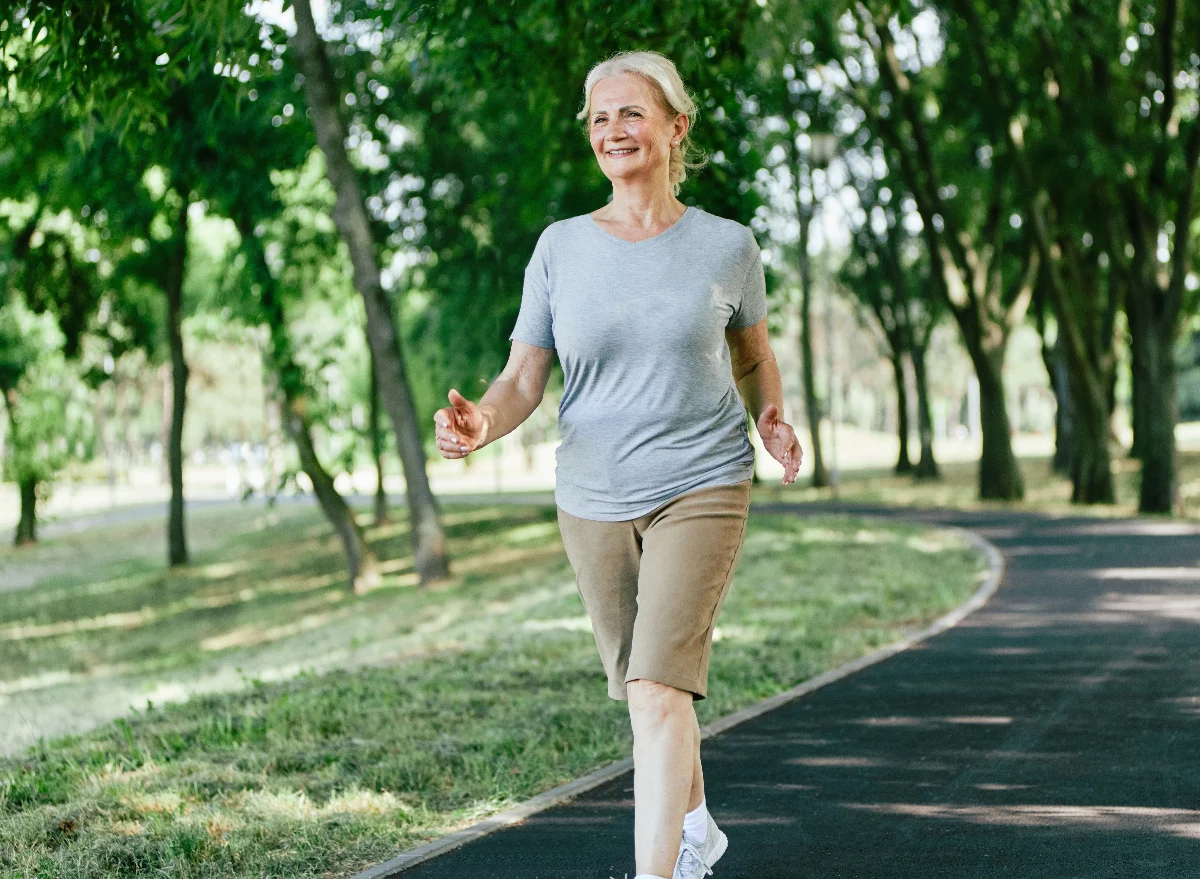
For many, crossing the threshold into their sixties brings a bittersweet realization: the body does not recover or respond with the same effortless resilience it once did. Among the most common points of frustration is the knee—a joint that bears the weight of every step, transition, and movement. When knee pain or stiffness sets in, the natural human instinct is to guard the joint, limiting range of motion and avoiding activity. However, this protective instinct often leads to a cycle of muscle atrophy and increased joint instability.
The solution, according to modern physical therapy practices, is not necessarily a high-end gym membership or complex weight machines. Instead, it is the humble kitchen counter. By leveraging the stability of your home environment, you can rebuild lower-body strength in a controlled, safe, and sustainable way.
The Science of Controlled Support
Leg presses and gym-based equipment are excellent for isolation, but they often lack the functional carryover needed for daily life. Knee strength after 60 requires practice in positions that mimic the demands of walking, climbing stairs, and rising from a chair. A kitchen counter acts as a reliable anchor, allowing the muscles surrounding the knee—the quadriceps, hamstrings, and glutes—to relearn how to stabilize the joint through a full, natural range of motion.
The psychological impact of this support cannot be overstated. When a patient feels insecure about their knees, the fear of falling or pain creates tension that inhibits muscle activation. The counter removes the "balance hurdle," allowing the brain to focus on proper movement patterns rather than compensatory guarding.
Chronology of Recovery: A Strategic Approach
Rebuilding knee health is not an overnight process; it is a cumulative endeavor. To achieve lasting results, one must follow a structured progression:
- The Foundation (Weeks 1–2): Focus on range-of-motion. Do not worry about depth. Use the counter to perform shallow movements, ensuring the knee tracks correctly over the toes without pain.
- The Stabilization Phase (Weeks 3–6): Once the movement feels fluid, begin to slow the tempo. Introduce brief pauses at the bottom of a squat or the peak of a lunge. This forces the muscle fibers to stabilize the joint under tension.
- The Integration Phase (Weeks 7+): Begin to reduce reliance on the counter. Use only one hand for balance, then perhaps just a fingertip, eventually moving toward performing the movements with the counter as a "safety net" rather than a crutch.
Supporting Data: Why Strength Training is Non-Negotiable
Clinical research consistently highlights that after age 60, sarcopenia (the age-related loss of muscle mass) accelerates. Strengthening the quadriceps is the most effective clinical intervention for mitigating knee osteoarthritis symptoms. According to data published in peer-reviewed journals, consistent low-impact, supported resistance training increases the production of synovial fluid in the joint, which lubricates the knee and reduces friction.
Furthermore, strengthening the posterior chain—the glutes and hamstrings—relieves the patellofemoral joint from excessive load. When the muscles surrounding the knee are strong, they act as shock absorbers. Without this muscle armor, every step sends a shockwave directly into the joint cartilage.
The Five Essential Kitchen-Counter Exercises
1. The Counter-Supported Squat
This is the "king" of lower-body patterns. It teaches the hips to drive the movement rather than the knees alone.
- The Technique: Stand facing the counter with feet shoulder-width apart. Hinge your hips backward as if sitting into an invisible chair, letting your fingers rest lightly on the counter for balance.
- Implication: This builds the quads and glutes, creating the necessary power to stand up from a deep sofa without needing to use your arms to push off.
2. The Counter-Supported Reverse Lunge
Stepping backward is significantly easier on the knee than stepping forward, as it keeps the center of gravity over the heel.
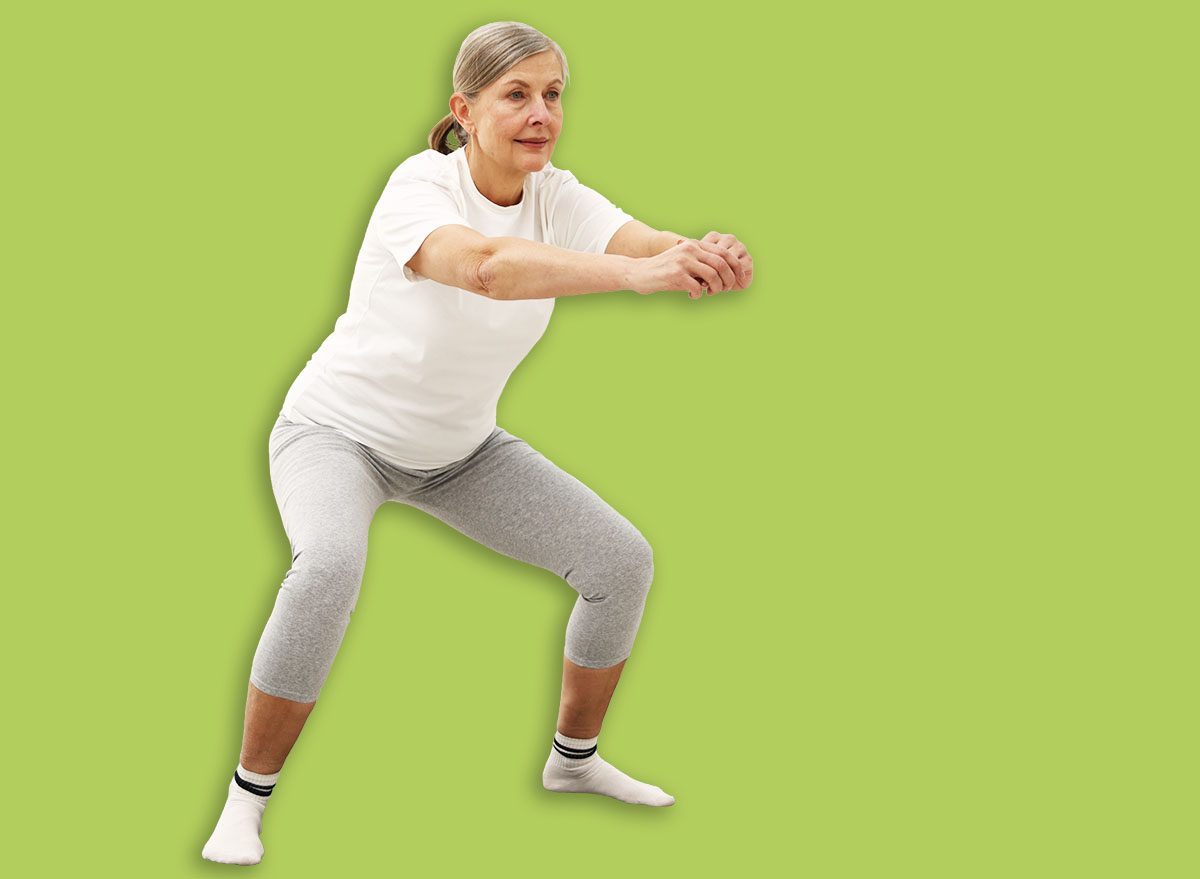
- The Technique: Holding the counter, take a controlled step backward. Lower the back knee toward the floor while keeping the front shin vertical.
- Implication: This addresses the common issue of one-sided instability, ensuring your weaker leg catches up to the stronger one.
3. The Counter-Supported Split Squat
By keeping one leg forward and one back, you eliminate the need for dynamic balance.
- The Technique: Stagger your feet in a wide stance. Lower your hips straight down, keeping your front heel firmly planted.
- Implication: This exercise provides high-intensity tension for the front thigh, which is crucial for climbing stairs without hesitation.
4. The Counter-Supported Standing Leg Extension
Often, the muscle responsible for locking the knee—the vastus medialis—becomes weak due to inactivity.
- The Technique: Stand straight, holding the counter. Keep your thigh stable while extending your lower leg forward, focusing on squeezing the muscle above your kneecap.
- Implication: This provides direct isolation, strengthening the muscles that keep the kneecap tracking properly.
5. The Incline Counter Plank
Knee health is inextricably linked to core stability. If your torso is unstable, your legs have to work harder to compensate.
- The Technique: Place your hands on the counter and walk your feet back until your body forms a straight line. Engage your glutes and core.
- Implication: A strong core acts as a "base" for the legs, preventing the lower back and knees from taking on unnecessary strain during daily activities.
Professional Perspectives
Physical therapists and geriatric fitness specialists have long championed the "functional movement" approach. Dr. Elena Richards, a specialist in aging and mobility, notes, "Many seniors stop exercising because they fear the ‘gym environment.’ By bringing these movements into the kitchen, we reduce the barrier to entry. Consistency is the primary driver of biological adaptation. If you do these exercises while waiting for the coffee to brew, you are far more likely to maintain the habit than if you have to drive across town to a facility."
The consensus among experts is clear: the goal of these exercises is not to build massive hypertrophy, but to improve neuromuscular control. When your nervous system trusts your legs to hold your weight, the pain signal—often triggered by uncertainty and weakness—diminishes significantly.
Implications for Longevity and Independence
The broader implication of this training is the preservation of independence. The ability to navigate a home, step into a bathtub, or walk through a grocery store without fearing a "buckling" knee is the difference between active aging and sedentary decline.
By utilizing the kitchen counter as your personal training station, you are not just working out; you are investing in the mechanics of your daily life. The strength gained here is functional, immediate, and lasting. As you progress, you will notice that the "guarded" feeling in your knees begins to dissipate, replaced by a newfound sense of stability.
Final Advice for Success:
- Listen to your body: There is a difference between muscle fatigue and joint pain. If you feel sharp pain in the joint, adjust your range of motion.
- Consistency over intensity: It is better to perform 10 minutes of these movements daily than a 60-minute session once a week.
- Stay hydrated and nourished: Muscle protein synthesis is more difficult after 60; ensure you are consuming enough protein to support the recovery of the tissues you are working.
Rebuilding your strength does not require heavy iron; it requires patience, a sturdy surface, and the willingness to move with intent. Your kitchen is the perfect place to start.
