

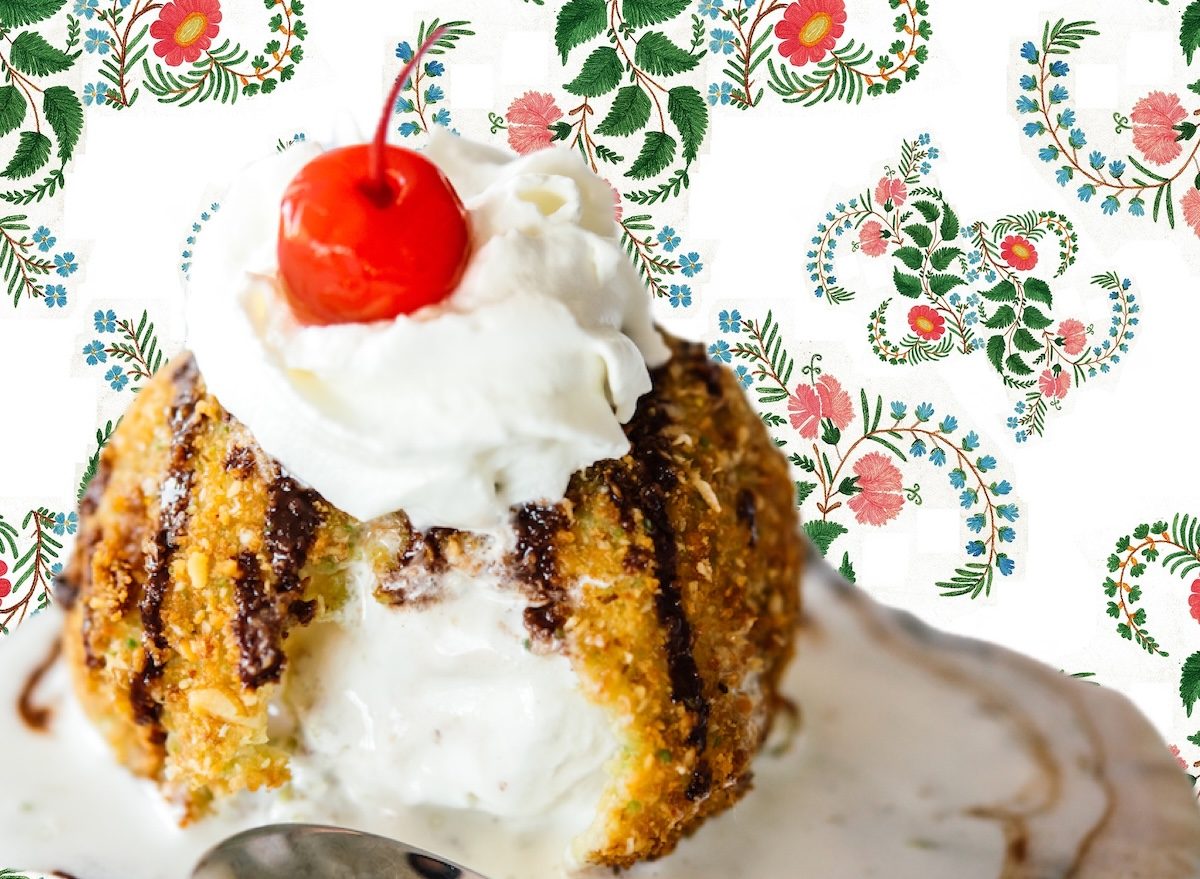
The first time a diner encounters fried ice cream on a menu, the reaction is almost always one of disbelief. How can a substance defined by its sub-zero temperature and delicate molecular structure survive the aggressive, high-heat environment of a deep fryer? It seems to defy the laws of physics, yet it has become a cornerstone of Mexican-American dessert culture.
This dish—a sphere of ice cream encased in a crispy, golden-brown shell—is more than just a sweet treat; it is a masterclass in textural contrast. The juxtaposition of a scorching, crunchy exterior against a silky, rapidly melting interior is nothing short of addictive. For many, it represents the grand finale of a restaurant visit, elevating a standard dessert experience into something theatrical.
As dining trends evolve, the "classic" fried ice cream has held its ground. According to enthusiasts and frequent diners across the country, several restaurant chains have mastered this complex preparation, ensuring consistency, quality, and that all-important "wow" factor. Here is a deep dive into the industry leaders currently serving the best fried ice cream in the United States.
1. Chevys Fresh Mex: A Masterclass in Presentation
At Chevys Fresh Mex, the approach to fried ice cream is rooted in architectural precision. The dish is not merely tossed on a plate; it is constructed to be a centerpiece.
The Composition
The process begins with high-quality, creamy vanilla ice cream, which is rolled in a proprietary crispy coating before being flash-fried. This ensures the exterior achieves a golden crunch without compromising the integrity of the ice cream inside. The sphere is then perched atop a bed of cinnamon-dusted tortilla strips, providing an additional layer of texture. The final assembly involves a generous drizzle of house-made caramel and rich chocolate sauces, finished with a crown of whipped cream.
Diner Sentiment
The attention to detail has not gone unnoticed. One patron described the experience as "fit for a magazine shoot," noting that the combination of freshly made tortillas and the perfectly assembled dessert creates a sensory experience that feels both indulgent and crafted.
2. El Torito: The Gold Standard of Texture
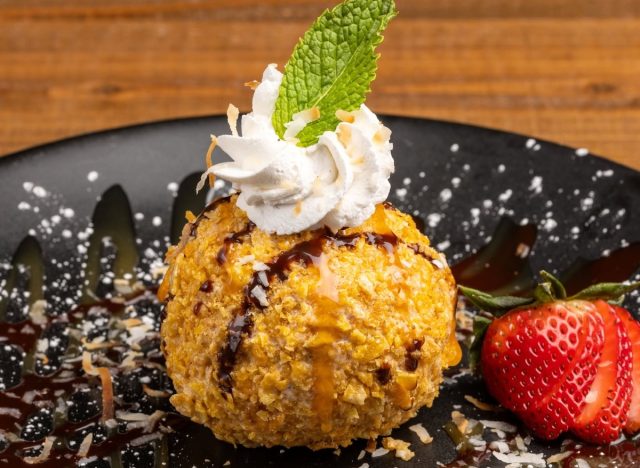
El Torito has long been a staple for those seeking authentic Mexican-American flavors, and their dessert menu is no exception. Their take on the iconic treat leans into the traditional flavor profile while adding subtle, elevated garnishes.
The Flavor Profile
El Torito utilizes a classic cinnamon-sugar crust, which provides a familiar, warming aroma that pairs beautifully with the cold, vanilla-bean base. What sets their version apart is the use of roasted coconut, which adds a distinct nuttiness and an extra layer of crunch that complements the chocolate and caramel drizzles.
Supporting Data
Reviews consistently highlight the reliability of this dessert. Diners frequently mention that even after a heavy meal of fajitas or enchiladas, the "fantastic" nature of the fried ice cream makes it a mandatory order. It is the kind of dessert that defines the "comfort food" category for the brand’s loyal customer base.
3. Jose Pepper’s: The "Very Berry" Innovation
While many chains stick to the traditional vanilla base, Jose Pepper’s has experimented with variations that push the boundaries of the dish. Their "Very Berry" Fried Ice Cream is a standout, particularly for those who prefer a tart, fruit-forward finish to their meal.
Culinary Implications
By incorporating berry elements, the restaurant cuts through the richness of the fried shell and the sweetness of the dairy. This creates a more balanced palate experience. Diners have reported that this version is particularly popular for groups, as it serves as a communal, shared treat that facilitates conversation and celebration.
Community Feedback
In reviews spanning various locations, the sentiment is clear: Jose Pepper’s has turned the dessert into an event. "Everyone enjoyed their meal, and we all loved the fried ice cream," is a common refrain from patrons, highlighting the social utility of a well-executed, shareable dessert.
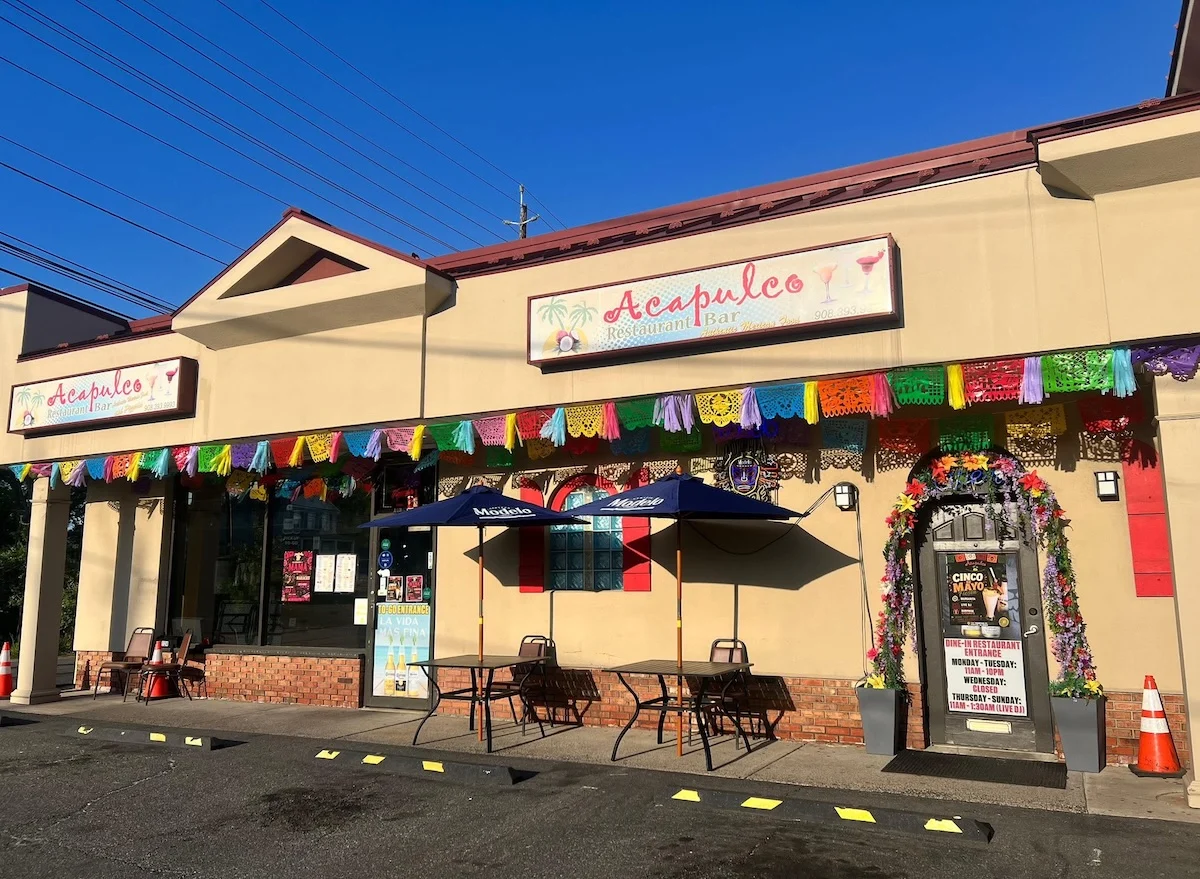
4. Acapulco Restaurant and Cantina: The Heat and Sweet Balance
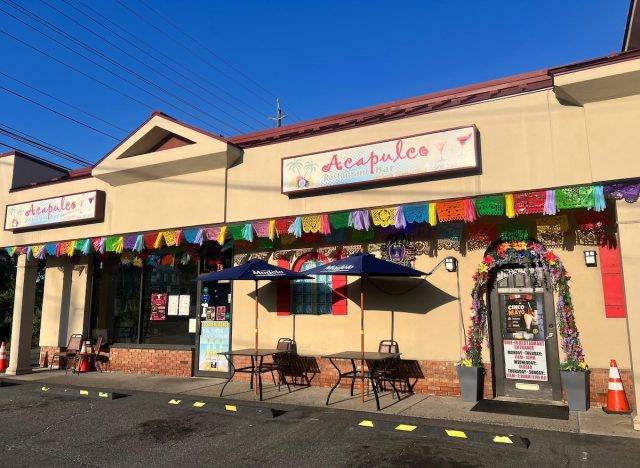
Acapulco Restaurant and Cantina brings a sophisticated touch to the dish by incorporating a chipotle-chocolate sauce. This inclusion of a subtle, smoky heat provides a complex counterpoint to the sweetness of the ice cream.
The Culinary Logic
The use of chipotle is a nod to traditional Mexican flavor pairings, where chocolate and chili have coexisted for centuries. In the context of a dessert, the spice is faint, acting as a "wake-up call" for the taste buds that balances the cooling effect of the ice cream.
Official Diner Perspective
Patrons often pair the dessert with the restaurant’s renowned table-side guacamole. The contrast between the savory, fresh, and cold guacamole and the hot, fried, and sweet ice cream encapsulates the "high-low" dining experience that makes chains like Acapulco so enduring.
5. Casa Olé: The "Mexican Sundae" Evolution
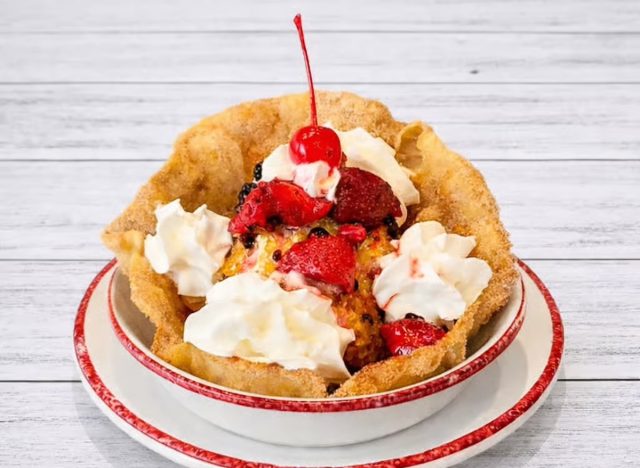
Casa Olé takes a slightly different approach, opting for the "Mexican Sundae" format. Instead of a traditional sphere, they fry a flour tortilla bowl to create a crispy vessel for the ice cream.
Structural Analysis
By using a fried tortilla bowl, the restaurant maximizes the "crunch-to-cream" ratio. Every spoonful of ice cream can be paired with a piece of the crispy, cinnamon-dusted shell. It is a brilliant example of utilizing existing kitchen equipment—the tortilla fryer—to create a distinct dessert product.
Diner Recommendations
Frequent diners often suggest pairing the Mexican Sundae with the chain’s warm sopapillas topped with rum sauce. It is this variety of texture—the crunch of the sundae bowl, the softness of the sopapilla, and the temperature play—that keeps customers returning to the brand.
The Science and Chronology of the Deep-Fried Dessert
The origin of fried ice cream is a subject of much debate, with claims ranging from the 1893 Chicago World’s Fair to mid-century Japanese tempura chefs. However, in the context of the American restaurant industry, the dish began to gain significant traction in the 1970s and 80s as Mexican-themed casual dining chains expanded across the suburbs.
The Physics of the Fry
The success of this dish relies on a concept known as thermal insulation. To prevent the ice cream from melting into a puddle upon contact with oil heated to 375°F (190°C), the ice cream must be:
- Hard-frozen: It must be kept at extremely low temperatures prior to assembly.
- Double-coated: A protective barrier—usually a batter or a crumb coating like cornflakes or crushed cookies—acts as an insulator.
- Flash-fried: The goal is to cook the exterior to a golden brown in a matter of seconds. If the item stays in the oil for too long, the heat eventually penetrates the insulation, and the internal structure collapses.
Industry Implications
For restaurant chains, fried ice cream is a high-value item. It utilizes relatively inexpensive ingredients (ice cream, flour, sugar, oil) to create a high-perceived-value dessert. Furthermore, the theatricality of the dish—the smell of frying dough and the visual appeal of the sauces—encourages "impulse ordering," which significantly boosts the average check size per table.
Looking Ahead: The Future of the Fried Treat
As the culinary landscape shifts toward more health-conscious options, the fried ice cream sector is adapting. We are seeing a move toward smaller, "bite-sized" portions, as well as the introduction of non-dairy ice cream bases and gluten-free coatings. Despite these modernizations, the fundamental appeal remains the same.
Whether it is the elegant assembly at Chevys or the innovative flavor pairings at Acapulco, the fried ice cream remains a testament to the restaurant industry’s ability to turn simple ingredients into something extraordinary. It reminds us that sometimes, the best culinary experiences are the ones that shouldn’t work—but do, with delicious, crispy, and cold results.
As long as there is a craving for the comfort of vanilla ice cream and the thrill of a warm, crunchy shell, this iconic dessert will continue to hold its place on the menu, delighting new generations of diners one deep-fried scoop at a time.
