

Achieving a singular "peak" of color in a garden is a manageable feat for most amateur horticulturists. However, the true mark of a master gardener lies in the orchestration of a landscape that breathes, evolves, and maintains a cohesive, continuous display of beauty from the first thaw to the final frost. In the rolling hills of Redding, Connecticut, Heidi Weirether has once again demonstrated that such mastery is not merely a goal, but a lived reality.
Through a series of stunning photographic documentations submitted to Garden Photo of the Day (GPOD), Weirether has provided a masterclass in temporal garden design. By capturing the rapid-fire transitions of her borders between May 30 and June 4, she illustrates how a well-planned garden acts as a living, breathing canvas, shifting its mood and palette in real-time.
The Science and Art of Continuous Bloom
The philosophy behind Weirether’s garden is rooted in the concept of "succession planting"—a strategic approach to horticulture that prioritizes the layering of plant life to ensure that as one variety wanes, another takes center stage. This technique requires an intimate knowledge of plant phenology, light requirements, and the specific microclimates of the Redding landscape.
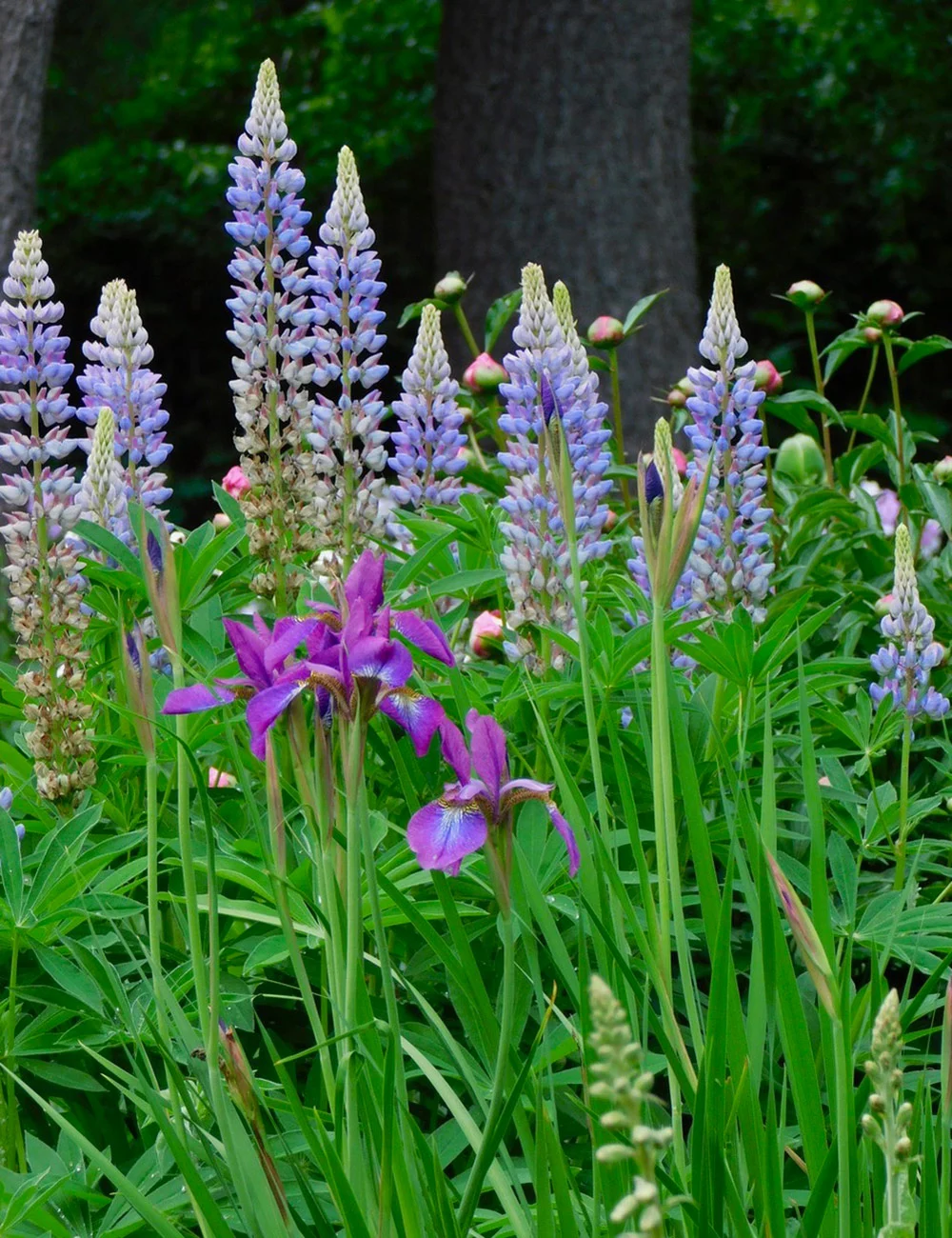
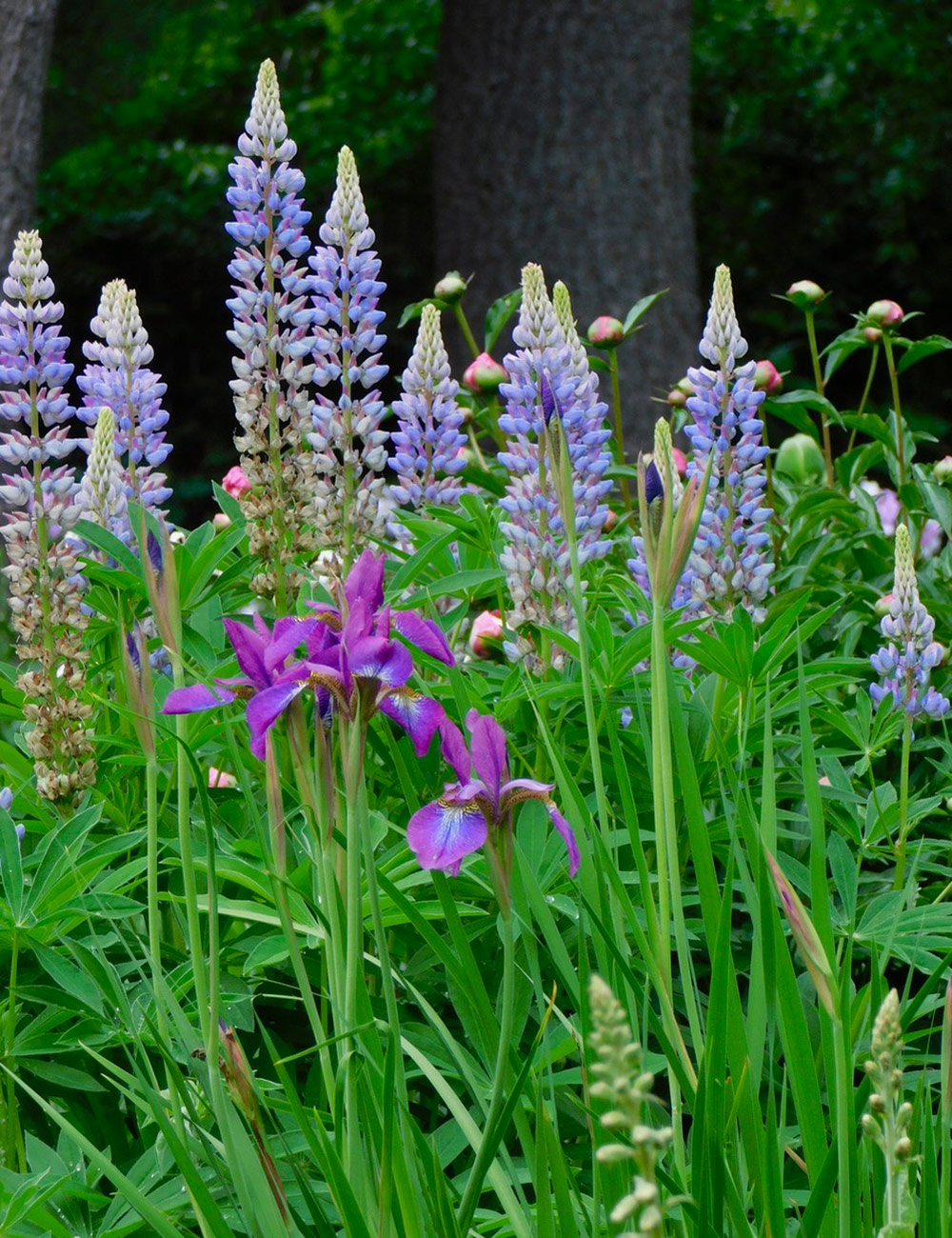
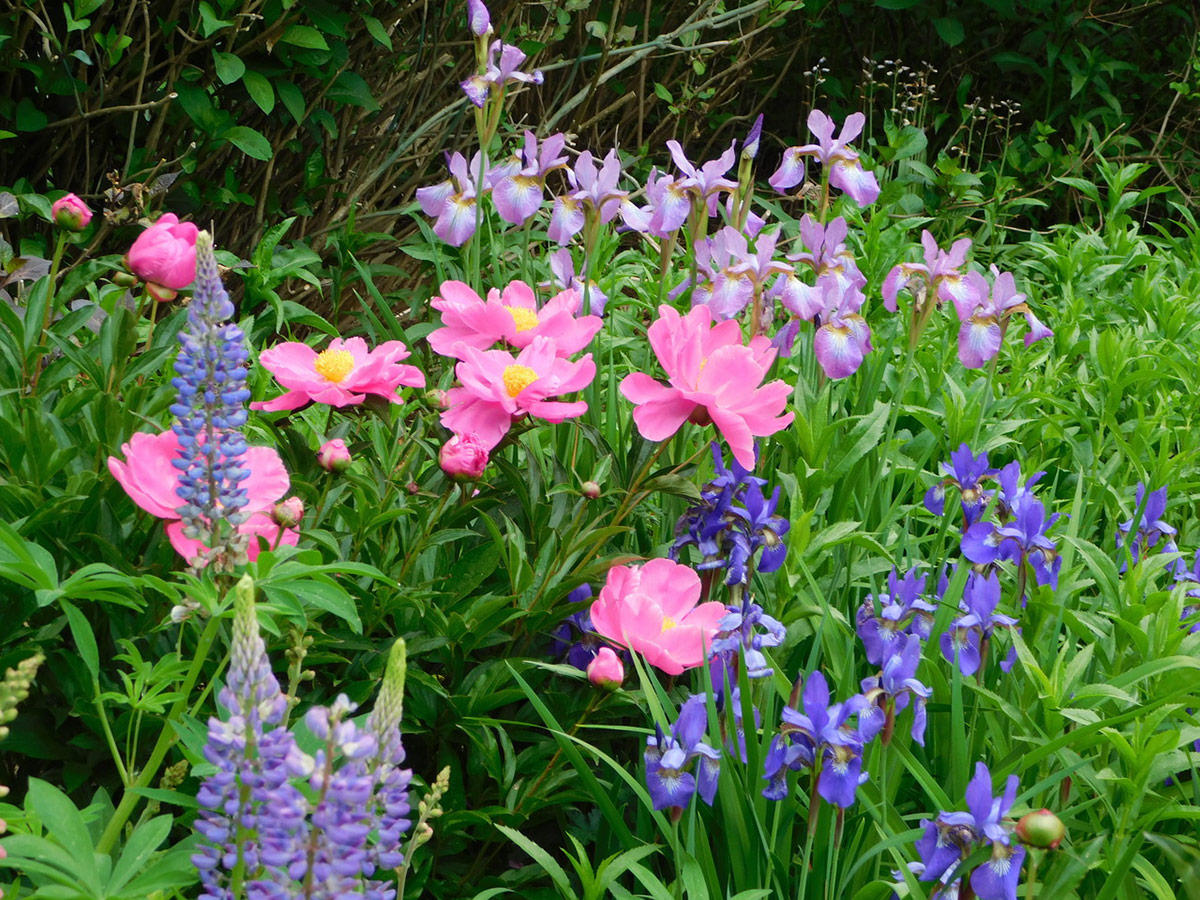
Weirether’s garden is a testament to the fact that continuous color is not just about having "flowers everywhere," but about managing the emotional and visual "temperature" of a space. As she notes, her late-spring garden began the week in a state of cool, serene introspection, anchored by the vertical spires of blue lupines and the architectural elegance of Siberian iris (Iris sibirica). Yet, within a mere 96 hours, that cool-toned serenity had surrendered to a vibrant, warm-blooded exuberance.
Chronology of a Botanical Transformation
The transition documented by Weirether provides a rare, close-up look at the acceleration of the growing season. By mapping the shifts from May 30 to June 4, we can observe the precise mechanics of her border maintenance.
May 30–June 1: The Cool-Toned Foundation
At the onset of the observation period, the primary color story was one of deep blues, purples, and calm greens. The lupines, with their regal spikes, dominated the visual field. They were complemented by the refined, narrow foliage and delicate, sword-like blooms of the Siberian iris. At this stage, the garden possessed a "cool" mood—a classic, sophisticated, and tranquil atmosphere that serves as a hallmark of late spring in New England.
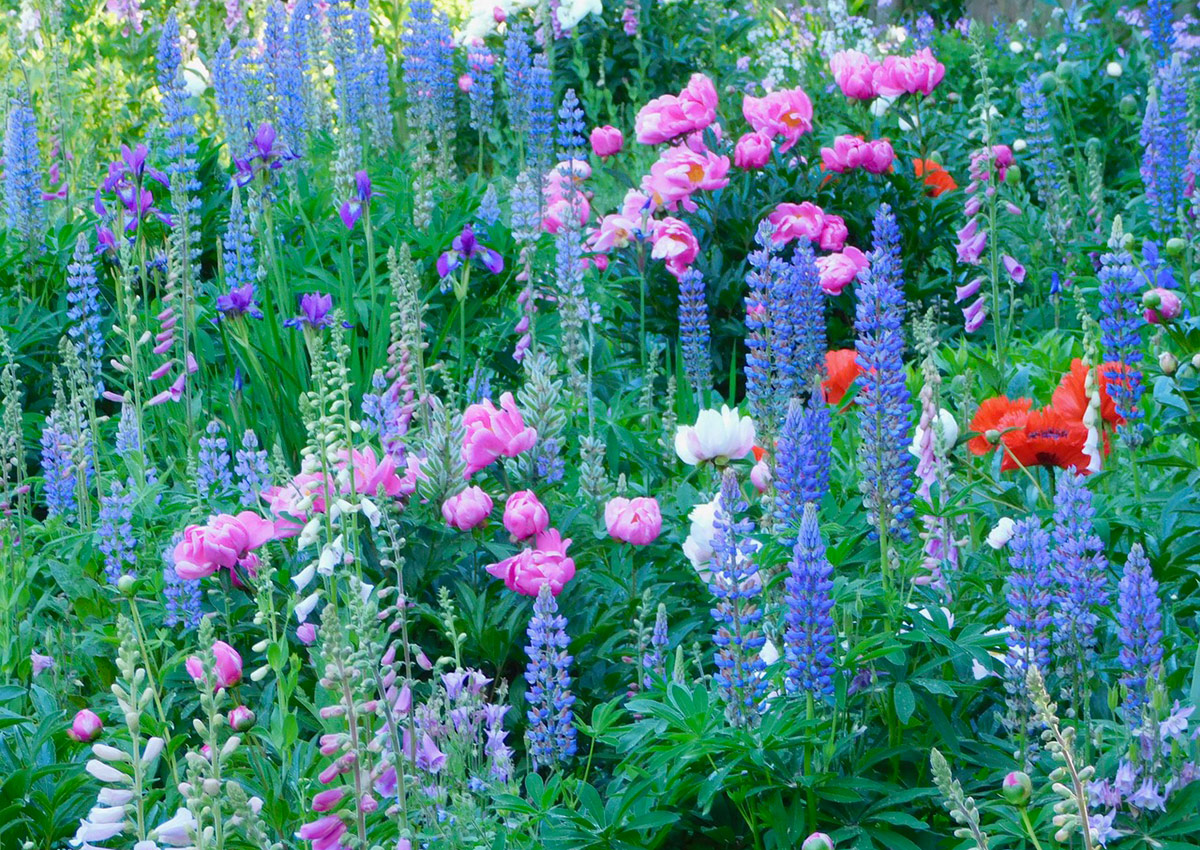
However, hidden beneath this blue canopy, the "warm" players were waiting in the wings. Bright red Oriental poppies (Papaver orientale) and the first buds of lush, pink peonies began to make their presence known, acting as the vanguard for the coming shift.
June 2–June 4: The Warm-Hued Expansion
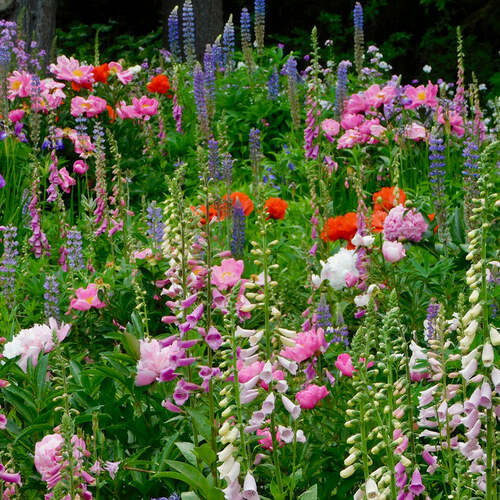
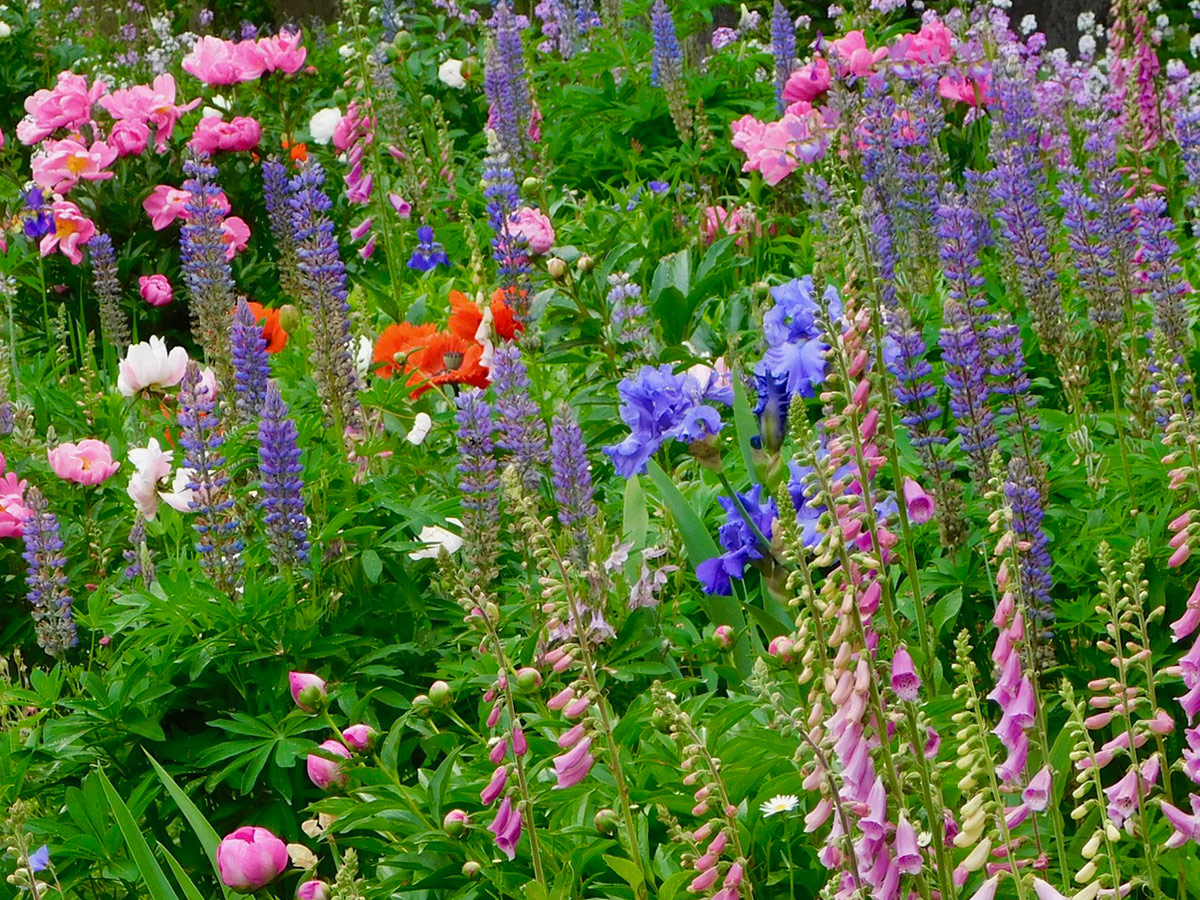
As the lupines began their inevitable fade, the garden’s personality underwent a dramatic pivot. The entry of Digitalis purpurea (foxglove) brought height and a soft, pink luminescence to the borders. The landscape, once dominated by the calming influence of the cool spectrum, began to vibrate with the energy of warmer tones.
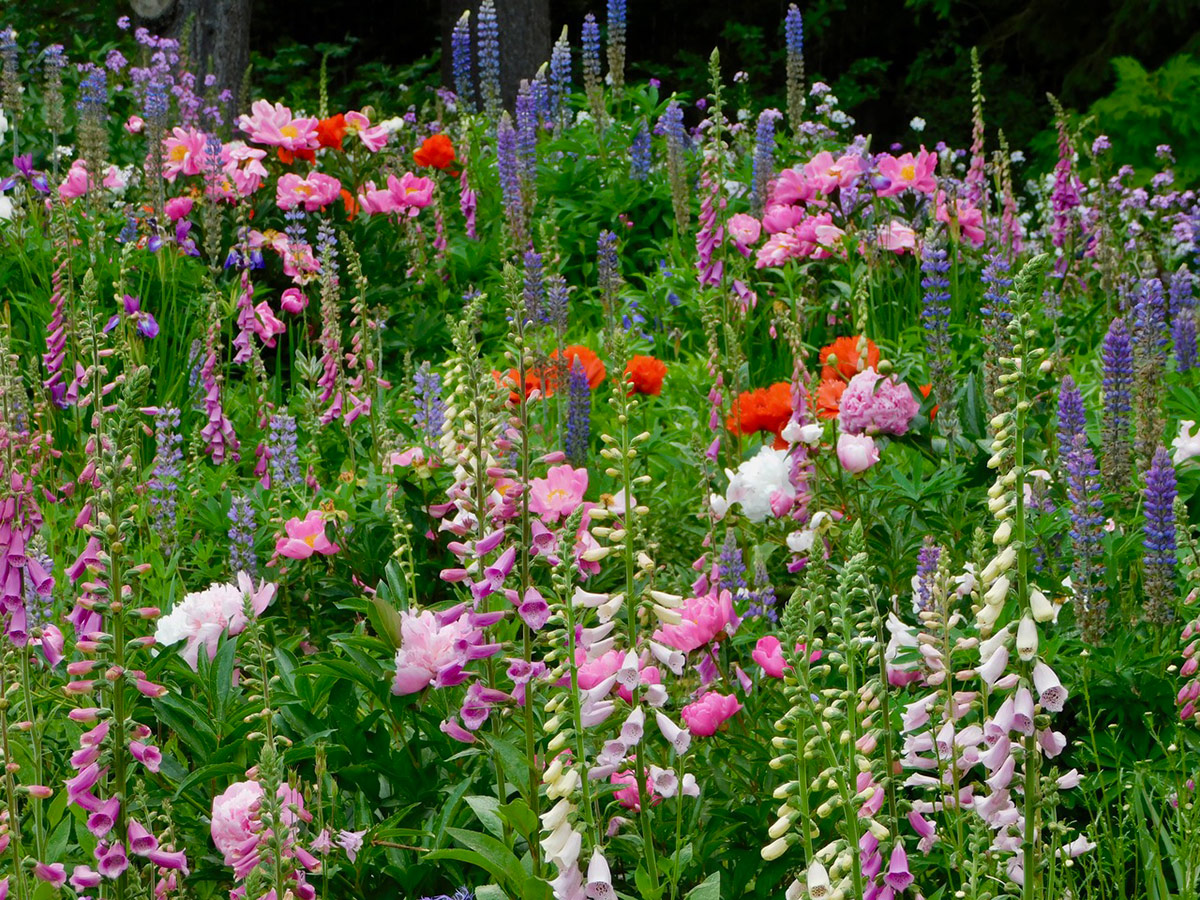
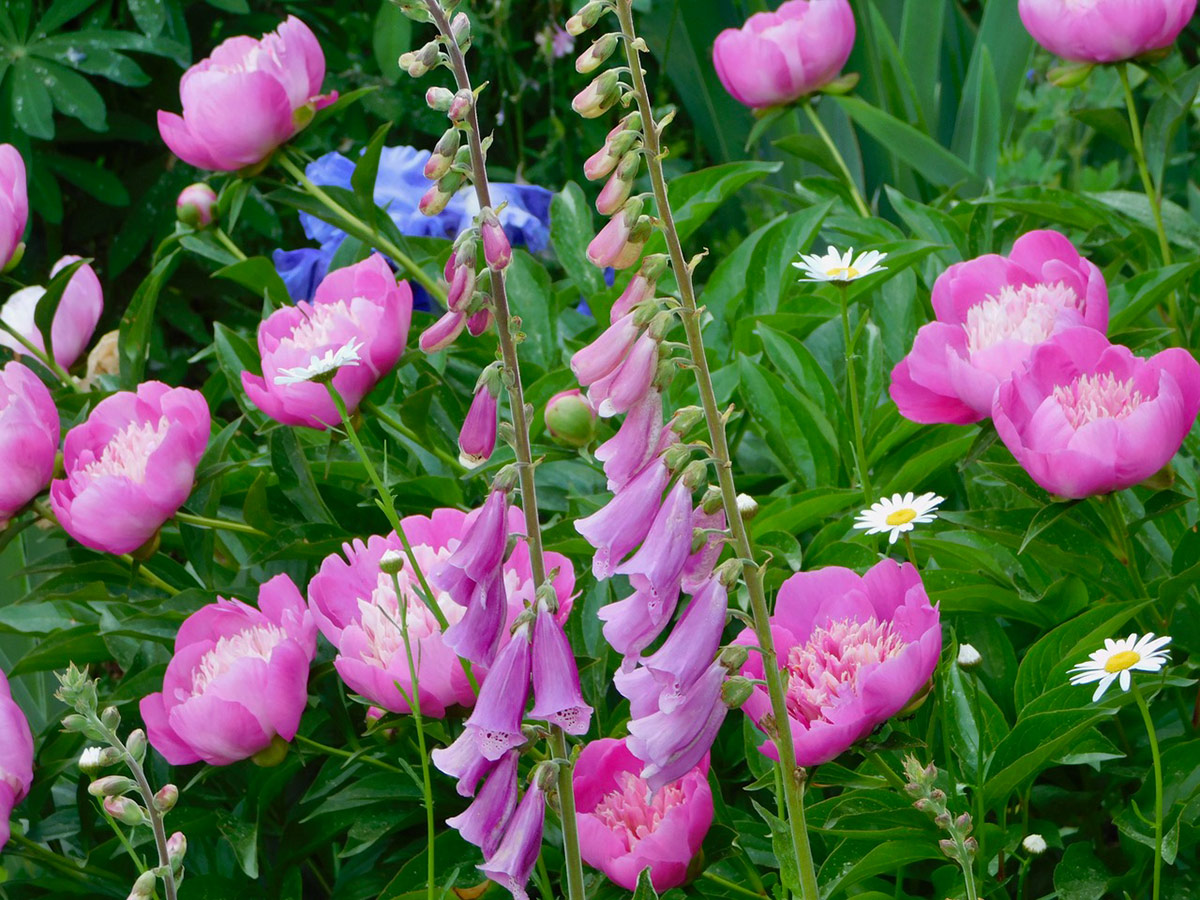
The introduction of the "Bowl of Beauty" peony (Paeonia lactiflora ‘Bowl of Beauty’) served as the exclamation point for this transition. With its ruffled, anemone-like center, this cultivar provides a rich, saturated pink that contrasts beautifully against the fading blues of the iris and the vertical, spotted throats of the foxgloves. The garden ceased to be a quiet meditation and became a celebratory, multi-textural feast.
Supporting Data: The Palette Bridge
A critical element of Weirether’s success is her use of "bridge plants"—varieties that possess a dual-toned or nuanced color profile, allowing them to harmonize disparate color groups.
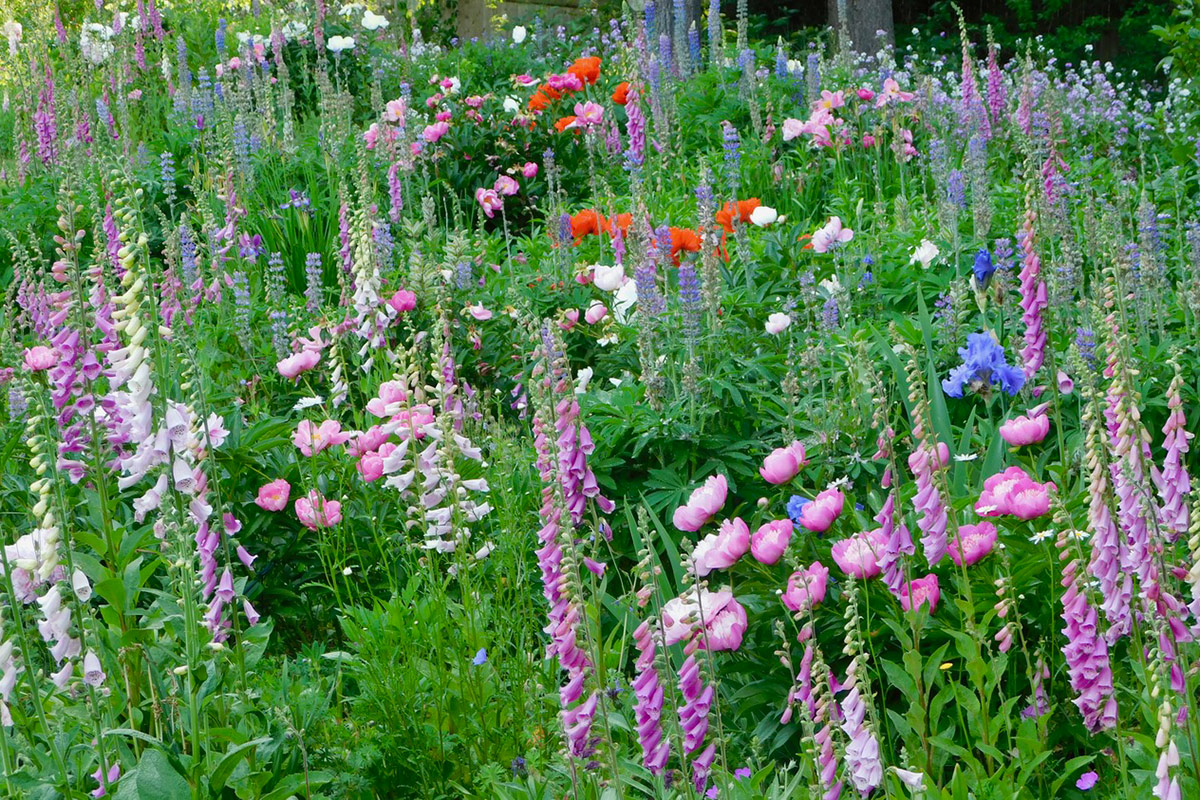
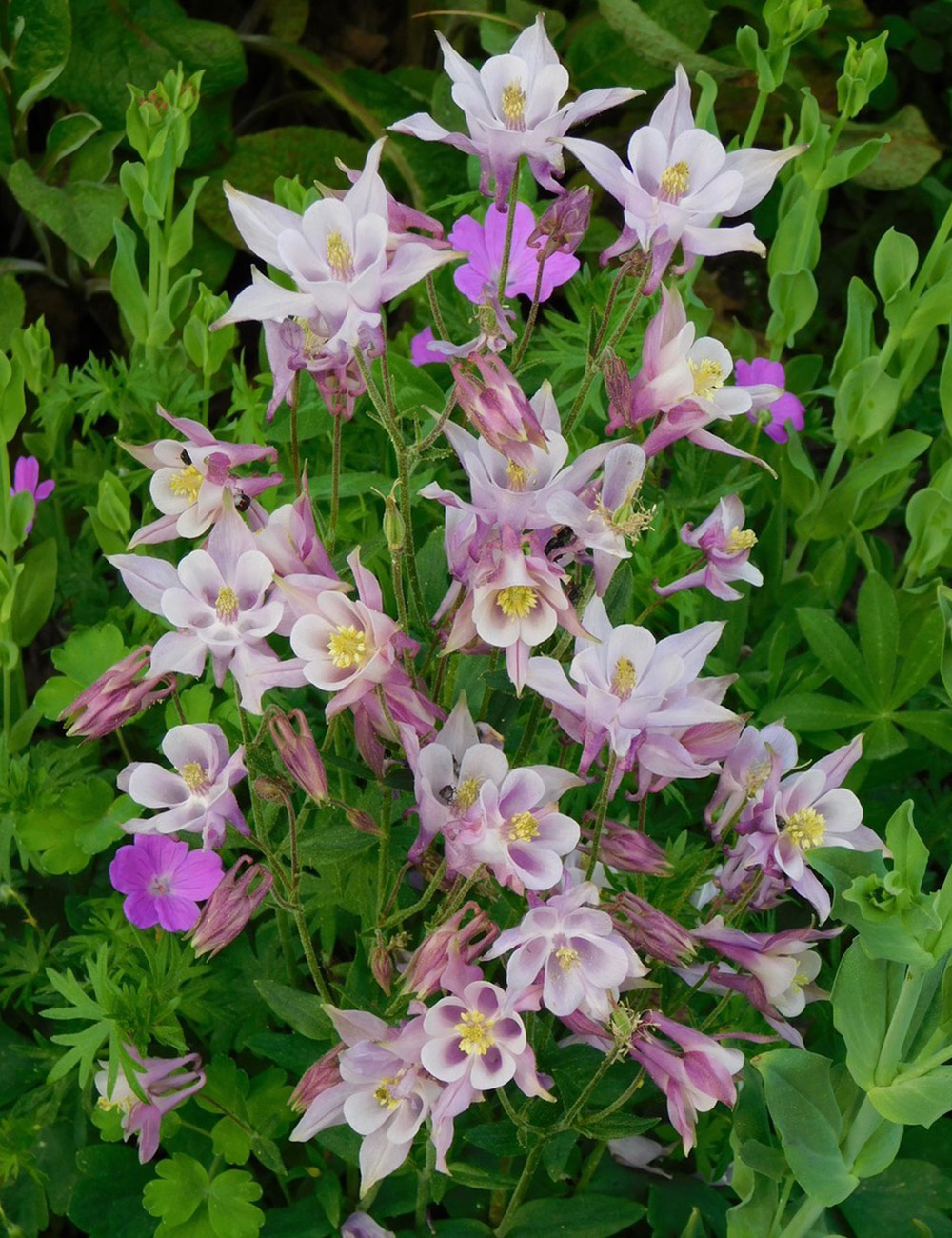
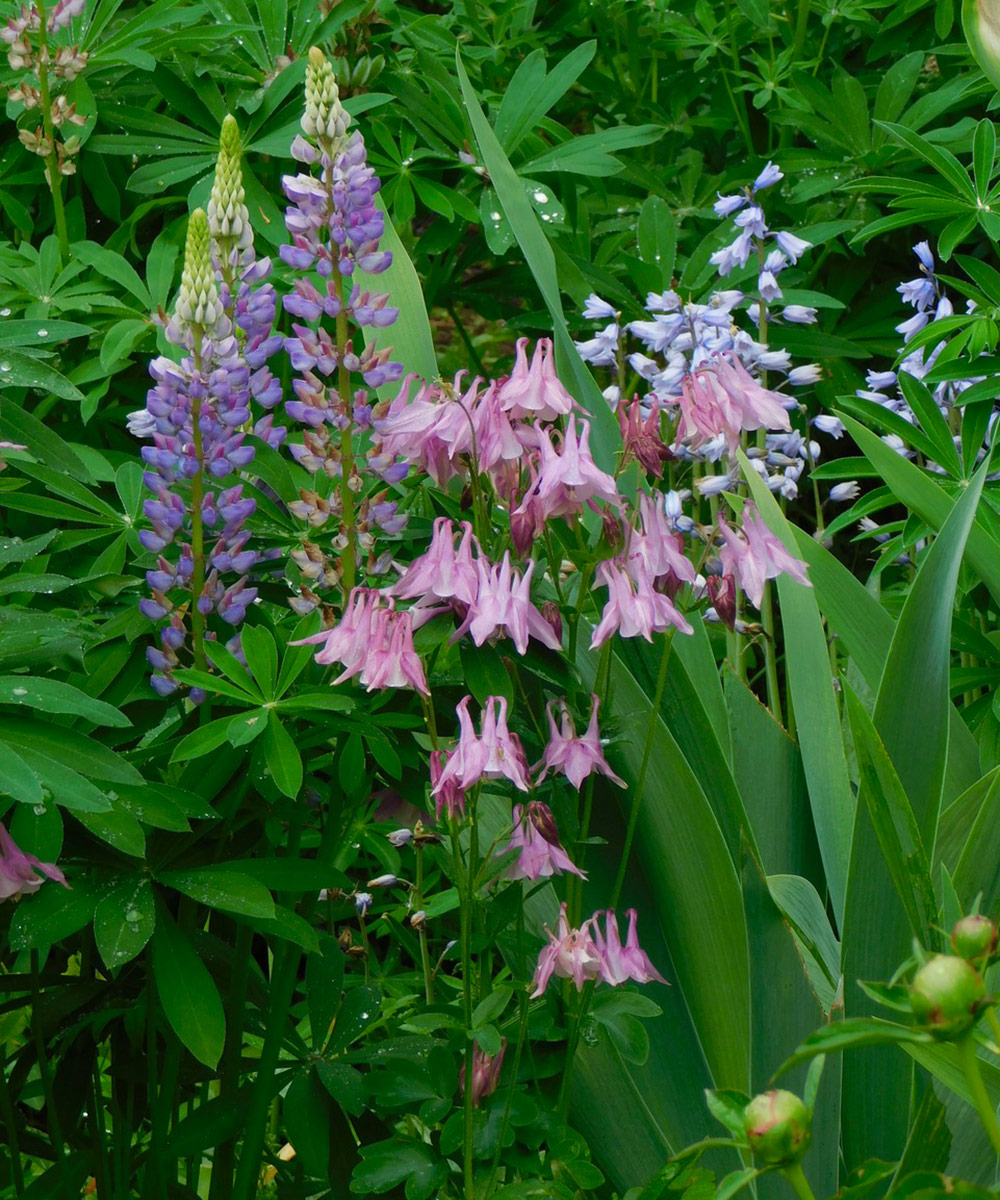
The columbine (Aquilegia vulgaris ‘Winky Pink’) serves as a prime example. These flowers act as a visual mediator. Because they contain both pink and purple pigments, they effectively link the fading cool tones of the iris with the incoming warmth of the peonies. When surrounded by deeper purples, the columbine leans into its cooler side; when paired with pinks, it effortlessly adopts a warmer, rosier hue. This intentional curation prevents the garden from feeling "choppy" during the transition period, ensuring that the shift from spring to early summer feels fluid rather than abrupt.
Horticultural Implications: Planning for the Future
The implications of Weirether’s work are profound for the modern gardener. In an era where many landscapes are dominated by high-maintenance "instant gratification" plantings, her approach emphasizes the value of patience and long-term design.
The Role of Succession
To replicate this level of seasonal choreography, gardeners must consider several key factors:
- Bloom Overlap: Always select plants that begin their show just as the previous group is beginning to decline.
- Foliage Persistence: As seen in Weirether’s borders, the foliage of the fading plants (like the lupines) must be attractive or easily masked by the expanding foliage of the next wave of bloomers.
- The "Bridge" Strategy: Utilizing plants with complex or multi-colored blooms creates a visual bridge that prevents color clashing as the garden shifts from one palette to another.
By documenting these transitions, Weirether is not just sharing photos; she is providing a pedagogical tool for other gardeners to learn how to manage the "moods" of their own backyards.
Expert Perspectives on Seasonal Gardening
Professional landscape designers often cite the "succession of bloom" as the most challenging aspect of garden design. While many gardeners rely on annuals for constant color, the more sustainable and long-lasting approach—as practiced in Redding—relies on a deep understanding of perennials and biennials.
The use of foxgloves, for example, is a classic technique for providing vertical interest that links the lower-growing spring bulbs and iris to the mid-summer shrub roses and lilies. By utilizing Digitalis, Weirether ensures that her borders have "height and heart" throughout the entire transition period.
Furthermore, the choice of the ‘Bowl of Beauty’ peony is a nod to traditional cottage garden aesthetics, updated for a modern, high-impact display. The plant’s ability to anchor a border with its massive, fragrant blooms makes it a cornerstone of the late-spring garden.
Looking Toward the Summer Frenzy
As the calendar inches closer to summer, the garden will continue to evolve. The lessons learned from the late May transition are applicable to the months ahead. The "frenzy" of summer requires the same attention to detail that the spring transition demanded.
For readers interested in following this progression or starting their own journey toward continuous color, the key is observation. As Weirether stated, "It’s always a highlight of the season for me to see how quickly the garden shifts from one mood to the next." This excitement for the ephemeral nature of the garden is the true engine of the successful gardener.
Whether your garden is a small urban courtyard or a sweeping country landscape, the principles of layering, color-bridging, and succession planting remain the same. The transition from the cool, quiet blue of May to the vibrant, hot pinks of June is a reminder that nature is never static—and if we plan accordingly, neither is our garden.
Join the Community
We invite all of our readers to join the conversation. How does your garden evolve as the sun climbs higher in the sky? What are your favorite "bridge plants" for moving from the cool colors of spring to the bold, bright shades of summer?
Whether you are a novice gardener learning the ropes or a seasoned pro with years of experience, we want to see your work. To participate in the Garden Photo of the Day community, please visit our Submission Form or reach out to us via email with your own story of growth, color, and discovery. Together, we can continue to document the incredible, shifting beauty of the world’s gardens, one day at a time.

Happy Gardening!
