

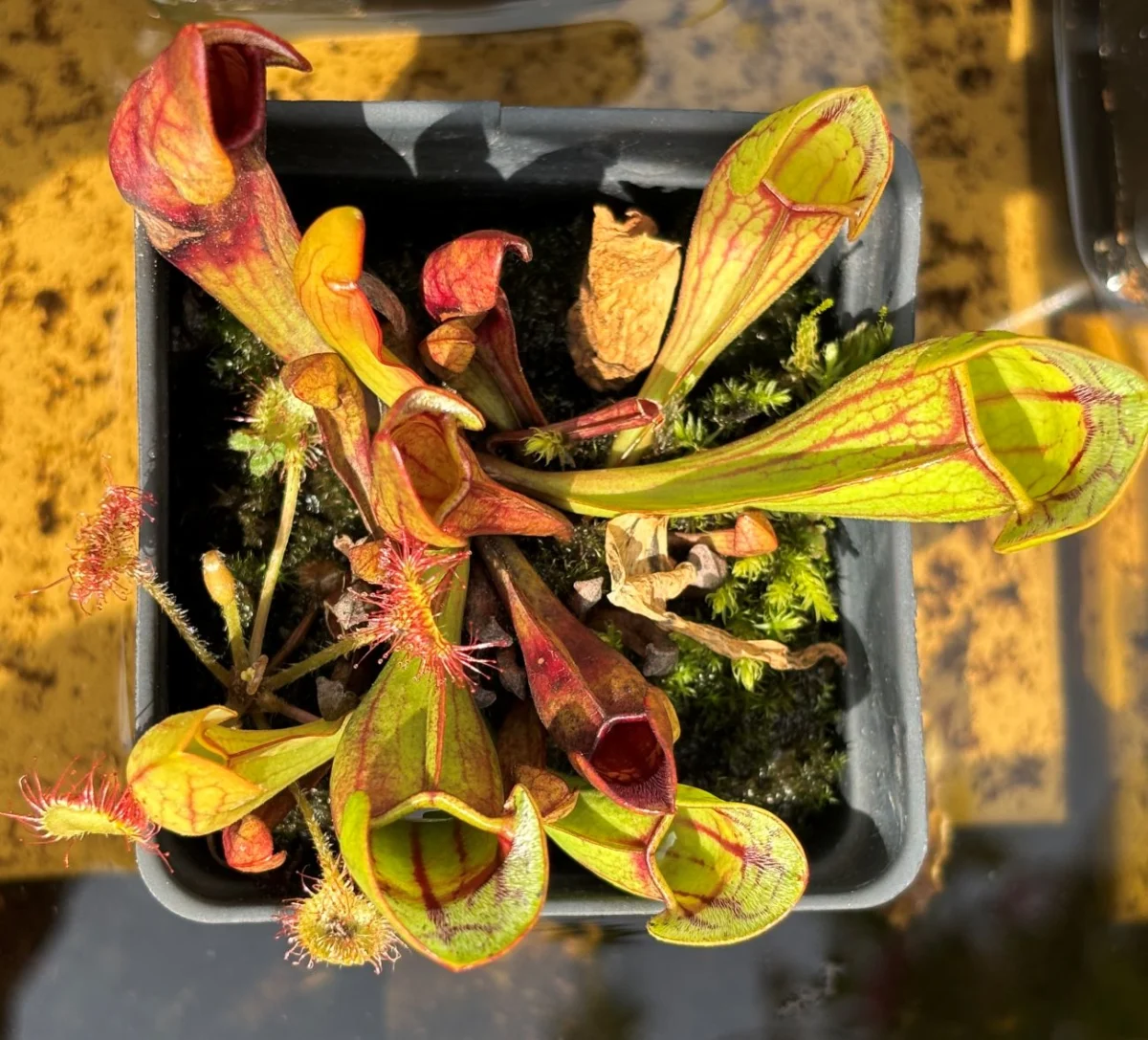
In the quiet, rolling landscape of Otisfield, Maine, Harriet has cultivated a garden that defies the conventional expectations of "soft and sweet" perennial borders. While her estate boasts the classic elegance of peonies, irises, and daylilies, the true crown jewel of her horticultural pursuits is a meticulously curated collection of carnivorous plants. Housed within a rustic slate sink, this assembly of Sarracenia, Drosera, and Dionaea serves as both a biological curiosity and an ornamental masterclass in container gardening.
The Evolution of an Unconventional Collection
The genesis of Harriet’s carnivorous collection lies in a simple act of inspiration. Years ago, while browsing the pages of a gardening blog, she encountered a submission featuring a containerized pitcher plant. What began as a singular, curious experiment rapidly evolved into a specialized hobby.
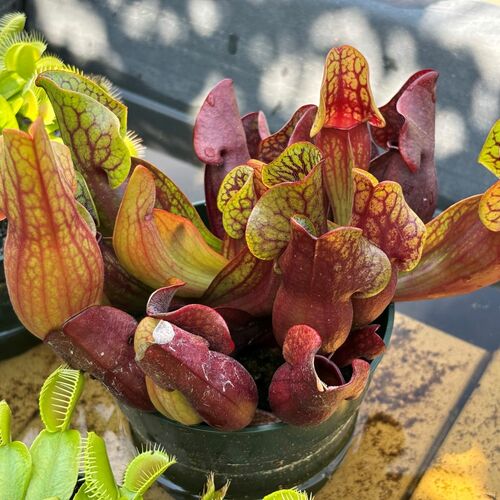
"Mine is a collector’s garden put together as if it were an ornamental display," Harriet explains. Her approach treats these predatory flora not as laboratory specimens, but as aesthetic focal points. By integrating these unique plants into her existing landscape alongside more traditional, long-standing favorites, she has bridged the gap between botanical science and garden design. Today, her collection features a diverse array of species, including the tall, architectural Sarracenia (pitcher plants), the delicate, glistening Drosera (sundews), and the iconic Dionaea muscipula (Venus flytrap).
Chronology of a Summer Display
The seasonal rhythm of the garden dictates the movement of these specialized plants. During the balmy Maine summers, the collection is showcased in a vintage slate sink, which acts as a centerpiece for her outdoor display.
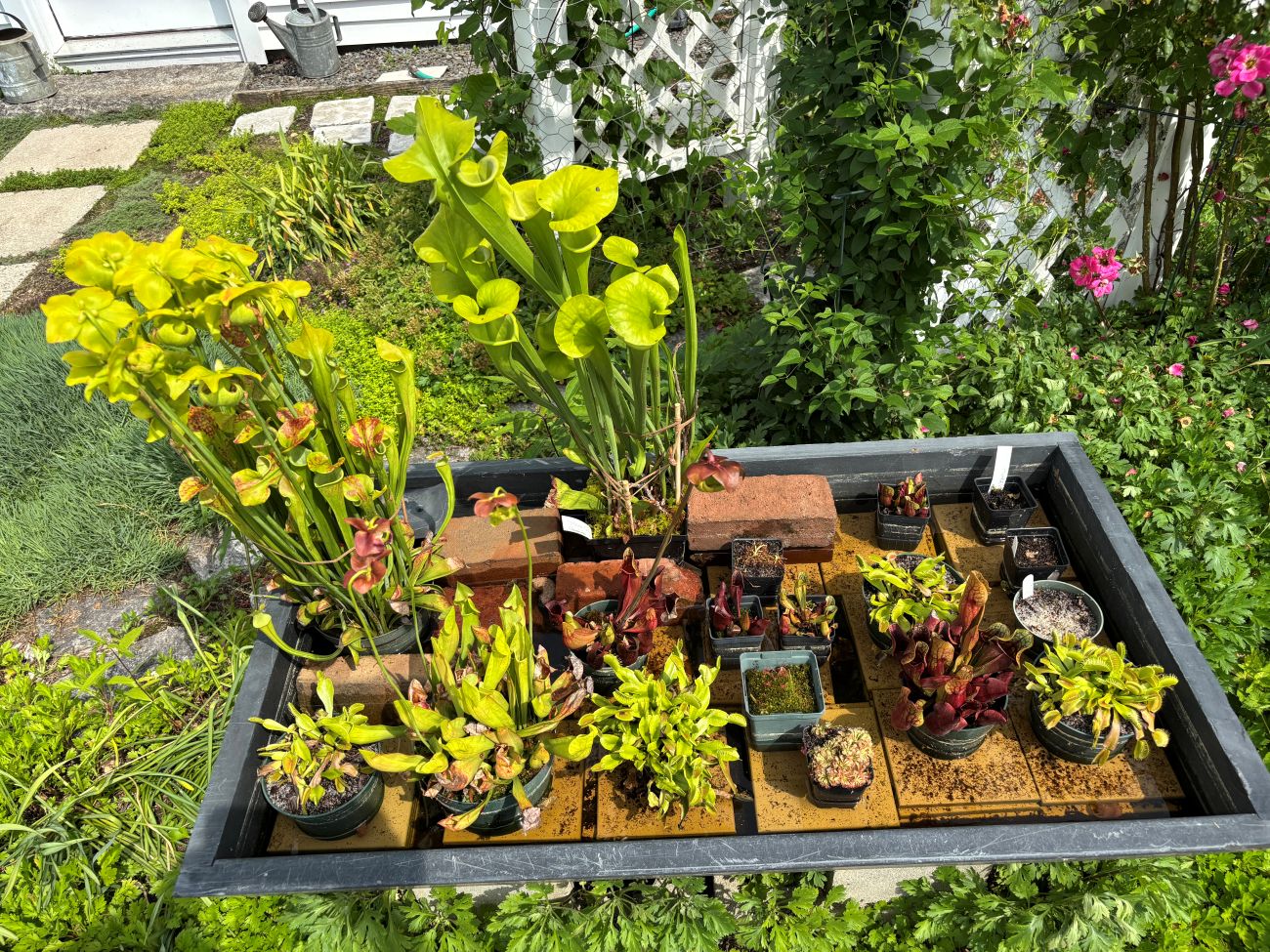
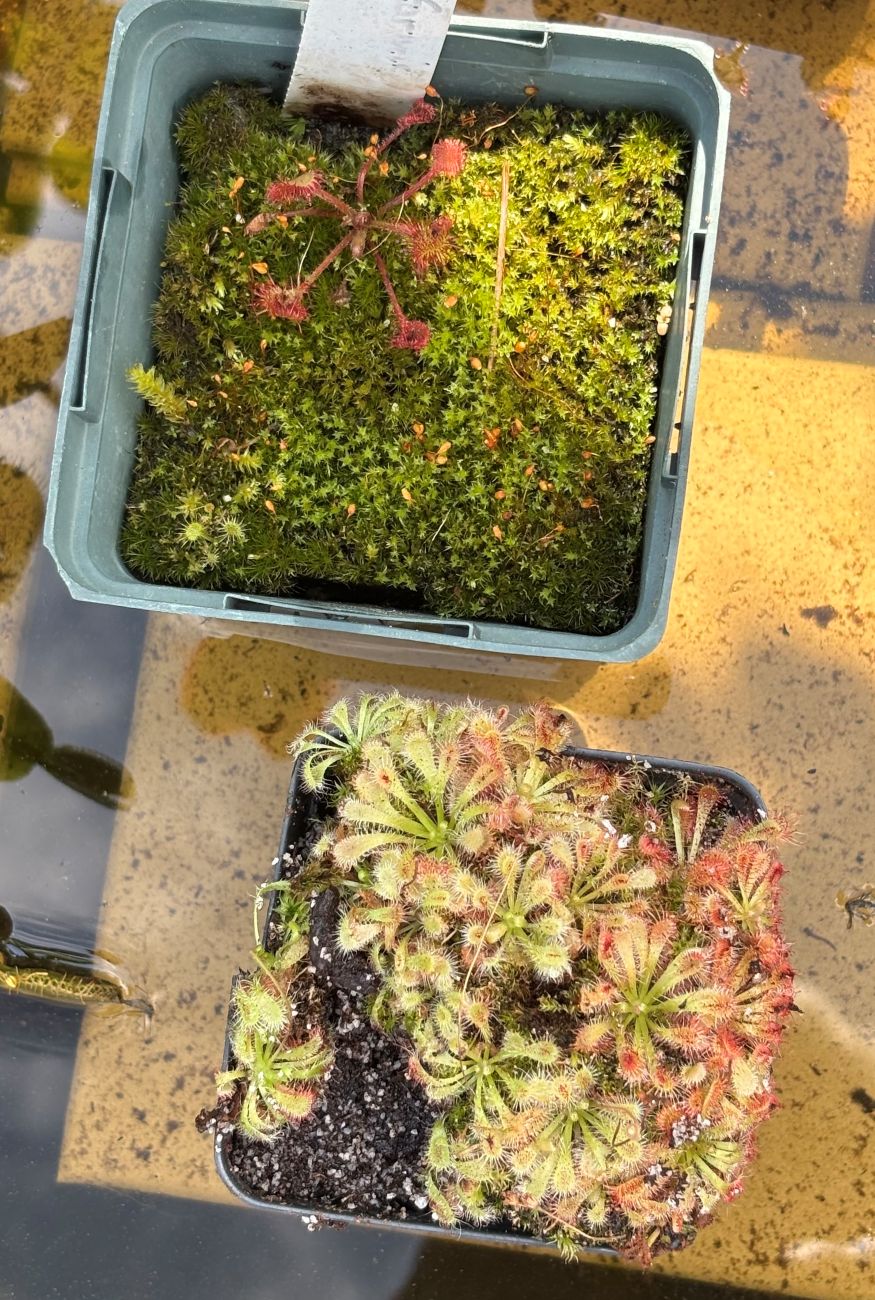
The management of this display requires precision. Harriet employs a system of tiles to elevate the pots; when heavy rains occur, she uses the tiles to prevent the pots from becoming waterlogged, removing them as the water level drops to maintain the ideal moisture balance. This process highlights the meticulous attention to detail required for success with bog-dwelling species.
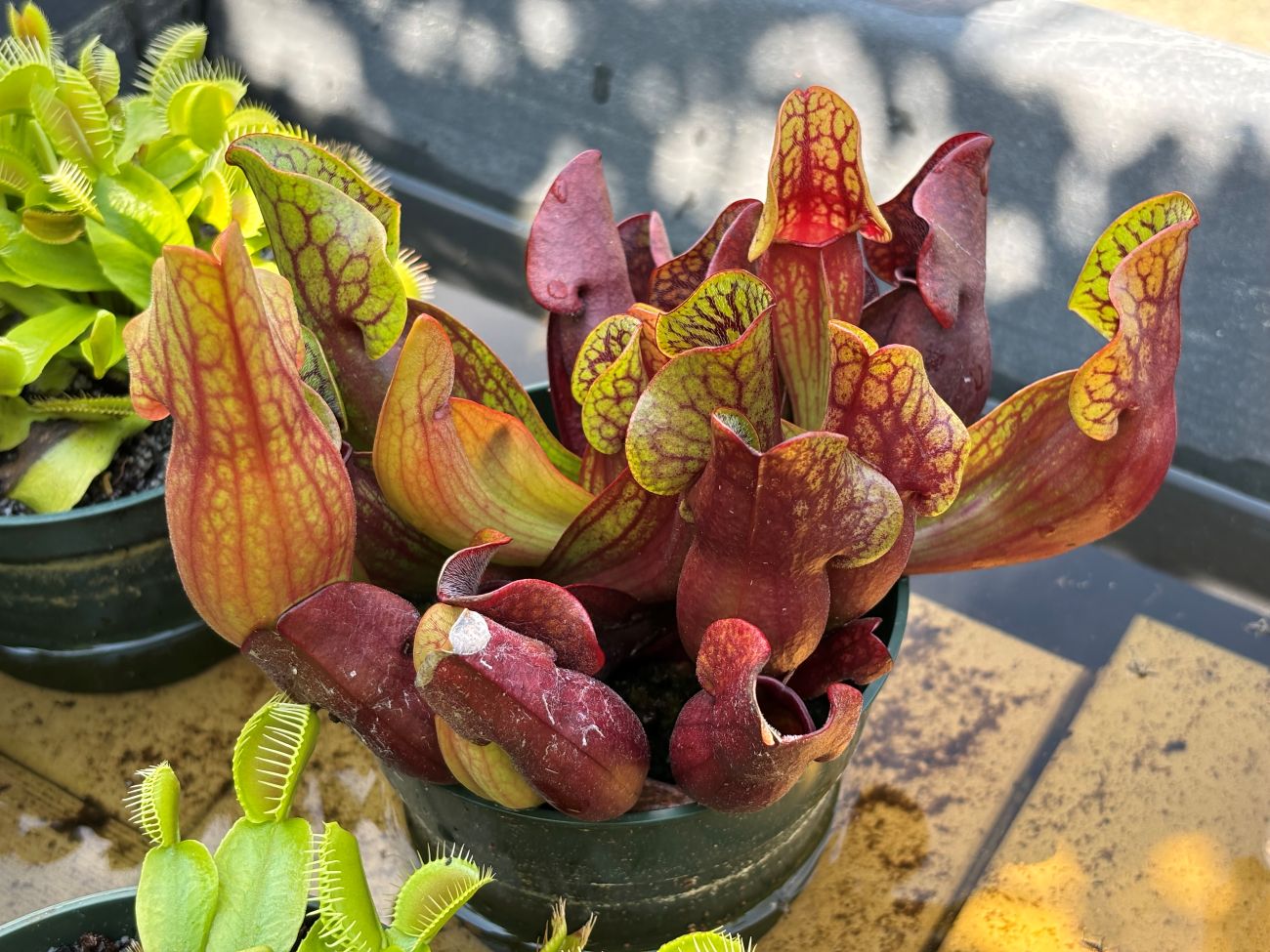
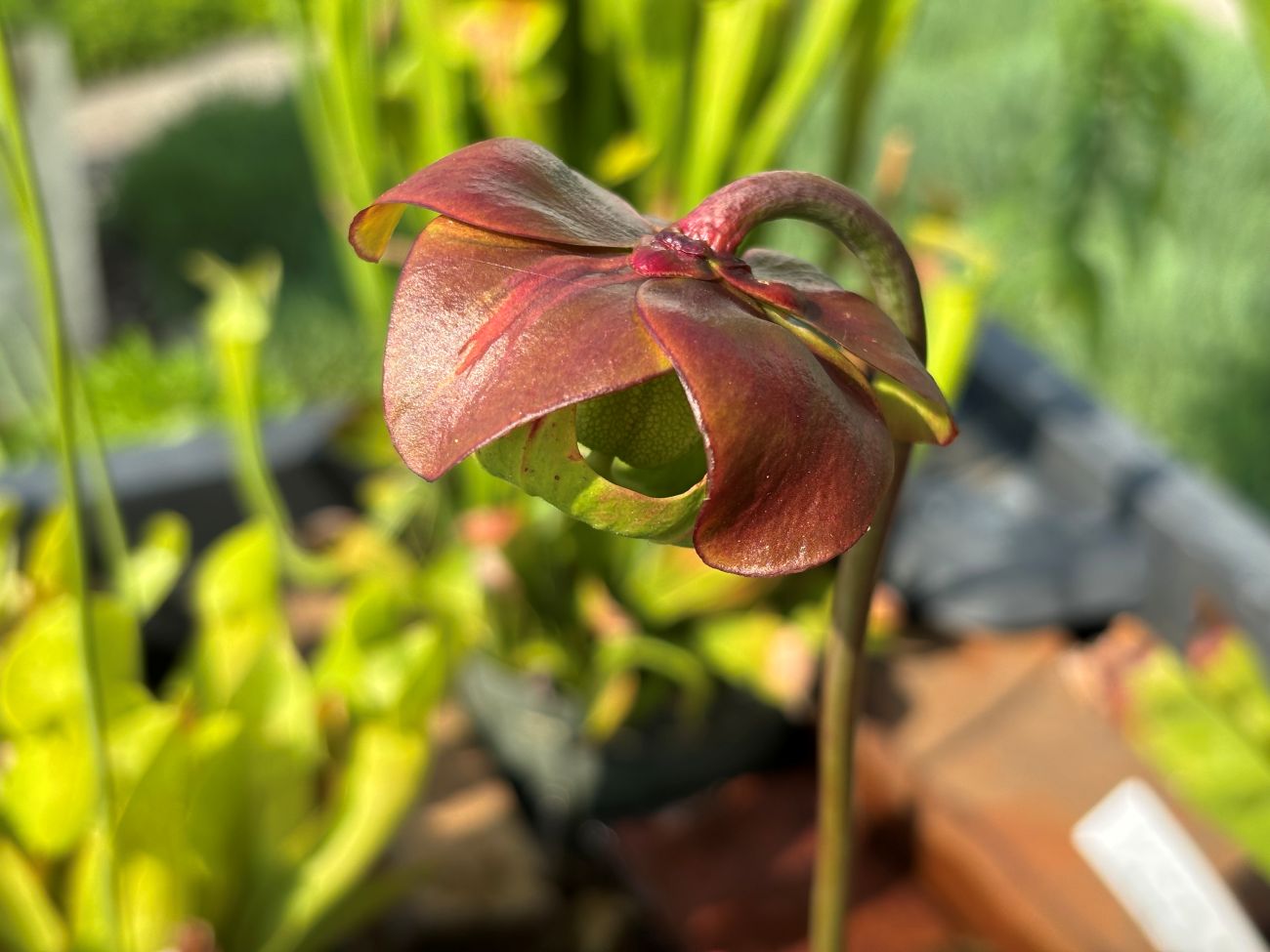
As winter approaches, the narrative shifts from display to survival. Harriet employs a strategic overwintering protocol to protect her collection. The hardier varieties, specifically the purple pitcher plant (Sarracenia purpurea), which is native to Maine, are occasionally submerged in vegetable beds. However, for her more sensitive species, she utilizes an "icebox" method. The plants are placed in coolers within her garage, where they are protected from extreme temperature fluctuations while still experiencing the necessary cold dormancy. During particularly harsh cold snaps, she temporarily migrates the coolers to her mudroom, ensuring the plants do not freeze to death while carefully avoiding a premature break in their dormancy.
Supporting Data: The Biological Requirements
Successful cultivation of carnivorous plants is less about traditional gardening and more about replicating the precise conditions of their native habitats. For the home gardener, understanding these requirements is paramount.
The Water Mandate
Perhaps the most critical factor in Harriet’s success is the absolute prohibition of tap water. Due to the high mineral content typically found in municipal or well water, these plants are highly susceptible to root damage. Harriet has implemented a sustainable solution: she stockpiles rainwater collected directly from her roof. When the sky is dry, she relies exclusively on distilled water. This mimics the nutrient-poor, acidic conditions of bogs where these plants naturally thrive.
Species Profile and Hardiness
Harriet’s collection showcases a sophisticated range of species:
- Green Pitcher Plant (Sarracenia oreophila): A personal favorite of the gardener, this plant is noted for its tall, elegant pitchers and prolific flowering. Though considered endangered in its native Southeastern United States, Harriet has found it surprisingly amenable to germination from seed.
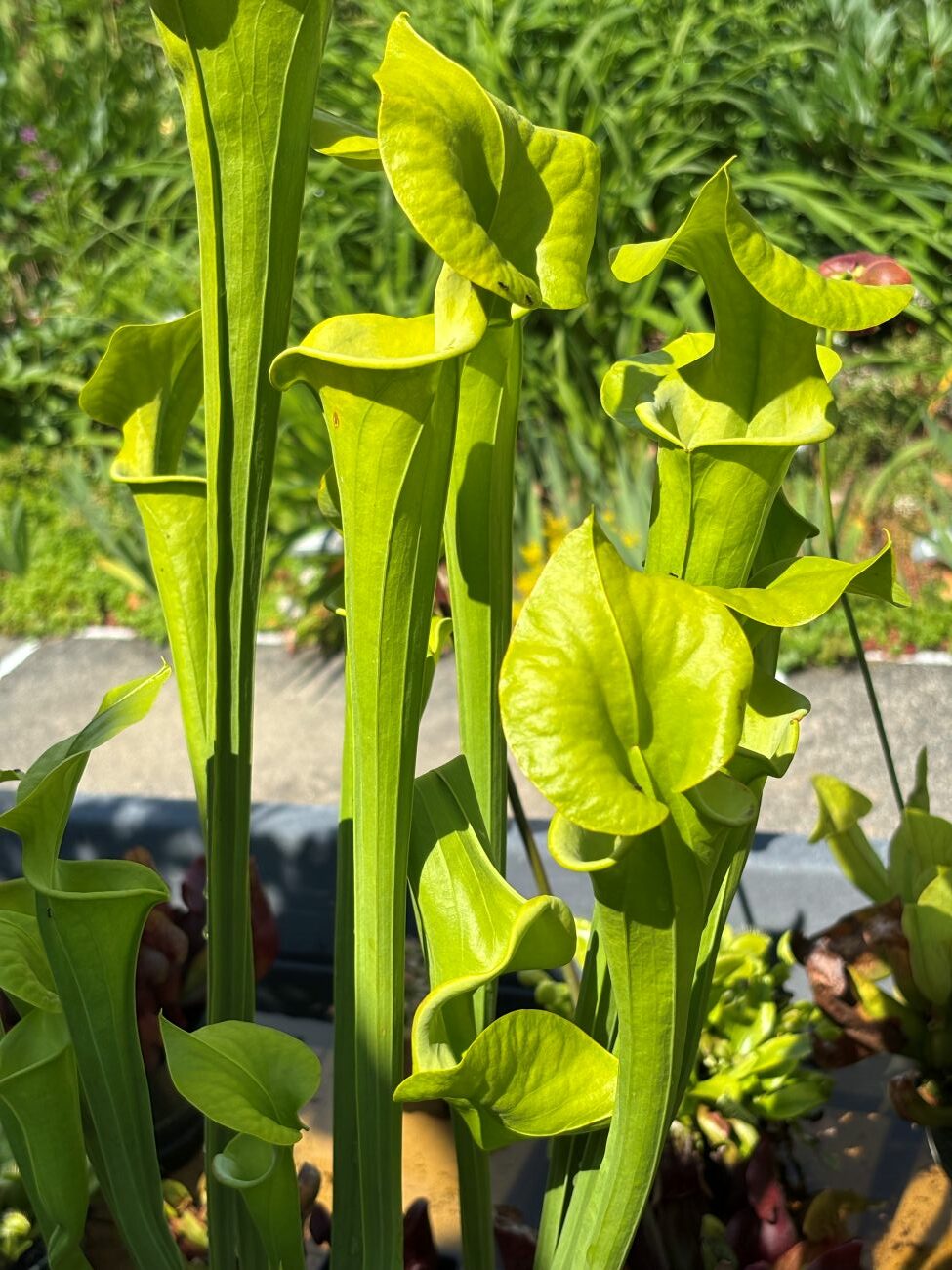
- Yellow Pitcher Plant (Sarracenia flava): Known for its stature and hardiness, this species is another staple of the collection.
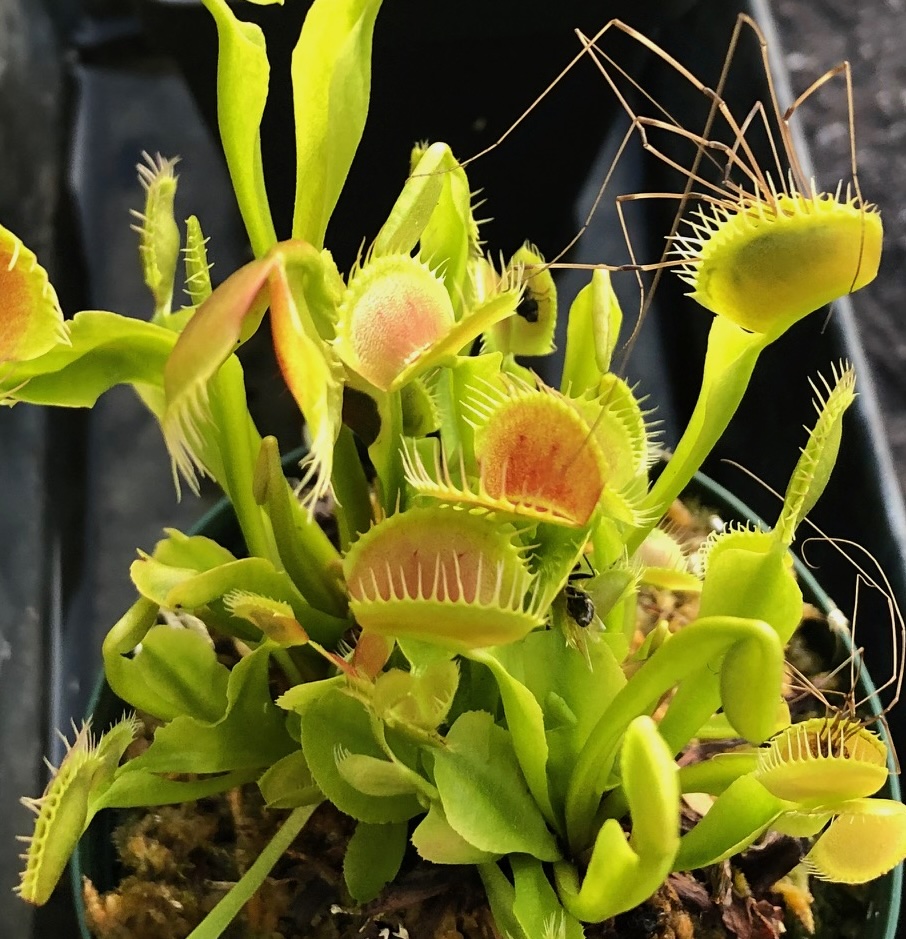
- Venus Flytrap (Dionaea muscipula): Requiring a strict period of winter dormancy to remain healthy, these plants thrive under Harriet’s careful management during the summer months.
- Sundews (Drosera): Including the tender spoon-leaved sundew (Drosera spatulata) and the more widespread Tracy’s sundew (Drosera filiformis), these plants add a textural, "dewy" element to the slate sink display. The Cape Sundew (Drosera capensis) serves as a testament to the resilience of these plants; after a period of drought-induced stress, it is currently being nursed back to health, illustrating the patience required by the dedicated collector.
Official Perspectives: The Role of Specialized Collections
The rise of carnivorous plant collections, such as the one in Otisfield, speaks to a broader trend in horticulture: the "collector’s garden." Experts in the field of botany suggest that the fascination with carnivorous plants stems from their unique evolutionary adaptations. By "trapping" prey, these plants have bypassed the need for nutrient-rich soil, allowing them to occupy ecological niches that other plants cannot.
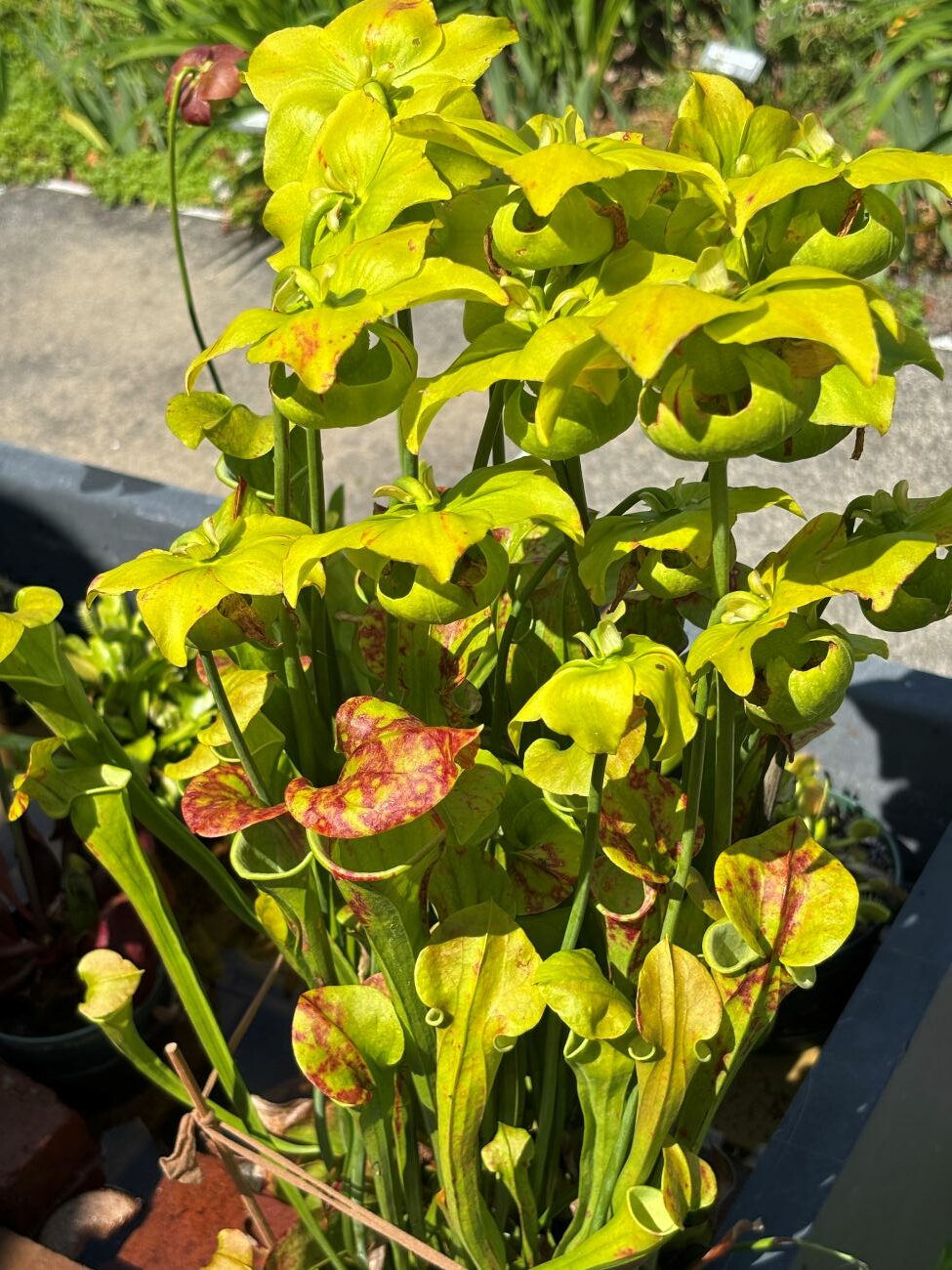
From an ornamental perspective, these plants offer structural qualities that are hard to replicate. The vertical lines of the Sarracenia pitchers, combined with the vibrant, sticky traps of the Drosera, provide a level of visual complexity that traditional flower borders lack. As noted in contemporary garden design literature, such as Buffalo-Style Gardens, incorporating "quirky" and "one-of-a-kind" elements is essential for creating a space that feels deeply personal and intellectually engaging.
Implications for the Modern Gardener
Harriet’s journey underscores several key lessons for the aspiring gardener:
- Sustainability as a Practice: By harvesting rainwater, the gardener reduces the environmental impact of maintaining a high-maintenance collection, turning a necessity into a sustainable gardening philosophy.
- Experimentation as Education: The transition from observing a plant in a blog post to successfully germinating endangered species from seed highlights the educational potential of home gardening.
- The Art of Micro-Climates: Whether it is the use of a slate sink to manage moisture or a garage cooler to manage dormancy, the gardener’s ability to manipulate micro-climates is the difference between a thriving collection and a failed one.
Challenges and Triumphs
The primary challenge of this hobby is the delicate balance between providing enough hydration and avoiding rot. Furthermore, the dormancy requirements for species like the Venus flytrap present a significant barrier to entry for beginners. However, the triumph of seeing a plant bloom—especially one that has been germinated from seed—provides a profound sense of accomplishment.
Conclusion: Beyond the Traditional Bed
Harriet’s garden in Otisfield is a reminder that gardening is not a monolithic activity. It is a spectrum that ranges from the tranquil, fragrant rose garden to the sharp, calculated, and predatory world of the bog. By integrating these "wonderfully unusual" plants into her landscape, she has created a living exhibit that challenges our perception of what a garden should be.
For those inspired to start their own collection, the message is clear: start small, prioritize water quality, and be prepared to learn the rhythms of the seasons. Whether you are interested in the endangered green pitcher plant or the charming, dew-tipped sundew, the world of carnivorous plants offers a rewarding, if demanding, frontier for the curious gardener.
As Harriet continues to nurse her Cape Sundew back to health and watch her self-seeded Tracy’s sundews spread across the slate sink, she invites us to look closer at the natural world. In doing so, we might find that the most "monstrous" plants are, in fact, the most fascinating companions a gardener could hope to keep.
For those interested in exploring further, the Garden Photo of the Day (GPOD) remains a vital resource for sharing these unique horticultural journeys. Readers are encouraged to document their own successes, failures, and favorite plants, contributing to a growing archive of modern gardening history.
