

In the modern culinary landscape, there is a lingering, outdated stigma surrounding the use of boxed cake mixes. Often dismissed by professional pastry chefs as a "lesser" shortcut, the humble box of cake base has quietly become the secret weapon of the savvy home baker. When approached with a culinary eye, these mixes are not merely an endpoint, but a foundational canvas. As the weather turns crisp and the demand for nostalgic, soul-warming comfort food rises, one particular transformation has captured the attention of social media and home kitchens alike: the Spiced Honey Bun Cake.
By pivoting from standard yellow cake mixes to high-quality spiced varieties, home cooks are discovering that they can achieve bakery-standard complexity in a fraction of the time required for from-scratch baking. This article explores the mechanics of this culinary upgrade, the science of the "honey bun" texture, and why the convenience of the pantry staple is the ultimate hack for the busy holiday season.
Main Facts: The Evolution of the Honey Bun Cake
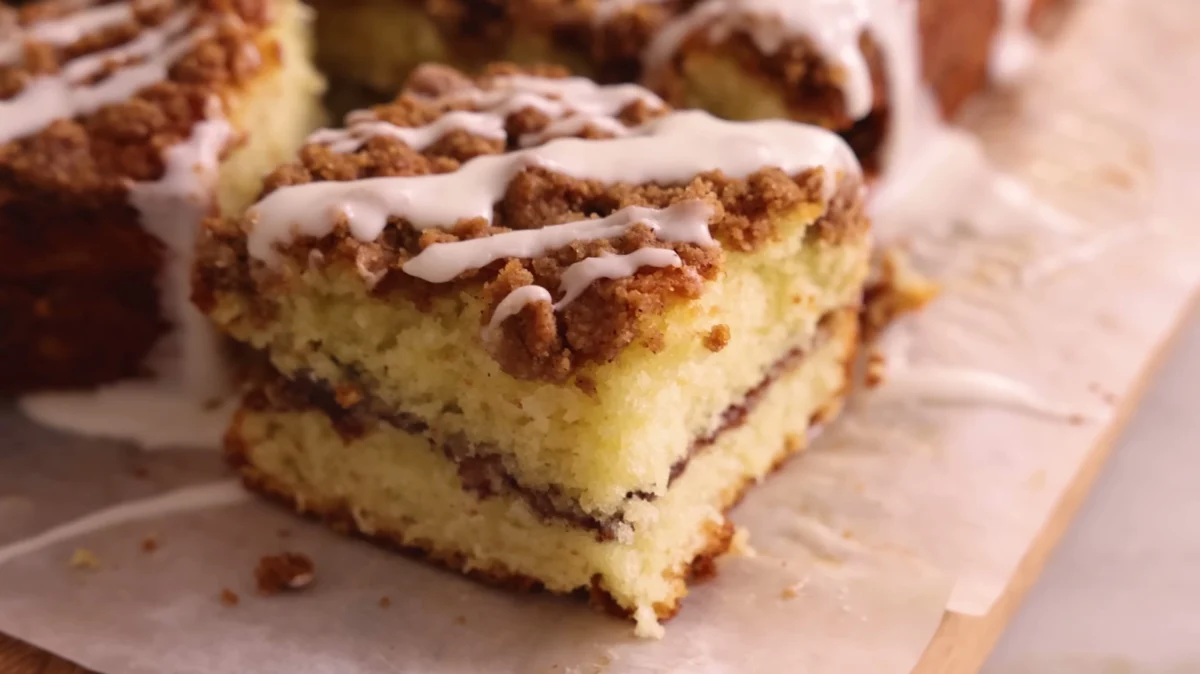
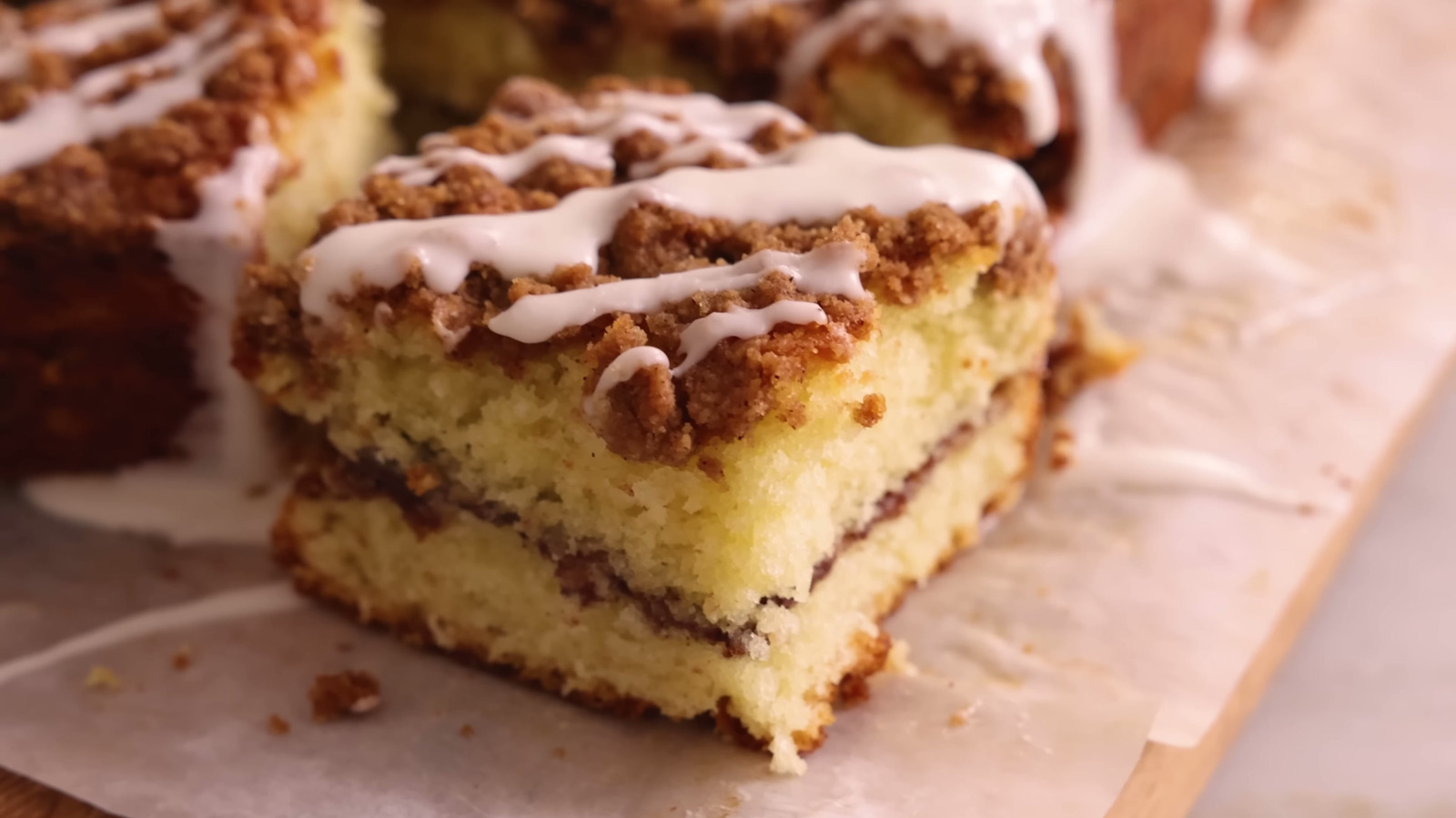
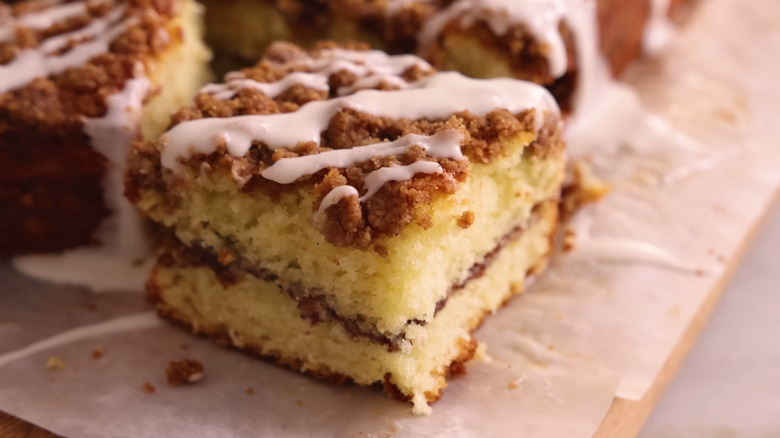
At its core, the honey bun cake is a tribute to the quintessential American convenience store treat—the Little Debbie Honey Bun. Traditionally, the dessert is a single-pan affair, characterized by a moist, tender crumb, a distinct ribbon of cinnamon-sugar, and a sweet, crackling glaze that seeps into every crevice.
The conventional recipe relies on a standard yellow or white cake mix. However, the current trend involves a critical substitution: the spice cake mix. Unlike plain yellow mixes, spice cake mixes come pre-loaded with a blend of warming aromatics—cinnamon, nutmeg, cloves, and allspice. When these ingredients are incorporated into the batter, the flavor profile is no longer localized solely to the swirl; instead, the entire cake becomes a symphony of autumn-forward notes.
The key to this elevation is not just the mix, but the enrichment of the ingredients. By replacing standard water with sour cream and milk, bakers achieve a structural integrity that prevents the cake from becoming dry, ensuring that the finished product remains gooey and rich, much like the original honey bun.
Chronology: The Rise of the "Mix-Up" Trend
The popularity of this dish has followed a trajectory common to modern viral food trends, rooted in community sharing and home-kitchen experimentation.
- The Foundation (Early 2000s): The "Honey Bun Cake" became a staple of community potlucks and church bake sales. It was touted as the "miracle cake" because it required only a few pantry ingredients and a 9×13 pan.
- The Digital Proliferation (2015–2020): As platforms like Pinterest and early food blogging gained momentum, the recipe became a viral sensation. Variations emerged, including the addition of pecans, walnuts, and different glaze experiments.
- The Viral Shift (2023–Present): Influencers on platforms like TikTok began focusing on "elevated" shortcuts. Creators like @zeetheintrovert brought renewed attention to the recipe, emphasizing the use of high-quality spice mixes (such as Krusteaz’s Pumpkin Spice Quick Bread Mix) and professional-grade glaze techniques. The focus shifted from "quick and cheap" to "gourmet convenience."
Supporting Data: Why Spice Cake Mix Wins
When analyzing the chemical composition of a high-quality spice cake mix versus a generic yellow mix, the differences are significant for the final texture and flavor:
- Aromatic Density: Spice cake mixes contain dehydrated spice particles that rehydrate during the baking process, releasing essential oils that permeate the crumb. In a yellow mix, one would need to manually calculate and whisk in these spices, which often leads to uneven distribution.
- Moisture Retention: Many spice-forward mixes, particularly those intended for "quick breads" or "crumb cakes," are formulated with a higher ratio of leavening agents and starch stabilizers. This allows them to support the weight of the heavy cinnamon-sugar swirl without sinking or turning gummy.
- The Honey Factor: Incorporating honey directly into the batter—beyond the sugar content—acts as a humectant. Honey is hygroscopic, meaning it attracts water molecules from the air, keeping the cake moist for days after baking.
The Recipe: Mastering the Spiced Honey Bun Cake
To achieve the best results, one must approach the assembly with precision.
Ingredients:
- For the Base: 1 box of high-quality spiced cake mix, 4 large room-temperature eggs, 1 cup of full-fat sour cream, 1/2 cup of whole milk, 3/4 cup of vegetable oil, 2 1/2 teaspoons of pure vanilla extract, and 1/4 cup of high-quality honey.
- For the Swirl: 1 cup of packed light brown sugar mixed with 3 teaspoons of high-quality ground cinnamon.
- For the Glaze: 2 ounces of softened cream cheese, 2 cups of powdered sugar, 1/4 cup of milk, and 1 1/2 teaspoons of vanilla extract.
The Process:
- Preparation: Preheat the oven to 350°F (175°C). Grease a 9×13-inch pan thoroughly.
- Mixing: Combine the cake mix, eggs, sour cream, milk, oil, vanilla, and honey. Whisk until smooth.
- Layering: Pour half the batter into the pan. Evenly distribute half the cinnamon-sugar mixture. Cover with the remaining batter, then top with the rest of the cinnamon-sugar. Use a butter knife to create a "marble" effect by dragging it through the layers.
- Baking: Bake for 35–40 minutes. The cake is done when a toothpick inserted into the center emerges clean.
- Glazing: Allow the cake to cool for 15 minutes. Whisk the glaze ingredients until silky. Pour over the warm cake; the residual heat will cause the glaze to set into a thin, crackling shell.
Implications: The Future of "Semi-Homemade" Baking
The shift toward utilizing high-quality boxed mixes signifies a broader cultural change in how we perceive domestic labor. For years, the "from-scratch" mandate was seen as the only measure of a cook’s worth. Today, that narrative is being replaced by the "semi-homemade" philosophy.
This approach acknowledges the reality of the modern schedule while refusing to compromise on quality. By selecting premium, artisanal-style mixes, bakers are essentially outsourcing the labor-intensive portion of the recipe—the precise measuring of flour, leavening, and starch—allowing them to focus their creativity on the "finishing touches."
Furthermore, this trend has implications for the food industry. Manufacturers are responding by offering more "premium" box mixes that feature non-GMO ingredients, real spices, and lower sugar content. As home bakers continue to demand better quality from their shortcuts, the gap between "store-bought" and "homemade" continues to narrow.
A Note on Customization
While the base recipe is robust, the flexibility of the honey bun cake allows for significant personalization:
- Nutty Additions: Toasted pecans or walnuts added to the cinnamon swirl provide a necessary textural contrast.
- Spice Intensity: For those who prefer a more aggressive flavor, adding a pinch of freshly grated nutmeg or ground ginger to the batter can amplify the "cozy" profile.
- The Glaze Upgrade: If cream cheese is not available, a brown-butter glaze provides a nutty, savory undertone that pairs exceptionally well with the spices.
Final Thoughts: The Comfort of Consistency
As the temperatures drop and the season of gathering approaches, the spiced honey bun cake stands out as a reliable, crowd-pleasing dessert. It bridges the gap between the nostalgia of childhood snacks and the sophisticated palate of the adult baker. By choosing a high-quality base and applying a few thoughtful techniques, the home baker can transform a simple box of mix into a centerpiece that feels both intimate and indulgent.
Ultimately, the best dessert is the one that brings people to the table. Whether you are a professional chef looking for a time-saving trick or a home cook looking to impress, this recipe serves as a reminder that the secret to a great bake isn’t always about how much time you spend in the kitchen—it’s about the intention you bring to the ingredients you have on hand.
