

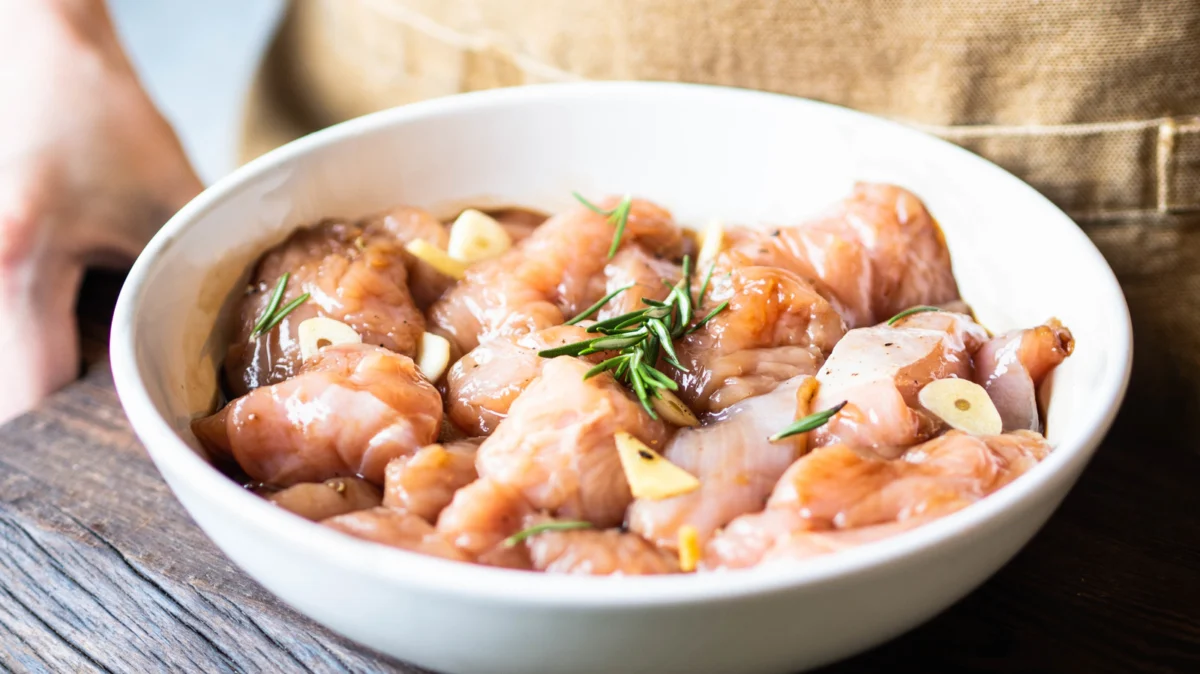
In the pursuit of the perfect piece of roasted or grilled chicken, home cooks and professional chefs alike have long grappled with the delicate balance of flavor and texture. Chicken, unlike the more forgiving cuts of beef or pork, is notoriously sensitive. It is a protein that demands respect; leave it in a harsh, acidic marinade too long, and you risk a mushy, unappealing texture. Conversely, leave it unmarinated, and you risk the dreaded dryness that turns a meal into a chore.
While traditional wisdom has long pointed toward yogurt and buttermilk as the gold standard for tenderizing, a new, creamy contender is shifting the culinary landscape: coconut milk. Far from being relegated to curries and desserts, this tropical pantry staple is proving to be the secret weapon for achieving unprecedented juiciness without the risk of over-marination.
The Science of the Marinade: Beyond the Acid Trap
To understand why coconut milk is gaining traction, one must first understand the chemistry of marination. Most traditional marinades rely on high acidity—vinegar, lemon juice, or wine—to break down connective tissues. While this process does tenderize, it is a double-edged sword. If the pH is too low, the acid begins to denature the proteins so aggressively that the meat loses its structural integrity, resulting in a grainy or "rubbery" mouthfeel that is impossible to reverse.
Yogurt and buttermilk have been the preferred dairy-based solutions for years because their lactic acid is significantly milder than the acetic acid found in vinegars. They offer a "gentle" tenderizing effect. However, coconut milk operates on an entirely different principle. With a pH level of approximately 6.2, it is nearly neutral. It doesn’t rely on aggressive acid-base reactions to alter the texture. Instead, it relies on the physics of fat and coating.
The Fat Factor
Coconut milk’s primary strength lies in its lipid content. When you submerge chicken in a coconut milk-based marinade, the high fat content creates a protective barrier around the meat. While it is true that fat molecules are generally too large to penetrate deep into the fibers of the muscle, they play a critical role during the cooking process. As the chicken hits the heat, the residual fat helps retain moisture, preventing the proteins from seizing up and releasing their natural juices prematurely.
Chronology of the Shift: From Tropical Staples to Global Kitchens
The adoption of coconut milk as a marinade is not a new discovery; it is a long-standing tradition in Southeast Asian cuisine. For generations, cooks in regions such as Thailand, Indonesia, and Malaysia have utilized the fruit of the coconut palm to balance the heat of chilies and the salinity of fish sauce.
Historical Context
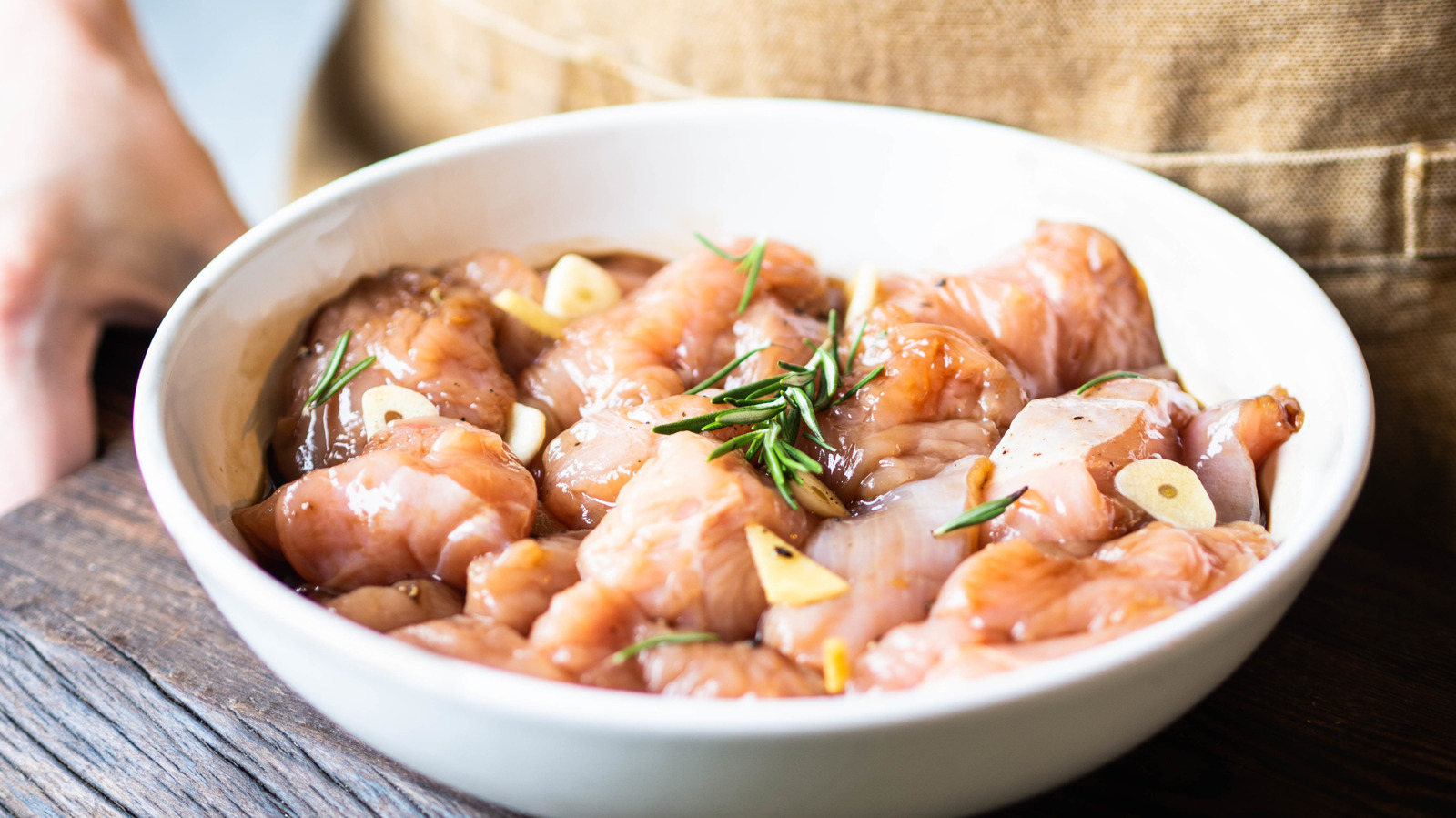
Historically, coconut milk was the primary cooking liquid for satay, the iconic skewered meat dish that has become a global phenomenon. The practice of marinating the meat in a mixture of coconut milk, turmeric, and aromatics was designed to achieve two goals: infusing the meat with a rich, nutty depth and protecting the delicate poultry from the intense, direct heat of charcoal grills.
The Modern Culinary Evolution
In recent years, Western culinary circles have begun to decouple coconut milk from its purely "curry-centric" identity. As food science and global flavor profiles continue to blend, chefs have realized that the functional benefits of coconut milk—the ability to act as a flavor carrier while maintaining meat integrity—apply to almost any cooking method, from backyard grilling to oven-roasting. Today, we are seeing a pivot where this ingredient is being used to reinvent classic dishes like roasted chicken, sheet-pan dinners, and even stovetop stir-fries.
Supporting Data: Why It Works
When analyzing the performance of a marinade, researchers and chefs look at three key metrics: moisture retention, flavor infusion, and texture stability.
- Moisture Retention: Coconut milk acts as a "sealant." Because it is an emulsion of oil and water, it adheres to the surface of the chicken more effectively than thin liquids like lemon juice. This coating reduces the rate of evaporation during the cooking process.
- Flavor Infusion: Unlike acidic marinades which can "cook" the outside of the meat before it ever touches the heat, coconut milk is a neutral base. It allows spices, aromatics, and herbs—such as ginger, garlic, cilantro, and lemongrass—to sit in a stable environment. These flavors are suspended in the fat, which slowly coats the meat as it heats up, ensuring a more uniform flavor profile rather than an overly sharp, vinegary "crust."
- Texture Stability: The most significant advantage is the lack of "mush." Because coconut milk does not chemically break down the meat structure in the way that heavy acids do, the chicken retains a natural, fibrous bite that feels fresh and substantial, even after hours of marination.
Official Recommendations: How to Master the Technique
For those looking to integrate coconut milk into their kitchen repertoire, culinary experts offer several best practices to ensure success.
1. The "Canned vs. Boxed" Distinction
It is imperative to use full-fat canned coconut milk rather than the "carton" varieties often found in the dairy alternative aisle. Cartons are typically diluted with water, stabilizers, and sweeteners, and they lack the essential fat content required for the protective barrier that makes this marinade effective. When selecting a can, look for a high coconut-to-water ratio.
2. The Power of Aromatics
Because coconut milk is creamy and slightly sweet, it pairs exceptionally well with contrasting flavors.
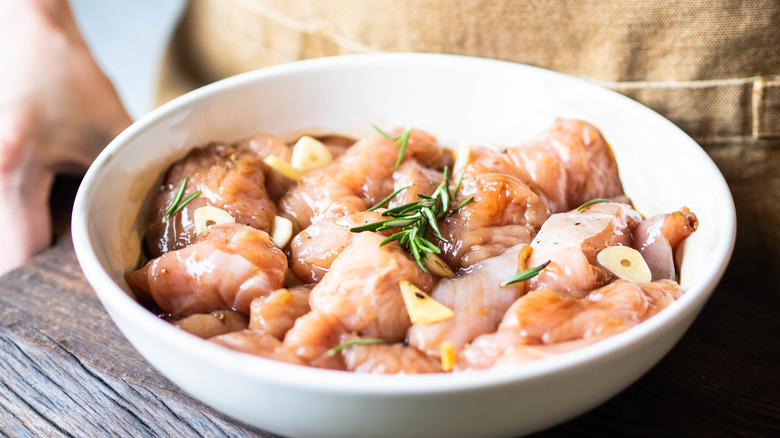
- The Umami Boost: Incorporate soy sauce or fish sauce. These ingredients provide the salt necessary to draw the marinade’s essence into the interior of the chicken.
- The Acid Balance: Do not omit acid entirely. A small splash of lime juice or rice vinegar is the perfect finish. It provides a "bright" note that cuts through the richness of the coconut fat, ensuring the palate does not become fatigued.
- Spice Integration: Ginger, turmeric, and chili flakes are classic companions. The fat in the coconut milk is excellent at carrying fat-soluble compounds from these spices, leading to a more aromatic finished dish.
3. Cooking Methods
Coconut milk marinade is versatile.
- Grilling: This is arguably the best application. The fats in the coconut milk undergo a Maillard reaction, producing a beautiful, golden-brown char that is both visually stunning and incredibly flavorful.
- Roasting: For oven-baked chicken, the residual marinade can be reduced into a sauce, effectively using the vessel in which the chicken was cooked to create a final, cohesive meal.
- Stewing: If you are braising your chicken, the coconut milk creates a rich, velvety sauce that is far more luxurious than water or chicken stock alone.
Implications: The Future of Home Cooking
The shift toward coconut milk as a primary marinade signals a broader change in home cooking: the move toward functional, flavor-focused science. As people become more educated about why their food turns out a certain way, they are moving away from recipes that rely on "guesswork" and toward methods that offer consistent, high-quality results.
The implication here is one of accessibility. By using a widely available, affordable, and shelf-stable ingredient like canned coconut milk, the home cook can achieve "restaurant-quality" results. This method eliminates the anxiety of over-marinating, which is one of the most common pitfalls for intermediate cooks. It provides a level of insurance that allows for longer marination times, which in turn leads to deeper flavor penetration.
Furthermore, this technique is inclusive. Because coconut milk is naturally dairy-free and gluten-free (when using pure ingredients), it serves as an excellent bridge for those with dietary restrictions who still want the richness typically associated with buttermilk or yogurt marinades.
Final Thoughts
As we continue to refine our culinary techniques, the most effective innovations are often those that return to basics—utilizing the inherent properties of ingredients to solve common problems. Coconut milk represents a perfect marriage of flavor and utility. Whether you are a professional looking to elevate a standard menu item or a home cook trying to solve the problem of dry chicken breasts, this creamy, tropical ingredient offers a path forward that is as delicious as it is reliable. The next time you find yourself staring at a pack of chicken, reaching for the vinegar might be a mistake—reach for the coconut milk instead, and discover the difference that a touch of tropical fat can make.
