

Introduction: A Cultural Phenomenon on Four Wheels
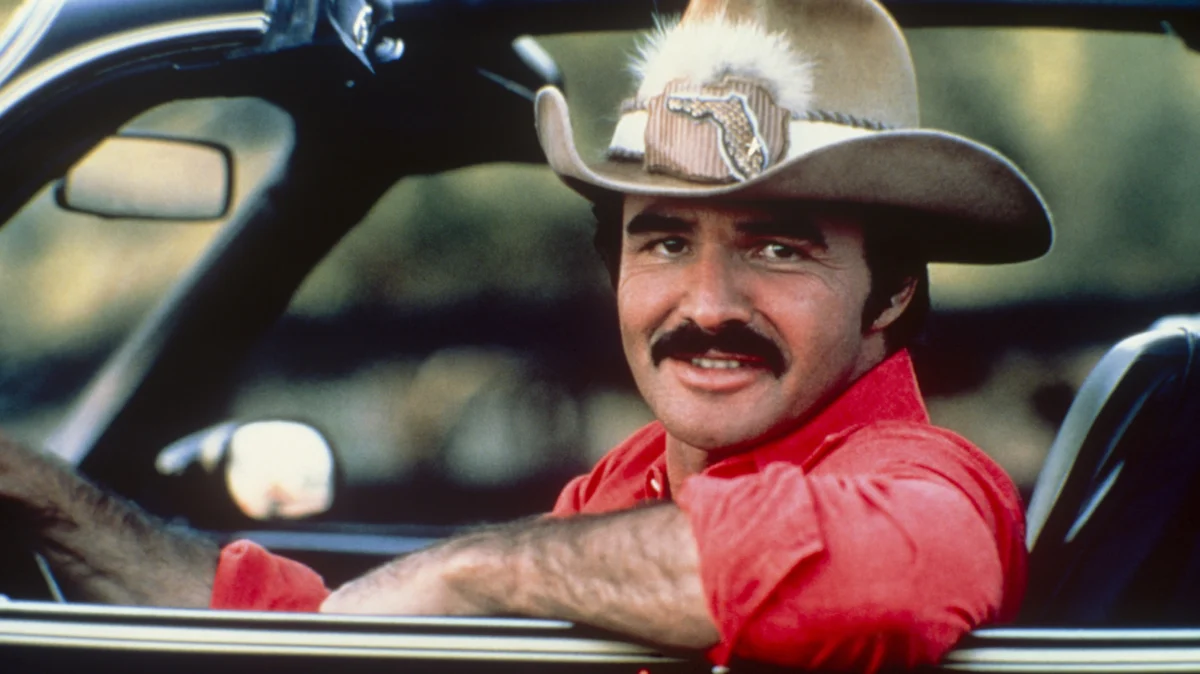
In the annals of automotive history, few vehicles have achieved the mythic status of the 1977 Pontiac Trans Am. With its T-tops, aggressive black-and-gold aesthetic, and the iconic "screaming chicken" decal spanning its massive hood, the car became a cultural icon overnight. Much of this success was owed to the 1977 blockbuster Smokey and the Bandit, which featured the late Burt Reynolds behind the wheel. The film did more than just entertain; it served as a feature-length advertisement for General Motors’ sportiest division.
For years, the partnership between the Hollywood legend and the automaker seemed like a match made in heaven. Reynolds, the epitome of 1970s cool, became the unofficial brand ambassador for Pontiac. However, as the industry shifted and corporate leadership changed, this symbiotic relationship—defined by a handshake deal of annual free vehicles—came to a sudden, blunt end.
The Genesis of the Deal: A Hollywood-Detroit Alliance
The success of Smokey and the Bandit was unprecedented. It was a low-budget action comedy that exploded into a massive financial windfall, largely because it turned the Trans Am into a character in its own right. The vehicle’s presence on screen was so magnetic that it sparked a frenzy in showrooms across America.
According to director Hal Needham, the film’s impact on Pontiac’s bottom line was immediate and staggering. In the year following the film’s release, Pontiac saw an influx of approximately 25,000 new Firebird buyers. Reynolds himself famously claimed that the movie boosted sales for the model by as much as 70%.
Recognizing the immense value of this association, the then-president of Pontiac—a man who was reportedly a genuine fan of both the actor and the film—extended a remarkable offer to Reynolds: a new, top-of-the-line Trans Am, delivered to his doorstep every year for the rest of his life. For a time, this became a ritual. Reynolds would receive his yearly V8-powered gift, often gifting them to family members or keeping them for his own personal collection. It was a gesture of mutual respect, bridging the gap between Hollywood stardom and Detroit manufacturing might.
Chronology of a Corporate Handshake
The timeline of this arrangement spans the height of the muscle car era and its eventual decline:
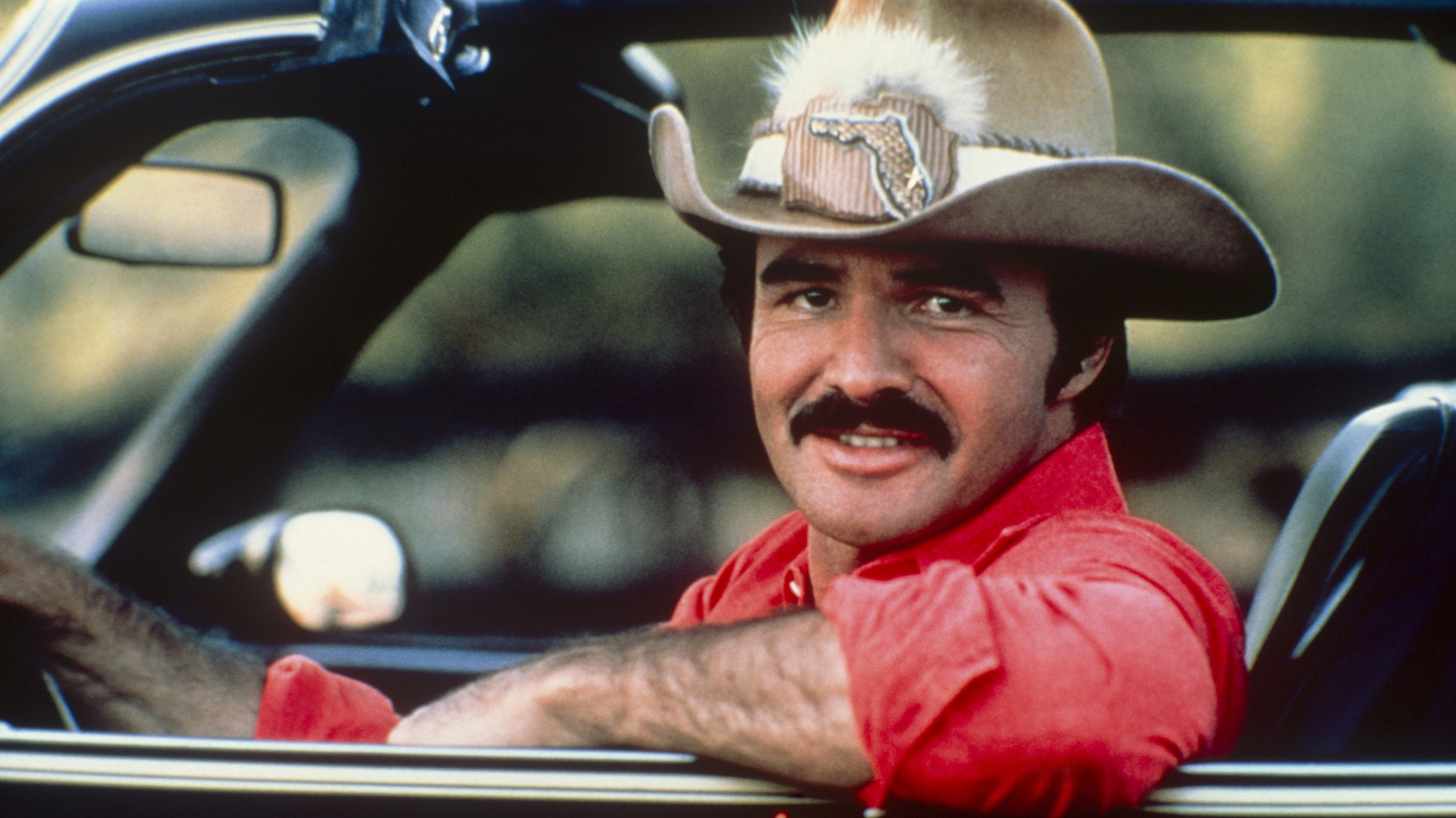
- 1977: Smokey and the Bandit premieres, turning the Trans Am into an American icon.
- Late 1970s: The "Gentleman’s Agreement" is established between the Pontiac president and Burt Reynolds.
- Early 1980s: Reynolds receives annual shipments of new Trans Ams, cementing his personal brand with the car.
- Mid-1980s: A leadership transition occurs at Pontiac. The incoming president, unimpressed by the film or the actor’s cultural impact, abruptly terminates the arrangement.
- 2002: The final Pontiac Firebird rolls off the assembly line, marking the end of the nameplate.
- 2010: General Motors, in the wake of the global financial crisis and bankruptcy proceedings, officially sunsets the Pontiac brand.
- 2018: Burt Reynolds passes away, ending an era for both the man and the machine he helped popularize.
Supporting Data: Sales and Cultural Impact
The statistical significance of Smokey and the Bandit on Pontiac’s sales cannot be overstated. Before the film, the Trans Am was a niche performance vehicle. After the film, it became a must-have for every red-blooded American driver.
Marketing analysts have often pointed to the "Bandit" effect as one of the most successful product placements in the history of cinema. While modern product placement is often forced and inorganic, the Trans Am in Smokey and the Bandit felt essential to the narrative. It wasn’t just a car; it was a tool of rebellion against authority. This emotional connection translated directly to sales data, with Pontiac moving tens of thousands of extra units annually throughout the late 1970s.
Even as the oil crises of the 1970s led to more stringent emissions regulations and a decline in raw engine power, the "Bandit" styling kept the Firebird relevant. The screaming chicken decal became synonymous with performance, even when that performance was being hampered by the era’s "smog-era" V8 engines.
The Falling Out: "I Don’t Like Your Movies"
The end of the partnership was as abrupt as it was cold. When the supply of annual Trans Ams stopped arriving, a confused Reynolds reached out to the manufacturer. He expected to speak with someone who understood the value of the ongoing partnership, but instead, he was met with a bureaucratic brick wall.
The new president of Pontiac was clear and uncompromising. When Reynolds inquired about his usual vehicle, the response was blunt: "That was the old president. He liked your movies. I’m the new one. I don’t like your movies."
This interaction highlights the fragility of corporate "perks" that exist outside of written contracts. Without a formal, legally binding agreement, the relationship was entirely dependent on the personal whims of the executive in charge. The moment that executive changed, the legacy was erased. It serves as a stark reminder of the difference between corporate strategy and personal preference in the automotive industry.
Implications: The Legacy of the Trans Am
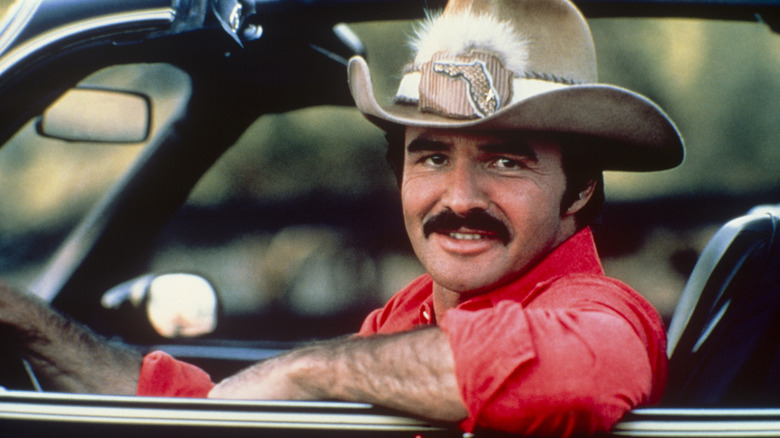
The death of the partnership was not merely a loss for Reynolds; it was a symptom of the broader disconnect between Detroit’s corporate management and the consumers who made their cars famous.
1. The Loss of Brand Identity
Pontiac spent decades marketing itself as the "excitement" division of GM. By alienating the man who had done more for their brand awareness than any internal marketing campaign, they lost a vital link to their audience. While it is unlikely that one actor could have saved the brand from its eventual demise in 2010, the dismissal of the "Bandit" era reflected a shift away from the bold, character-driven marketing that had served the company so well in the 70s.
2. The Evolution of Celebrity Endorsement
The Reynolds-Pontiac story represents a "wild west" era of celebrity branding. Today, such deals are managed by legal teams, talent agencies, and multi-million-dollar contracts. There is no room for a "handshake deal" that can be voided by a new boss’s personal taste. While this protects both parties, it also removes the organic, authentic charm that made the original arrangement so special.
3. Cultural Preservation
Following his passing in 2018, the Smokey and the Bandit Trans Am has seen a resurgence in collectability. Enthusiasts and restorers are paying record sums for "Bandit-edition" cars, ensuring that even if GM is no longer interested in the legacy, the public certainly is. The car remains a testament to a time when a simple, iconic design—coupled with the right amount of Hollywood charisma—could change the fortunes of a multi-billion-dollar corporation.
Conclusion
The story of Burt Reynolds and his free Pontiac Trans Ams is more than just a tale of lost perks. It is a microcosm of the rise and fall of the American muscle car era. The deal began with a shared vision of what a car could represent—freedom, speed, and rebellion—and ended in the sterile, unfeeling office of a corporate executive.
While the Trans Am is no longer in production and the man who drove it into our collective consciousness is gone, the legend remains. The "screaming chicken" still flies on the highways, and for many, it will always be the car that the Bandit drove, regardless of what the boardrooms in Detroit thought of the man behind the wheel. The lesson remains clear: corporate loyalty is fleeting, but cultural impact is permanent.
