

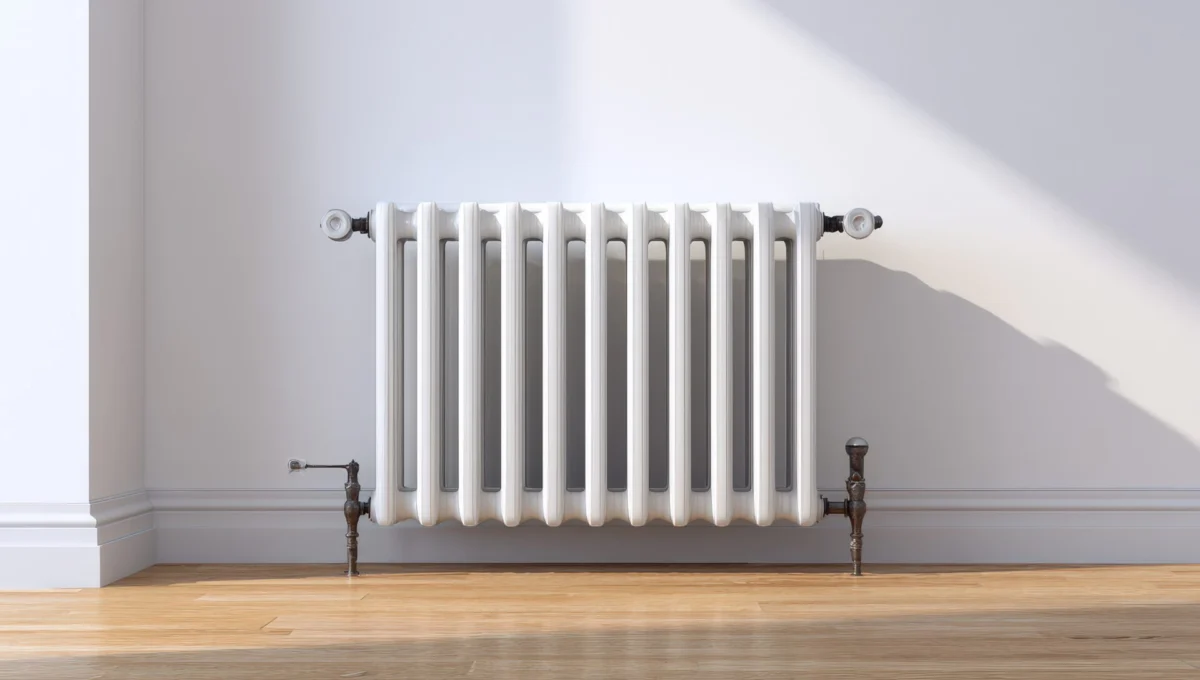
For homeowners seeking a reliable, low-profile, and zoned heating solution, baseboard radiators remain a cornerstone of residential climate control. Often overlooked in favor of modern forced-air systems, these units provide consistent, quiet warmth that can significantly enhance comfort in colder climates. Whether you are retrofitting an older home or looking for a localized heating solution for a new addition, understanding the cost structure and operational mechanics of baseboard heating is essential for making an informed investment.
Main Facts: Understanding Baseboard Heating
Baseboard radiators function by heating a space from the floor up, creating a natural convection loop that circulates warmth effectively throughout a room. On average, homeowners can expect to pay between $200 and $1,200 per unit for professional installation. This price range is broad because it encompasses two fundamentally different technologies: electric and hydronic (hot water) heating.
Unlike central HVAC systems, which rely on extensive ductwork, baseboard radiators offer a modular approach to home comfort. They are "zoned" by nature, meaning you can control the temperature of individual rooms rather than heating the entire structure at once. While they lack the ability to provide cooling—a primary advantage of modern heat pumps or central air—they excel in simplicity, longevity, and maintenance requirements.
Chronology: The Evolution and Implementation of the System
The journey toward installing baseboard radiators typically follows a predictable professional trajectory.
- Assessment and Planning: A qualified HVAC contractor first evaluates your home’s thermal envelope. They calculate the total square footage, evaluate current insulation levels, and determine the necessary wattage or British Thermal Units (BTUs) required for each room.
- System Selection: Based on the assessment, you choose between electric or hydronic units. Electric systems are faster to install but carry higher long-term operational costs. Hydronic systems require a boiler connection but provide superior, sustained heat.
- Infrastructure Preparation: If you are installing a hydronic system, the technician must route piping from your boiler to the desired locations. For electric systems, the technician will install a dedicated circuit breaker and run high-voltage wiring to the wall locations.
- Unit Mounting and Integration: The physical radiators are mounted to the wall, and the heating elements are connected to the power or fluid supply.
- Testing and Calibration: The professional checks the system for electrical shorts or plumbing leaks, ensuring that each zone responds correctly to its designated thermostat.
Supporting Data: Cost Breakdown and Performance Metrics
The financial commitment required for baseboard installation varies significantly based on technical specifications. The following table provides a clear comparison of initial costs and the impact of professional labor.

| Heating Type | Average Unit Cost | Installed Total Cost |
|---|---|---|
| Electric | $50 – $130 | $200 – $1,100 |
| Hydronic | $180 – $320 | $430 – $1,200 |
Room Size and BTU Requirements
Efficiency is dictated by the relationship between the system’s output and the room’s demand. Electric baseboard units typically produce 250 watts per linear foot, while hydronic units provide approximately 600 BTUs per linear foot.
A standard 200-square-foot room with average insulation usually requires about 2,000 watts of electric heating power. This translates to roughly 8 linear feet of baseboard. If you fail to meet these requirements, the system will run continuously without reaching the desired temperature, leading to excessive energy consumption and mechanical wear.
Expert Perspectives: Why Professional Installation is Non-Negotiable
Mitch Rosa, owner of Hudson Valley HVAC in Orange County, New York, emphasizes that while baseboard radiators are effective, they are not a simple "plug-and-play" appliance.
"People tend to ignore them, but baseboard radiators are one of the most effective ways to heat a home," Rosa notes. "But they use up a lot of space and homeowners don’t always like to lose that."
Beyond the aesthetic trade-off, Rosa warns against the dangers of DIY installation. "There are high-voltage electrical circuits directly from the panel. Most homeowners aren’t qualified to do it. With hydronic baseboard radiators, it all ties back to the hydronic boiler, which needs to be set up properly to code and vented. There’s a lot involved in setting that up."

Expert contractors do more than just attach a unit to the wall; they ensure the system is properly zoned and integrated into the home’s electrical or plumbing grid, preventing the "heart attack" effect of an overloaded system.
The Implications of Your Choice
Choosing between electric and hydronic systems has long-term implications for your home’s energy budget.
The Case for Electric
Electric baseboard heaters are the most affordable option upfront. They are excellent for small spaces, bathrooms, or guest rooms that are not used frequently. However, because they rely on electricity—typically the most expensive fuel source—they can result in high monthly bills if used as the primary heat source for a large home.
The Case for Hydronic
Hydronic systems are the preferred choice for whole-home heating. Because liquid retains heat significantly longer than electric coils, the boiler cycles on and off less frequently. This thermal mass makes hydronic systems more energy-efficient and comfortable, providing a more consistent warmth that doesn’t "dry out" the air as severely as forced-air systems.
Strategic Maintenance and Efficiency Tips
To maximize the lifespan of your system—which can reach up to 20 years with proper care—homeowners should adhere to a strict maintenance schedule:

- Bi-Annual Cleaning: Vacuum dust and debris from the fins of the radiator every six months. Dust acts as an insulator, preventing heat from radiating into the room.
- Clearance Protocols: Keep furniture at least 3 inches away from the unit. As Rosa advises, "Keep your furniture at least 3 inches away from the radiators, so the system can breathe and provide the heat it’s supposed to."
- The "Louver" Check: Ensure the dampers or louvers are in the open position. If they appear white, they are likely closed, restricting airflow.
- Hydronic Bleeding: For hot water systems, bleed the pipes annually to release trapped air pockets, which can prevent hot water from circulating effectively.
- Avoid Laundry Room Proximity: If you are installing a new boiler, keep it away from laundry areas. Lint is a leading cause of boiler clogs and system failure.
Troubleshooting and FAQs
Why is my baseboard heater clicking?
Clicking sounds are often caused by the expansion and contraction of the metal fins as they heat up and cool down. While usually harmless, persistent, loud noises may indicate that the mounting brackets are too tight or the unit is improperly leveled.
Can I paint my baseboard covers?
Yes, but you must use high-heat-resistant spray paint. Standard wall paint will peel, crack, and potentially emit fumes when the heating element engages.
Why do I need to hire a pro if the unit is cheap?
While a $50 unit seems like a bargain, the "hidden" costs of installation—dedicated circuit breakers, wiring, plumbing, and safety code compliance—often exceed the cost of the hardware itself. Improper installation can void your home insurance and create significant fire hazards.
Conclusion: Making the Final Decision
Baseboard radiators offer a timeless, effective way to manage indoor temperatures. While they lack the aesthetic invisibility of forced-air vents or the cooling capabilities of a mini-split, their ability to provide zoned, silent, and reliable heat remains unmatched in many residential scenarios.
Before committing to an installation, assess your current heating goals. If you live in an area with extremely high electricity costs, prioritize a hydronic system. If you are adding heat to a single room in a secondary property, an electric model may suffice. Above all, treat the installation as a professional investment. By hiring a licensed contractor, you ensure that your home stays warm, your energy usage remains optimized, and your safety is never compromised. Collect at least three quotes from local, reputable HVAC companies, and ensure they are well-versed in the specific local building codes for your area. With the right installation and regular maintenance, your baseboard radiators will provide comfort for decades to come.
