

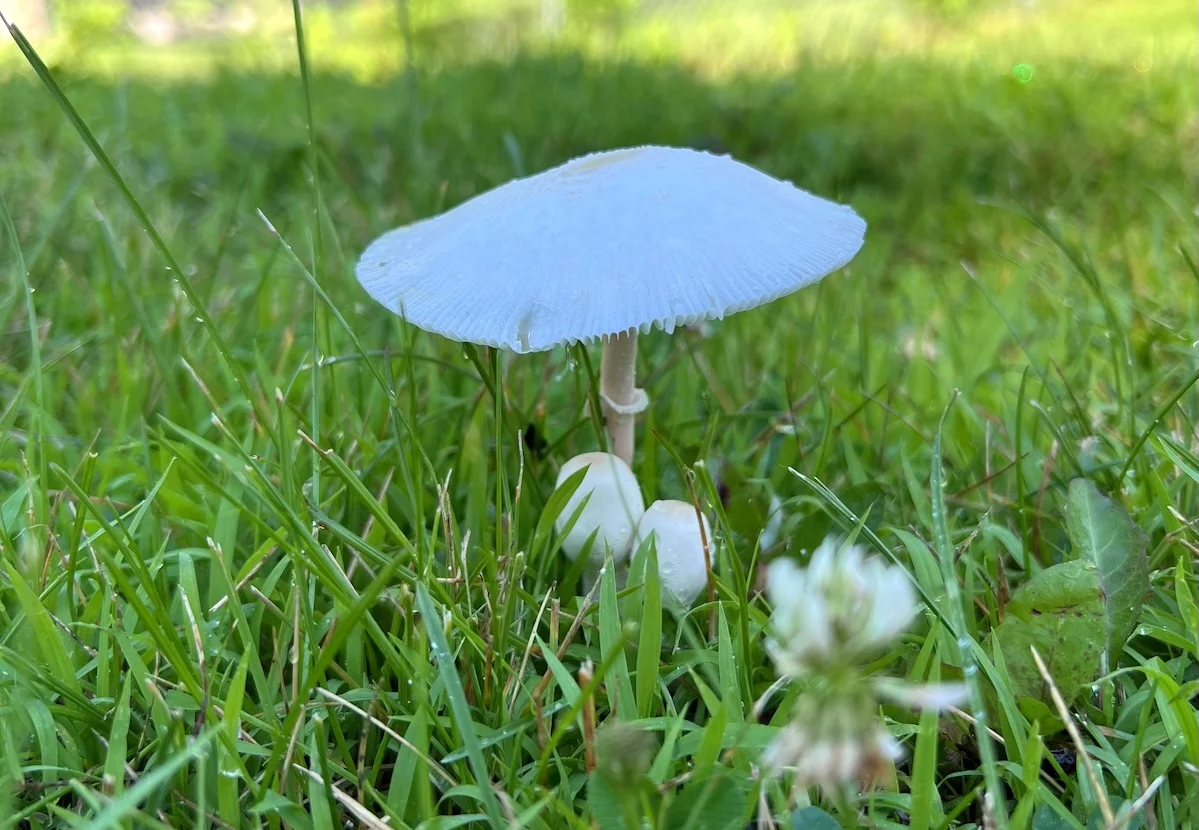
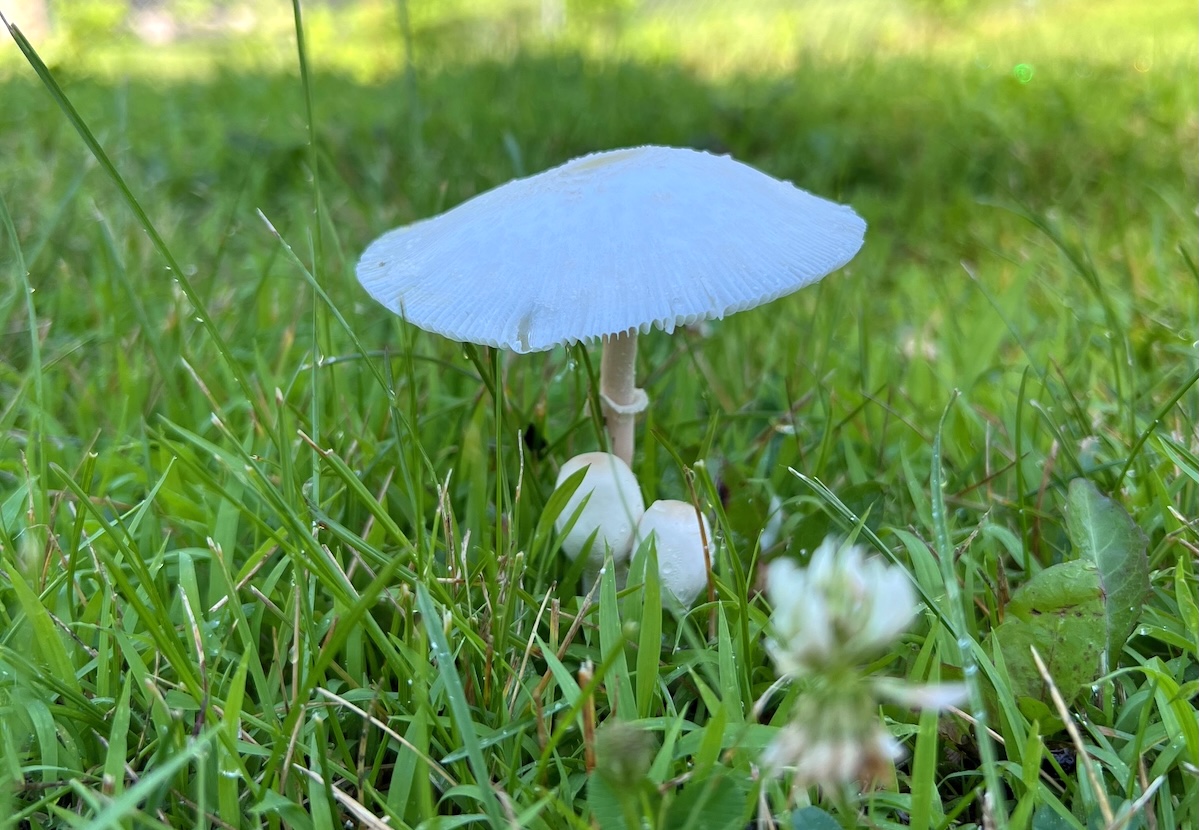
The sudden emergence of mushrooms in a well-manicured lawn is a phenomenon that often triggers immediate alarm among homeowners. Overnight, a lush, green expanse of turf can be transformed into a cluster of fungal growth, often appearing in peculiar arcs or "fairy rings." While these toadstools may seem like an unsightly invasion or a sign of an unhealthy landscape, they are, in fact, a complex and often beneficial part of a subterranean ecosystem.
Understanding why mushrooms appear requires moving beyond the visual, focusing instead on the biological processes occurring beneath the soil’s surface. For homeowners, the presence of fungi is less a cause for panic and more an invitation to evaluate the environmental conditions of their property.
Main Facts: The Biology of Lawn Fungi
At their core, mushrooms are simply the reproductive structures—the "fruit"—of a larger fungal organism. Much like an apple is the fruit of an apple tree, the mushroom is the visible manifestation of a sprawling, underground network of microscopic threads known as mycelium.
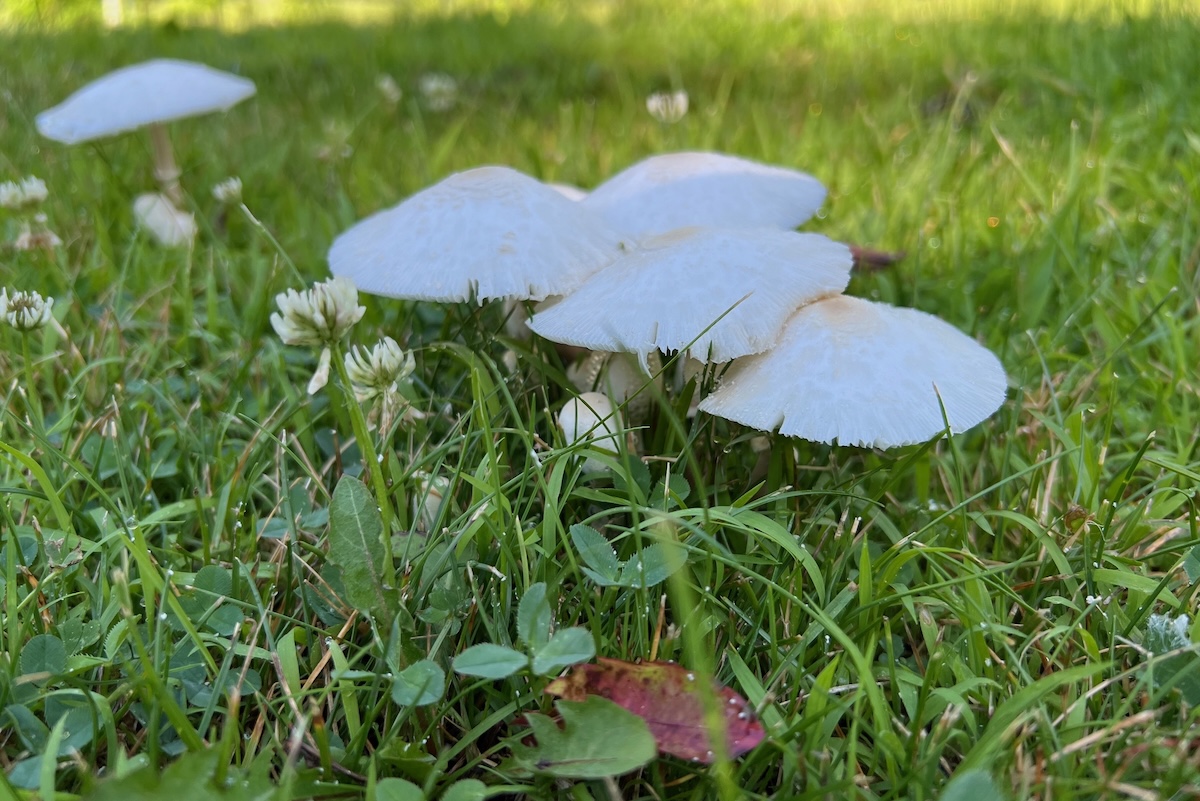
The mycelium plays a critical role in soil health. It functions as a decomposer, breaking down complex organic materials such as thatch, fallen leaves, grass clippings, and even buried wood or tree roots. Through this process, the fungi convert organic waste into essential soil nutrients, including nitrogen, phosphorus, and potassium, which are then made available to the grass blades above.
The environmental conditions that trigger the emergence of these mushrooms are specific: high humidity, poor soil drainage, and persistent shade. When moisture levels in the soil spike—often due to overwatering or heavy rainfall—and sunlight is restricted, the fungus is prompted to produce mushrooms to release spores, ensuring the survival and spread of the organism.
Chronology of a Fungal Outbreak
A typical fungal "outbreak" in a residential lawn follows a predictable timeline, often tied to seasonal weather patterns.

- The Colonization Phase: Before a single mushroom is spotted, the fungi have already established a significant presence. The mycelium network expands silently beneath the turf, feeding on organic debris.
- The Environmental Trigger: A period of consistent, high moisture is usually the catalyst. Whether it is a rainy spring, a humid summer, or a homeowner’s irrigation schedule, the saturation of the soil provides the necessary moisture for the fungus to initiate reproductive growth.
- The Emergence: Within 24 to 48 hours of optimal conditions, the "fruiting" bodies—mushrooms—push through the surface. This is why many homeowners wake up to find their lawn covered in growth that was not present the day before.
- The Spore Dispersal: Once mature, the mushroom releases microscopic spores. These are carried by wind or local wildlife to new locations, continuing the cycle.
- The Regression: As the top layer of soil dries out, the mushrooms lose their structural integrity and wither. The mycelium remains, however, waiting for the next cycle of moisture to trigger growth.
Supporting Data and Ecological Significance
According to research from the Natural Resources Conservation Service (NRCS), soil fungi are indispensable for a healthy environment. They contribute to soil structure by binding particles together, which helps prevent erosion and improves water retention. Furthermore, fungi are essential to the carbon cycle, as they release carbon dioxide back into the atmosphere and lock nutrients into the soil profile.
"Mushrooms are actually a good sign that your lawn’s soil is healthy," says David Cusick, executive editor of House Method. "Since the mushrooms crop up from fungi, the good news is that the fungi are working beneath the surface to break down organic matter."
While some homeowners worry that these mushrooms indicate a diseased lawn, in most cases, they are simply an indicator of high organic matter content. If you have recently applied mulch or have a lawn with a significant thatch layer, you are effectively providing a banquet for the fungi, which will naturally produce mushrooms in response.
Official Perspectives: When to Intervene
Landscape experts and agricultural extensions generally advise a "wait and see" approach. Because mushrooms do not typically harm the grass blades directly, there is no biological necessity to eradicate them. However, for homeowners with small children or pets, the concern shifts from aesthetics to safety.
While many common lawn mushrooms are harmless, some species can cause gastrointestinal distress if ingested. Therefore, it is standard practice to treat mushrooms as potentially toxic. Removing them is a straightforward, manual task.
Recommended Management Strategies
If the presence of mushrooms becomes a nuisance or a safety concern, industry professionals suggest an integrated management approach rather than chemical intervention:

- Manual Removal: Simply pull the mushrooms by their base or use a garden rake to clear them. It is best to do this before the cap opens fully to minimize the release of spores.
- Compost Disposal: Do not add these mushrooms to your home compost pile, as the fungal spores may survive and be redistributed when the compost is eventually spread on the garden. Instead, bag them securely and place them in the trash.
- Cultural Practices: If you want to discourage future growth, focus on the environment.
- Aeration: Improving soil drainage via mechanical aeration allows air to circulate, preventing the soil from staying permanently damp.
- Watering Schedule: Shift irrigation to the early morning. This allows the grass blades and the soil surface to dry out before the cool, damp evening hours, which are prime times for fungal growth.
- Thatch Management: Periodically dethatching the lawn removes the decaying organic matter that serves as the primary food source for the fungus.
Implications for the Modern Lawn
The presence of mushrooms should be viewed as a reminder that the lawn is a living, breathing ecosystem. The reflexive urge to reach for chemical fungicides is often counterproductive. Many chemical treatments are broad-spectrum, meaning they kill not only the fungi responsible for the mushrooms but also the beneficial bacteria and mycorrhizal networks that help grass survive drought and disease.
"Chemical fungicides are not necessary and might kill beneficial soil agents," warns Cusick. Instead, homeowners are encouraged to embrace a more sustainable approach. If the mushrooms are a result of a "fairy ring"—a circular pattern of growth—the grass inside the ring may occasionally turn brown due to the fungus consuming all available nitrogen. In this specific instance, a high-nitrogen fertilizer can help the grass recover its color and mask the presence of the fungus.
Final Assessment: The Balance of Nature
The ultimate implication for the property owner is one of education. A lawn is not a sterile surface; it is a complex intersection of biology and geology. Mushrooms are merely the outward expression of a healthy, functioning soil system.
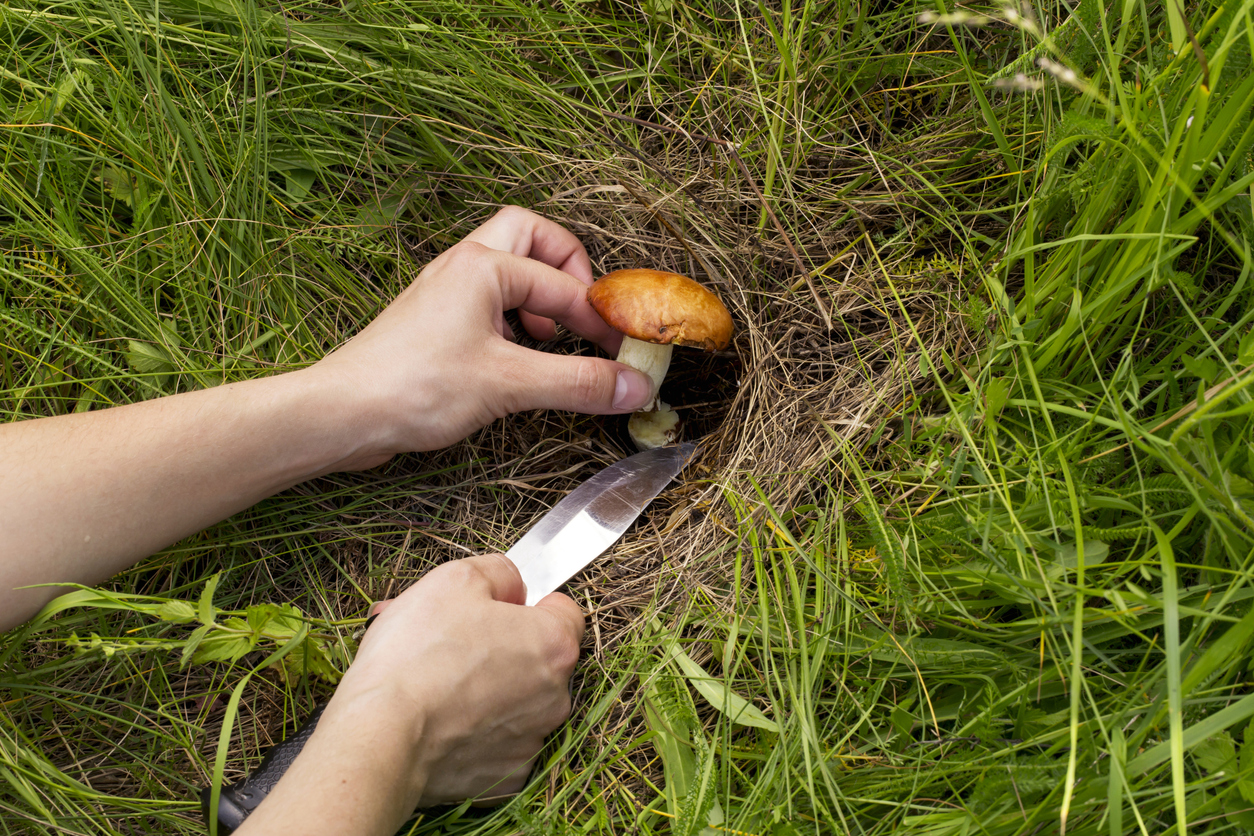
By adjusting irrigation habits, improving drainage, and selectively removing mushrooms when they pose a risk to pets or children, homeowners can maintain both the aesthetic appeal of their property and the long-term health of their soil. Rather than viewing the appearance of a mushroom as a sign of failure, it should be recognized as a sign of an active, nutrient-rich, and biologically diverse yard.
For those who prioritize a "perfect" lawn, the presence of fungi is a temporary, natural occurrence that will pass as the seasons change and the soil moisture levels stabilize. In the landscape of home ownership, patience is often the most effective tool in the shed.
