

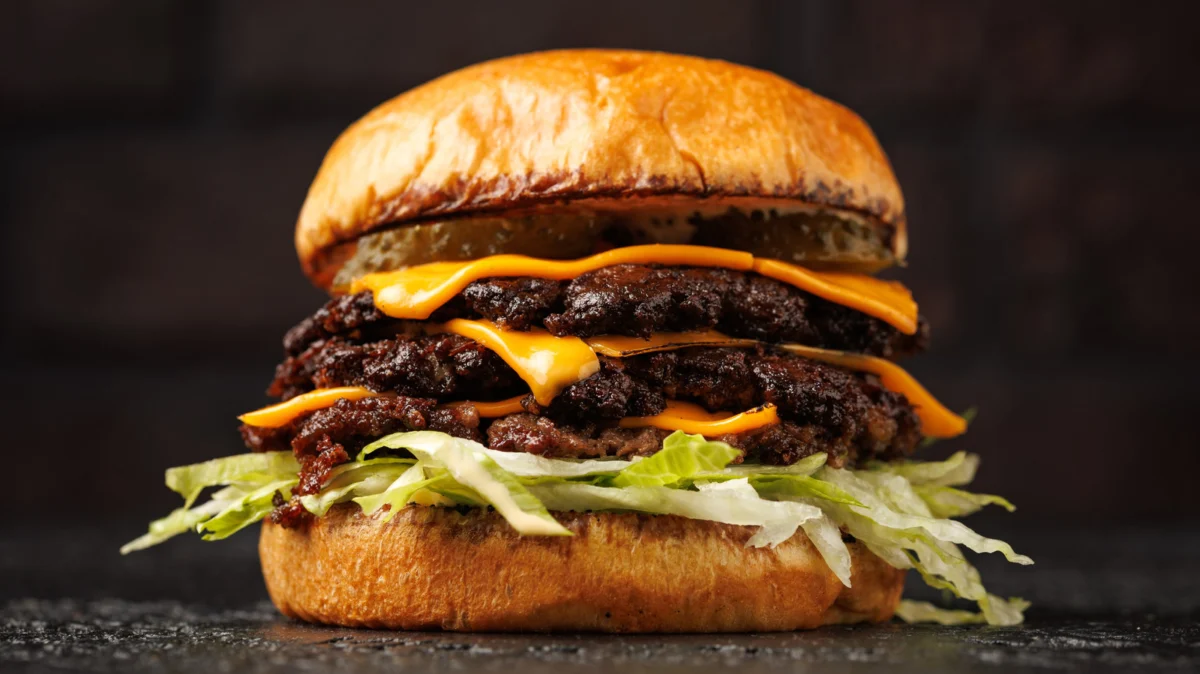
In an era where the price of high-quality proteins continues to fluctuate, home cooks and professional chefs alike are returning to a classic, time-tested strategy to keep their grocery bills in check without sacrificing the quality of their meals. The solution isn’t a synthetic meat alternative or a radical change in diet—it is a humble pantry staple that has been a secret weapon in kitchens for nearly a century: the oat.
By incorporating rolled oats into ground beef, home cooks are discovering a method that not only stretches their budget but also fundamentally improves the texture and nutritional profile of their burgers. As households grapple with the rising costs of living, this "stretching" technique is enjoying a significant resurgence in popularity, proving that the most effective kitchen innovations are often the ones that have been hiding in plain sight.
The Economics of the Plate: Why Beef Prices Are Driving Innovation
To understand why the "oat-blend" burger is back in vogue, one must look at the current state of the global meat market. Beef prices have experienced consistent volatility over the past few years, driven by supply chain constraints, fluctuating feed costs, and broader inflationary pressures. For the average family, a summer cookout or a weeknight dinner featuring high-grade ground beef has shifted from an affordable staple to a significant line item on the weekly grocery budget.
The concept of "extending" meat is not a modern invention; it is a legacy of resilience. During the Great Depression, the necessity of feeding large families on limited resources turned the "oat-burger" into a standard of American home cooking. By mixing inexpensive grains into ground meat, cooks could double their yield. Today, while the economic environment is different, the motivation remains the same: maximizing value. By replacing 10% to 20% of the beef volume with hydrated oats, consumers can effectively reduce the cost per serving while maintaining the structural integrity of the meal.
The Science of the "Panade": Texture and Moisture Control
Beyond the financial incentives, there is a legitimate culinary justification for adding oats to ground meat: the science of moisture retention. In professional kitchens, chefs often use a panade—a mixture of starch and liquid, typically breadcrumbs and milk—to ensure that meatballs and meatloaf remain succulent and tender.
Oats function in a nearly identical capacity. When rolled oats are allowed to hydrate in a liquid—be it milk, beef stock, or even Worcestershire-infused water—they swell, absorbing the flavorful liquid and creating a soft, starchy binder. When this mixture is folded into ground beef, the oats act as tiny, flavor-packed sponges. As the burger hits the heat of the grill or skillet, these hydrated oats release their moisture slowly, preventing the proteins in the meat from seizing up and drying out.
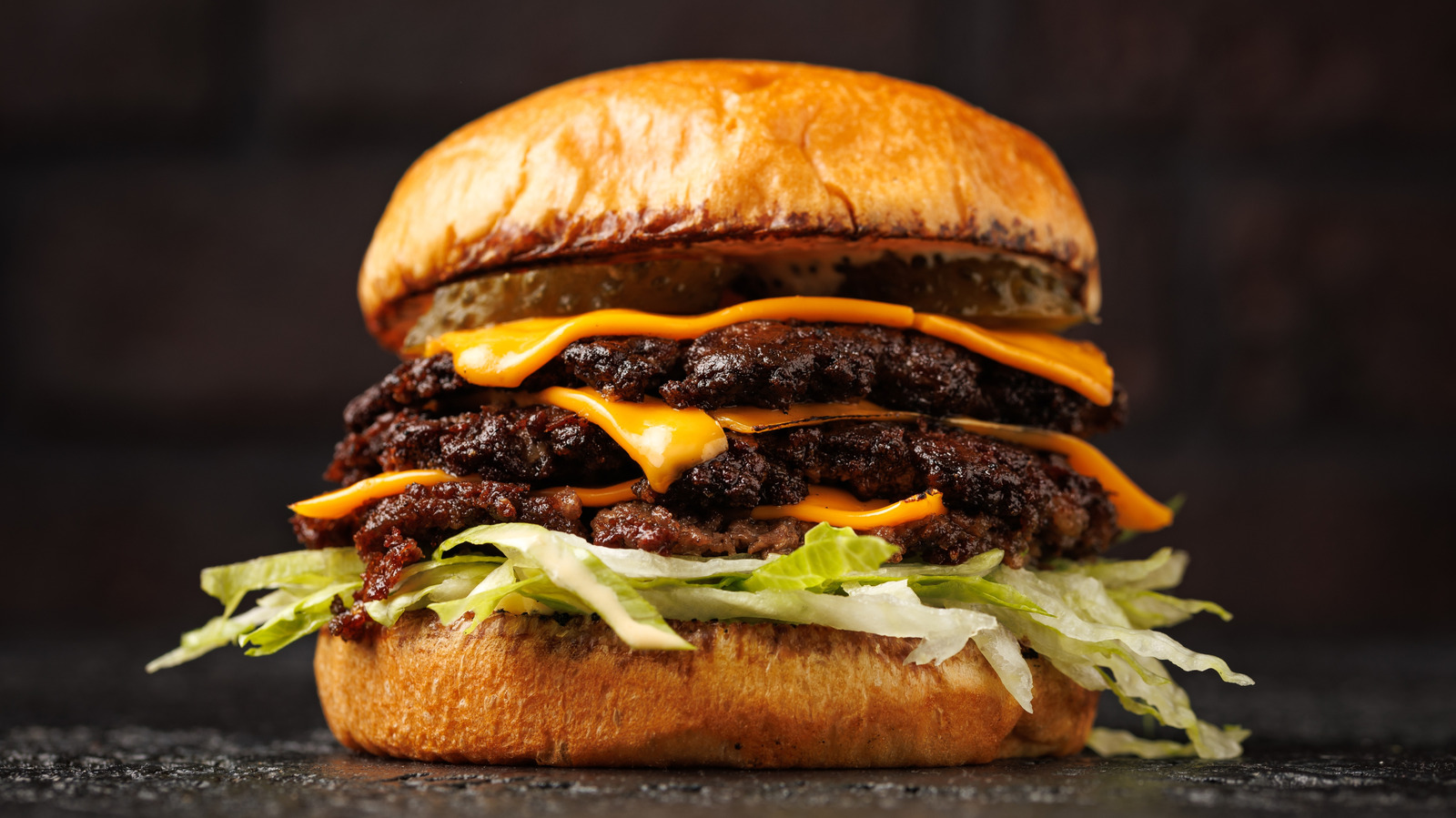
This is particularly transformative when using leaner ground beef blends, such as 90/10 or 95/5. While leaner meat is often the healthier choice, it is notoriously difficult to grill, as it lacks the intramuscular fat (marbling) required to stay juicy under high heat. Adding hydrated oats provides a "cushion" of moisture that masks the inherent dryness of lean meat, resulting in a burger that is both healthier and more palatable.
Nutritional Implications: Beyond the Budget
While the primary driver for many is cost, the secondary benefit—nutritional enhancement—is becoming a significant selling point for health-conscious consumers. The modern diet is often criticized for being high in animal protein and saturated fats, yet lacking in dietary fiber.
Oats are a nutritional powerhouse, rich in beta-glucan, a soluble fiber associated with improved cholesterol levels, enhanced satiety, and stabilized blood sugar. By incorporating oats, the burger becomes a vehicle for fiber intake. Furthermore, oats provide a modest boost of plant-based protein and essential minerals like magnesium and iron.
From a dietitian’s perspective, this hybrid approach represents a "flexitarian" middle ground. It allows individuals to maintain their consumption of red meat while simultaneously diversifying their intake of whole grains. It is a subtle but effective way to improve the overall quality of a classic American meal without the "health food" stigma that often accompanies meat alternatives.
Implementation: Best Practices for the Home Chef
Integrating oats into your burger routine requires more than just dumping dry grains into a bowl of raw meat. To achieve the best result, precision and preparation are key.
The Soaking Process
The most critical step is the soak. Dry, raw oats have a texture that can feel distracting if added directly to the meat. By soaking the oats for 10 to 15 minutes before mixing, you ensure they integrate seamlessly.
- For a richer flavor: Use beef stock or a splash of soy sauce and Worcestershire.
- For a classic, tender texture: Use whole milk or buttermilk.
- For dietary restrictions: Water infused with herbs or garlic powder works exceptionally well to maintain the savory profile.
The Ratio
The "golden ratio" is generally considered to be one-quarter cup of dry rolled oats per pound of ground beef. Going beyond this ratio risks moving the texture away from a burger and toward a meatloaf-like consistency. It is essential to treat the oats as a supporting actor, not the lead performer.
Handling and Grilling
Because oats increase the water content of the patty, they can make the raw mixture slightly more delicate. It is advisable to chill the patties in the refrigerator for at least 30 minutes before cooking. This allows the starches in the oats to set, creating a firmer patty that will hold its shape when it makes contact with the grill grates.
Industry Perspectives: The Chef’s Take
We spoke with several culinary experts regarding the resurgence of the oat-blend burger. "It’s a technique that has been overlooked by the gourmet movement for too long," notes one executive chef at a Midwest bistro. "We focus so much on the quality of the beef—and that is important—but we ignore the structural failures of the burger. If your burger dries out because the fat renders too quickly, you’ve wasted your money. Oats are a safety net. They hold the integrity of the meat together."
Industry analysts also point out that this trend aligns with the growing "Food Waste Prevention" movement. By utilizing pantry staples that might otherwise sit untouched, home cooks are becoming more efficient managers of their household resources.
Conclusion: A Return to Practical Cooking
The "Beef Up" movement is not merely a sign of economic constraint; it is a return to a more intelligent, resourceful way of cooking. By combining the savory, iron-rich flavor of beef with the textural benefits and health advantages of oats, the modern burger is evolving.
As we look toward the future of home cooking, the emphasis will likely continue to shift toward maximizing the value of our ingredients. The oat-blended burger is a perfect case study: it is affordable, it is healthier, it is environmentally conscious, and, perhaps most importantly, it results in a more consistently delicious, juicy bite. The next time you find yourself at the meat counter looking for ways to stretch your dollar, reach for the canister of oats in your pantry—you might just find your new favorite burger recipe.
