

In an era defined by the frantic, algorithm-driven consumption of content, the act of sitting down with a physical book—specifically an art book—has become an act of radical mindfulness. As the summer season approaches, bringing with it the perennial urge to trade screens for paper, many readers find themselves grappling with the “reading rut.” It is a malaise characterized by a loss of focus and the inability to engage with long-form text.
For those navigating this intellectual stagnation, art books offer a unique sensory and cognitive reprieve. Unlike traditional novels that demand a linear, often exhaustive emotional investment, art books provide a multifaceted engagement. They invite the reader to linger, to observe, and to digest information at a pace that feels both restorative and intellectually stimulating. From the intricate linguistic precision of dictionary definitions to the high-stakes drama of art provenance research, the following guide explores why this summer’s reading list is more than just a collection of titles—it is a toolkit for reclaiming one’s attention span.
The Linguistic Artistry of the Everyday
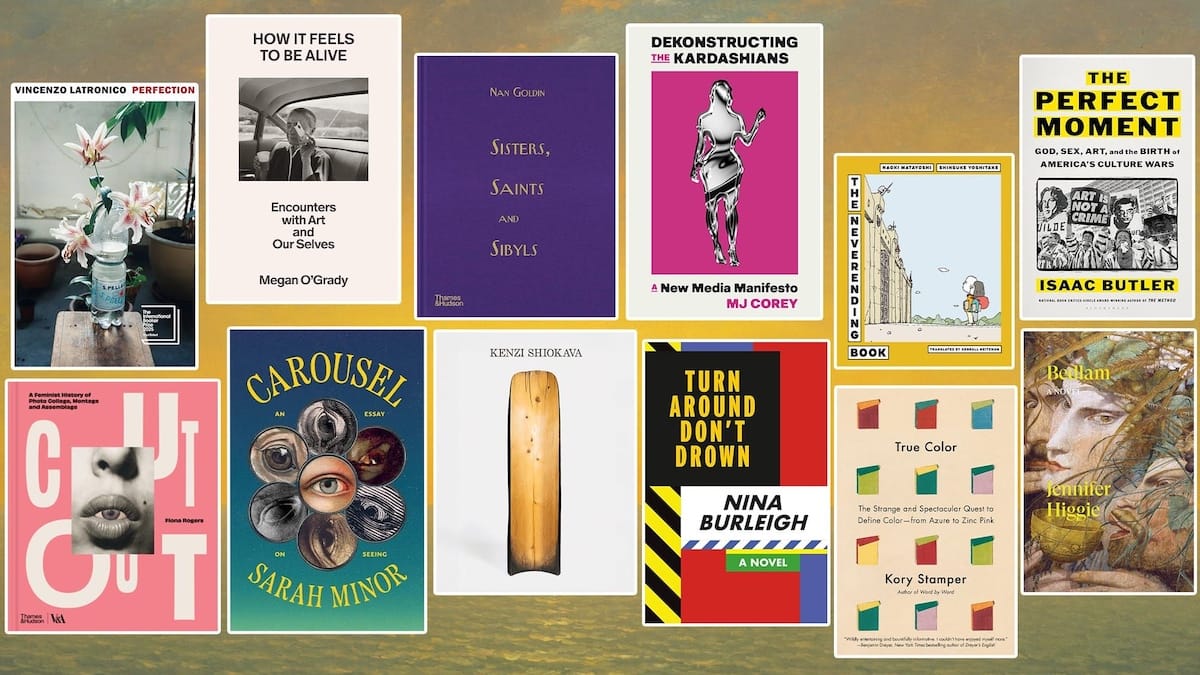
One of the most compelling entries in this season’s literary landscape is Kory Stamper’s True Color. The book serves as a transfixing investigation into the mind of the man who originated the Merriam-Webster Dictionary’s definitions for colors. Stamper’s work is a masterclass in the intersection of lexicography and visual perception.
Consider the subject’s definition of a begonia: “bluer than fiesta, and bluer and stronger than sweet william.” Or his characterization of scotch gray: “duller than mermaid.” These are not merely descriptive phrases; they are poetic interpretations of the physical world. By grounding complex visual data in the subjective, emotive power of language, Stamper demonstrates how art books can bridge the gap between the technical and the lyrical. For the reader in a rut, True Color acts as a reminder that the world is a texture waiting to be defined, encouraging a more intentional observation of one’s own environment.
Chronology: The Evolution of the Summer Reading List
The tradition of the “summer read” has undergone a significant transformation over the last decade. Historically, the category was dominated by mass-market paperbacks—thrillers and light beach fiction designed for ephemeral enjoyment. However, the 2026 publishing season marks a departure from this trend.
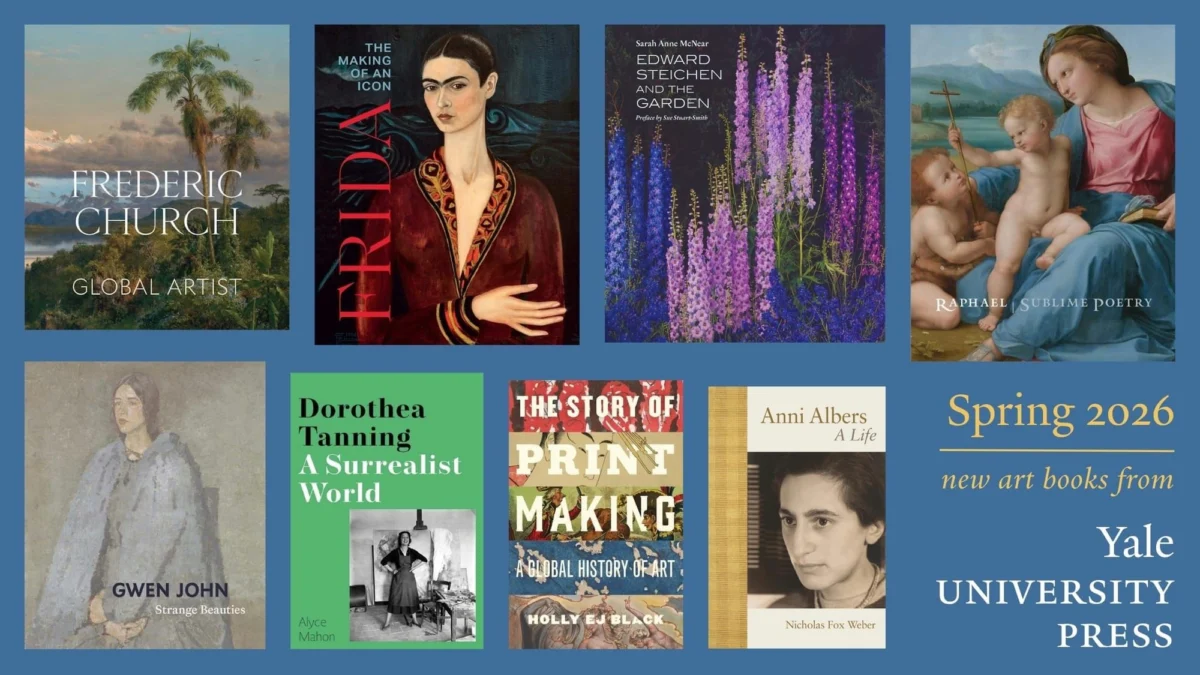
- Early 2026: Yale University Press announced an expansive slate of art monographs and historical biographies, signaling a shift in reader demand toward more substantial, research-heavy content.
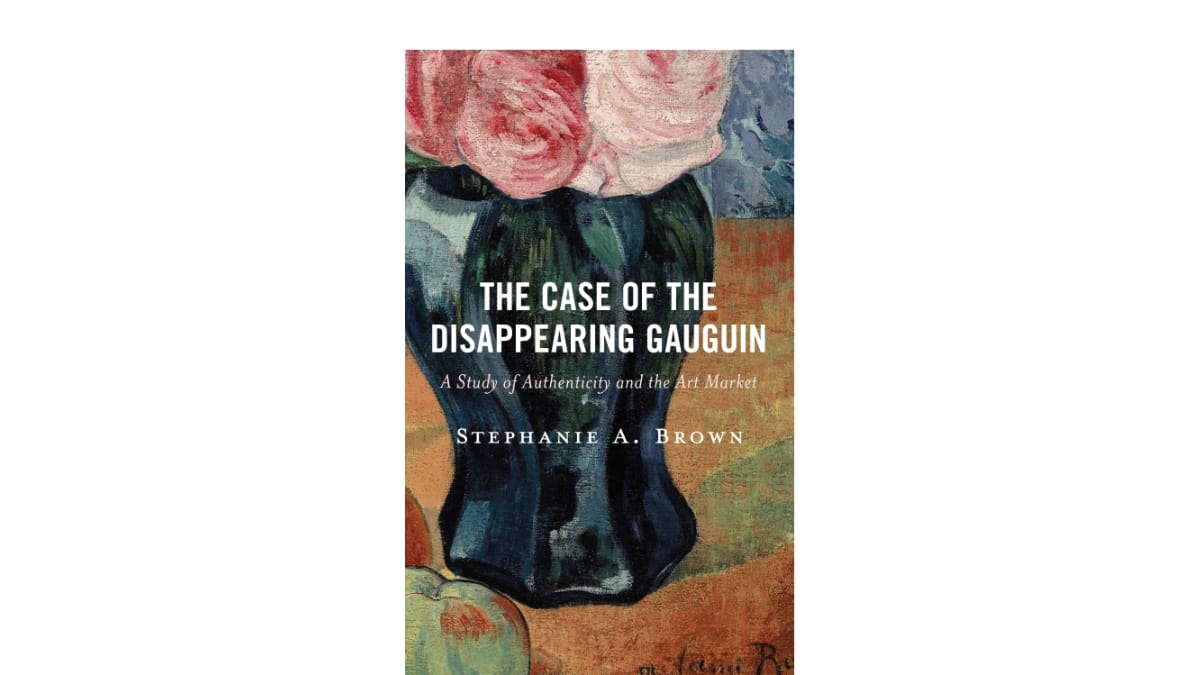
- April 2026: The release of The Case of the Disappearing Gauguin by Stephanie Brown set a new standard for the “art detective” sub-genre, blending true-crime narrative structures with academic rigor.
- May 2026: The LA Art Book Fair highlighted a movement toward “archival remixing,” where contemporary artists began using historical media to create new, tactile narratives.
- June 2026: The current moment reflects a peak in the “curated collection” movement, where readers are increasingly looking to experts—like those at Hyperallergic—to guide them through the overwhelming deluge of new releases.
Supporting Data: The Provenance of Mystery
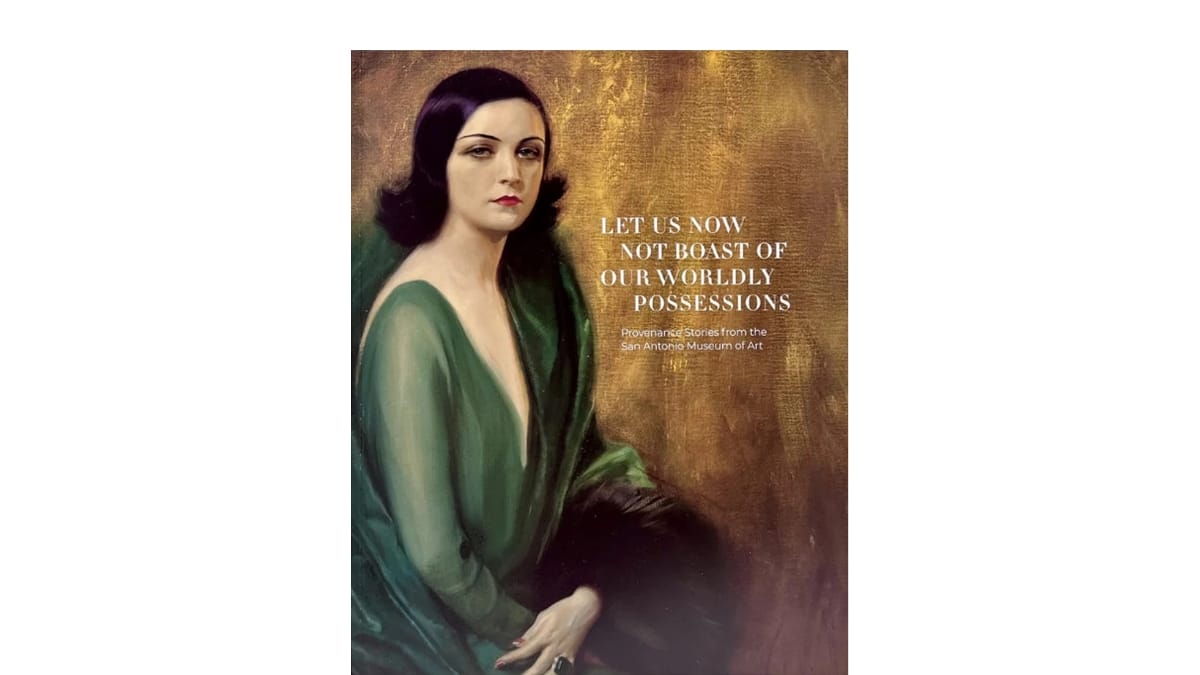
The fascination with art books is currently fueled by a resurgence in the “detective narrative.” Works like Lynley J. McAlpine’s Let Us Now Not Boast of Our Worldly Possessions: Provenance Stories from the San Antonio Museum of Art (2022) have provided a blueprint for how to engage the public with the often-opaque world of art history.
Provenance research is, at its core, the work of a detective. It requires digging through archives, deciphering obfuscated ownership histories, and navigating a market where participants are often unwilling to disclose the truth. When readers engage with books that detail these investigations—such as the saga of a Gauguin painting that traveled from real to lost to fake—they are not just consuming art history; they are learning to think critically about authenticity, value, and the ethics of possession.
These narratives serve as an essential counterpoint to the "fake news" era. They teach the reader that truth is not something to be taken at face value but something that must be unearthed, verified, and contextualized.
Official Perspectives and Expert Insight
Critics and scholars argue that the current popularity of art-focused reading is a direct reaction to the "digital burnout" that has defined the mid-2020s.
“When we are inundated with pixels, our brains crave the weight of a book and the resolution of a high-quality print,” says one industry analyst. “The current crop of art books doesn’t just show art; they tell the stories of the people behind the art, the people who preserve the art, and the people who seek to exploit it.”
Furthermore, the integration of letters, photographs, and talismans into modern publications—such as the archival work currently on display in New York regarding the life of Jack Kerouac—provides a “you are there” experience that digital media struggles to replicate. By presenting the mundane detritus of a genius’s life—a grocery list, a stained photograph, a frantic letter—these books humanize figures who have otherwise become distant, academic icons.
The Implications of Curated Reading
What are the long-term implications of this shift toward art-focused, deep-dive reading?
- Restoration of Cognitive Endurance: By engaging with dense, visually rich, and intellectually challenging material, readers are effectively training their brains to move away from the "skimming" habit fostered by social media.
- Redefining the "Beach Read": The stigma that art books are only for the elite or the academic is fading. As these titles become more narrative-driven, they are effectively democratizing access to high-level aesthetic and historical discourse.
- Archival Relevance: The trend of “getting messy in the archive” implies that the next generation of creators will be more interested in remixing and re-contextualizing the past than in creating entirely new, disconnected works.
A Call to Action for the Summer Reader
As you prepare your reading pile for the upcoming months, consider the balance between escapism and engagement. While fantasy novels and trendy memoirs have their place, a well-placed art book can serve as an anchor.
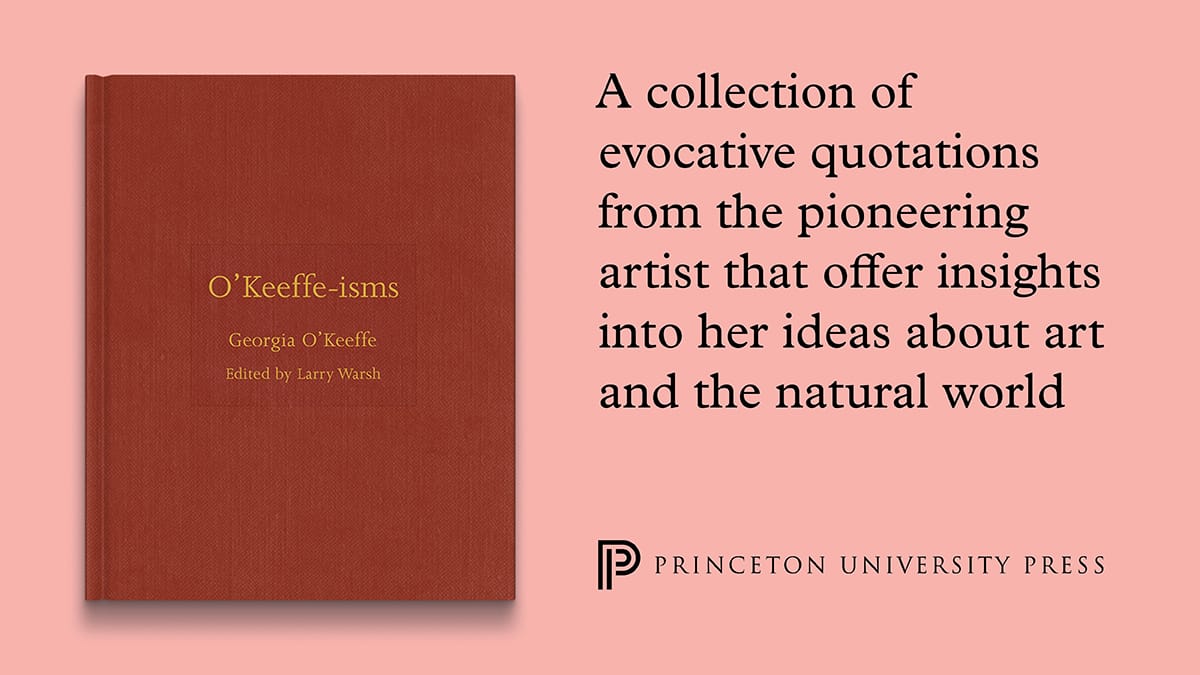
Whether it is delving into the desert landscapes of New Mexico through the lens of O’Keeffe-isms, or challenging your own perceptions of truth with a deep dive into art market fraud, the goal remains the same: to emerge from the reading rut with a renewed sense of curiosity.
Recommended Starting Points for the Summer:
- For the Linguistic Curious: True Color by Kory Stamper.
- For the Mystery Enthusiast: The Case of the Disappearing Gauguin by Stephanie Brown.
- For the Historical Researcher: Let Us Now Not Boast of Our Worldly Possessions by Lynley J. McAlpine.
- For the Visual Poet: O’Keeffe-isms.
As we move into the heat of the summer, remember that the most valuable accessory you can carry is a book that demands you look closer. If you find yourself drifting, look for the text that challenges your eye, tests your critical faculties, and reminds you why we started reading in the first place: to understand the world, one color, one provenance, and one page at a time.
If you have found a title that has successfully pulled you out of a slump, or if you have a specific technique for engaging with difficult texts, we invite you to share your findings. After all, the best reading lists are the ones built through collective discovery and the shared joy of turning a physical page.
