

This coverage is made possible through a partnership between Grist and Interlochen Public Radio in northern Michigan.
Across the United States, a critical lifeline for forest recovery has effectively snapped. The Emergency Forest Restoration Program (EFRP)—a federal initiative designed to help nonindustrial private landowners recover from the devastating impacts of natural disasters—has hit a wall of insolvency. Due to an overwhelming surge in nationwide demand, the U.S. Department of Agriculture (USDA) has confirmed that the program’s coffers are currently empty, leaving thousands of landowners in a state of suspended animation.
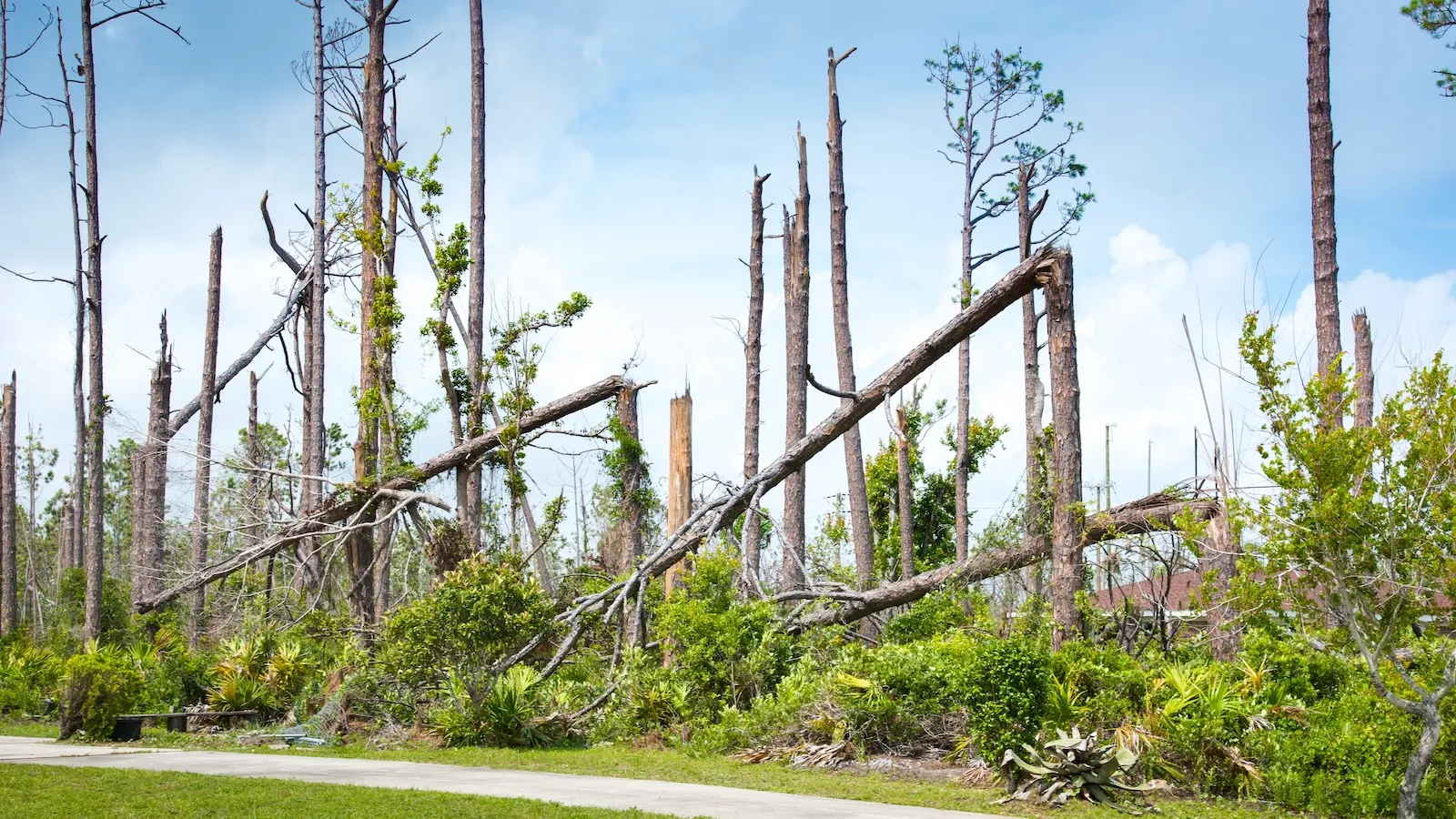
From the hurricane-ravaged coastlines of the Atlantic to the ice-shattered woodlands of northern Michigan, the freeze on EFRP funding represents more than just a bureaucratic hiccup; it is a breakdown in the nation’s ability to manage its climate-stressed ecosystems.
The Anatomy of the Crisis: A Chronology of Failure
The current crisis did not emerge overnight. It is the culmination of a mismatch between increasingly frequent extreme weather events and a rigid federal funding structure.
The EFRP was established by Congress in 2008 as a crucial component of the national Farm Bill. Its mandate is clear: to provide disaster relief to private landowners who lack the industrial resources of timber corporations to restore their lands following catastrophes. Two years ago, in a move that seemed to anticipate a volatile future, Congress appropriated $357 million for the program, with the intent that the funds remain available until expended.
However, the 2024 Atlantic hurricane season proved to be a historic outlier, shattering records and soaking up a significant portion of those earmarked funds. As the USDA scrambled to manage the fallout from those storms, other regions—including northern Michigan—found themselves caught in the wake of different disasters.
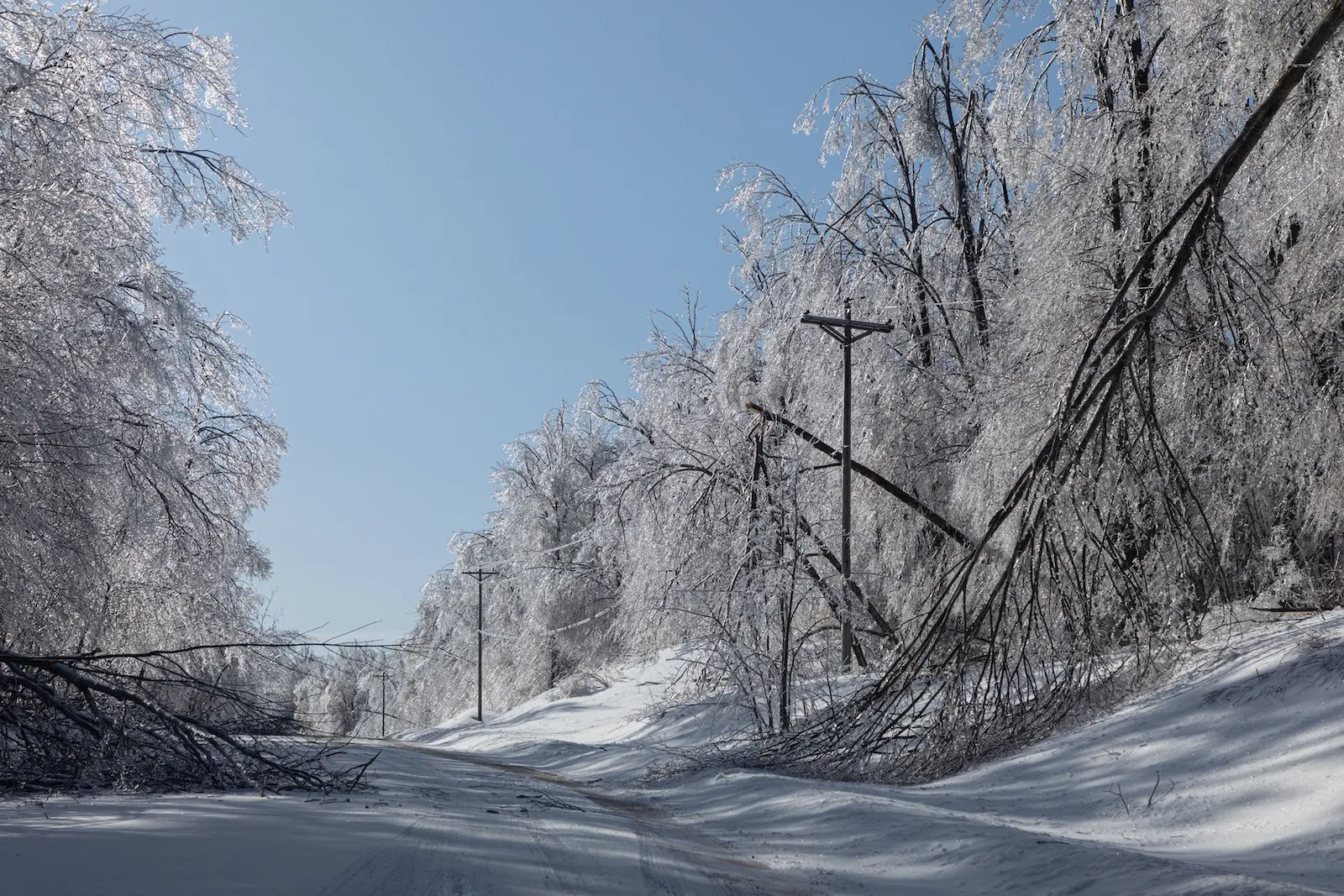
In March 2025, a brutal ice storm swept across 12 counties in northern Michigan, coating millions of trees in heavy, destructive ice. The result was catastrophic: approximately 3 million acres of forest were severely damaged in just two days. In May 2025, the USDA officially invited Michigan landowners to apply for EFRP assistance to help clear debris, replant, and manage invasive species.
Yet, for those who stepped forward, the experience was defined by a lack of clarity. Months of silence, confusing eligibility requirements, and a disconnect between federal administrators and local forestry experts stalled the rollout. By the time many applicants had completed the arduous paperwork and onsite inspections, the federal pot had run dry.
The View from the Woods: Voices of Frustration
For landowners and professional foresters, the lack of communication from federal officials has been the most demoralizing aspect of the process.
Neil Haney, executive director of the Lake Louise Christian Community in Boyne Falls, Michigan, has spent months navigating the labyrinthine application process. His organization manages 1,700 acres of woodlands that were decimated by the 2025 ice storm.
“We’ve spent so much time filling out the paperwork, going and doing in-person meetings, having them on site doing visits, for what feels like nothing,” Haney said. His experience is mirrored by hundreds of others. Mike Smalligan, the forest stewardship coordinator with the Michigan Department of Natural Resources (DNR), estimates that around 600 landowners in the state are currently caught in this administrative limbo, waiting for funds that may never materialize.
The frustration is compounded by the fact that the Farm Service Agency (FSA), which administers the program, typically focuses on agricultural crops and row-farming rather than complex, long-term forest management. Tony Fox, a forester based in Lake City, Michigan, who assisted over a dozen applicants with their restoration plans, noted the "steep learning curve" for federal officials.
“It was a little unfair to the folks at FSA,” Fox said. “You had a lot of folks who had no clue about the forest trying to wedge an agricultural program into the woods.”
Supporting Data: Economic and Ecological Stakes
The damage to Michigan’s forests is not merely an aesthetic issue; it is a significant economic blow. The state’s forest industry, encompassing everything from timber production to a robust tourism and recreation sector, contributes billions of dollars to the state’s economy annually.
The state government estimated that it would require $14 million just to address the 1 million acres of public land managed by the DNR. For private landowners, the EFRP represented one of the only available avenues for financial support. Without it, many are forced to choose between leaving their lands in a state of hazardous disrepair or paying for the restoration work out-of-pocket—a cost that can reach into the hundreds of thousands of dollars.
The ecological stakes are equally high. As noted by experts, damaged forests are less effective at carbon sequestration. With American forests storing nearly 60 billion metric tons of carbon—offsetting approximately 13 percent of the country’s total emissions—the inability to restore these lands following a storm represents a long-term setback for national climate goals.
Official Responses and the "At Your Own Risk" Dilemma
When reached for comment, the USDA confirmed the harsh reality: "Currently, requests for financial assistance through the Emergency Forest Restoration Program exceed the funding currently available."
The Michigan FSA office has offered little comfort to those in the queue, stating that while landowners are free to begin restoration work at their own discretion, any work initiated prior to official approval is done entirely at their own expense. This creates a "damned if you do, damned if you don’t" scenario.
Some landowners, desperate to prevent further rot or pest infestations—such as the threat posed by the southern pine beetle—have begun work without guarantees. Others, particularly those whose restoration plans involve large-scale replanting, simply cannot afford the risk.
The crisis is not limited to Michigan. In Minnesota, the state’s Department of Natural Resources has confirmed that EFRP applications for a major windstorm are also stalled. Across the country, the program has been stretched thin by disparate disasters, including flooding in Hawaii and pine beetle infestations in Georgia, leaving the FSA to triage a national catastrophe with a depleted budget.
Implications: A Call for Legislative Reform
The failure of the EFRP has sparked a debate about the government’s readiness for a future defined by climate instability.
Congress has acknowledged that the current model of disaster relief—which relies on reactive, periodic appropriations—is fundamentally broken. Because the timing of federal funding bills rarely aligns with the unpredictable nature of extreme weather events, the program is often either under-funded or caught in a bottleneck.
This past summer, a glimmer of reform emerged as Congress passed legislation aimed at allowing advance payments to landowners. However, the efficacy of this new law remains uncertain as the program struggles to clear its existing backlog.
Representative Jack Bergman, whose district covers northern Michigan, has become a vocal critic of the current situation. "Landowners shouldn’t have to fight Washington just to get help recovering," Bergman said in a statement. He has called on his colleagues on the House Appropriations Committee to prioritize the replenishment of the EFRP, emphasizing that "if Washington calls this emergency relief, it needs to act like it’s an emergency."
Conclusion: Lessons for a Changing Climate
For many, the most lasting takeaway from this experience is the need for a more specialized approach to disaster management.
"The federal government knows how to handle hurricanes, tornadoes," said Neil Haney. "It felt like they didn’t know what to do with an ice storm."
As extreme weather continues to threaten the integrity of American woodlands, the current model for forest restoration is proving inadequate. The "wait-and-see" approach to funding does not account for the biological reality of forests, where delay can mean the difference between a resilient recovery and a permanent loss of ecosystem health.
Until the federal government bridges the gap between its disaster relief promises and the practical realities of forest management, landowners in northern Michigan and beyond remain in a precarious position—waiting for the next storm while the last one continues to take its toll.
