

In the world of fitness, where complex machinery and high-intensity interval training often dominate the conversation, one simple, floor-based movement remains the undisputed champion of core health: the glute bridge. Often dismissed by beginners as a rudimentary warm-up, the glute bridge is, in reality, a sophisticated tool for measuring structural integrity, pelvic stability, and long-term functional longevity.
As we age, the importance of maintaining a "top-tier" core shifts from aesthetic concerns to the fundamental requirement for independence. According to Bridget Moroney, Head Coach at EGYM Fitness in Denver, Colorado, the glute bridge is not just an exercise; it is a diagnostic barometer for how well your body handles the demands of daily life.
The Anatomy of the Bridge: Why It Matters
The glute bridge is a foundational movement pattern that targets a kinetic chain often neglected in traditional gym settings. While standard abdominal exercises like crunches or sit-ups focus primarily on spinal flexion, the glute bridge teaches the body to stabilize and resist extension—a skill set that is significantly more applicable to the mechanics of walking, lifting, and climbing stairs.
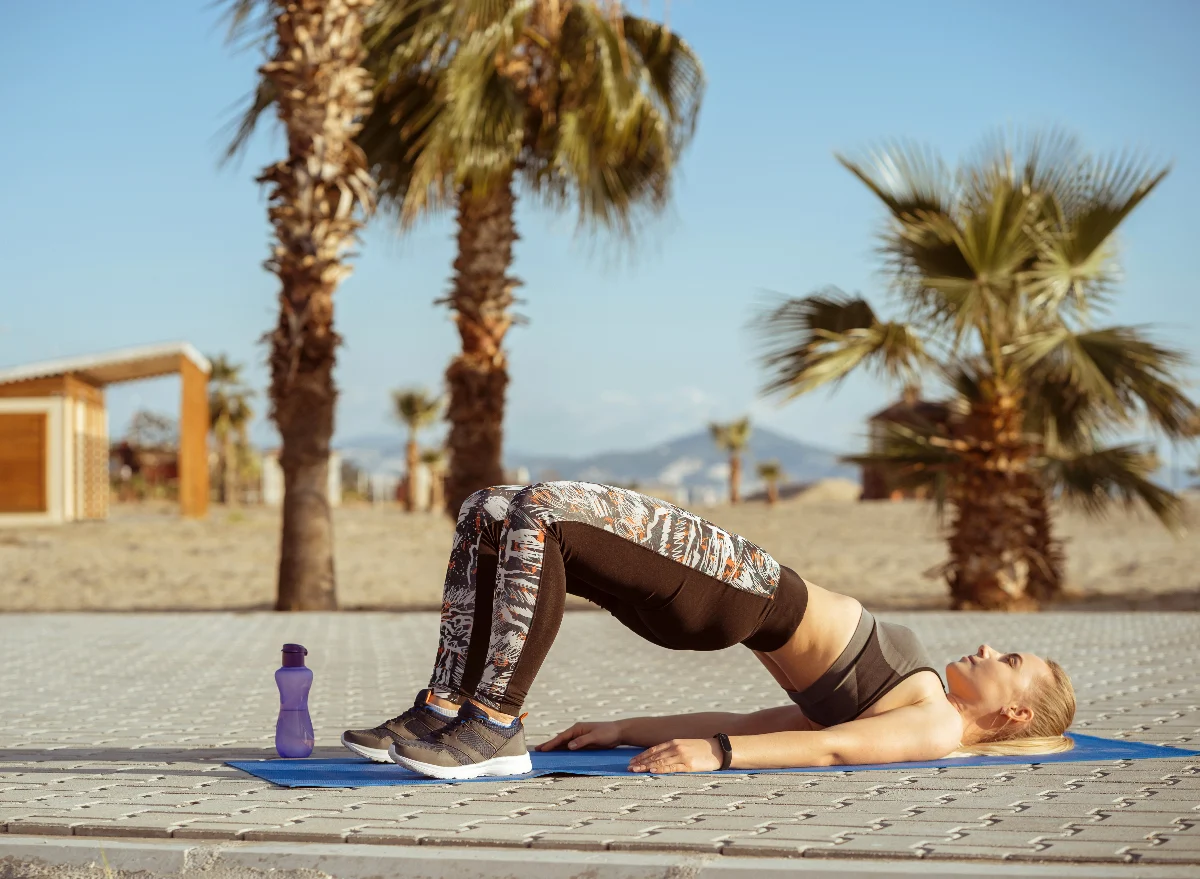
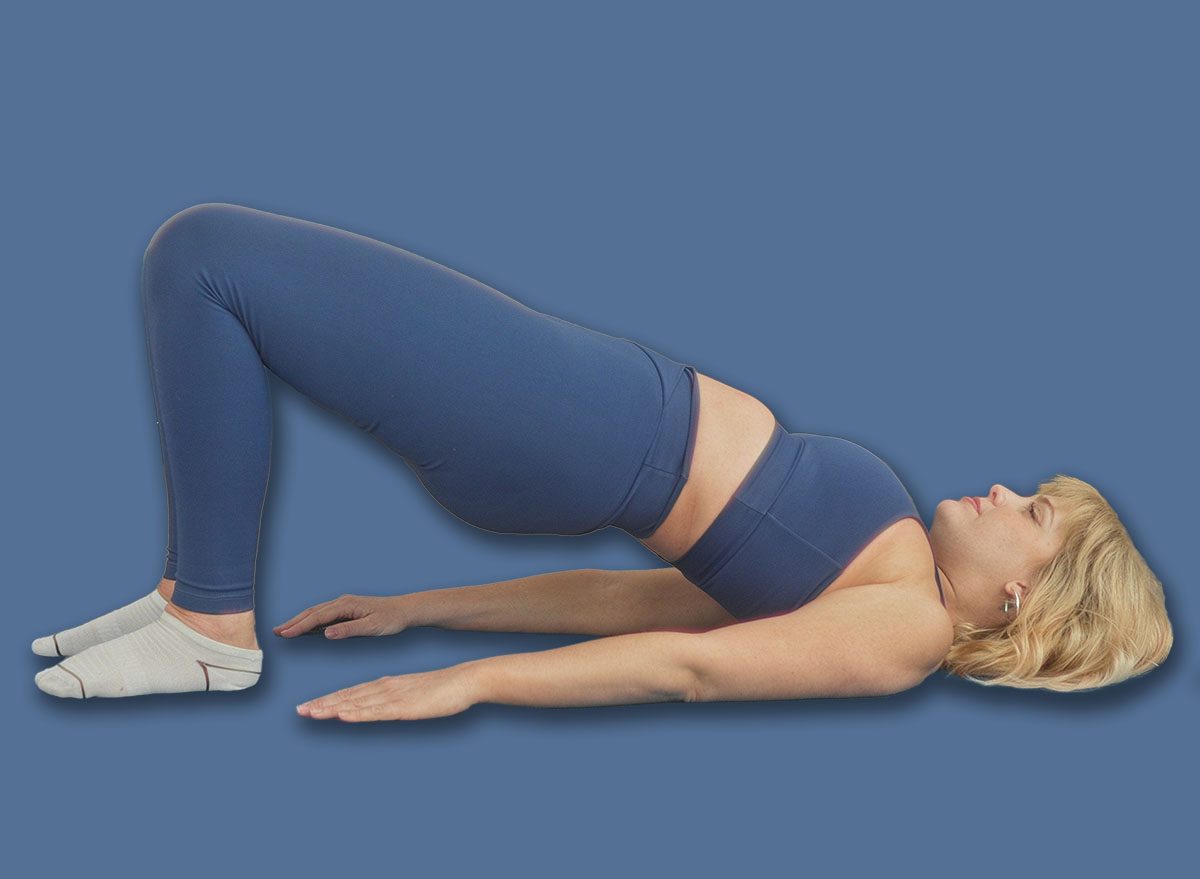
When performed correctly, the glute bridge recruits the deep abdominal muscles, the pelvic floor, the hip extensors, the lower back, and, most importantly, the gluteal complex. By lying supine with knees bent and lifting the hips until the body forms a straight line from the shoulders to the knees, you are engaging the posterior chain in a way that creates a "bracing" effect for the spine.
Chronology of a Movement: From Rehabilitation to Performance
Historically, the glute bridge began its life in physical therapy clinics. It was—and remains—a staple for patients recovering from lower back injuries, as it strengthens the muscles surrounding the lumbar spine without the high-compression loads associated with standing weights.
Over the last two decades, the movement migrated from clinical settings into the mainstream fitness industry. Coaches realized that athletes who lacked glute activation were prone to "compensation patterns." These are subtle shifts in movement where the lower back or knees take over the work that the glutes should be doing. By training the glute bridge, practitioners effectively "re-wired" their movement patterns.
Today, the exercise is highly scalable. Beginners start with a static hold, while advanced trainees incorporate single-leg variations, weighted hip thrusts, or dynamic movements like the "glute bridge march" to challenge their stability further. This progression ensures that regardless of your fitness level, the bridge remains a viable and necessary component of your routine.
The Functional Disconnect: Abdominals vs. Stability
A common misconception in the fitness industry is that a "strong core" is defined solely by the rectus abdominis—the "six-pack" muscles. However, true core strength is about internal pressure and spinal stabilization.
"Real-world movement doesn’t isolate your core anyway," explains Moroney. "Your glutes, core, and hip stability work together whether you’re climbing stairs or getting out of a chair."
Most conventional ab exercises prioritize flexion, which, while beneficial for specific muscular development, does not mimic the way we navigate the world. Our daily movements require us to keep our torso rigid while our limbs move. The glute bridge acts as a bridge (pun intended) between isolated strength training and real-world utility. It trains the core to act as a stabilizer, resisting the forces of gravity and maintaining a neutral spine under load.
Supporting Data: The 60-Second Benchmark
In the fitness community, benchmarks are essential for tracking progress. When it comes to the glute bridge, the goal for those over the age of 65—and indeed, for healthy adults of any age—is a controlled, 60-second hold.
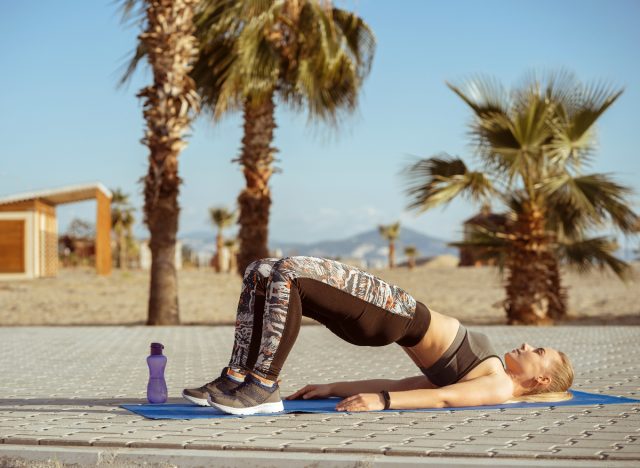
But what does this number actually signify? It is not merely about muscular endurance; it is a test of neuromuscular control. If you can hold a bridge for one minute without your hips sagging, your lower back arching, or your hamstrings cramping, it indicates that your gluteal muscles are successfully firing to hold your pelvis in a neutral, stable position.
"That benchmark comes from functional fitness standards and what we see in people who move well and stay independent as they age," says Moroney. "The key is quality over duration: a strong 60-second hold with proper glute engagement and neutral spine beats a shaky 90-second hold where the back compensates."
The Implications of a Weak Bridge
What happens when you cannot hit the 60-second mark? It is rarely a sign of "weakness" in the traditional sense, but rather a sign of "inhibition." Sedentary lifestyles, prolonged sitting, and repetitive movement patterns can cause the glutes to become "dormant." When the glutes are dormant, the body looks for a path of least resistance to perform daily tasks.
This leads to the dreaded compensation pattern. If your glutes are not firing during a simple task like rising from a sofa, your lower back muscles are forced to pick up the slack. Over time, this leads to chronic lumbar strain, hip impingement, and knee pain.
By regularly practicing the glute bridge, you are essentially "waking up" these dormant muscles. The implications for long-term health are profound:
- Reduced Fall Risk: Strong hips and glutes are the primary defense against instability.
- Improved Posture: By strengthening the posterior chain, you counteract the "hunched" posture associated with desk work.
- Joint Longevity: When muscles do the work, joints (knees and lumbar vertebrae) suffer less wear and tear.
Integrating the Bridge into Your Routine
To maximize the benefits of the glute bridge, consider incorporating it into your daily movement practice. Because it requires no equipment and minimal space, it is one of the most accessible exercises available.
Technique Checklist:
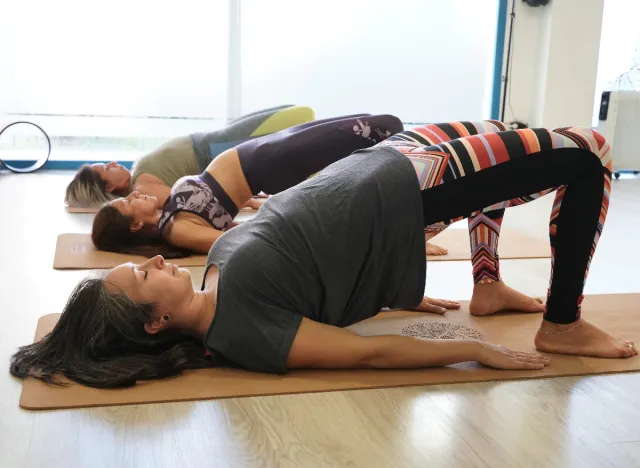
- Neutral Spine: Ensure your ribs are tucked and your spine is not excessively arched.
- Mind-Muscle Connection: Focus entirely on the squeeze of the glutes at the top of the movement.
- Control: Avoid the temptation to "bounce" or swing. The hold should be static and deliberate.
As you progress, the transition to more advanced variations—such as the single-leg glute bridge—can help identify and correct imbalances between your left and right sides. If you find one side is significantly weaker or shakier than the other, you have identified a critical area for improvement that could prevent future injury.
Final Thoughts: The Philosophy of Movement
The glute bridge serves as a reminder that fitness is not always about the most complex movement or the heaviest weight. It is about the maintenance of the body’s essential systems. By mastering the bridge, you are not just building a stronger posterior; you are investing in the mechanics that will allow you to walk, lift, and move with confidence for decades to come.
As Bridget Moroney emphasizes, the goal of this training is to ensure you can perform the tasks of life without the "compensation patterns" that eventually lead to pain. Whether you are 25 or 75, the ability to hold a stable, controlled bridge is a hallmark of a body that is firing on all cylinders. So, the next time you step into the gym or onto your living room floor, remember: the path to a stronger life starts with a single, simple, and powerful bridge.
