

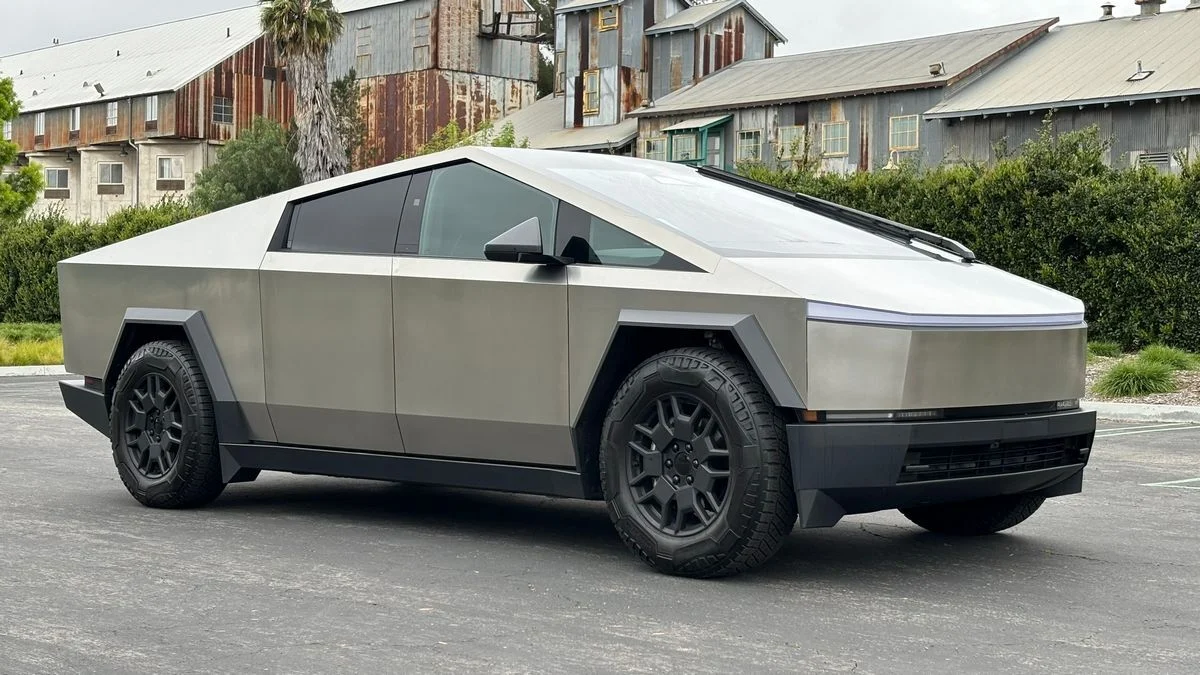
As global energy costs fluctuate and the volatility of the electrical grid becomes an increasing concern for homeowners, the transition to electric vehicles (EVs) is no longer just about reducing carbon footprints or avoiding the gas pump. For many, the EV is evolving into a critical piece of home infrastructure. In a significant move toward decentralizing energy management, Pacific Gas and Electric Company (PG&E) has officially integrated the Tesla Cybertruck into its Vehicle-to-Everything (V2X) pilot program, offering California owners a compelling financial incentive to turn their trucks into mobile power stations.
This development, which includes a $4,500 rebate for eligible equipment, marks a pivotal shift in how utility companies view the relationship between the grid and the modern electric vehicle.
Main Facts: Turning Wheels into Watts
The core of this announcement centers on the approval of Tesla’s Powershare Gateway and Universal Wall Connector for PG&E’s V2X pilot. This program allows homeowners to utilize their Cybertruck’s massive battery capacity to interact with their home’s electrical system and the broader grid.
Unlike traditional charging, where electricity flows strictly from the grid to the car, V2X technology enables bidirectional flow. This capability is divided into two primary functions:
- Powershare Home Backup: In the event of a grid failure, the Cybertruck can act as a massive uninterruptible power supply (UPS), potentially powering a typical home for up to three days on a full charge.
- Powershare Grid Support: This allows owners to contribute energy back to the utility grid during periods of peak demand. In exchange for this support, participants receive financial compensation, effectively turning their vehicle into an income-generating asset.
Crucially, the PG&E program is the first in California to approve an alternating current (AC) vehicle-to-grid application. This is a major technical milestone, as AC-based systems are significantly more cost-effective and easier to install than their direct current (DC) counterparts, which often require expensive, high-voltage hardware.
A Chronology of the V2X Evolution
The journey toward this integration has been characterized by rapid innovation and iterative policy-making.
- December 2022: PG&E officially launched its V2X pilot program. The initial phase was aimed at proving the viability of using EVs as grid assets, partnering with Ford to utilize the F-150 Lightning’s “Intelligent Backup Power” capabilities.
- 2023: Recognizing the success of the initial pilot, PG&E began the process of vetting other high-capacity EVs. The inclusion of the Chevrolet Silverado EV and the GMC Sierra EV signaled that the program was moving from a niche experiment to a broader industry standard.
- Mid-2024: Tesla’s Cybertruck, having gained market traction, underwent rigorous technical review by PG&E engineers to ensure compatibility with the utility’s safety and performance standards for grid interaction.
- October 2024: PG&E officially announced the inclusion of the Cybertruck and its specific Powershare equipment in the V2X program, effectively opening the $4,500 incentive window for California owners.
This timeline reflects a broader trend in the utility sector: the recognition that as EV adoption rates climb, the collective battery storage capacity of these vehicles represents a "virtual power plant" that could stabilize the grid during heatwaves or other periods of high stress.
Supporting Data and Technical Requirements
The $4,500 incentive is not a blanket giveaway; it is a strategic subsidy designed to offset the installation costs of the specialized hardware required for bidirectional power.
Equipment and Infrastructure
To participate, homeowners must install the Tesla Powershare Gateway and the Universal Wall Connector. The Gateway acts as the "brain" of the operation, managing the electrical load and determining when to pull from the grid, when to pull from the truck, and when to send power back to the utility.
Eligibility Criteria
Participation is currently restricted to residential customers within the PG&E service territory. Prospective participants must meet the following baseline requirements:
- Ownership: A Tesla Cybertruck equipped with the necessary Powershare hardware.
- Electrical Infrastructure: The home must be equipped with a split-phase 240-volt system. This is a standard requirement for heavy-duty appliances in North American homes, but older residences may require electrical panel upgrades to safely support the bidirectional flow.
- Enrollment: Participants must opt into the pilot program through the PG&E portal and adhere to the event-based requirements.
Official Perspectives and Regulatory Context
The collaboration between a major utility like PG&E and an automaker like Tesla represents a rare alignment of interests. For PG&E, the goal is reliability. During extreme weather events, the ability to shave peak demand by pulling power from thousands of parked EVs can prevent the need for rolling blackouts.
"The integration of the Cybertruck into our V2X program is a testament to the versatility of modern electric vehicle architecture," a spokesperson for the utility sector noted during the announcement. "We are moving past the era where a car is merely a consumer of energy. It is now a foundational component of the smart home and the resilient grid."
Tesla, for its part, has long marketed the Cybertruck’s "Powershare" feature as a core value proposition. By integrating with local utility incentives, Tesla lowers the total cost of ownership for its flagship truck, potentially swaying fence-sitters who are concerned about the high entry price of the vehicle compared to internal combustion engine (ICE) alternatives.
Implications: The Future of the Residential Energy Ecosystem
The implications of this program extend far beyond the immediate benefit to Cybertruck owners.
Grid Resilience and Energy Independence
As California continues to face the dual challenges of climate-driven wildfire risks and grid strain, the ability for individual homeowners to "island" their homes from the grid using their vehicle battery provides a level of security previously unavailable to the average consumer. This is a decentralized solution to a systemic problem.
The Financial Equation
For many owners, the $4,500 incentive, combined with the potential for ongoing earnings from grid-support events, drastically shortens the return-on-investment period for the vehicle. While the initial equipment cost for the Gateway and installation remains significant, the long-term utility bill savings and potential credits for energy export create a new paradigm in vehicle economics.
Environmental Impact
By optimizing the charging and discharging of vehicle batteries, these programs facilitate the integration of renewable energy sources. When the grid is flooded with solar energy at midday, EVs can charge; when the sun sets and demand peaks, the vehicles can feed power back. This smooths out the intermittency of wind and solar power, making the entire grid greener.
Potential Challenges
Despite the optimism, there are hurdles. The reliance on specific proprietary hardware (the Powershare Gateway) means that owners are effectively locked into the Tesla ecosystem for their home energy management. Furthermore, for those living in apartments or older homes with outdated electrical panels, the infrastructure requirements for V2X may remain an insurmountable barrier for the time being.
Conclusion
The inclusion of the Tesla Cybertruck in PG&E’s V2X pilot program is more than just a marketing win for a controversial truck; it is a blueprint for the future of energy. As the lines between the automotive and utility industries continue to blur, the "car" is increasingly becoming a mobile battery pack that sustains our homes and stabilizes our cities.
For California residents, the $4,500 incentive serves as both a catalyst for adoption and a validation of the potential that bidirectional charging holds. As this technology matures, we can expect to see similar programs roll out across the country, fundamentally changing how we define the role of the personal vehicle in a sustainable, high-tech society. Whether this results in a widespread shift toward vehicle-to-grid energy management will depend on the continued collaboration between tech giants, utility providers, and regulators who must balance grid security with consumer convenience.
