

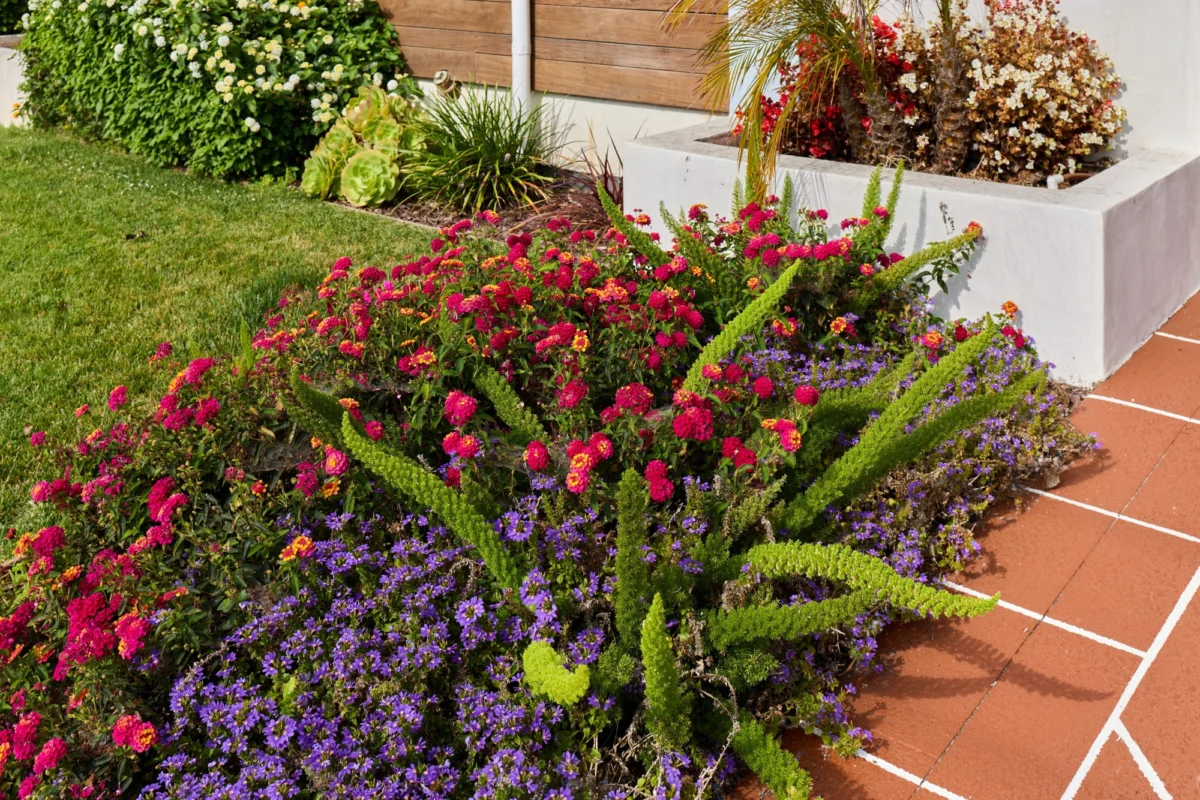
When crafting a balanced, aesthetically pleasing, and functional residential landscape, the garden’s "stars"—towering sunflowers, architectural peonies, and dramatic dahlias—often capture the gardener’s immediate attention. However, seasoned landscape architects and horticulturists know that the secret to a professional-grade yard lies in the details. Specifically, it is the low-growing, compact flowers that serve as the unsung heroes of outdoor design.
These botanical workhorses do more than just provide a pop of color; they provide structure to garden beds, suppress invasive weed growth, stabilize topsoil against erosion, and act as the connective tissue between hardscaping and softscaping. By selecting climate-resilient perennials and annuals tailored to specific microclimates, homeowners can elevate their outdoor spaces from cluttered patches of dirt to curated, professional landscapes.
The Functional Significance of Low-Growth Ground Covers
Integrating low-profile plants into a landscape design is not merely an aesthetic choice; it is a tactical one. Beyond their visual appeal, these plants serve several critical ecological and structural functions:
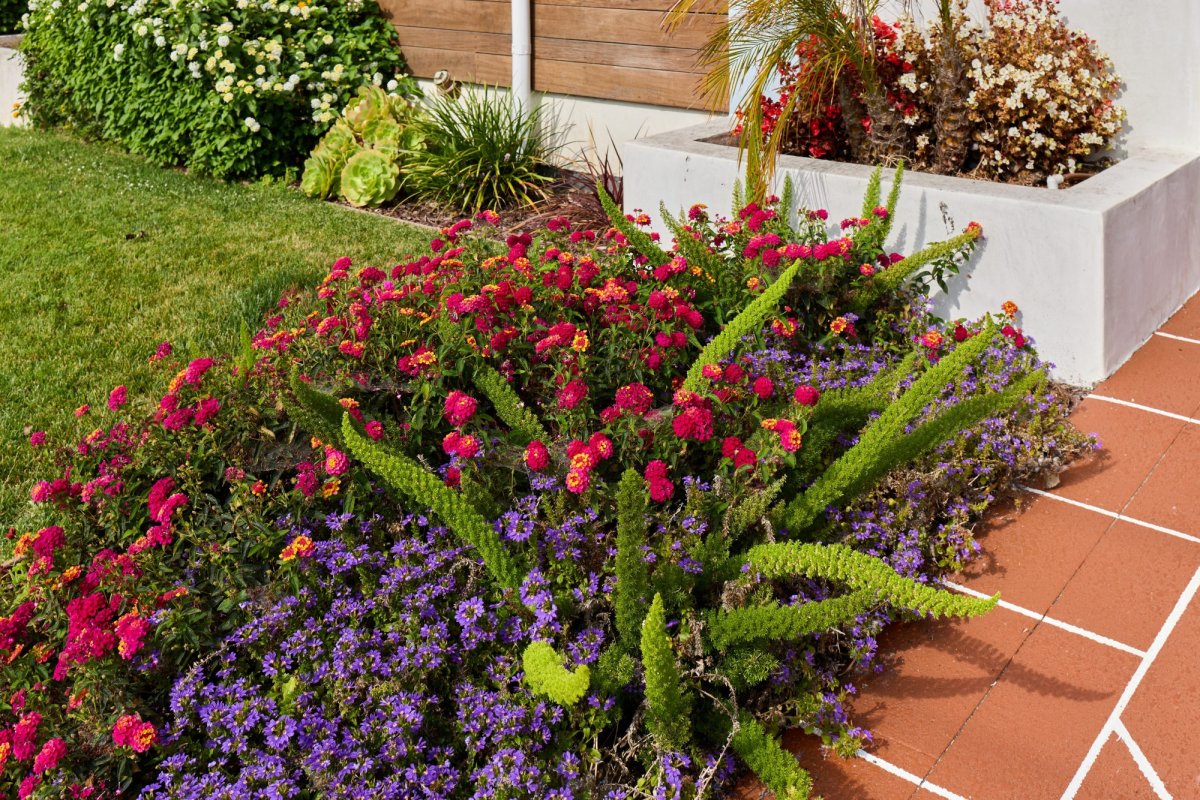
- Weed Suppression: By creating a dense, living mulch, ground-hugging plants shade the soil, preventing weed seeds from germinating and outcompeting invasive species.
- Erosion Control: Many low-growing perennials have complex root systems that bind soil particles together, making them invaluable for sloping terrain or areas prone to runoff.
- Defining Boundaries: Strategic placement of compact plants along walkways, driveways, and patio edges softens the harsh lines of man-made structures, providing a graceful transition from the home’s interior to the natural environment.
- Moisture Retention: Like a layer of organic mulch, a blanket of foliage reduces evaporation, keeping the root zone cooler and more consistently moist during the sweltering heat of mid-summer.
1. Coral Bells (Heuchera spp.): The Foliage Powerhouse
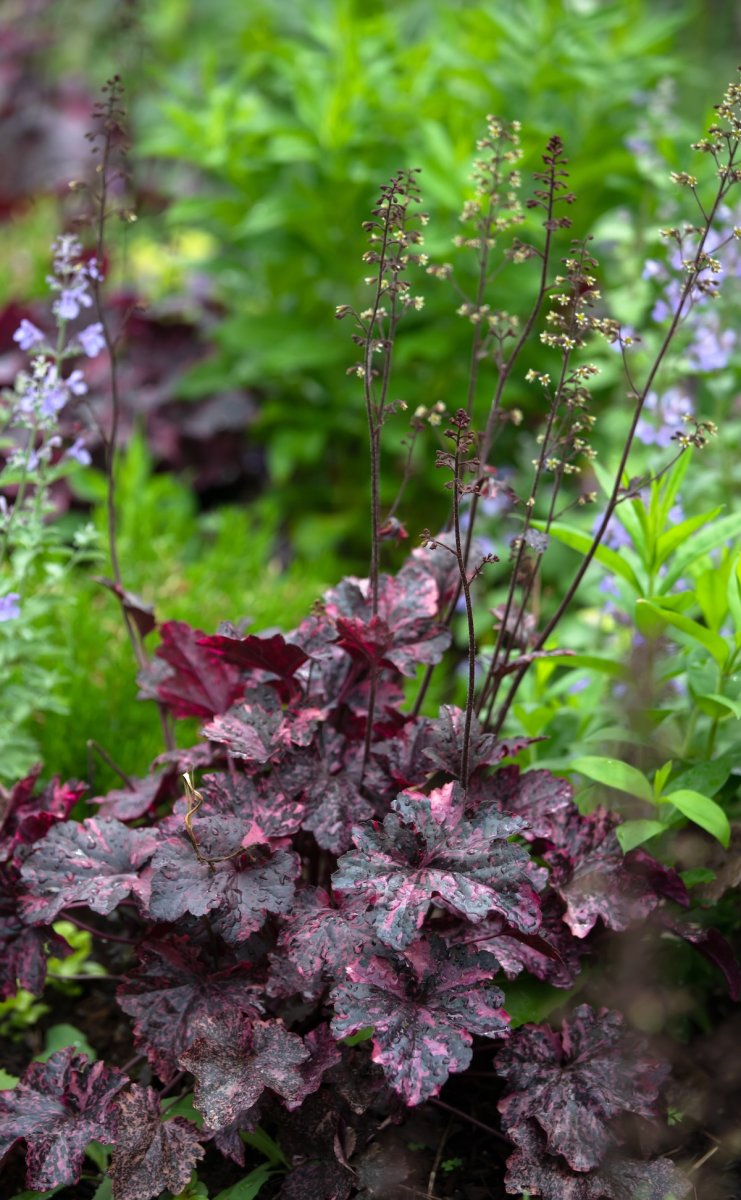
Native to North America, Heuchera, commonly known as coral bells, has seen a resurgence in popularity thanks to its year-round visual impact. Unlike plants that offer only fleeting seasonal color, coral bells are prized for their vibrant, rounded mounds of lobed, heart-shaped foliage.
Why They Excel in Modern Landscapes
The color palette of coral bells is nearly unmatched in the perennial world. Breeders have developed cultivars that range from deep, moody purples and wine-reds to electric lime greens, metallic bronzes, and variegated silver shades. In the spring and early summer, these plants send up tall, slender, airy stems topped with delicate, bell-shaped blossoms in hues of coral, pink, red, or white.
Cultural Requirements
Typically reaching heights between 6 inches and 3 feet, they are incredibly versatile. While traditional varieties are shade-dwellers, newer hybrids have been engineered for increased sun tolerance. They thrive in rich, well-draining, neutral-to-acidic soil. Once established, they are remarkably low-maintenance and boast a natural resistance to deer and common landscape pests.
2. Creeping Phlox (Phlox stolonifera): The Seasonal Carpet
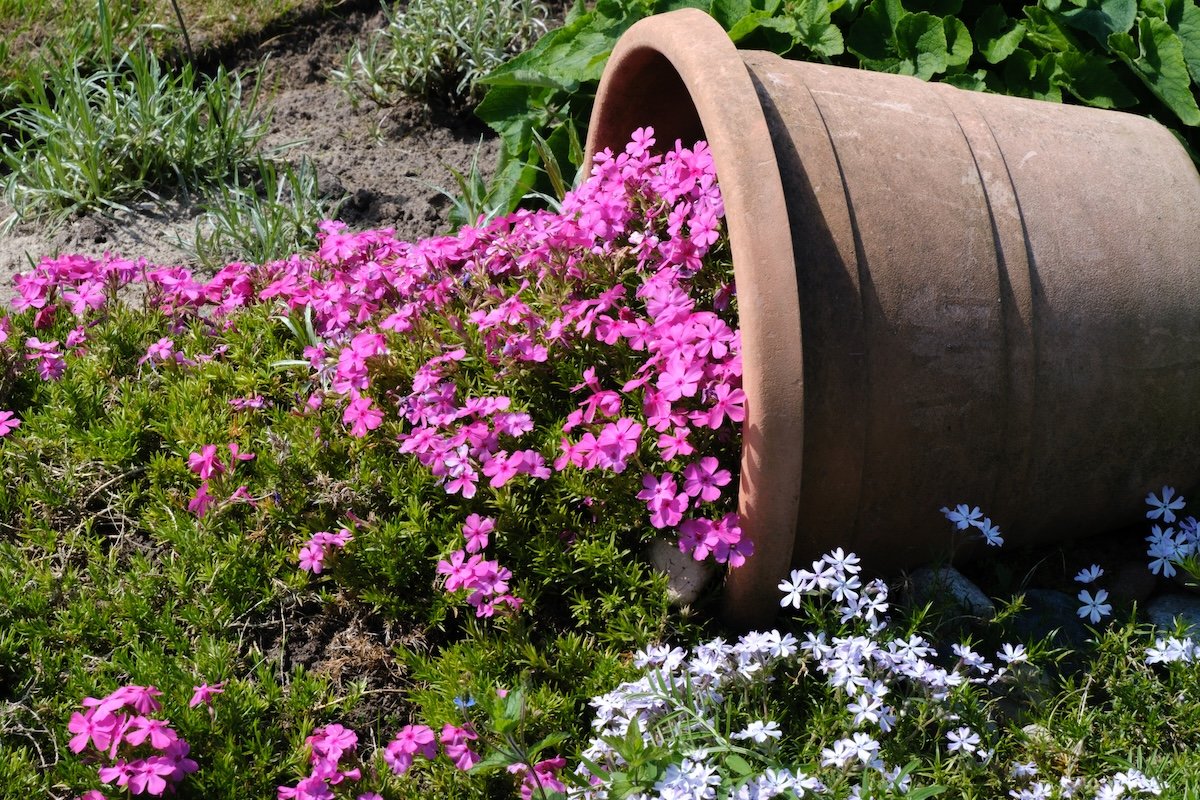
For homeowners looking to create a "wow" factor, particularly on slopes or rock gardens, creeping phlox is an essential addition. This cold-hardy, evergreen perennial forms a dense mat of foliage that, for a brief period in the spring, becomes entirely obscured by a carpet of fragrant, star-shaped blossoms.
Design Implications
The color range—including deep violet, magenta, stark white, and playful candy-striped varieties—allows for bold, monochromatic design statements. Because these plants stay low (typically 4 to 6 inches), they are the premier choice for softening the transition between a stone retaining wall and a lawn, or for cascading over rock features where traditional shrubbery would look out of place.
Performance Data
Creeping phlox is highly adaptable to both full sun and partial shade. To ensure longevity, gardeners should prioritize soil drainage; while the plant is hardy, it is susceptible to root rot if left in standing water. Once established, it acts as a permanent, living ground cover that requires little more than occasional trimming after the bloom cycle finishes.
3. Lantana (Lantana camara): Heat-Resistant Versatility
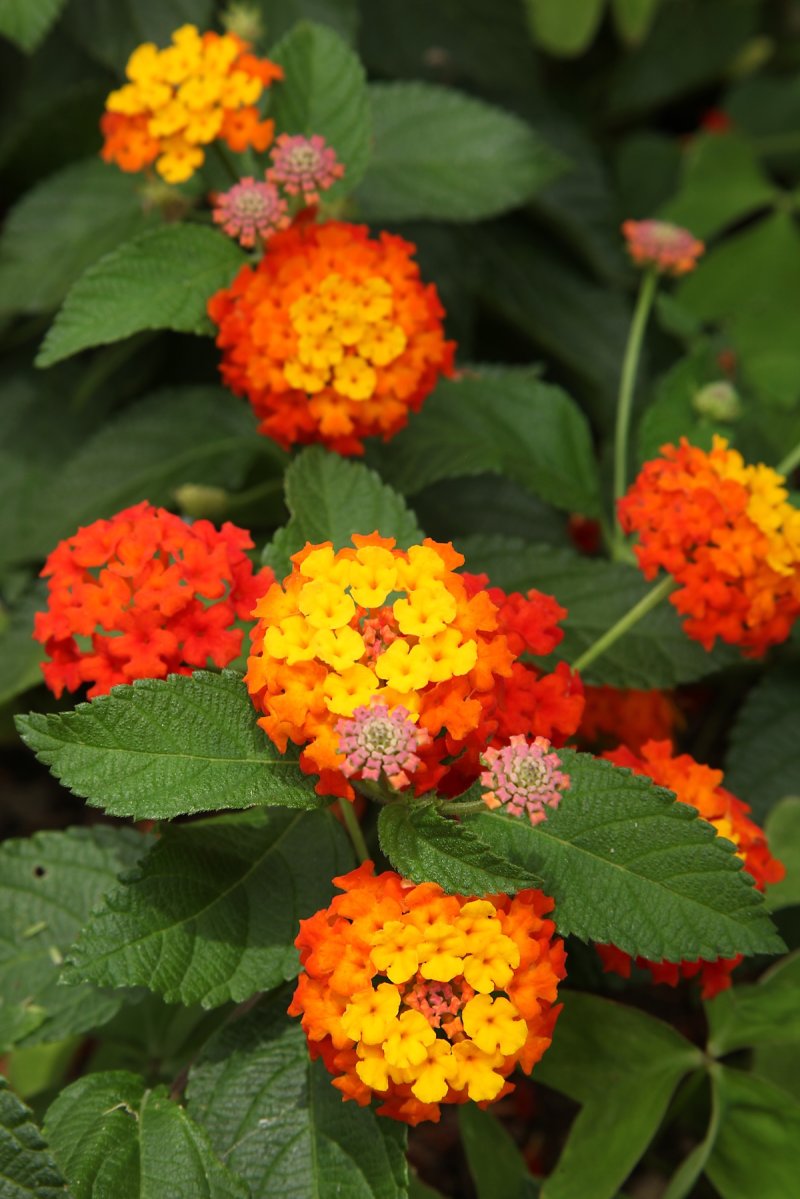
In regions where summer temperatures soar, many plants wither, but lantana thrives. As a fast-growing, heat-loving plant, it is a staple of Southern and coastal landscaping. It produces rough, aromatic foliage and vibrant, multicolored clusters of tiny flowers that resemble tiny confetti.
The Lifecycle Variation
It is important to understand the hardiness of lantana before planting. In frost-free zones (9 through 11), it functions as a woody, evergreen perennial shrub. In colder climates, it is typically treated as a vigorous annual. Regardless of the zone, it provides a consistent, high-impact display of yellow, orange, pink, and red from late spring until the very first autumn frost.
Safety and Considerations
Because lantana is both drought-tolerant and a magnet for pollinators, it is a frequent favorite for eco-conscious gardeners. However, it requires a caveat: both the foliage and the berries are toxic to pets and humans. Landscape designers advise placing lantana in elevated containers or in rear-border beds to keep it out of reach of curious children or household animals.
4. Lungwort (Pulmonaria spp.): The Shade-Garden Essential
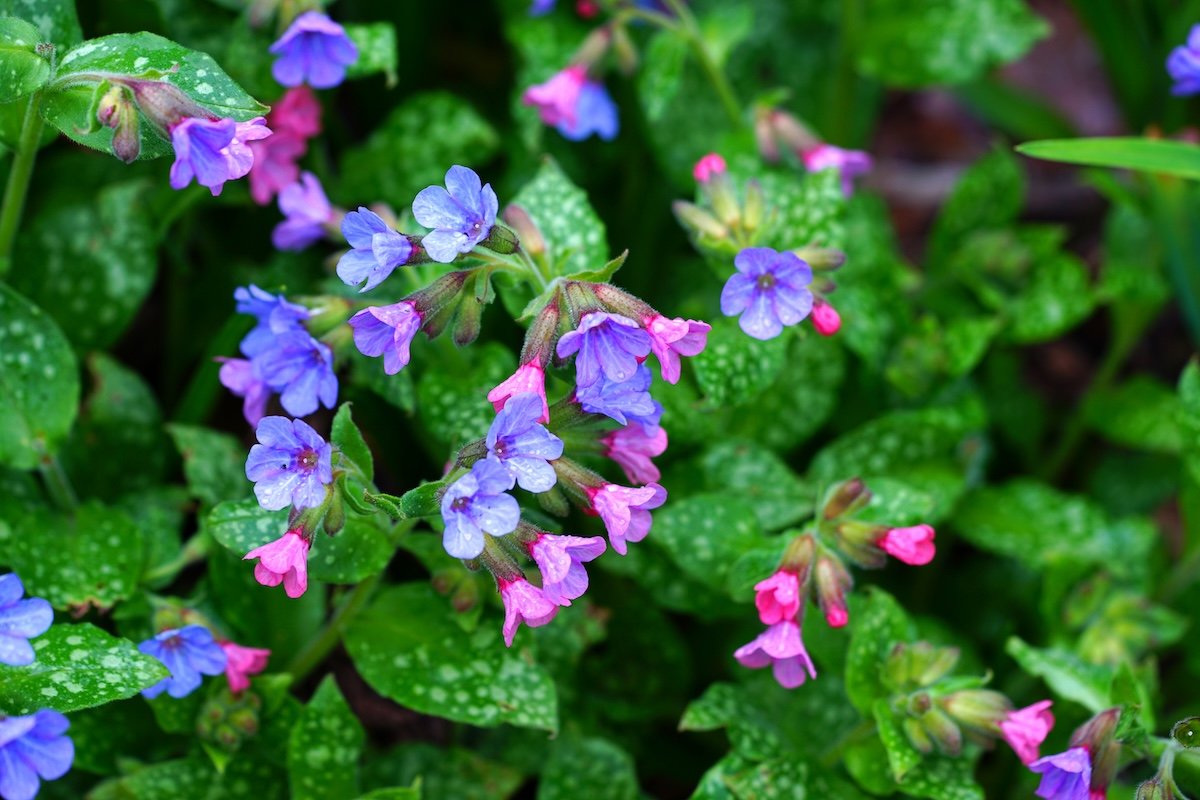
When the garden is dominated by deep shade—such as the area under a canopy of mature trees—lungwort is a reliable performer. Reaching a height of 8 to 18 inches, this plant is defined by its distinct green foliage, which is often splashed with silver, white, or cream spots.
Biological Oddities
One of the most fascinating aspects of lungwort is its bloom cycle. As the flowers emerge in late winter to mid-spring, they often change color as they age, meaning a single plant can simultaneously display pink, blue, and purple blossoms. This unique characteristic makes it a favorite for gardeners who appreciate botanical variety.
Ecological Benefits
Beyond its beauty, lungwort serves as a vital early-season food source for bees and hummingbirds. It thrives in organic, moisture-retentive soil, making it the perfect partner for ferns and hostas in woodland-style garden beds.
5. Moss Rose (Portulaca grandiflora): The Succulent Survivor
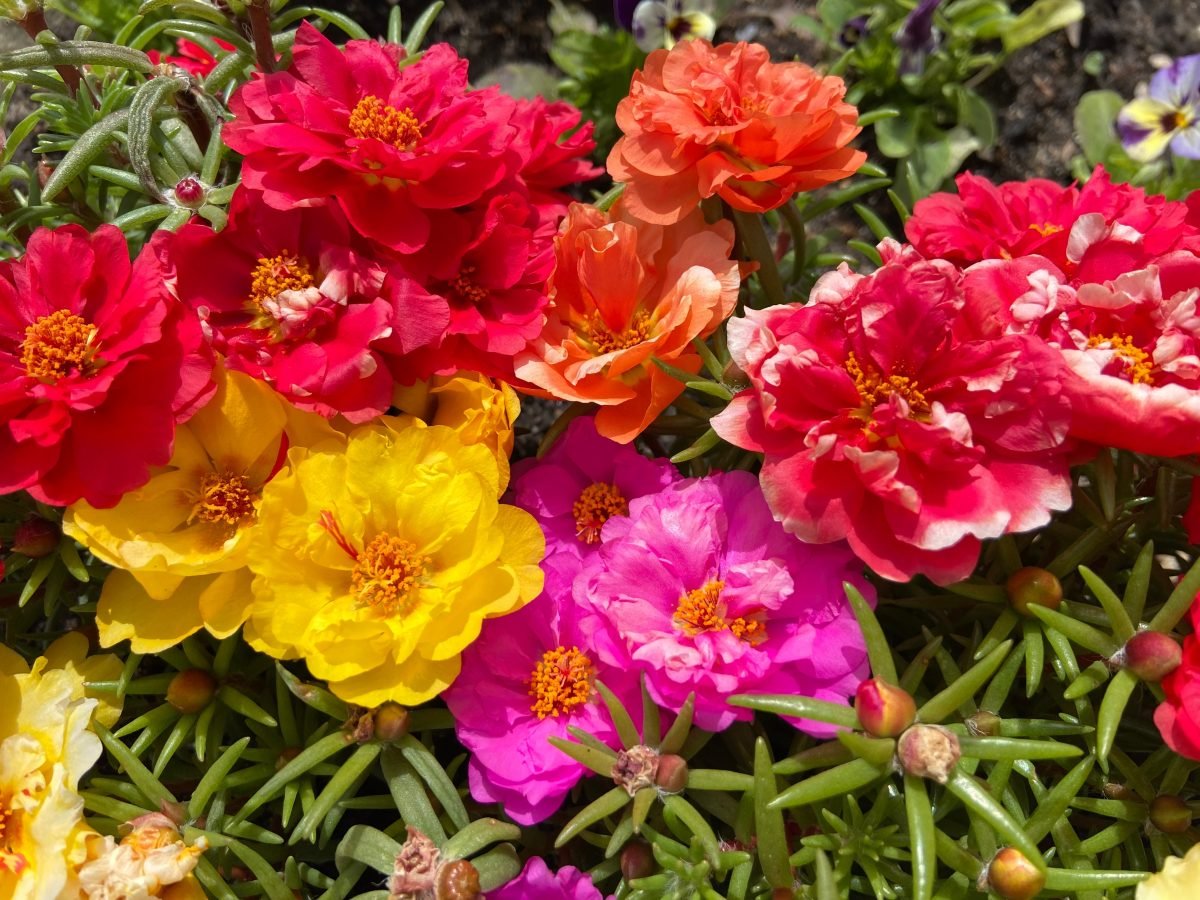
For those with poor soil, sandy patches, or sunny, dry spots that seem to kill everything else, moss rose is the solution. This low-growing succulent, native to South America, features fleshy, cactus-like foliage and ruffled, rose-like flowers.
The "Foolproof" Factor
Moss rose is the definition of a low-maintenance plant. It thrives in the hottest, driest conditions, and its blooms are exceptionally vivid. Because the flowers only open during the heat of the day and close at night, they are a dynamic addition to the garden. They are perfectly suited for hanging baskets, walkway borders, or rock-heavy landscapes where organic matter is scarce.
Maintenance and Risks
While it is deer-resistant, it is imperative to remember its toxicity to dogs and cats. Like lantana, it is best utilized in areas where pet access is limited.
Implications for the Future of Gardening
As climate patterns shift and gardeners face more extreme fluctuations in temperature and rainfall, the move toward "intelligent" plant selection is becoming the industry standard. Selecting low-profile plants like the ones listed above is not just about making a yard look good; it is about creating a resilient ecosystem that survives with less water, less fertilizer, and less human intervention.
Establishing Your Garden: Best Practices
For beginner gardeners, the temptation to over-plant or select high-maintenance "prima donna" plants can lead to early burnout. The path to a successful landscape is found in:
- Soil Testing: Knowing your soil’s pH and composition is the first step in ensuring these plants thrive.
- Proper Spacing: While these plants are compact, they need adequate airflow to prevent fungal issues. Always follow label spacing instructions.
- Strategic Irrigation: Use soaker hoses or drip irrigation for these low-growing plants to ensure water hits the roots directly, rather than the foliage, which reduces the risk of disease.
Whether you are looking to define the edge of a new raised bed or seeking to create a vibrant, low-maintenance border, these five plants offer a professional, time-tested approach to modern horticulture. By incorporating these "unsung heroes" into your design, you can achieve a sophisticated landscape that remains beautiful and healthy throughout the seasons.
