

For many homeowners, the dryer vent is the "out of sight, out of mind" component of the laundry room. Tucked behind heavy machinery and winding through wall cavities, it is easily ignored until performance drops or a warning light flickers on the console. Traditionally, cleaning this essential exhaust system required a grueling physical effort: disconnecting gas lines or heavy-duty power cords, dragging a heavy appliance across the floor, and navigating tight, dusty spaces.
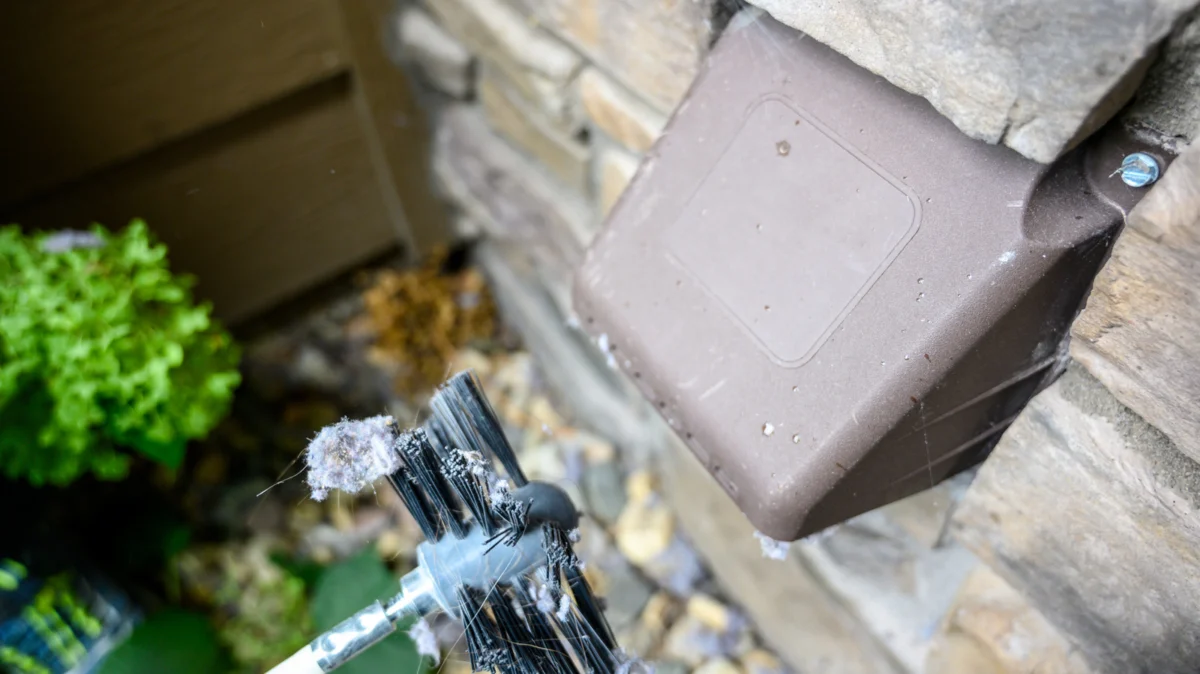
However, modern maintenance has been revolutionized by a simple, highly effective tool: the power drill-operated vent cleaning brush. This innovation allows homeowners to perform a professional-grade cleaning from the exterior of the home, eliminating the need to move the dryer entirely.
Main Facts: Why Dryer Vent Maintenance is Non-Negotiable
The primary function of a dryer vent is to expel moisture-laden, hot air from the laundry room to the exterior of the home. Over time, regardless of how often you clean your lint trap, microscopic fibers escape the filter and begin to accumulate within the ductwork.
The Fire Hazard
According to data from the National Fire Protection Association (NFPA), clothes dryers are a leading cause of home fires. Lint is highly combustible; when it builds up in the vent, it restricts airflow, causing the dryer to overheat. If the heating element remains engaged while airflow is blocked, the internal temperature can quickly exceed the ignition point of the trapped lint, leading to a structural fire that can spread through wall voids in minutes.
Efficiency and Appliance Longevity
Beyond the catastrophic risk of fire, a clogged vent is a "silent killer" of appliance efficiency. When the vent is obstructed, the dryer must run for longer cycles to remove moisture from clothes. This leads to:
- Increased Utility Bills: Prolonged drying cycles consume significantly more electricity or natural gas.
- Mechanical Wear: The blower motor and heating elements are forced to operate under higher-than-normal thermal stress, significantly shortening the lifespan of the appliance.
- Mold Growth: Improperly vented moisture can lead to condensation inside the ducts, providing an ideal breeding ground for mold and mildew.
Chronology: The Evolution of Vent Cleaning
The methods for maintaining dryer safety have undergone a significant shift over the past two decades.
- The Manual Era (Pre-2000s): Homeowners relied on vacuum attachments or long, static brushes. These tools were often too short to reach the full length of the ducting, and manual scrubbing was physically exhausting and rarely reached the "elbows" of the pipes where lint accumulates most aggressively.
- The Professional Service Boom (2000–2015): As awareness of fire risks grew, professional duct cleaning services became the standard. While effective, these services can cost between $150 and $300 per visit, leading to many households skipping the service entirely due to the expense.
- The DIY Power-Tool Revolution (2015–Present): The introduction of affordable, flexible rod-based cleaning kits—designed to be coupled with standard cordless drills—democratized vent maintenance. These kits, typically costing between $20 and $50, allow a homeowner to achieve professional results in under an hour without specialized labor.
Supporting Data: Understanding the Physics of the Drill-Brush Method
The effectiveness of the drill-attachment method lies in its mechanical action. Unlike a vacuum, which can only pull loose lint from the immediate area, a rotating brush physically dislodges "caked-on" lint that has adhered to the walls of the vent pipe over years of use.
Tool Specifications
Most kits, such as the 30-foot flexible rod systems, consist of:
- Synthetic Brush Heads: Designed to be rigid enough to scrub the walls of the pipe but flexible enough to negotiate 90-degree turns.
- Interlocking Rods: These allow the user to extend the tool to reach the full length of the vent, even if the dryer is located in the center of the home.
- Hex-Shank Adapter: This allows the entire assembly to lock into the chuck of any standard power drill.
When the drill is engaged at a moderate speed, centrifugal force causes the bristles to flare outward, ensuring they make constant contact with the entire circumference of the vent pipe. This creates a "sweeping" motion that pushes debris toward the exit point.
Official Responses and Safety Recommendations
Safety agencies, including the U.S. Consumer Product Safety Commission (CPSC), emphasize that "lint trap cleaning is not enough."
The CPSC Guidelines:
- Check for Restricted Airflow: If clothes take longer than one cycle to dry, or if the top of the dryer is hot to the touch during operation, the vent is likely clogged.
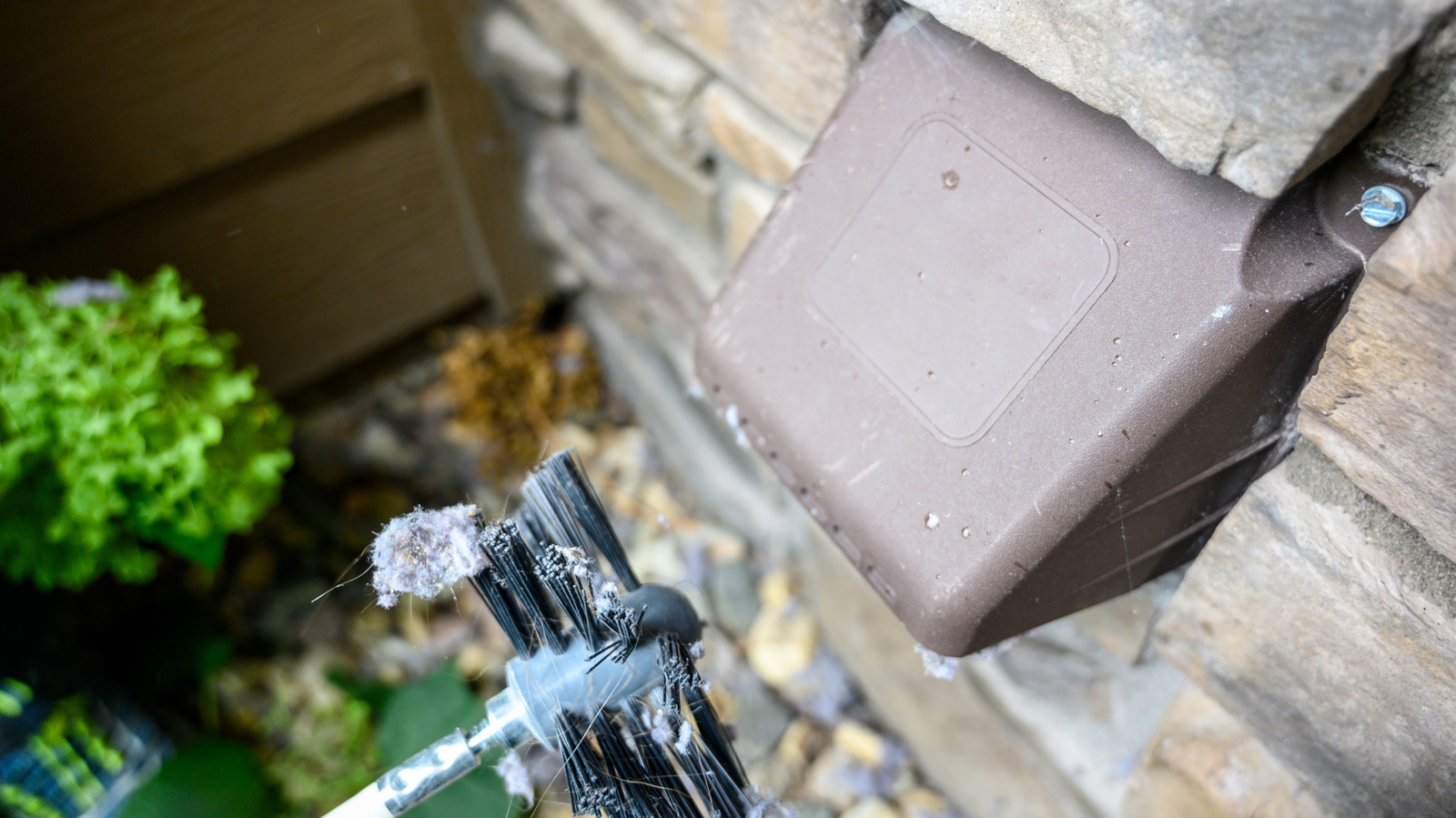
- Exterior Inspection: Ensure the outdoor vent hood flap opens properly when the dryer is running. If it remains closed or stagnant, airflow is obstructed.
- Professional vs. DIY: While the CPSC acknowledges the value of consumer-grade tools, they warn that users must exercise caution. "Over-spinning" the brush or using excessive force can potentially separate the joints of thin-walled aluminum ductwork, which would then vent lint directly into the wall cavity or attic.
Practical Implementation: A Step-by-Step Guide
To clean your vent effectively and safely using a drill attachment, follow this refined process:
1. Preparation and Safety Gear
Before starting, ensure you have the proper Personal Protective Equipment (PPE). Lint is often accompanied by dust, mold spores, and potentially animal dander or waste (if the vent has been breached).
- Wear a N95 mask to prevent inhalation of particulate matter.
- Wear safety glasses to protect your eyes from debris ejected from the exterior port.
2. The Setup
Do not attempt to move the dryer. Go to the exterior of the house and remove the vent cover. If it is screwed on, use a screwdriver; if it is a flap-style, ensure it is propped open.
3. The Drilling Process
- Insert the brush: Slide the first segment of the rod (with the brush attached) into the vent.
- Engage the drill: Attach your drill to the end of the rod. Set the drill to clockwise rotation.
- Controlled speed: Do not use the drill at its maximum RPM. A moderate, steady speed is safer for the ductwork.
- Incremental progress: Push the brush in slowly. As you move deeper, add additional rod segments. You will feel resistance when the brush head reaches the back of the dryer—this is your stopping point.
4. The "Vacuum Assist" Technique
To maximize efficiency, have a partner turn the dryer on to the "Air Dry" or "Fluff" cycle while you are working. The dryer’s internal blower will push the loosened lint out toward you, while you use the brush to break it free from the walls. A shop vacuum placed at the exterior opening can capture the bulk of the debris as it is ejected.
Implications for Homeowners
Adopting a routine of annual vent maintenance is one of the highest-return investments a homeowner can make.
Financial Implications
The initial investment of ~$25 for a kit pays for itself in a single year through reduced energy consumption. Furthermore, the cost of a fire or a burned-out appliance motor far exceeds the cost of a simple cleaning tool.
Home Value and Insurance
Some insurance providers have begun asking about appliance maintenance in policy questionnaires. Documenting your maintenance—or even just keeping the kit on hand—demonstrates a proactive approach to home safety. For those looking to sell their homes, a clean, well-maintained ventilation system is a sign of a well-cared-for property, potentially preventing issues during the home inspection phase.
Environmental Impact
By ensuring your dryer operates at peak efficiency, you are directly reducing your household’s carbon footprint. Shorter drying cycles mean less electricity usage and lower demand on local power grids.
In conclusion, the era of dreading dryer maintenance is over. By leveraging the power of a simple drill-brush attachment, homeowners can reclaim their time, protect their property from fire risks, and ensure their laundry appliances operate at maximum efficiency for years to come.
