

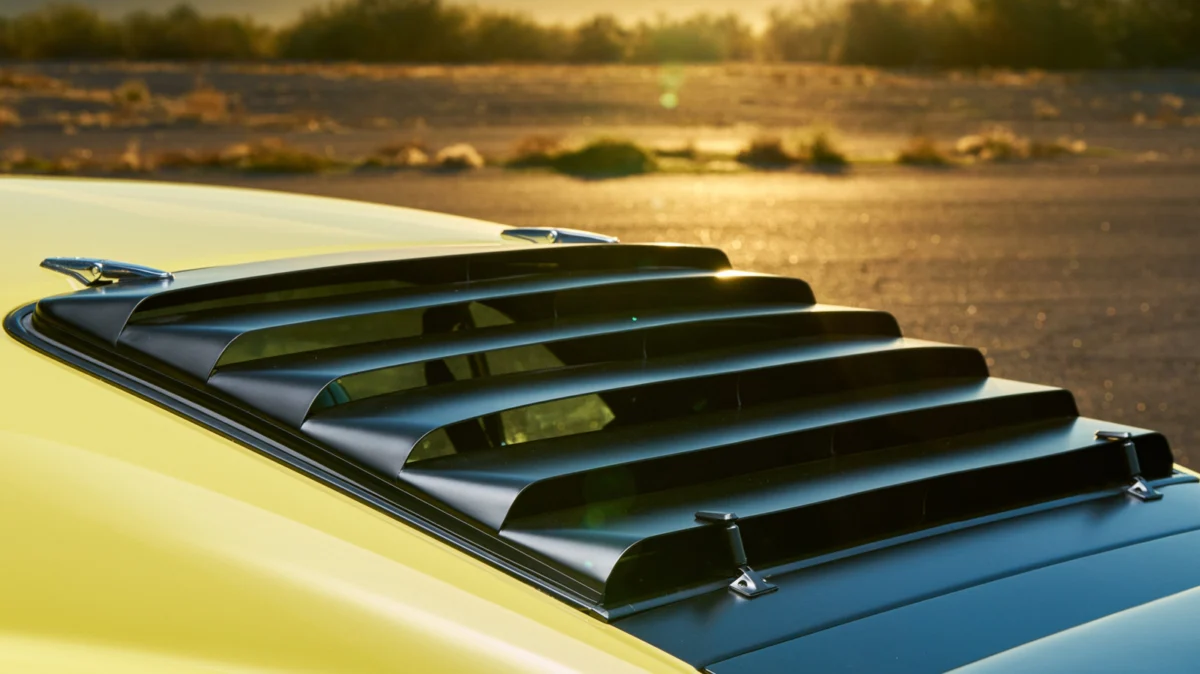
For the enthusiasts of the golden era of Detroit iron, the sight of a 1969 Ford Mustang Boss 302 or a second-generation Chevrolet Camaro is incomplete without a specific, aggressive aesthetic detail: the rear window louvers. These dark, horizontal slats, usually crafted from aluminum or molded plastic, have become synonymous with the "muscle car" archetype. While many modern observers view them merely as a stylistic relic—a period-correct accessory akin to disco pants or shag carpet—their origins are rooted in a genuine engineering necessity, born from the struggle to manage heat in a rapidly evolving automotive landscape.
The Engineering Necessity: Why Louvers Emerged
To understand why muscle cars donned these "venetian blinds" for the street, one must first understand the limitations of late 1960s automotive design. During this era, the fastback silhouette reached the height of its popularity. While undeniably aerodynamic and visually striking, these sloped rooflines created a massive expanse of glass that acted as a greenhouse.
In the late 1960s and early 1970s, automotive technology was still catching up to design trends. Air conditioning was a premium, often expensive luxury option, and advanced UV-blocking window tints were virtually non-existent. Without the protection of ceramic films or high-efficiency climate control, the interiors of fastback vehicles became sweltering under the summer sun.
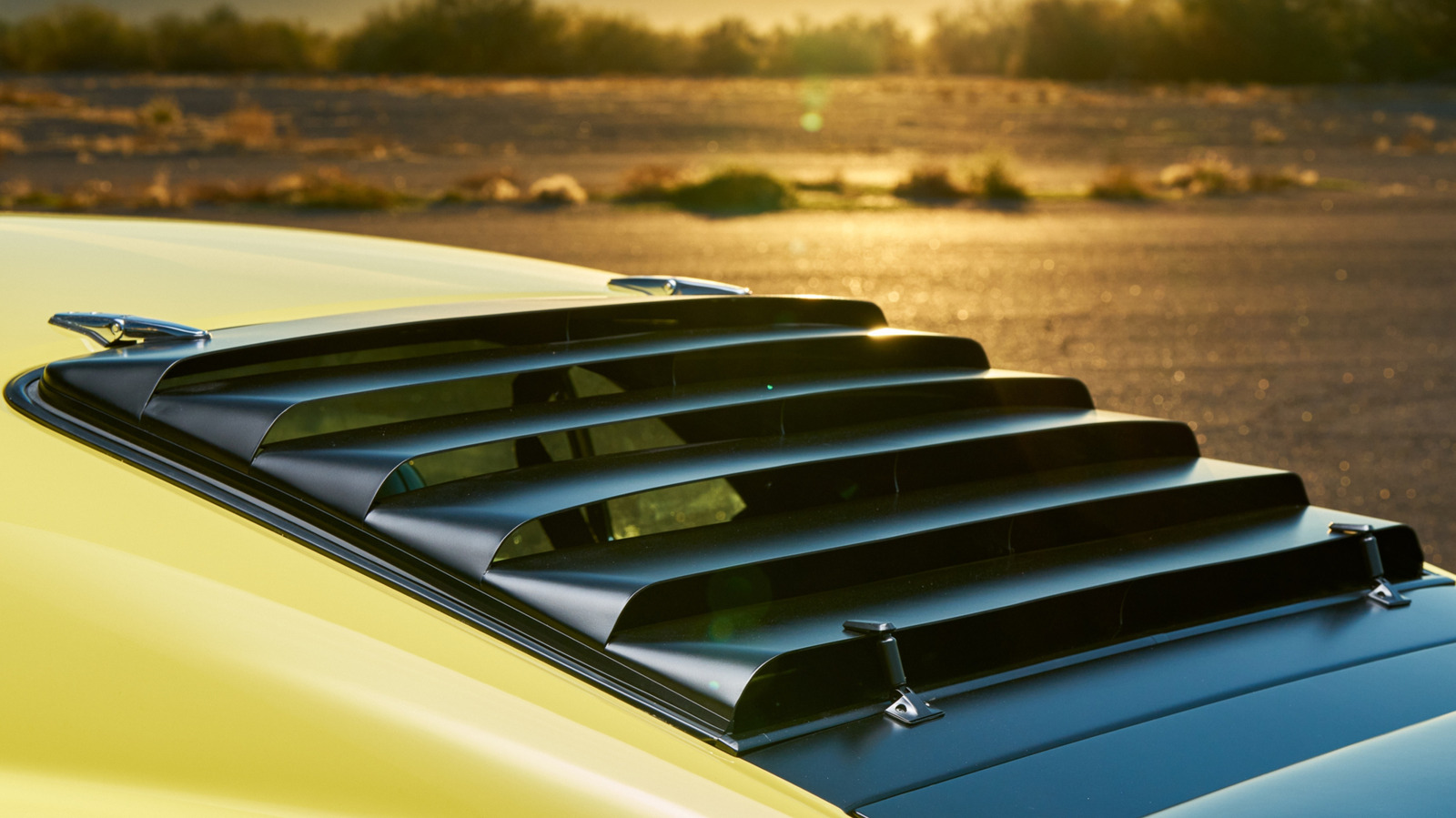
Automakers faced a dilemma: how to keep the cabin temperature manageable without ruining the sleek lines of the fastback. The answer was found in a design feature that had been utilized in architecture for centuries. By installing horizontal slats, engineers could effectively shade the rear glass, blocking direct solar radiation while allowing enough visibility for the driver. Like residential shutters, these louvers minimized the "greenhouse effect," keeping the interior significantly cooler.
However, there was an undeniable psychological element to the design. In the hyper-masculine world of the muscle car wars, form and function were inextricably linked. Louvers provided a "gritty" visual appeal, suggesting that the car was a high-performance machine—a technical piece of hardware meant for the track, not just the grocery store.
A Chronological Evolution: From Lamborghini to the Aftermarket
While Detroit popularized the "Sports Slat" for the mass market, the true spiritual origin of the modern automotive louver lies in Italy, specifically within the design house of Bertone and the workshops of Lamborghini.
The Lamborghini Miura: The Catalyst
In 1966, the Lamborghini Miura debuted at the Geneva Auto Show. It was a revolutionary machine, featuring a 4.0-liter V12 engine mounted transversely in the middle of the chassis. Initially, the engine was covered by a flat plexiglass window. However, Lamborghini’s engineers quickly realized a critical flaw: the glass acted as a thermal trap. The massive V12 generated immense heat, and the screen effectively prevented that heat from escaping, leading to engine performance issues and cabin discomfort.
Legendary designer Marcello Gandini took the radical step of replacing the window with a series of black, horizontal louvers. The change was transformative. It solved the cooling crisis, allowed the engine to breathe, and created an iconic look that defined the Miura for decades. This functional solution became a design language that Lamborghini has returned to repeatedly, most recently on the Revuelto and the Temerario.
The Detroit Response
Inspired by the European influence and the practical need to manage cabin heat in the fastback-dominated US market, Ford was one of the first American manufacturers to embrace the technology. While they had flirted with fixed metal slats on the rear quarter windows of the 1965 Mustang, the 1969 model year marked the official arrival of "Sports Slats" as a factory option for the SportRoof fastback.
Chrysler followed suit in 1970 with the launch of the Dodge Challenger and the Plymouth Barracuda. These "E-Body" cars were designed with a distinct performance focus, and the optional rear louvers reinforced their status as elite muscle machines. These factory-installed pieces were predominantly aluminum, designed to be durable and, in many cases, hinged so the owner could lift them to clean the rear window.
The Aftermarket Boom
By the mid-1970s, the trend had moved from the factory floor to the garage. The aftermarket industry exploded with louver kits for virtually every popular coupe. Japanese manufacturers, such as Datsun with the 280Z and Mazda with the RX-7, saw their cars transformed by the aftermarket scene. These kits often included matching rear-quarter louvers, creating a cohesive, "racer" aesthetic that appealed to the youth market.
The Decline and Modern Renaissance
The popularity of louvers began to wane in the early 1990s. This decline was driven by two major factors: the advancement of window tint technology and the shift toward "aero" styling. As manufacturers focused on rounded, wind-tunnel-optimized body shapes, the harsh, angular lines of window louvers began to look dated. Furthermore, high-quality, heat-rejecting window tints rendered the functional benefits of louvers obsolete for the average driver.
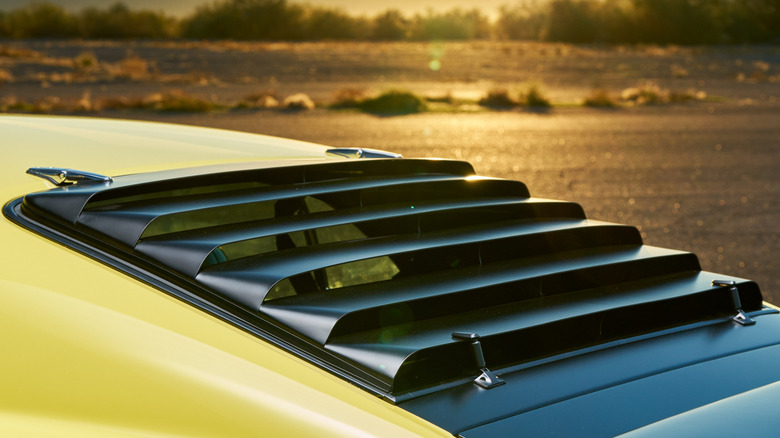
Yet, automotive design is cyclical. In the last decade, we have witnessed a significant revival. As modern performance cars have begun to draw inspiration from their predecessors, louvers have made a comeback, albeit in a more refined, performance-oriented capacity.
The High-Performance Justification
Today, louvers are not just for aesthetics; they are once again being used for thermal management. The Chevrolet C8 Corvette ZR1, a pinnacle of modern American engineering, utilizes sophisticated vent and louver designs to manage extreme airflow and heat dissipation. Modern aftermarket kits for platforms like the Toyota GR86 or the BMW 4 Series allow enthusiasts to customize their vehicles with a nod to the past, proving that the desire for a "mechanical" look remains a potent force in car culture.
Implications for Collectors and Enthusiasts
For the collector, the presence of original-factory louvers can significantly impact the value and provenance of a classic muscle car. A 1969 Mustang with documented, original "Sports Slats" is a desirable piece of automotive history.
However, potential owners should be aware of the maintenance implications. Original aluminum louvers can trap moisture against the rear window, potentially leading to rust in the mounting hardware or damage to the paintwork surrounding the glass. Modern owners looking to install aftermarket louvers must be wary of "cheap" plastic versions that may degrade under UV light, leading to cracking and fading. High-quality, powder-coated aluminum remains the gold standard for both authenticity and longevity.
Conclusion: A Timeless Intersection of Form and Function
The history of the window louver is a perfect microcosm of automotive evolution. It began as a desperate engineering fix for a cooling problem, evolved into a hallmark of the muscle car era, faced obsolescence due to technological progress, and ultimately found a permanent place in the design lexicon as an icon of retro-cool.
Whether one views them as a practical shade for a hot day or a necessary piece of aggressive styling for a weekend cruiser, louvers remain one of the most recognizable features of the golden age of motoring. They remind us that sometimes, the best solutions to our engineering problems are the ones that don’t just work well—they look fast standing still.
