

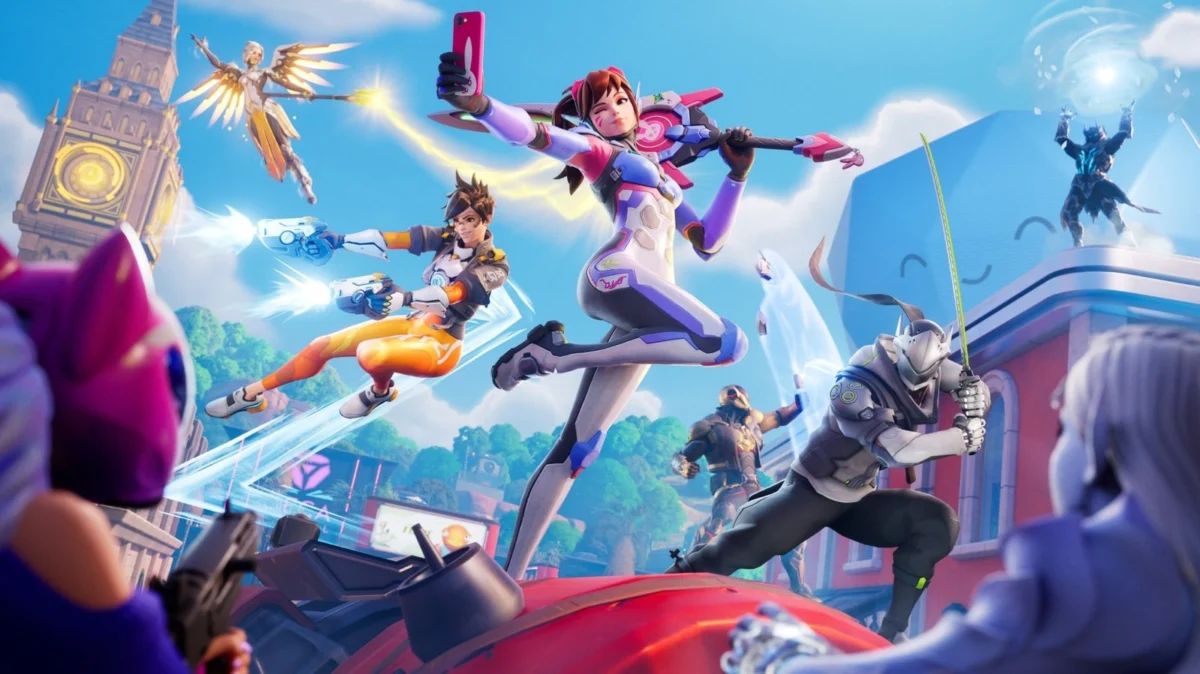
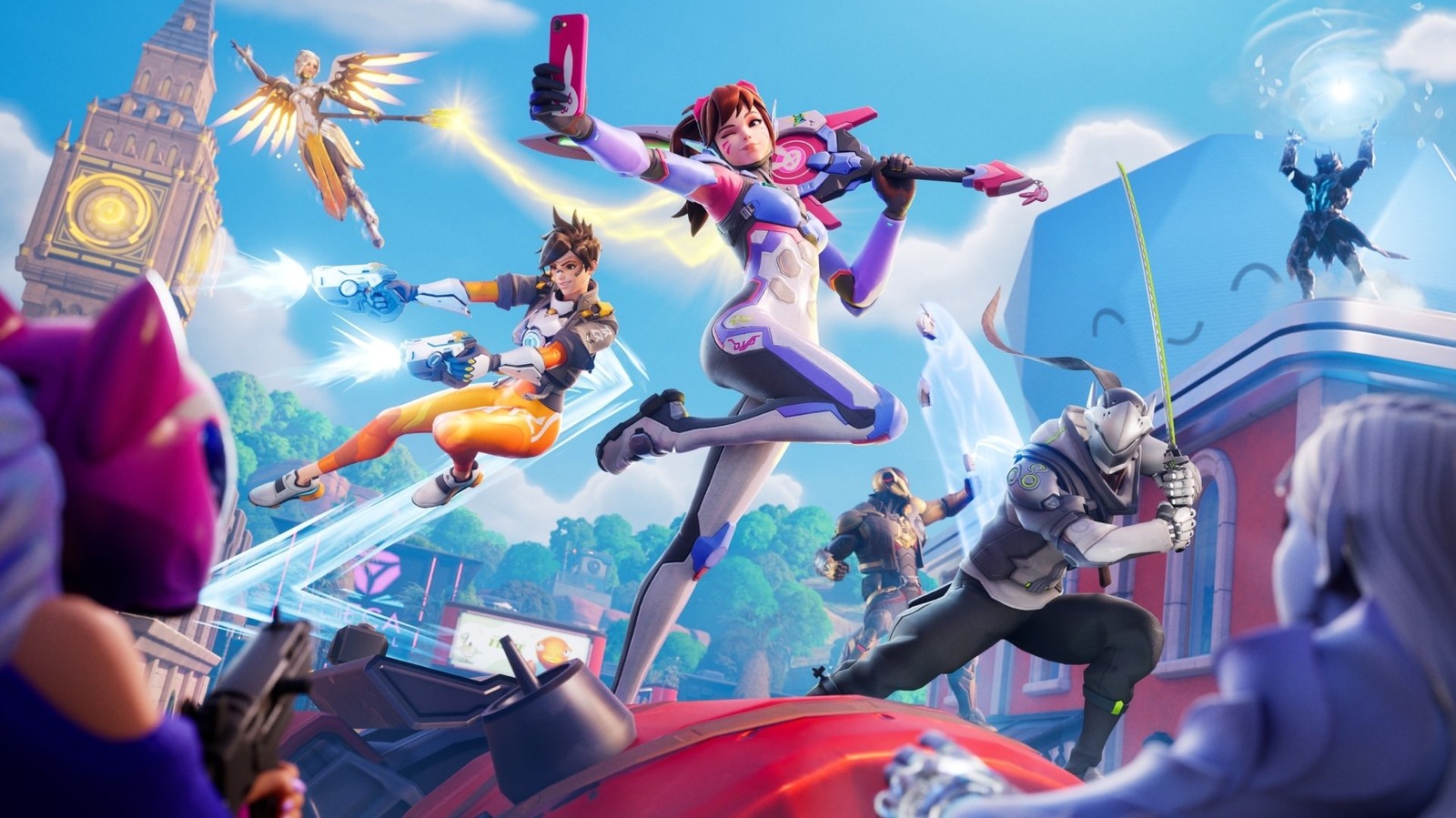
The boundaries of the gaming multiverse continue to dissolve. Following months of fervent speculation and cryptic leaks, Epic Games has officially confirmed that a selection of iconic heroes from Blizzard Entertainment’s Overwatch franchise are making their way to Fortnite. Starting May 14, 2026, players will be able to step into the boots of Mercy, Tracer, Genji, and a pilot-only version of D.va, marking one of the most significant intellectual property crossovers in the history of the battle royale genre.
This integration represents a seismic shift in how major gaming publishers approach cross-platform synergy, transforming what was once a siloed industry into an interconnected ecosystem where characters from competing universes now share the same digital landscape.
The Convergence: Core Details of the Collaboration
The upcoming Fortnite update is not merely a "skin drop." While the centerpiece of the collaboration is the availability of four legendary Overwatch heroes, the scope of the event suggests a fundamental transformation of the island’s current meta.
According to official communications from Epic Games and verified data-mining efforts from prominent community leakers like ShiinaBR and FireMonkey, the event will be structured around a comprehensive content bundle. Players can expect:
- Character Skins: High-fidelity models of Mercy, Tracer, Genji, and D.va (minus her signature MEKA unit).
- Tactical Gear: Four unique pickaxes, thematic gliders, and a variety of Overwatch-inspired emotes.
- Island Alterations: Reports indicate that portions of the fan-favorite Overwatch map, "King’s Row," will be imported into the Fortnite island as structural POIs (Points of Interest).
- Vehicle Integration: A custom-branded Porsche Cayenne EV SUV, adorned with specific hero decals, will be available for players to traverse the map.
- Gameplay Mechanics: In a move that deviates from standard cosmetic crossovers, Tracer’s signature "Blink" ability and her iconic pulse pistols are slated to be implemented as in-game items or mobility tools.
Furthermore, Overwatch heroes are expected to appear as non-player characters (NPCs) throughout the next act of the current season, offering players quest lines and unique dialogue interactions that bridge the lore of both franchises.
Chronology of the Crossover
The path to this collaboration was paved with months of "digital breadcrumbs." The timeline of events leading up to this week’s announcement highlights the modern era of game development, where fan communities often uncover major marketing beats long before the official reveal.
- Early 2026: Initial whispers of a Blizzard-Epic partnership began circulating within the Fortnite data-mining community. Early code strings hinted at assets referencing "Overwatch_Hero_Pack."
- March 2026: Leakers identified encrypted cosmetic slots that did not match any established Fortnite art style, fueling speculation about a major external collaboration.
- May 11, 2026: Blizzard Entertainment officially kicked off the 10th Anniversary celebrations for Overwatch, focusing on throwback modes and legacy cosmetics.
- May 12, 2026: Epic Games released a teaser trailer via their official YouTube channel, confirming the arrival of the heroes and setting the release date for May 14.
- May 13, 2026: Detailed leaks from FireMonkey confirmed the inclusion of King’s Row assets and the mechanics for Tracer’s Blink ability.
Supporting Data: Why This Crossover Matters
The timing of this crossover is statistically significant for both companies. 2026 marks the 10th anniversary of Overwatch, a game that redefined the hero-shooter genre upon its 2016 debut. By placing these characters in Fortnite—a game with a significantly younger and broader demographic—Blizzard is effectively engaging in a massive user-acquisition strategy.
The "Fortnite Effect" on Longevity
Fortnite has mastered the art of the "event-driven retention model." By introducing high-profile characters (such as those from Halo, Marvel, or Star Wars), Epic Games consistently draws lapsed players back into the ecosystem for six-to-eight-week cycles. Data from previous seasons suggests that collaborations of this magnitude increase daily active user (DAU) counts by 15–20% during the first fortnight of the event.
Blizzard’s Strategic Rejuvenation
Blizzard has been aggressive in 2026, aiming to reverse the stagnation that plagued the Overwatch franchise in the early 2020s. The recent "soft relaunch" of the game, combined with a commitment to release 10 new heroes within the calendar year, demonstrates a company moving at a pace unseen since the franchise’s inception. The Fortnite collaboration acts as a "top-of-funnel" marketing effort to remind a global audience that Overwatch remains a vital, evolving IP.
Official Responses and Industry Context
While the corporate communication remains tight-lipped regarding the specific financial terms of the deal, the broader industry reaction has been one of surprise and excitement. Historically, Blizzard was considered a "walled garden," keeping its intellectual properties strictly within the Battle.net ecosystem.
However, the industry climate has changed. With Microsoft (the parent company of Activision Blizzard) now overseeing both the Halo and Overwatch franchises, and with Halo content appearing on platforms like the PlayStation 5, the traditional barriers of exclusivity are evaporating.
"This is a wild collaboration that would have been unthinkable five years ago," noted one industry analyst. "But we are entering an era of ‘Gaming Agnosticism.’ Companies have realized that the value of an IP is maximized when it is ubiquitous. By allowing Tracer and Genji to exist in Fortnite, Blizzard isn’t losing players; they are inviting the massive Fortnite player base to discover the source material."
Implications: The Future of the Metaverse
The implications of the Overwatch–Fortnite crossover extend far beyond the immediate cosmetic appeal.
1. The Death of the "Walled Garden"
This move reinforces the trend that major gaming publishers are prioritizing reach over restrictive platform loyalty. By leveraging Fortnite as a neutral ground, brands can cross-pollinate their audiences. Expect other legacy franchises to follow suit as the "metaverse" concept—often criticized as a buzzword—crystallizes into simple, high-value collaborations.
2. Gameplay Evolution
By introducing Tracer’s "Blink" ability into the Fortnite sandbox, Epic Games is testing the waters for more complex, ability-based movement in a battle royale environment. If successful, this could lead to more "Hero-Shooter" mechanics being permanently integrated into Fortnite’s core design, effectively merging the tactical depth of games like Overwatch with the survival-building mechanics of Fortnite.
3. The Anniversary Paradox
Blizzard’s own 10th Anniversary event for Overwatch has been met with mixed reviews. While the "throwback modes" provide a dose of nostalgia, they lack the cultural "punch" of the Fortnite crossover. This creates an interesting paradox: the most exciting news for Overwatch players is occurring inside a completely different game. This suggests that the future of game promotion may reside more in cross-platform synergy than in-game events.
4. Developer Morale and Community Feedback
The Overwatch development team has faced significant scrutiny over the last few years, particularly regarding balancing decisions in "Mystery Heroes" and other competitive modes. The fact that the team recently reverted unpopular changes to Mystery Heroes indicates a newfound responsiveness to community feedback. This cultural shift within Blizzard—one of listening to the player base—is likely what allowed for a collaboration as bold as the one with Epic Games to move from a concept to a reality.
Conclusion
As we look toward May 14, the gaming community prepares for a collision of two titans. For the average player, it is an opportunity to see their favorite characters in a fresh, chaotic, and high-energy environment. For the industry, it is a clear signal that the old rules of competition are being rewritten. The Overwatch heroes are landing on the Fortnite island, but the true landing spot is in the collective consciousness of a new generation of players who may finally decide to see where these heroes originated.
Whether this leads to a permanent shift in how games are marketed remains to be seen, but one thing is certain: in the current gaming landscape, nothing is off the table, and the map is only getting bigger.
