

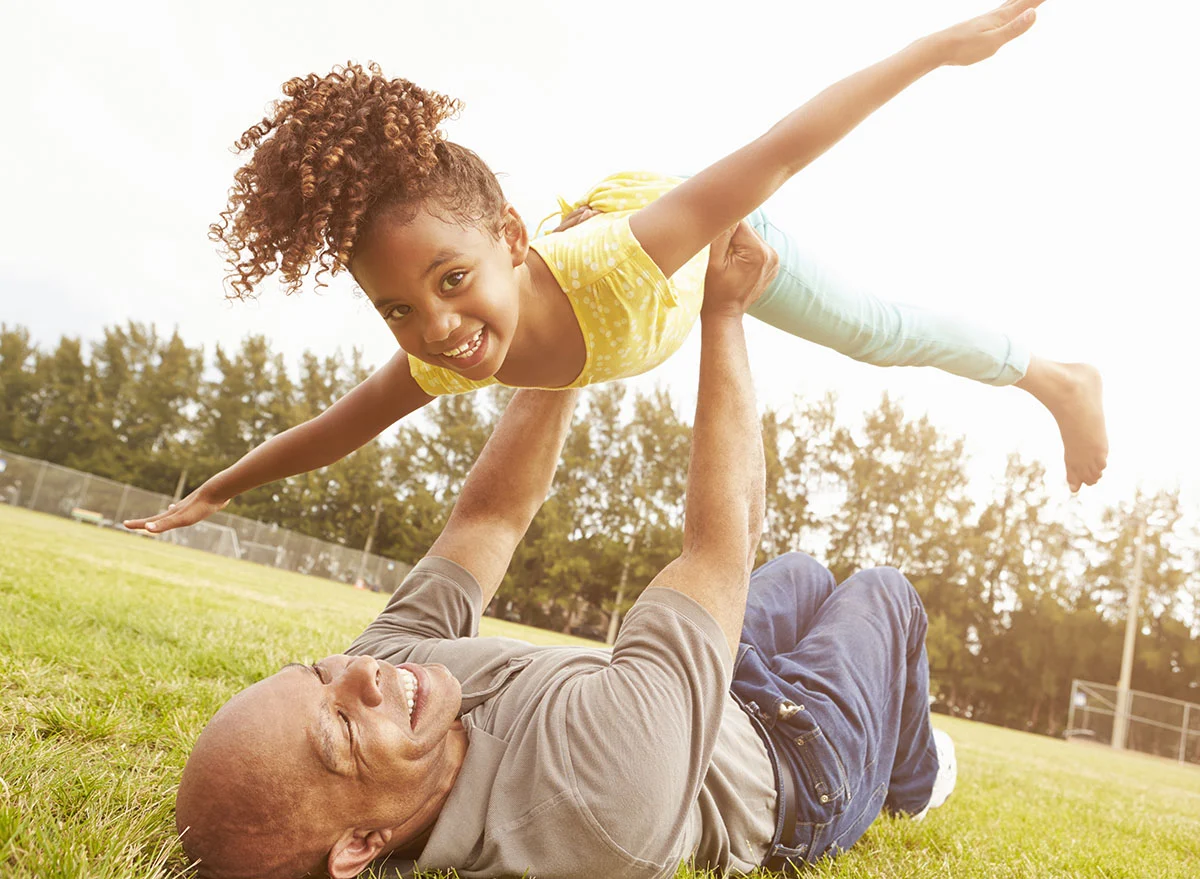
For many, the transition into their 60s is marked by a subtle but profound change in how they navigate their physical environment. It is often described as the moment the floor begins to feel like "a different country." What was once an effortless action—dropping down to play with a grandchild, gardening, or retrieving an item from under the bed—becomes a source of hesitation, calculation, and, for some, genuine anxiety.
The inability to rise from the floor unaided is more than just a minor inconvenience; it is a critical marker of physical independence. As a personal trainer with nearly four decades of experience and as the co-founder of TRAINFITNESS, I have spent the last 20 years observing this phenomenon. The good news is that this decline is not an inevitable consequence of aging. With a targeted, daily commitment to three foundational movements, you can rebuild the strength, mobility, and confidence required to regain your autonomy.
The Physiology of Decline: Why Movement Changes After 60
To understand why rising from the floor becomes a challenge, we must first look at the physiological shifts that occur as we enter our seventh decade.
The Atrophy of Fast-Twitch Fibers
Muscle mass naturally declines with age—a process known as sarcopenia. Crucially, the body tends to lose "fast-twitch" muscle fibers first. These are the fibers responsible for explosive power and rapid adjustments in movement. When you rise from the floor, you need a quick burst of energy to transition from a seated or kneeling position to a vertical one. When these fibers fade, that "spring" disappears, leaving movements feeling sluggish and difficult.
The Erosion of Mobility
Hip mobility is the unsung hero of functional movement. In our 40s, we take for granted the ability to drop into a deep squat. However, without regular practice, the hip joints tighten, and the range of motion in the ankles and knees decreases. This limits our ability to lower ourselves to the floor safely, often turning a descent into a "controlled fall" rather than a smooth, managed movement.
The Neurological Factor: Balance and Proprioception
Rising from the floor is a complex sequence involving multiple shifts in weight. It requires high-level coordination between your inner ear, your visual system, and your muscles—a process known as proprioception. If your balance recovery system slows down, each transition feels unstable, triggering a fear response that causes the body to tense up, further complicating the movement.

The Clinical Significance: Longevity and the "Sitting-Rising Test"
The importance of this ability is backed by rigorous clinical data. A seminal study, the "Sitting-Rising Test" (SRT), has demonstrated a clear correlation between the ability to get down and up from the floor without support and long-term health outcomes.
The test scores individuals on their ability to sit down and stand up from a floor position without using their hands, knees, or elbows for support. Every point lost from the maximum score of ten is statistically associated with a higher risk of mortality over the following years. While this sounds daunting, the underlying message is one of hope: it identifies a functional target. By improving your performance on these movements, you are not just gaining convenience; you are actively investing in your longevity.
The Three Pillars: Daily Moves to Reclaim Your Mobility
To reverse these trends, we must focus on three specific movement patterns: the half-kneeling rise, the supported deep squat, and the wall press-up.
1. The Half-Kneeling Rise
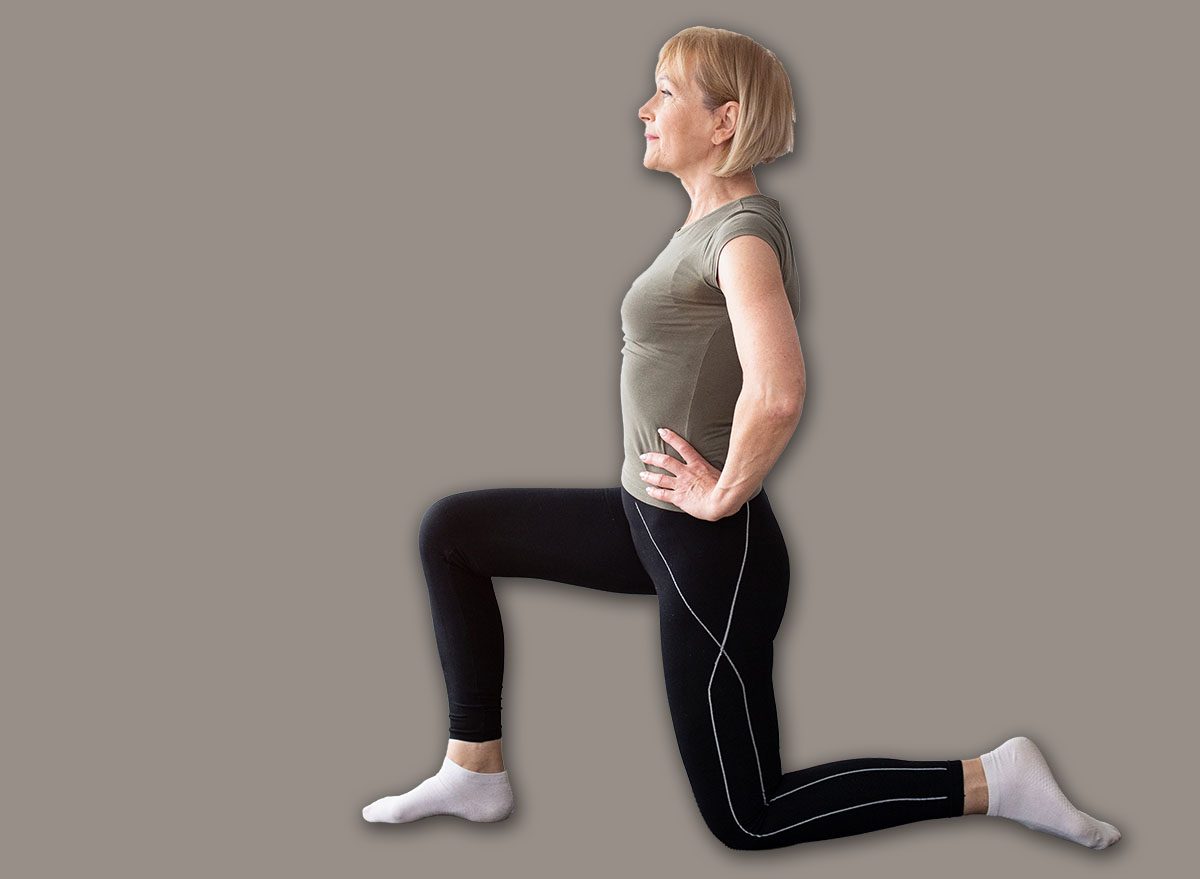
This movement mimics the essential pattern of standing up. It isolates the muscles required for the transition: the glutes, quadriceps, and hamstrings.
- How to perform: From a kneeling position, place one foot forward so your knee is at a 90-degree angle. Lean slightly forward and use the strength of your front leg to push yourself into a standing position.
- The Form Secret: Focus on the descent. Lowering yourself slowly is where the true strength-building happens.
- Volume: Two sets of 6–8 repetitions on each side daily.
2. The Supported Deep Squat Hold
This exercise targets the hip, knee, and ankle mobility that most adults lose over time. By using a support, you ensure safety while gradually training your joints to handle deeper ranges of motion.
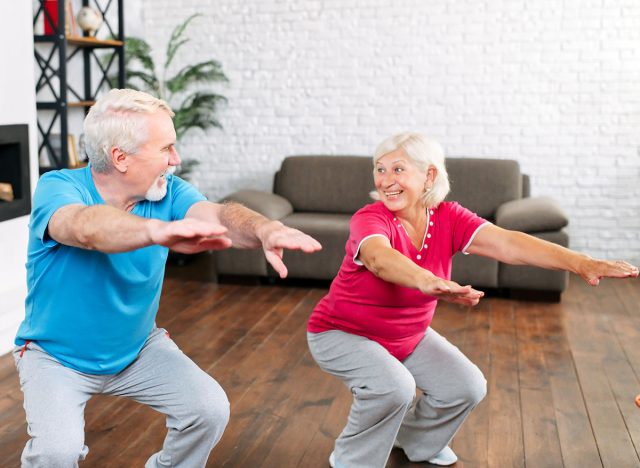
- How to perform: Hold onto a sturdy countertop or table for support. Slowly lower your hips toward your heels, keeping your heels firmly planted on the floor. Hold this position for 15–20 seconds.
- Form Tip: If your heels lift, place a rolled-up towel under them for extra support until your ankle mobility improves.
- Volume: 2–3 rounds of 15–20 second holds.
3. The Wall Press-Up with Wrist Preparation
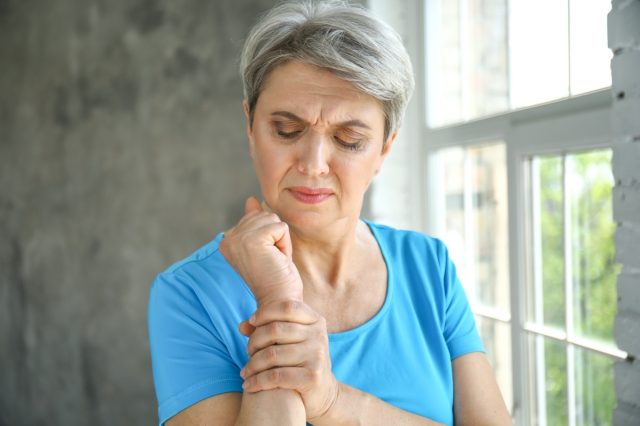
Many individuals have the leg strength to stand but lack the upper-body confidence to place weight through their hands. This exercise prepares the wrists and shoulders to act as stable pillars.
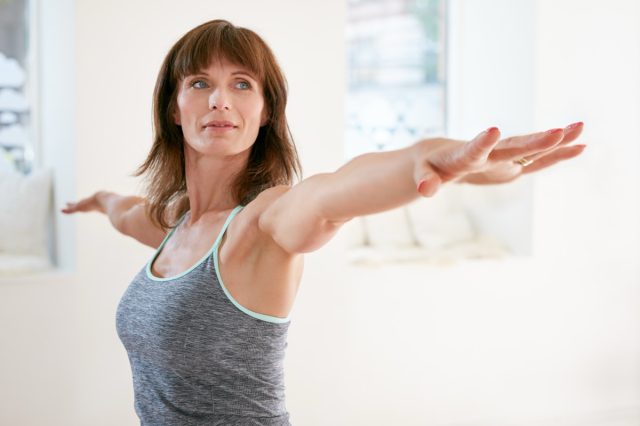
- How to perform: Stand at arm’s length from a wall. Place your hands on the wall at shoulder height. Keep your body in a straight line from heels to head and lower your chest toward the wall by bending your elbows.
- Form Tip: Maintain a rigid core. Do not allow your hips to sag toward the wall.
- Volume: 2 sets of 10–15 slow repetitions.
Implementation: A Roadmap for Success
Consistency is the primary driver of success here. Because this is as much a neurological retraining process as it is a muscular one, short, daily sessions are superior to one long, exhaustive workout.
Weeks 1–2: Building the Habit
Perform the three exercises daily. If you are nervous, ensure you are near a sturdy chair or a sofa. Your goal is not intensity, but rather familiarizing your brain with the movement patterns. If you experience muscle soreness, it is a sign of progress, but sharp joint pain is a signal to stop.
Weeks 3–4: Increasing Range
As your confidence grows, attempt the movements with less reliance on your support furniture. During the squat hold, try to keep your chest more upright. In the half-kneeling rise, focus on a smooth, fluid motion rather than a jerky push.

Weeks 5–6 and Beyond: Progression
Once you feel stable, you can introduce subtle progressions. This might mean adding a few extra seconds to your squat hold or reducing the amount of weight you put on your hands during the wall press-ups.
Implications for Quality of Life
The implications of mastering these movements extend far beyond the gym. When you know you can get off the floor, you stop avoiding activities that require it.
- Independence: The knowledge that you are self-sufficient if you happen to slip or fall provides a psychological buffer that reduces the fear of falling—a common cause of restricted movement in seniors.
- Social Engagement: Being able to sit on the floor to play with grandchildren or pets transforms your relationship with your family and your environment.
- Functional Longevity: By maintaining the ability to get up, you keep your joints lubricated and your muscles active, which slows the rate of future decline.
A Note on Safety
While these exercises are designed to be accessible, they are not a replacement for medical advice. Before beginning this or any new exercise regimen, consult with your GP or a physiotherapist, especially if you have a history of:
- Unexplained dizziness or balance disorders.
- Severe osteoarthritis in the hips or knees.
- Recent surgeries or significant cardiac issues.
Listen to your body. If a movement causes sharp, shooting pain, stop immediately. A steady "muscle burn" is the goal; joint distress is the limit.
Final Thoughts: The Power of Movement
Reclaiming the ability to rise from the floor is a journey of reclaiming your territory. It is about proving to yourself that your body is still a capable vessel. By dedicating less than 10 minutes a day to these three movements, you are not just exercising; you are building a foundation of strength that will serve you for decades to come.
The floor is not a place to be feared. With the right approach, it can remain a part of your world—just as accessible and navigable as it was when you were young. Start today, stay consistent, and watch as the "different country" of the floor begins to feel like home once again.
