

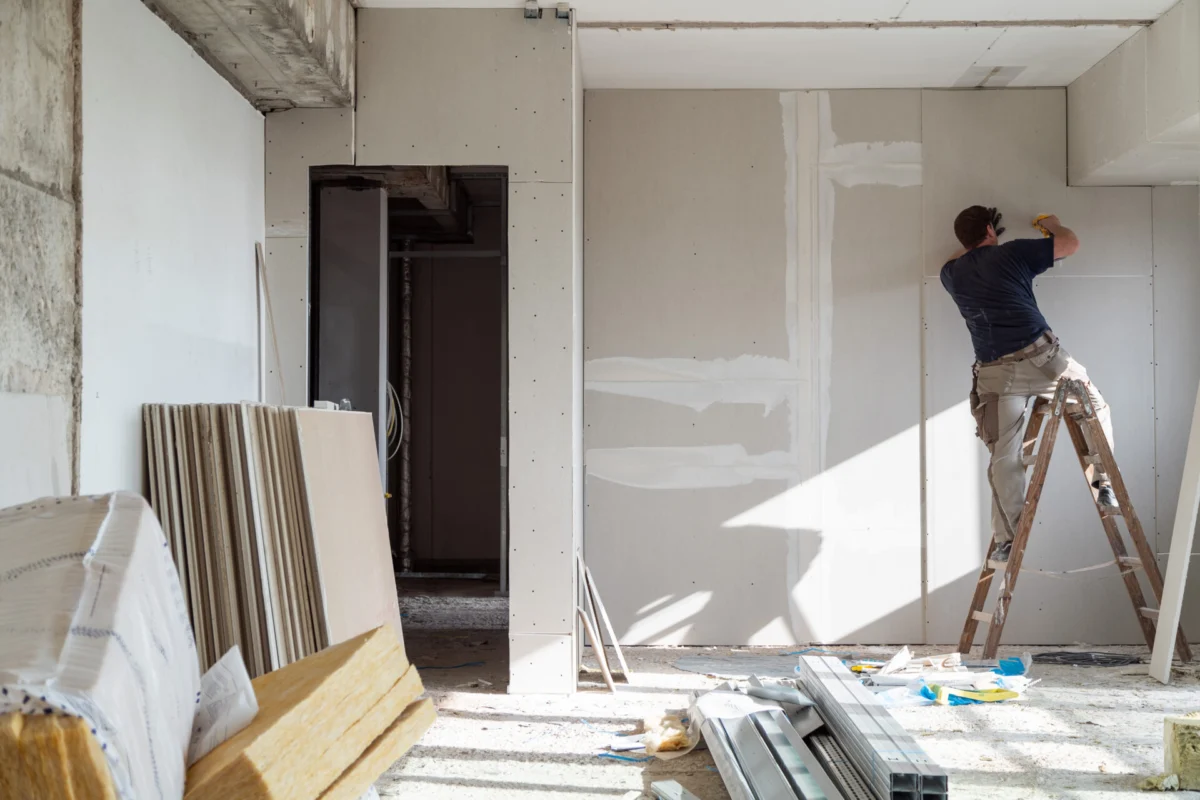
For millions of homeowners, the dream of a kitchen remodel, a backyard deck expansion, or a complete HVAC overhaul is increasingly colliding with a stark economic reality: the rising cost of construction materials. As the home improvement industry navigates a complex landscape of inflation, supply chain pressures, and shifting trade policies, the question of "when" to start a renovation has become just as critical as the project design itself.
According to a comprehensive analysis by the research team at Today’s Homeowner, which evaluated the Producer Price Index (PPI) from the Bureau of Labor Statistics (BLS) between 2020 and April 2025, the days of predictable material costs are currently in the rearview mirror. With wholesale prices trending upward, homeowners must now approach their renovation budgets with a strategic, proactive mindset to avoid being priced out of their own upgrades.
The Core Problem: A Multi-Year Upward Trend
The economic volatility affecting home improvement began in earnest during the pandemic and has yet to fully stabilize. The PPI, which tracks the wholesale costs manufacturers and suppliers charge, serves as a primary bellwether for the retail prices consumers eventually pay at home improvement warehouses and through contractors.
A Chronology of Price Volatility
The data reveals a clear, sobering trajectory for renovation costs:
- 2020–2021: The initial shock of the global pandemic triggered supply chain bottlenecks, leading to a 16.2% average increase in material costs.
- 2021–2022: The inflationary pressure peaked, with an average price surge of 17.0% across common renovation categories.
- 2023–2024: While the rate of increase moderated, the "cumulative effect" left prices at a significantly higher plateau than in previous years.
- 2025 (Year-to-Date): Early 2025 data indicates a 1.7% increase in the first quarter alone, suggesting that the inflationary cycle is far from exhausted.
This sustained growth means that a project delayed by just a few months can result in a significantly higher invoice, as the baseline cost of essential commodities continues to drift upward.
Decoding the Price Hikes: Which Materials Are Most Affected?
While labor costs remain a significant portion of any construction estimate, the volatility in raw material costs is currently the primary driver of budget overruns.
The Metal and Lumber Crisis
"Right now, anything with metal in it is a pain," says Jordan Fleming, owner of That HVAC Guy & Plumbing in Wyndmoor, Pennsylvania. Fleming points to the "bones" of modern home systems—HVAC units, which rely heavily on steel and aluminum—as a prime example.
Our analysis confirms this:
- Aluminum Mill Shapes: Essential for high-demand items like windows and garage doors, these have seen a staggering 17.9% increase.
- Copper and Brass: Found in almost all plumbing and electrical wiring, these materials have climbed 7.0%.
- Steel and Aluminum Fencing: These have seen a massive 16.7% year-over-year spike and a 55.0% increase since 2020.
- Lumber: Softwood lumber, often considered the barometer for the housing market, has risen 8.6% since April 2024, reversing a brief period of deflation. Hardwood lumber has followed suit, posting a 4.8% increase.
Infrastructure and Finishings
The increases are not limited to the structural "bones" of the home. Concrete products, the foundation of many outdoor projects, are up 2.3%. Meanwhile, roofing materials—including asphalt, tar, and cement—have risen 1.2%. Even interior finishings have felt the squeeze, with drywall and insulation costs climbing by just under 4%, and residential lighting fixtures rising by 3.1%.
Specialized Materials and the "Tariff Effect"
The landscape for specialized construction materials is perhaps the most precarious. Homeowners often underestimate the impact of global trade policies on their local renovations, but experts suggest that tariffs are no longer just a macro-economic talking point—they are a direct line item in construction quotes.
Todd Stephenson, co-founder of Roof Quotes based in Austin, Texas, notes that the current political climate regarding trade is creating uncertainty. "Tariffs might seem like a policy issue, but they’re hitting budgets hard and changing how people plan home improvements," Stephenson explains.
This impact is most visible in:
- Electrical Infrastructure: Power wires and cables have seen an eye-watering 127.5% price increase since 2020, with a 7.0% year-over-year jump.
- Structural Steel: Pipes used for gas lines and handrails are up 4.1%, while metal doors and frames have seen a 4.4% increase.
For homeowners, these numbers represent a "hidden tax" on renovation projects. When combined with the high cost of specialized labor, these material spikes are forcing many to rethink their scope of work entirely.
Implications: Strategies for the Budget-Conscious Homeowner
Given the data, the consensus among industry experts is clear: Do not wait if you have the funds ready.
1. The "Lock-In" Strategy
"Even a two-week delay can cost 5% to 8% more," warns Danny Niemela, vice president of ArDan Construction in Scottsdale, Arizona. Niemela’s firm advises clients to finalize material lists and place orders as soon as possible. By pre-purchasing materials, homeowners can insulate themselves from mid-project price spikes that occur while a renovation is underway.
2. Prioritizing Material Flexibility
When the budget is tight, the ability to pivot is a homeowner’s best asset. Nathan Mathews, CEO of Roofer.com, notes that his firm has seen a surge in clients choosing to "downgrade" their specifications to meet fixed budget caps.
"We had three Austin-area clients this quarter downgrade from architectural shingles to three-tab asphalt just to stay under a $10,000 limit," Mathews says. "When a 30-square roof jumps from $14,500 to $17,200 in four months, people adjust."
3. Seek Sustainable Alternatives
Our analysis suggests that while some materials are skyrocketing, others are holding steady. For instance, while steel and aluminum fencing have seen massive price hikes, wood fencing materials have remained relatively stable. Homeowners should consult with their contractors about "value engineering"—a process where designers find alternative materials that offer similar aesthetics and performance at a lower price point.
Conclusion: Planning for a Turbulent Market
The 2025 renovation market is defined by a need for agility. The data provided by the BLS clearly indicates that the era of "wait and see" is effectively over. With material costs across the board showing upward pressure—or at best, high-plateau stability—homeowners must be prepared to act decisively once a budget is established.
The path forward requires a three-pronged approach:
- Transparency: Ask contractors to provide a "material price lock" date or to break down the quote into labor and materials.
- Proactive Procurement: Once a contract is signed, work with your builder to order materials immediately to avoid market fluctuations.
- Realistic Expectation Management: Accept that the cost of materials has fundamentally shifted since 2020. Budgeting for a 5–10% contingency fund is no longer just a suggestion; it is a necessity to account for the ongoing volatility in the supply chain.
By staying informed and maintaining flexibility, homeowners can still achieve their renovation goals, even in an economic environment that favors the prepared.
Methodology Note
This report utilizes the Producer Price Index (PPI) data provided by the Bureau of Labor Statistics (BLS). The data reflects wholesale price trends for residential construction materials as of April 2025. It is important to distinguish that these figures track wholesale costs, which serve as a leading indicator for retail prices. Individual consumer costs may vary based on local demand, contractor markups, and regional supply chain conditions. Our analysis focused on year-over-year and five-year percentage changes to provide a comprehensive look at the long-term inflationary pressures facing the home improvement sector.
