

As the sweltering heat of July settles over Pennsylvania, gardeners across the region are facing the classic challenges of the Mid-Atlantic climate. In Malvern, Carla—a dedicated horticulturist whose garden serves as a masterclass in resilience—offers a vivid portrait of a landscape in flux. Her midsummer update is not merely a collection of photographs, but a narrative of adaptation, aesthetic vision, and the persistent, quiet joy of working with the land.
Main Facts: The Midsummer Garden in Flux
Carla’s garden is currently navigating a period of significant environmental volatility. July has presented a mercurial weather pattern, characterized by rapid transitions between extreme, oppressive heat and intense, convective thunderstorms, interspersed with fleeting, anomalous cool fronts.
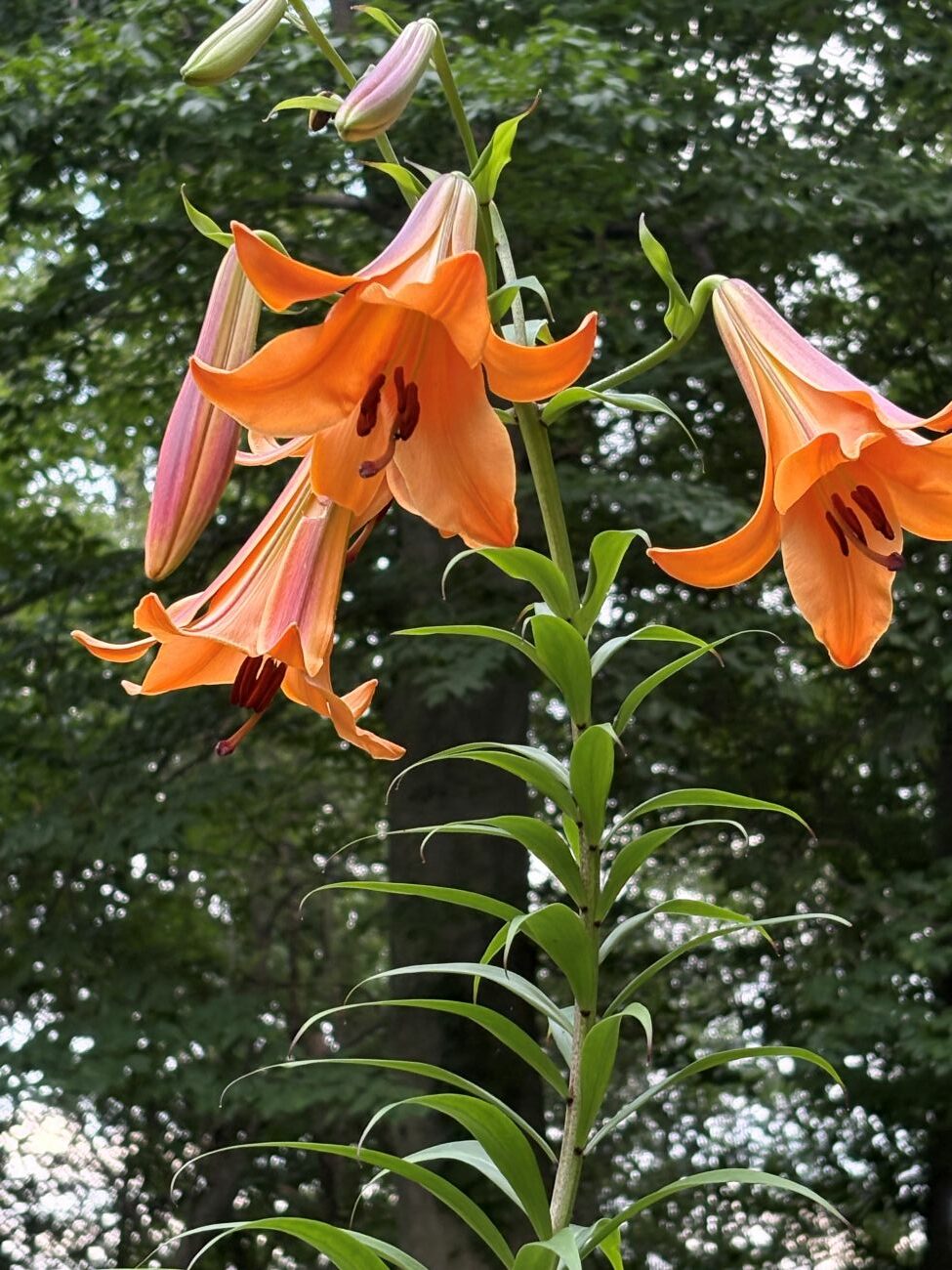
Despite these stressors, the garden thrives. The current display is defined by a heavy emphasis on structural hydrangeas, sophisticated rose cultivars, and a productive vegetable patch. The interplay between native plantings and carefully curated heirlooms highlights a garden that is both a habitat for local wildlife and a curated gallery of botanical texture. Most notably, the garden serves as a reminder that gardening is a collaborative process—often involving the local deer population, which has taken a particular, if unwelcome, interest in Carla’s lilies.
Chronology: A Season of Growth and Challenge
The gardening season in Malvern is a study in timing. As the spring perennials fade, the midsummer garden must hold the stage.
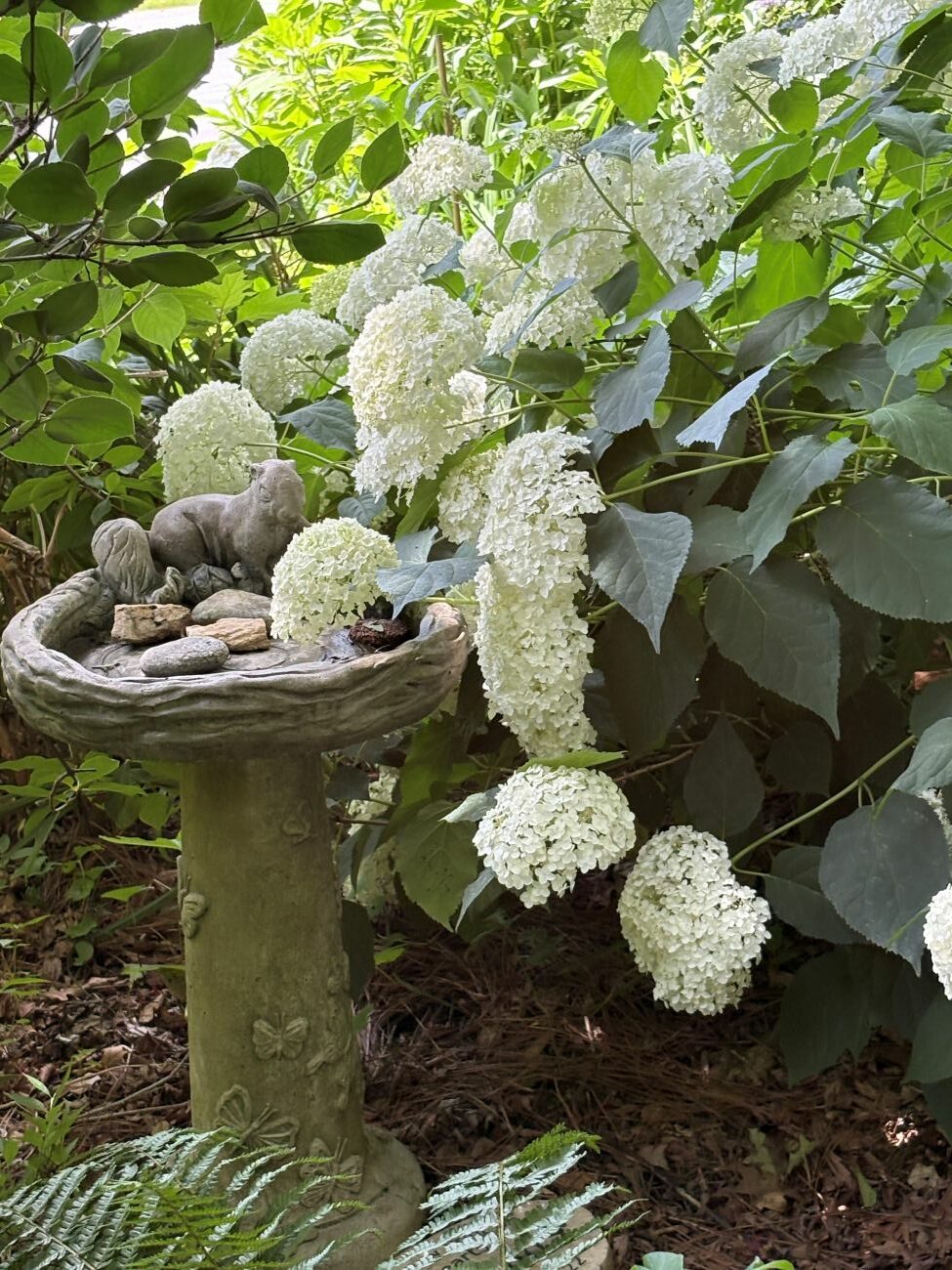
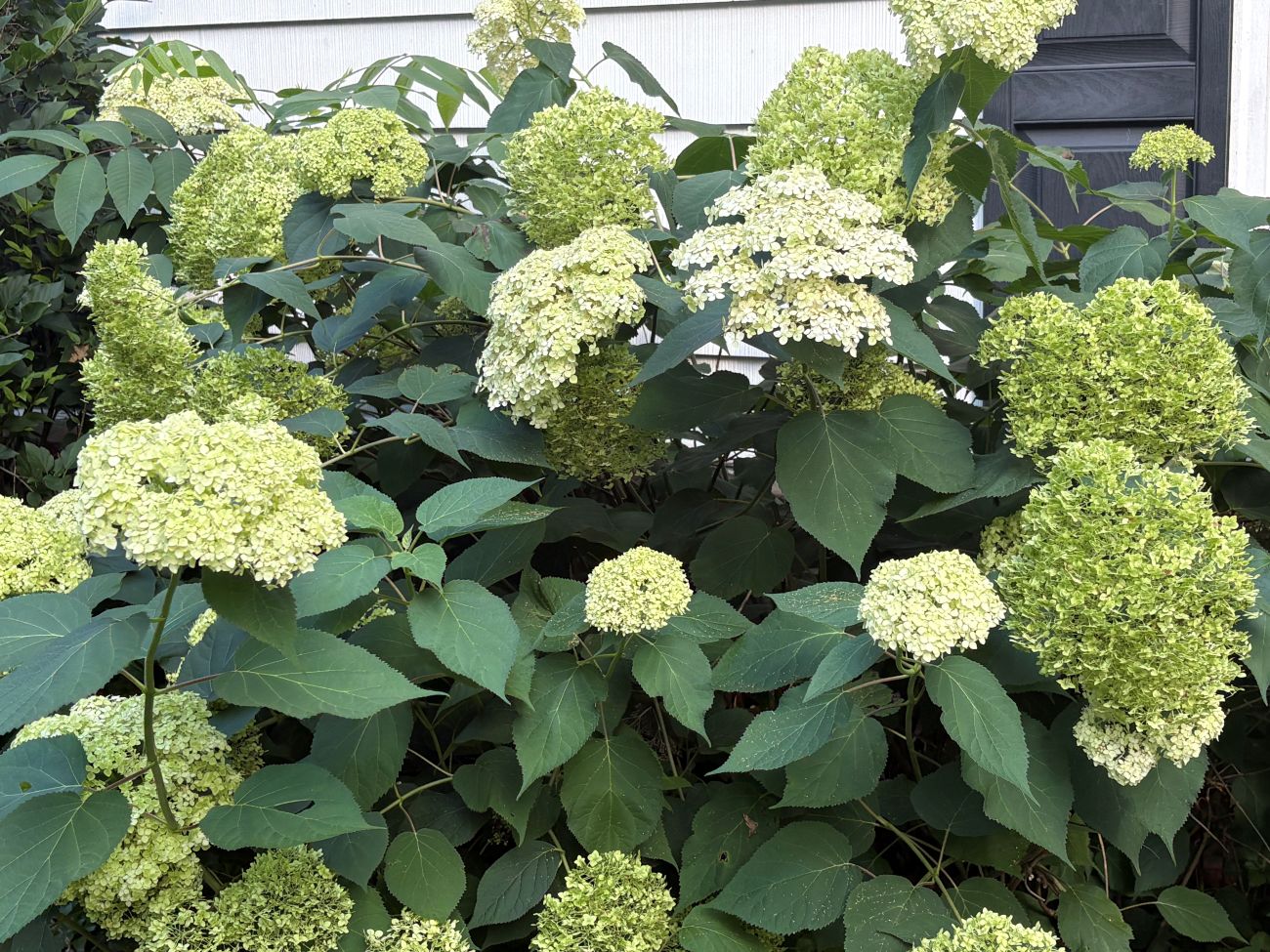
- Late Spring into Early Summer: The garden shifted from the delicate blooms of spring into the robust architecture of early summer. The ‘Annabelle’ smooth hydrangeas (Hydrangea arborescens ‘Annabelle’) began their iconic white display, providing a cooling, structural counterpoint to the birdbath area.
- The July Heatwave: As temperatures spiked, the garden’s metabolism shifted. Carla utilized large, containerized planting methods for her vegetables to ensure optimal soil moisture and nutrient control. During this time, the ‘Tie Dye’ clematis—which took several years to establish—reached its peak, finally rewarding the gardener with a prolific display of color.
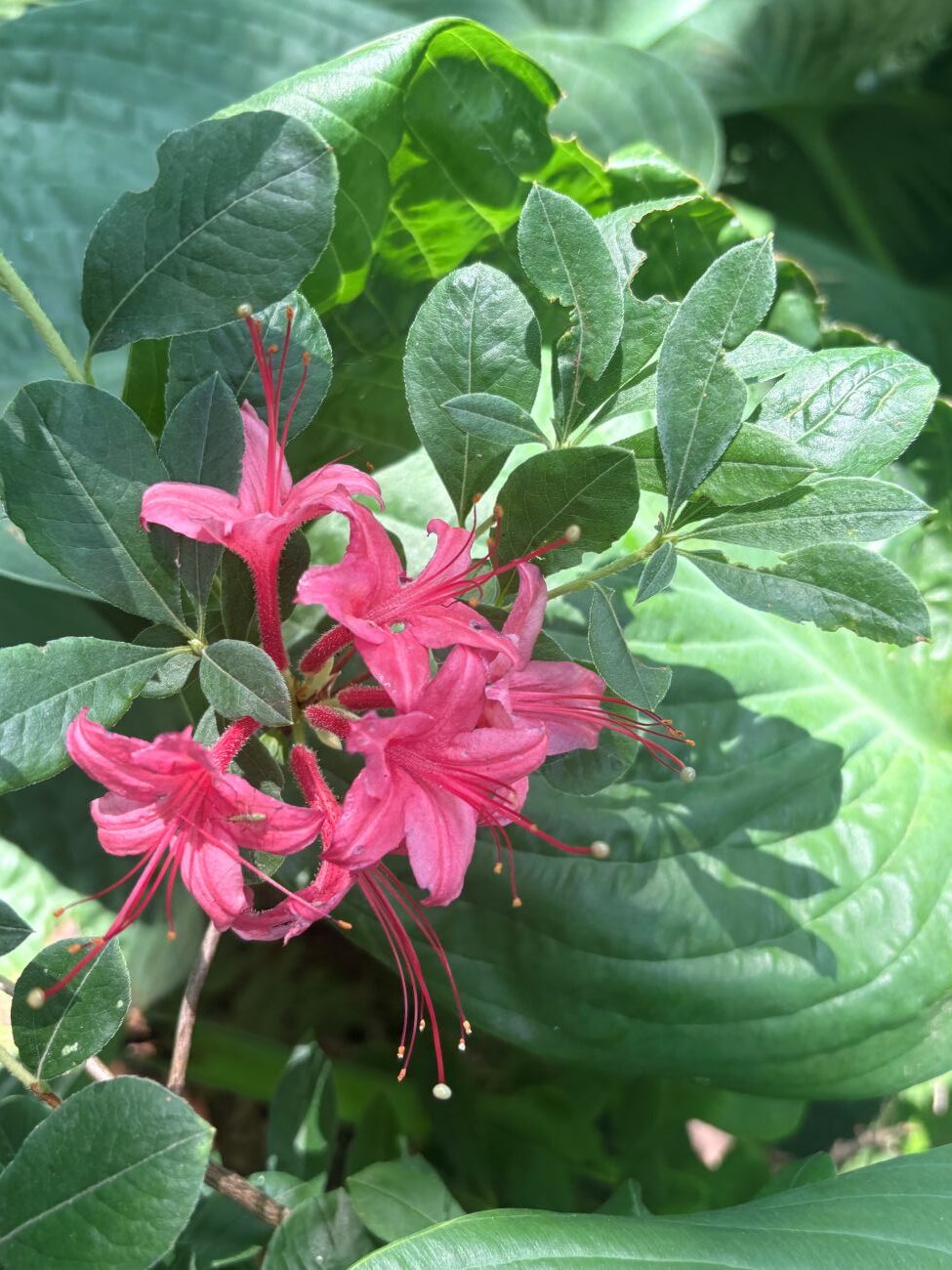
- The "Final" Act: As July progresses toward August, the garden is transitioning to its late-season stars. The ‘Millennium’ azalea (Rhododendron ‘Millennium’) has claimed its spot as the final bloomer of the season, marking the end of the spring-summer flowering cycle.
Supporting Data: Botanical Profiles and Cultivar Success
Carla’s selection of plants reflects a deep understanding of hardiness zones and visual composition. The following highlights showcase the diversity of her collection:
Hydrangeas and Roses
The "Hydrangea galore" mentioned by Carla reflects an enduring obsession with the genus. Her recent travels to the Hamptons—a region famous for its coastal hydrangea displays—have clearly informed her own aesthetic. Among the standouts is the ‘Lime Rickey’ smooth hydrangea, which offers a refreshing, lime-green hue that cuts through the heat-stressed palette of midsummer.
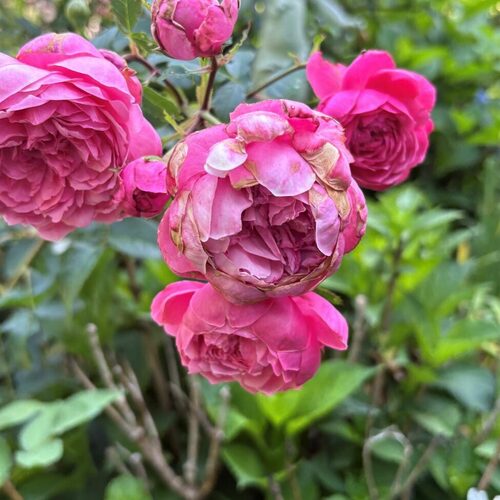
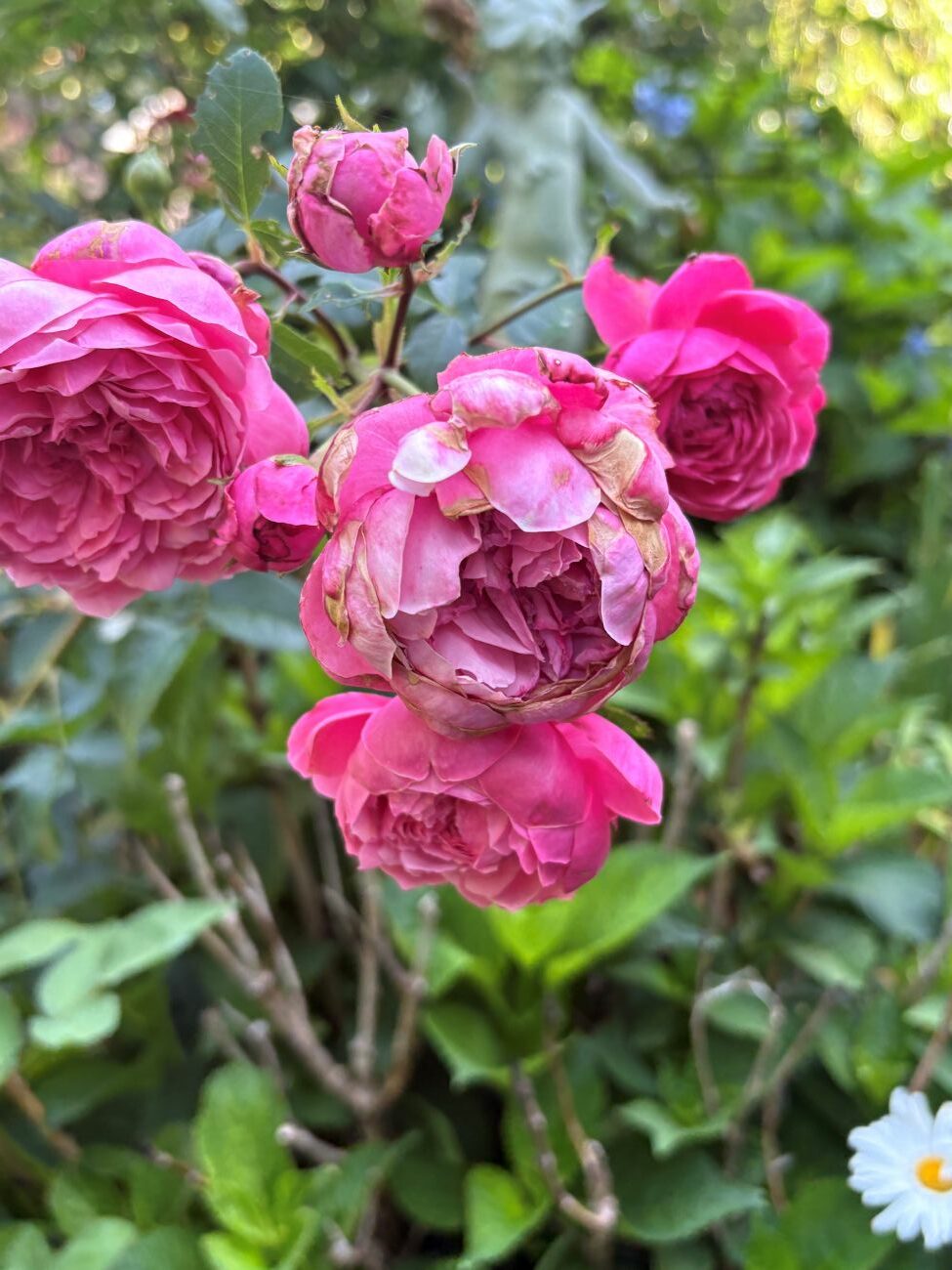
In the rose category, the ‘Moroccan Rose’ stands as a centerpiece. An upright shrub collected by an international "rose rustler" in Morocco, this plant bridges the gap between old-world heritage and modern durability. Its ability to repeat bloom, combined with its damask-like qualities, makes it an essential asset for the Pennsylvania climate.
Heirloom Vegetables
Carla’s approach to the vegetable patch is grounded in tradition. By growing from seed, she maintains control over the genetic integrity of her harvest.
- Tuscan Basil: A classic culinary staple known for its robust flavor.
- Neapolitan Basil: Chosen for its aromatic profile.
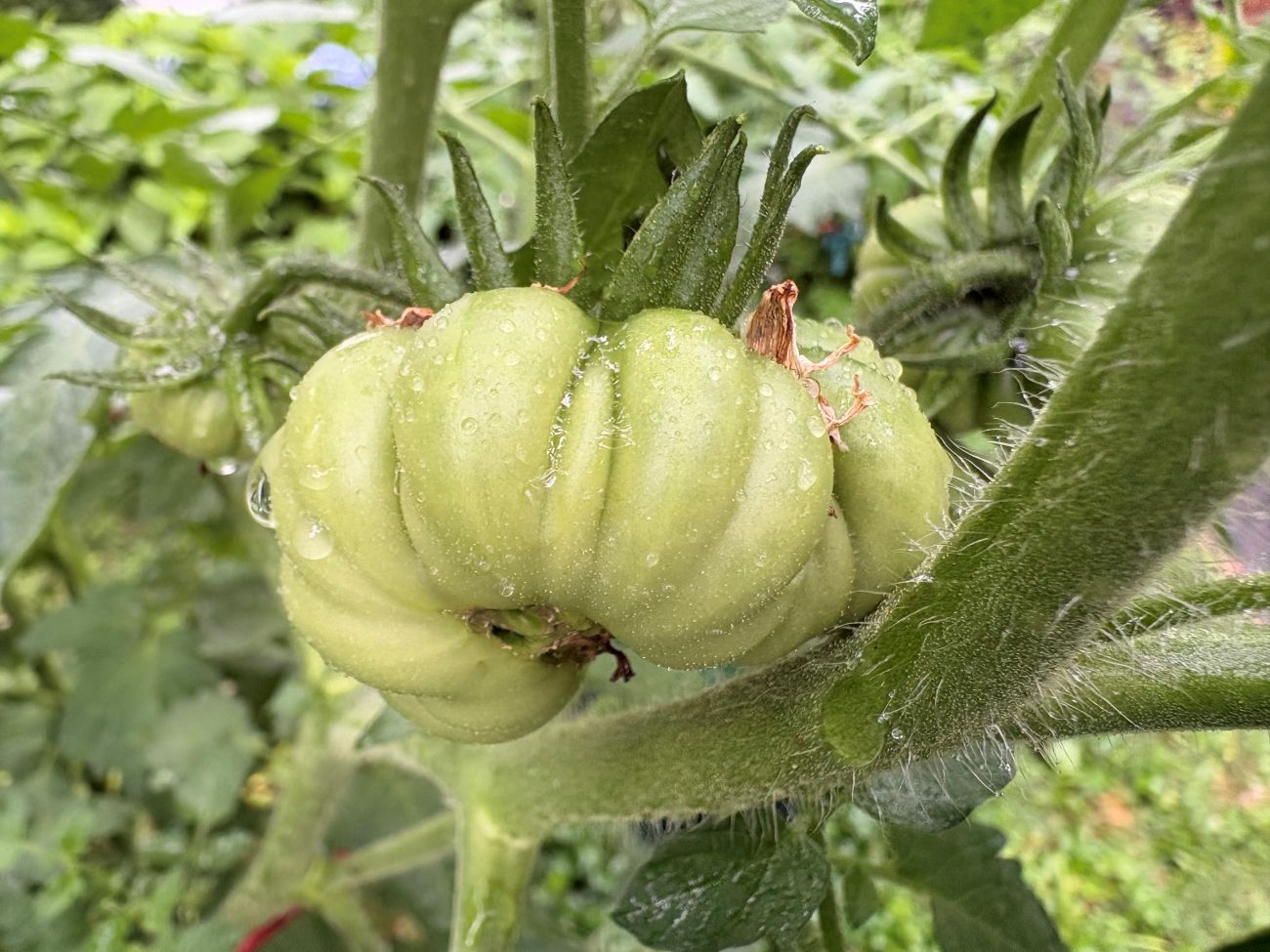
- ‘Costoluto Fiorentino’ Tomato: A historic Italian heirloom known for its deep ribbing and complex flavor profile. By growing these in large pots, Carla mitigates the risk of soil-borne pathogens and allows for more precise water management during the unpredictable July rains.
Texture and Foliage
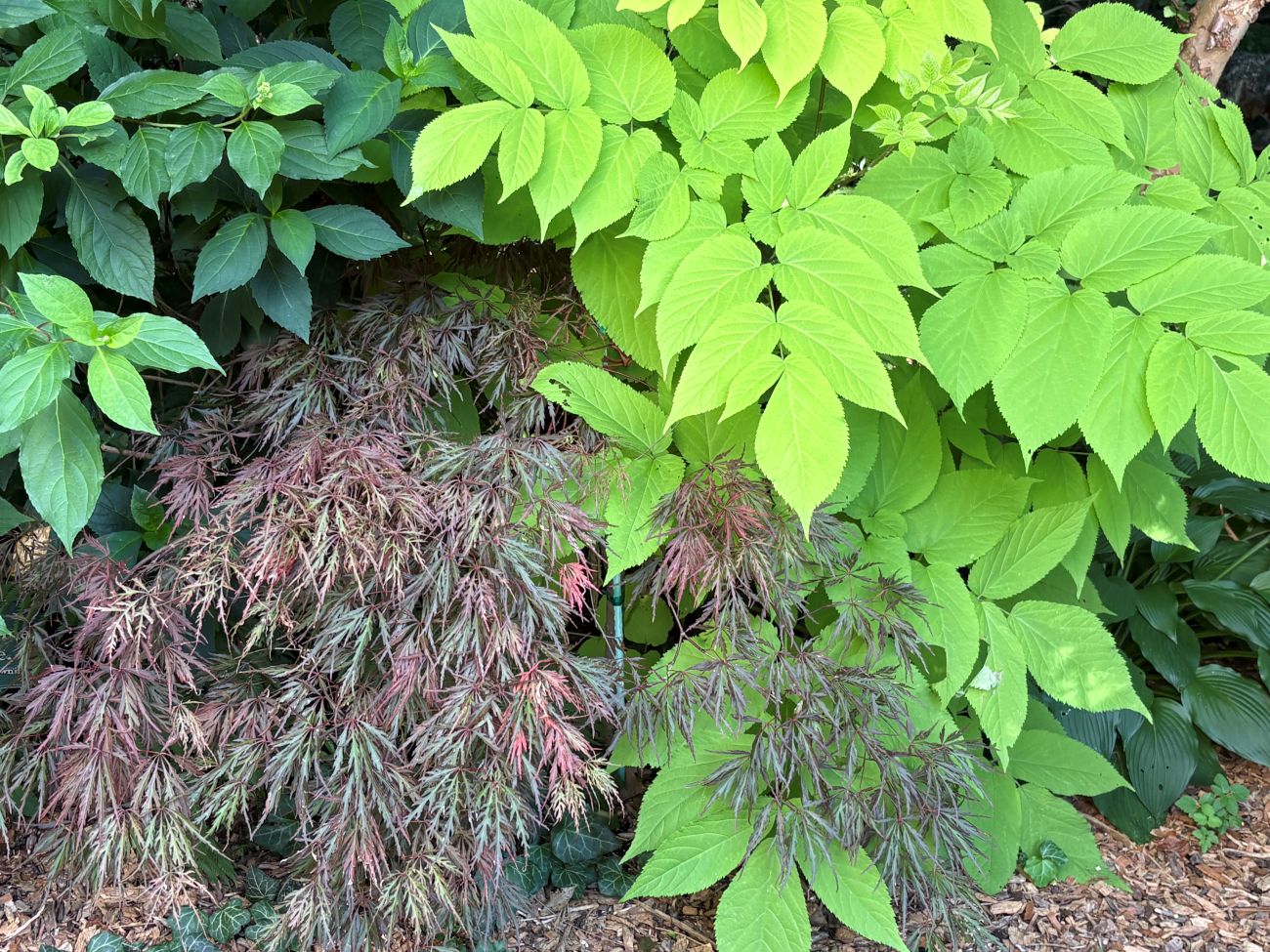
Beyond the flowers, the garden is structured by foliage. The combination of threadleaf Japanese maple (Acer palmatum var. dissectum), hydrangea foliage, and the golden-chartreuse tones of ‘Sun King’ Japanese spikenard (Aralia cordata ‘Sun King’) creates a "tapestry of texture" that maintains visual interest even when the flowers are between flushes.
Official Observations: The Art of Garden Curation
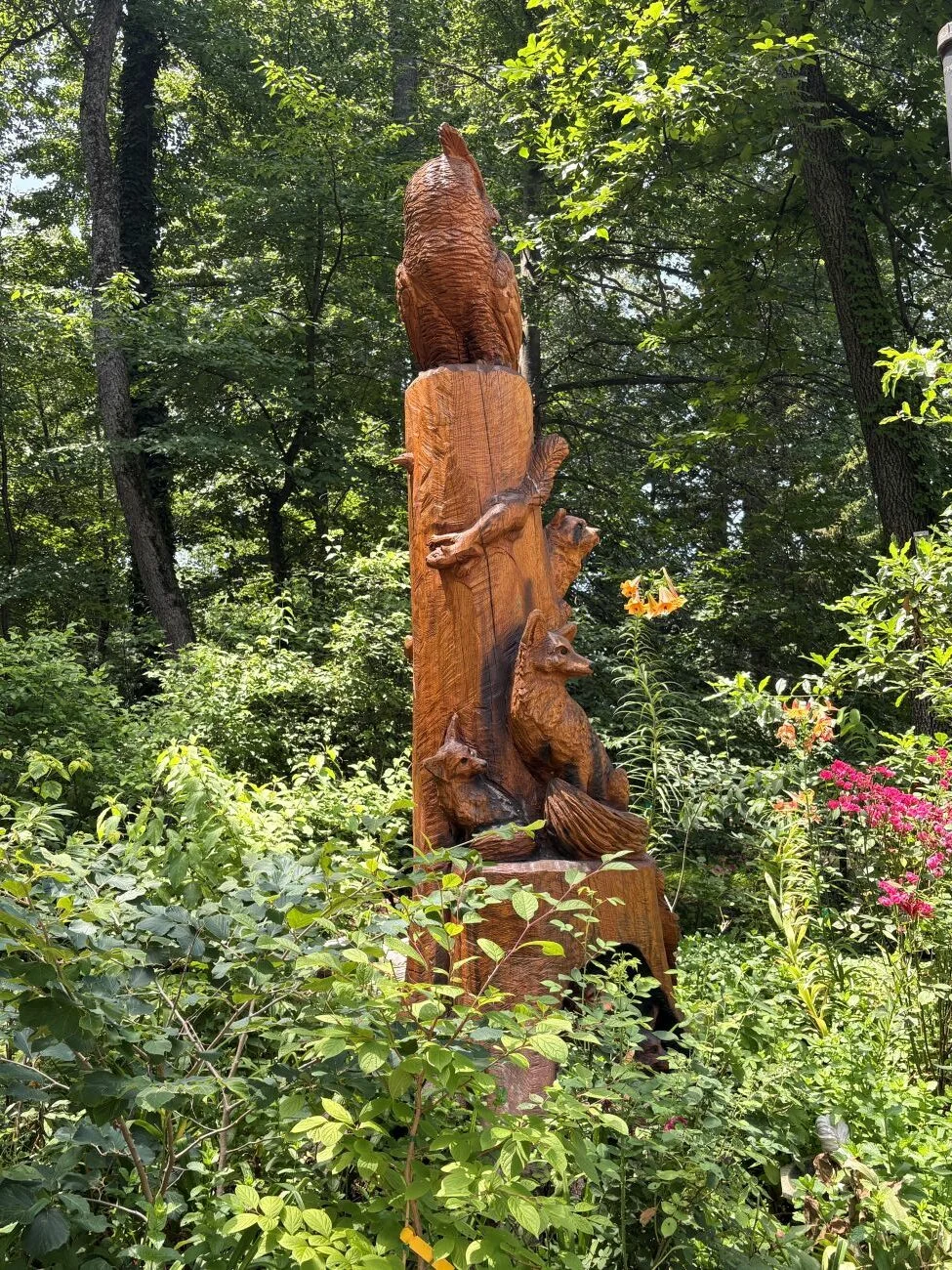
In her commentary, Carla emphasizes that the garden is not a static object but a living, changing entity. The inclusion of the hand-carved owl, crafted from a fallen red oak on the property, serves as a poignant reminder of the garden’s history. By incorporating the oak into the landscape, the sculpture acts as a bridge between the past and the present, surrounded by seasonal plantings that include witch hazel, daffodils, serviceberry, and peonies.
This approach—what might be termed "holistic gardening"—acknowledges the environment’s limitations while maximizing its potential. The use of deer-resistant strategies alongside the acceptance that some plants (like the lilies) will be "shared" with local fauna reflects a philosophical maturity that is common among master gardeners.
Implications: Building Resilience for Future Seasons
The experiences shared by Carla offer broader implications for home gardeners in the Mid-Atlantic and beyond. As climate patterns become increasingly unpredictable, the lessons from the Malvern garden are twofold:
1. The Power of Containers
By utilizing large, mobile containers for high-maintenance crops like heirloom tomatoes, gardeners can bypass the struggle against heavy, waterlogged, or nutrient-poor soil. This method is increasingly being recognized as a viable strategy for urban and suburban gardening alike.
2. Patience as a Tool
The case of the ‘Tie Dye’ clematis—which required several years to reach maturity—is a vital lesson in the "three-year rule" of gardening: "Sleep, creep, leap." Modern gardeners, often accustomed to instant results, are reminded that the most rewarding plants are those that are given the time to develop a deep, stable root system.
3. Creating Micro-Habitats
The focus on beneficial insects, evidenced by the recommended use of insect hotels (such as the Niteangel Natural Wooden Insect Hotel), suggests that the future of gardening lies in fostering biodiversity. By attracting ladybugs and lacewings, the gardener reduces the need for chemical interventions, allowing the garden to self-regulate.
Conclusion: A Call to the Gardening Community
Carla’s midsummer update is more than a status report; it is an invitation. Her success with heirloom seeds, her patience with slow-establishing perennials, and her thoughtful integration of art and nature serve as a template for those looking to cultivate their own sanctuary.
As we look toward the remainder of the summer, the garden remains a place of constant discovery. Whether you are battling deer, managing a container crop of tomatoes, or simply observing the cooling green of a hydrangea, the act of gardening remains one of the most grounding and rewarding human endeavors.
Join the Conversation:
The Fine Gardening community thrives on the shared experiences of its readers. Whether you are a novice with a single window box or a seasoned professional with acres of land, your story is part of the larger tapestry of horticulture. We encourage all readers to document their own successes and failures, as it is through these collective insights that we all become better stewards of our land.
For those interested in contributing to the Garden Photo of the Day (GPOD), please utilize the official submission form provided by Fine Gardening. Your garden—no matter the size—has a story to tell.
