

In the quiet town of Dunstable, Massachusetts, a remarkable feat of backyard engineering has transformed the way one family approaches year-round cultivation. Born out of the necessity and isolation of the 2020 pandemic lockdowns, a unique, subterranean, passive-solar greenhouse has emerged as a blueprint for sustainable, localized food production. What began as a “nerdy” DIY experiment has blossomed into a highly efficient, climate-stabilized sanctuary that defies New England’s harsh seasonal limitations.
The Genesis: A Pandemic Pivot
When the COVID-19 pandemic forced the world into lockdown in March 2020, Tingshu and her family—husband Philip, their son-in-law, and their nephew—found themselves with a rare, albeit challenging, commodity: time. Faced with the sudden shift to a homebound lifestyle, they decided to convert their long-held aspiration of building a high-performance greenhouse into a tangible reality.
This was no simple prefab kit assembly. The project required rigorous planning, mathematical modeling, and, most notably, an immense amount of manual labor. Tingshu describes the project as a blend of intellectual rigor and raw physical exertion, noting that while power tools were available, the family often opted for the therapeutic, albeit grueling, pace of shovel-and-sweat construction.
A Chronology of Construction: Breaking Ground
The scope of the project was ambitious. To achieve the thermal stability required for year-round growing in Massachusetts, the family opted for an earth-sheltered design.
Phase I: The Excavation (Summer 2020)
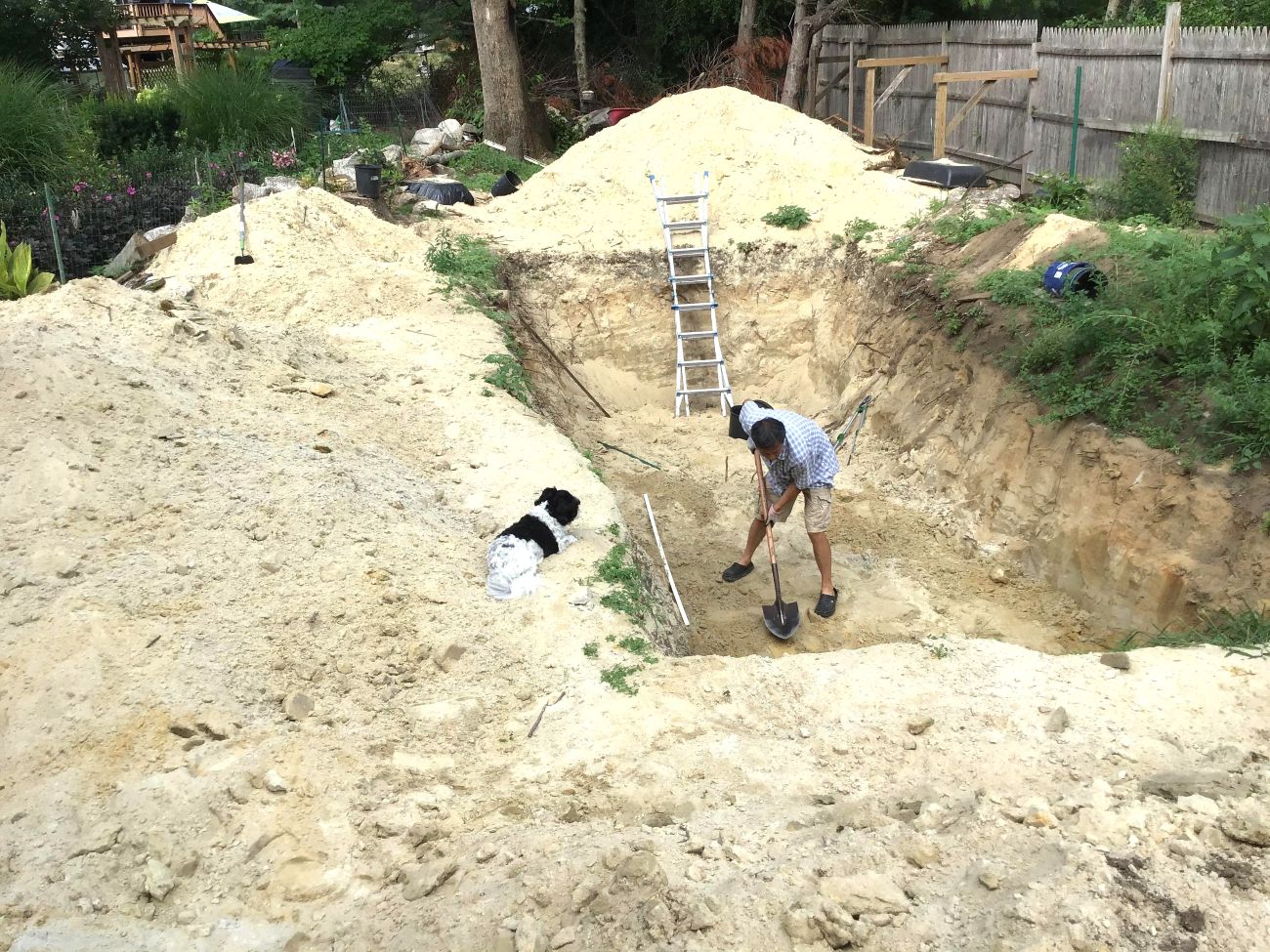
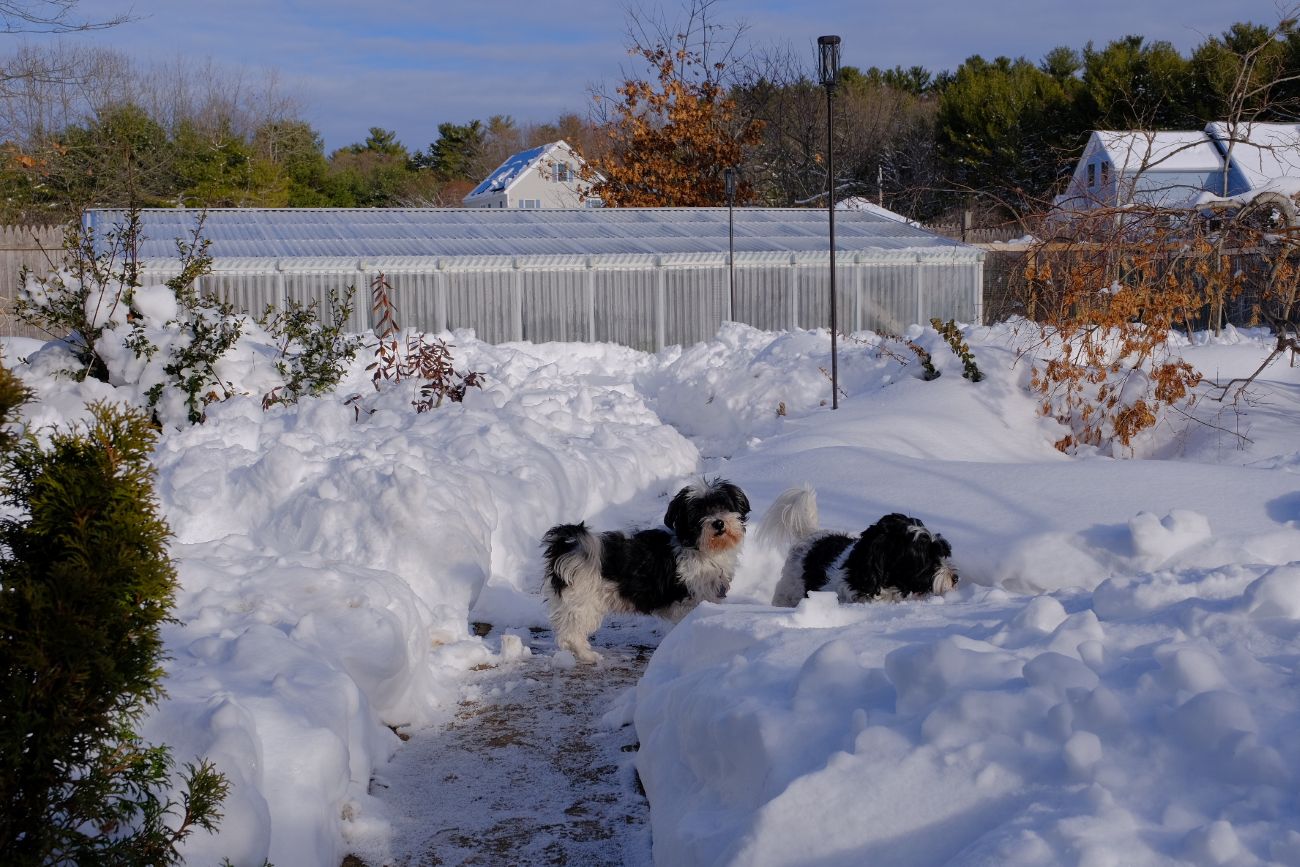
On July 28, 2020, the project reached a critical milestone. The team had successfully excavated a hole measuring approximately 6 feet deep, 11 feet wide, and 26 feet long. The primary laborers—Tingshu, Philip, their son-in-law, and nephew—spent over a month manually digging, with the family’s Havanese, Luke, acting as a watchful supervisor from the surface. This massive void would eventually house a greenhouse structure measuring 24 feet by 9 feet.
Phase II: The Subterranean Infrastructure
Once the foundation was cleared, the technical complexity of the design took center stage. The family installed a sophisticated thermal exchange system: eight 35-foot-long “earth tubes” were buried in two distinct layers. These tubes extend above the ground, allowing for the circulation of air that exchanges heat with the earth at a depth of five feet, effectively using the soil as a thermal battery.
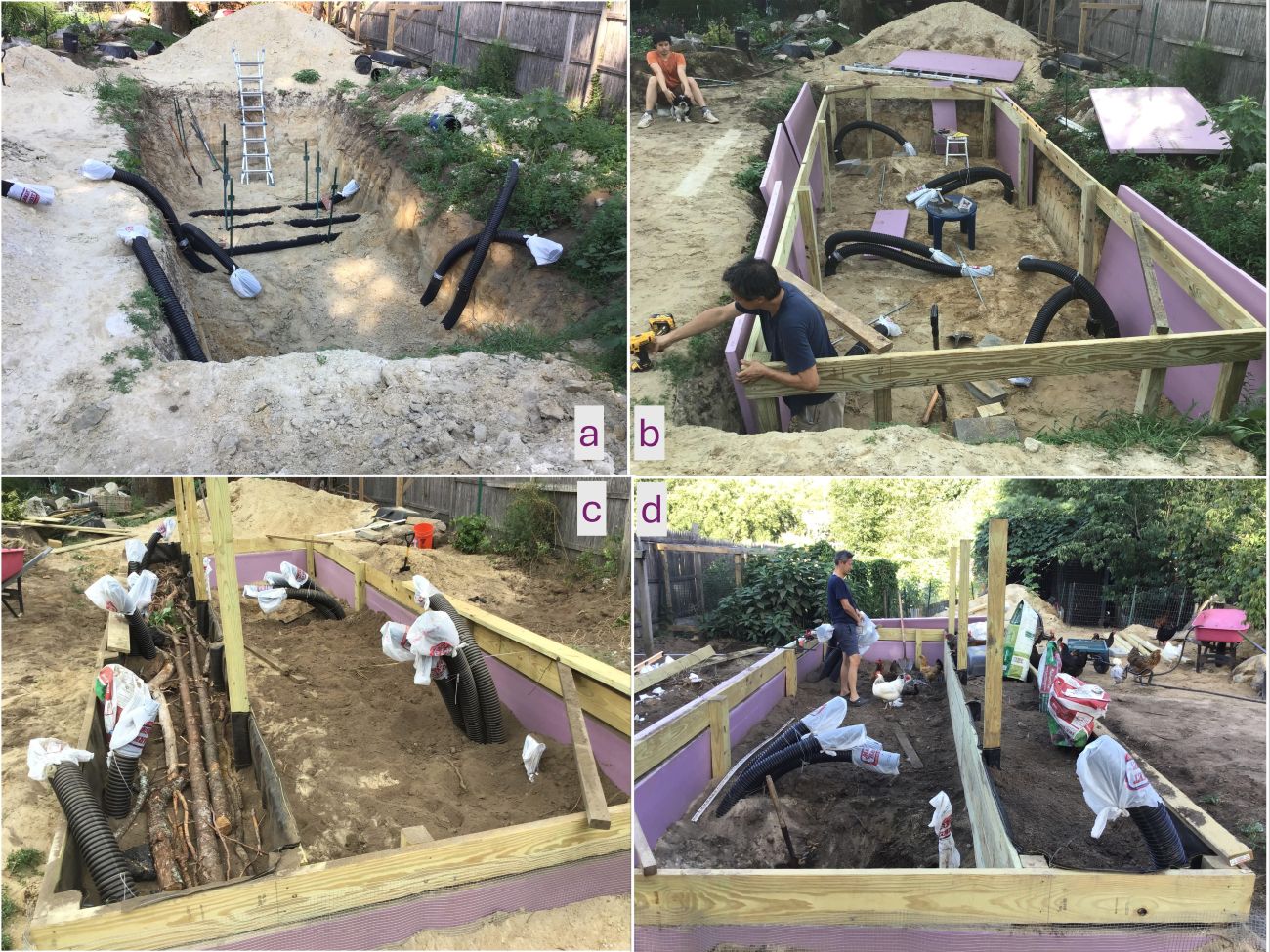
Further protective measures were integrated into the design, including metal mesh buried around the perimeter to prevent burrowing animals from compromising the structure. Inside, the south growing bed was reinforced with large logs, and the space was even designed to accommodate chickens, which play a crucial role in fertilizing the soil.
Phase III: Structural Assembly and Thermal Mass
By late summer, the focus shifted to the above-ground frame. To maintain a low profile and stabilize temperatures, the walkway between the two primary growing beds was set 2.5 feet below the original ground level. This clever design choice allowed the structure to remain just 5.5 feet high, minimizing exposure to freezing winds while maximizing sun exposure.
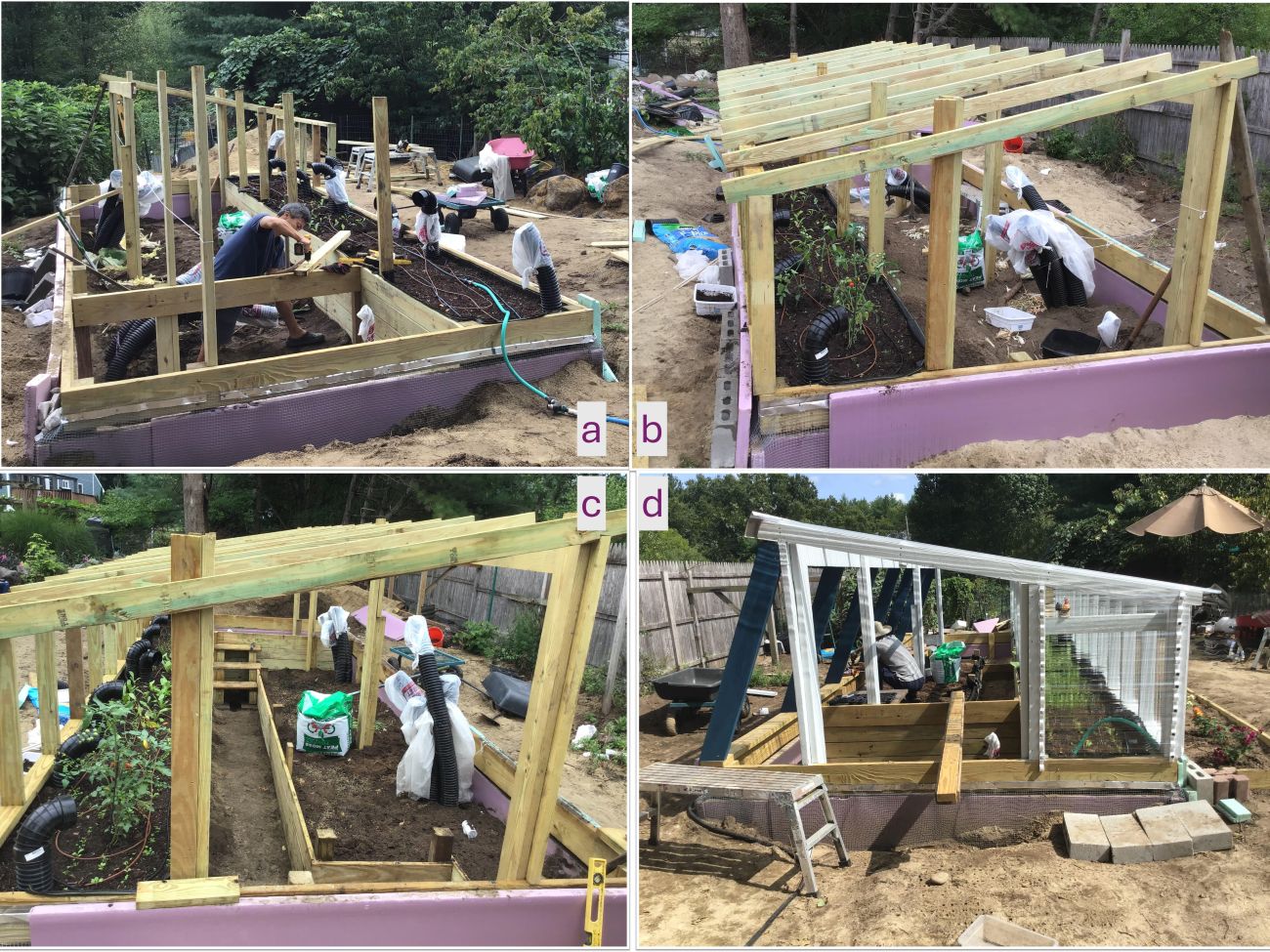
A key component of the climate control strategy is a 6.5-by-4-by-3-foot water tank. Positioned strategically, this tank collects rainwater from the roof, serving the dual purpose of irrigation and acting as a thermal mass to absorb solar heat during the day and release it at night.
Phase IV: The Final Push (Autumn 2020)
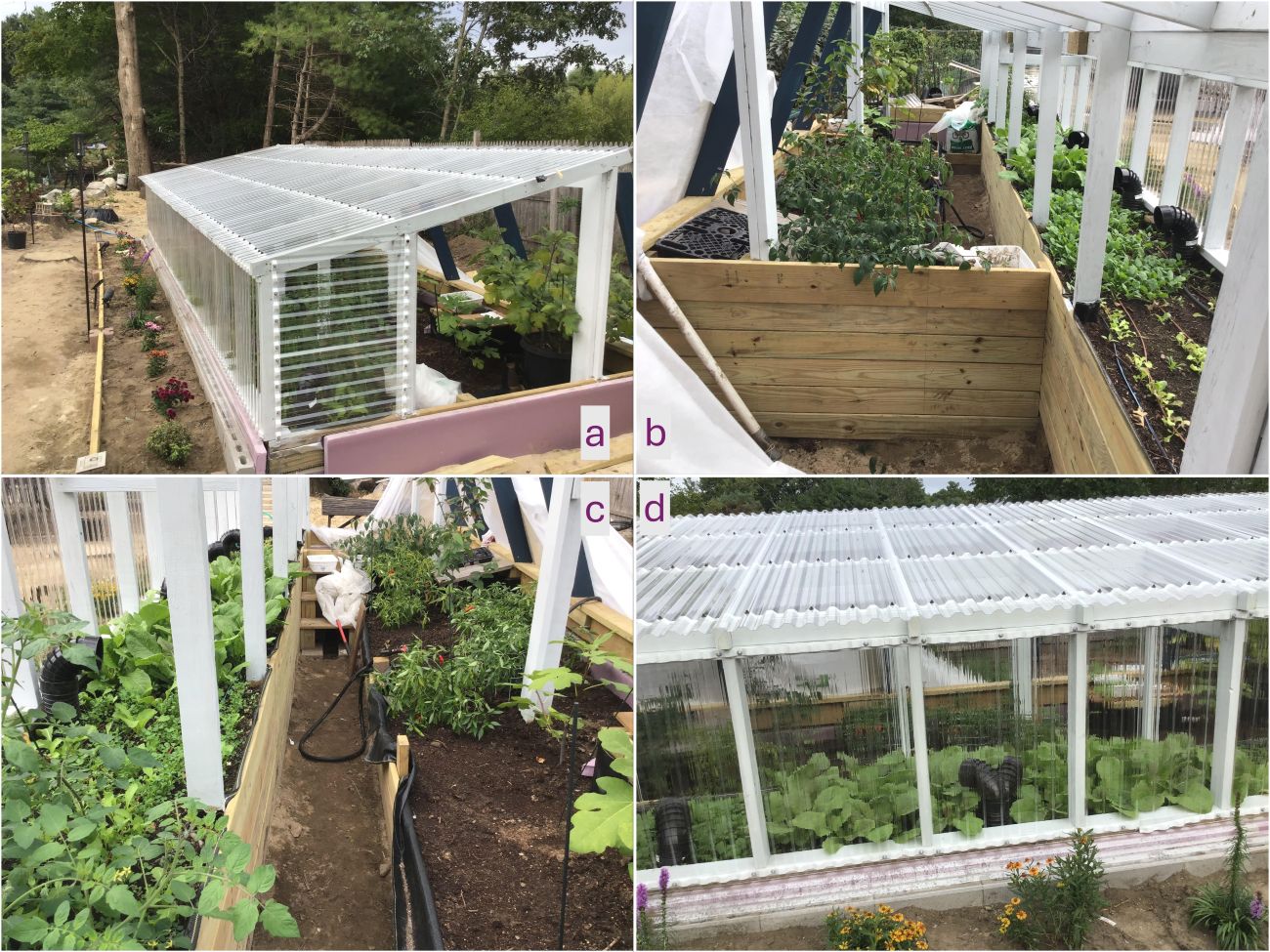
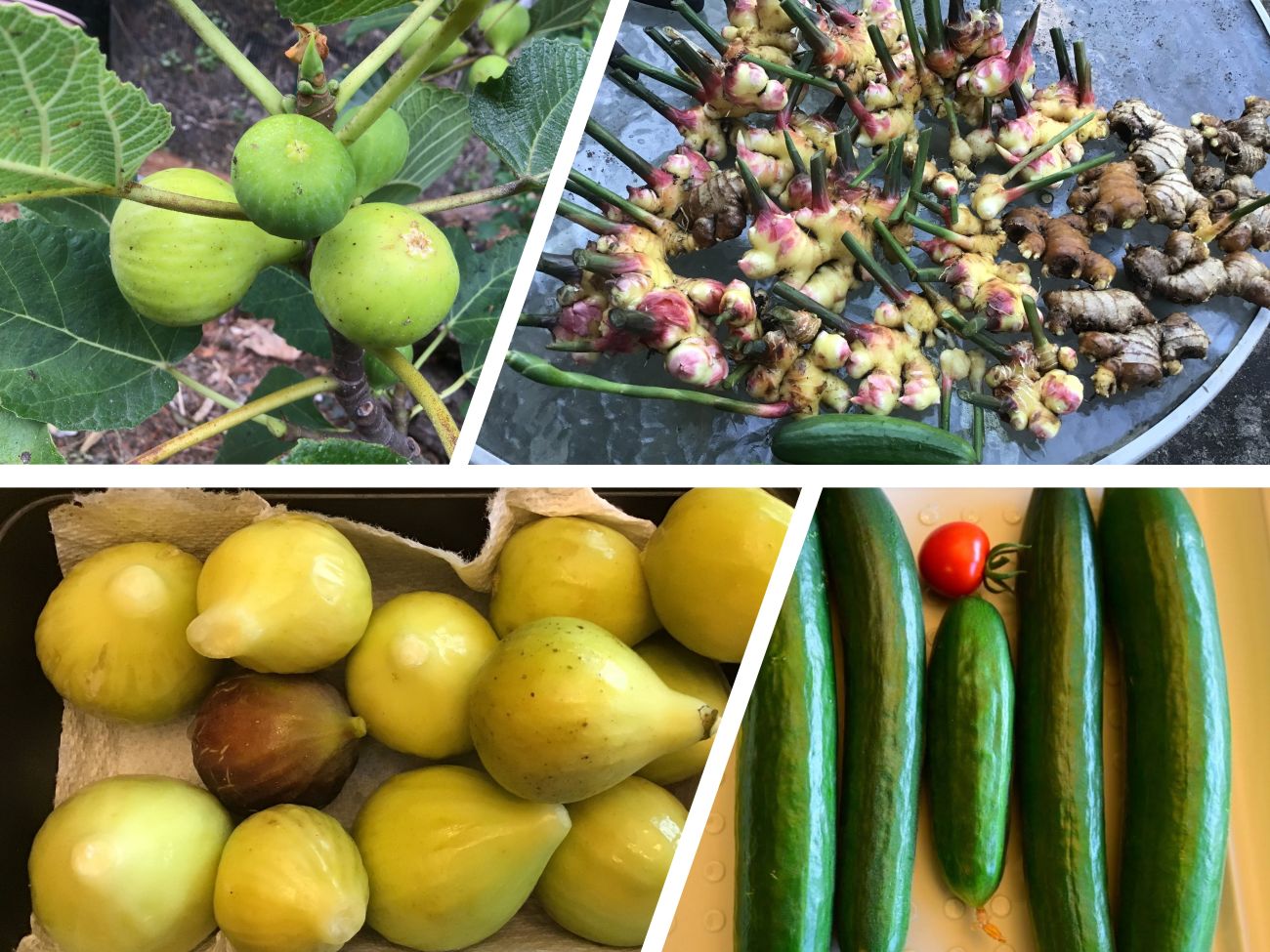
As the threat of the first frost loomed in September, the team worked against the clock to install the glazing panels. By late September, the structure was fully enclosed, providing a buffer against the cooling New England air. The transition from construction site to functional ecosystem was swift, with the family immediately moving in subtropical specimens, including a mature fig tree (Ficus carica).
Supporting Data: Efficiency and Yield
The greenhouse’s performance during the winter of 2020–2021 provided empirical evidence of the design’s success. During the coldest stretches of the Massachusetts winter, the greenhouse remained above 33°F—a vital threshold for preventing plant loss.
The secret to this stability lies in the low-energy air circulation system. Two blowers, consuming a combined total of only 76 watts, push air through the subterranean earth tubes. In the winter, this system pulls warmth from the deeper soil; in the summer, it reverses the process to draw in the naturally cool air from five feet below the surface.
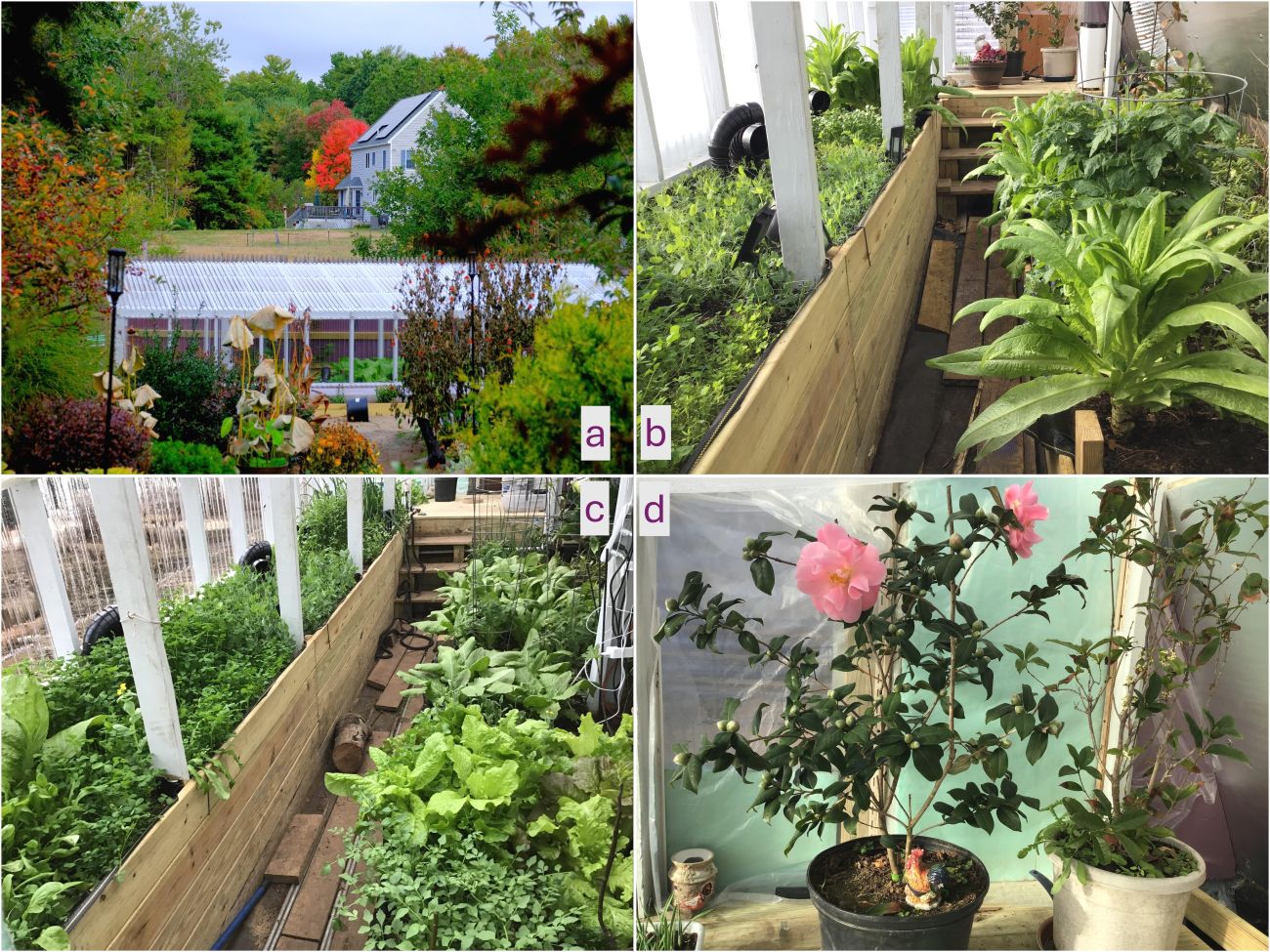
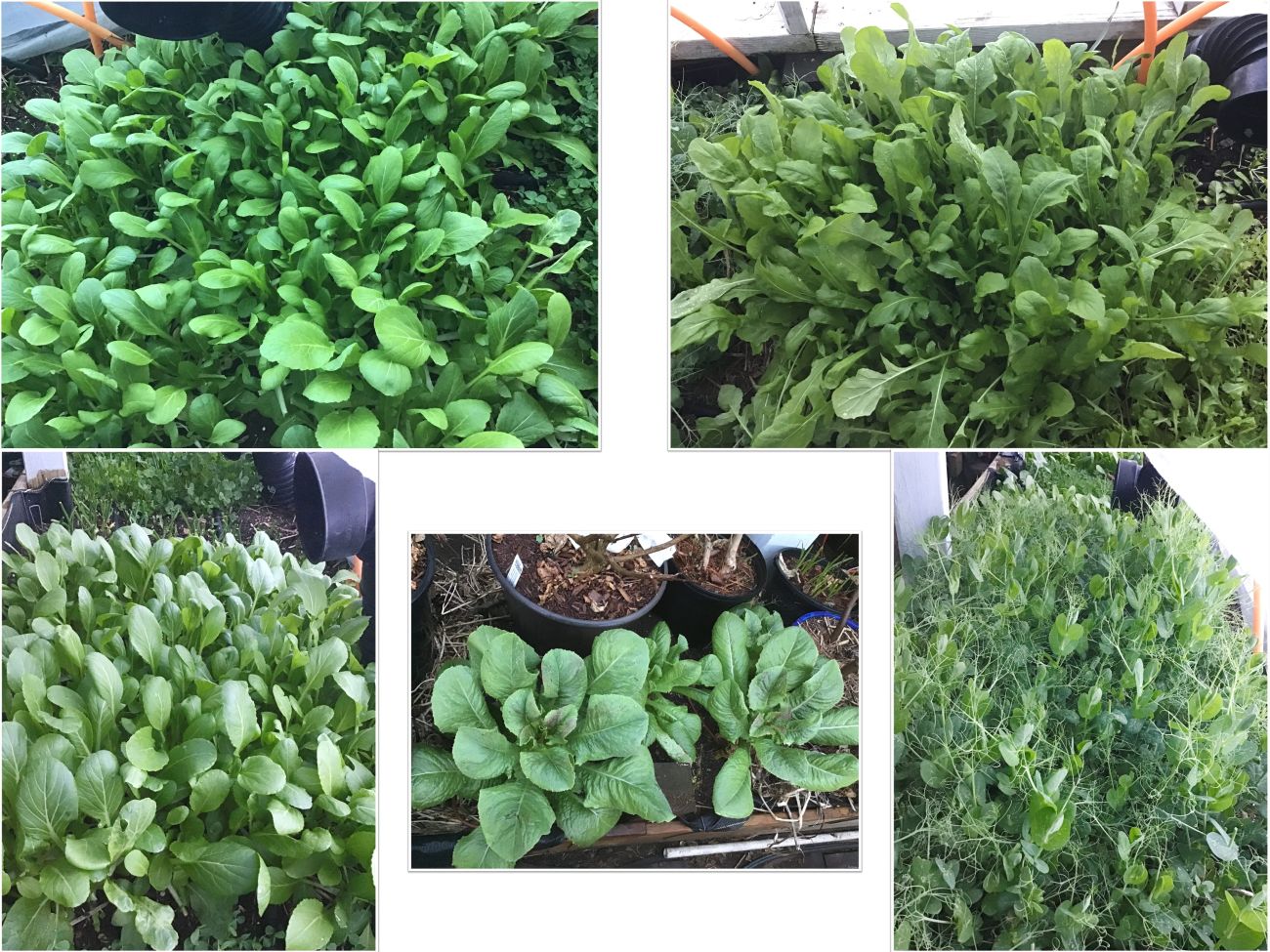
The agricultural output has been equally impressive. The greenhouse now supports a diverse array of crops, including:
- Leafy Greens: Providing fresh harvests well into the depths of winter.
- Subtropical Fruits: A thriving fig tree that serves as the centerpiece of the greenhouse.
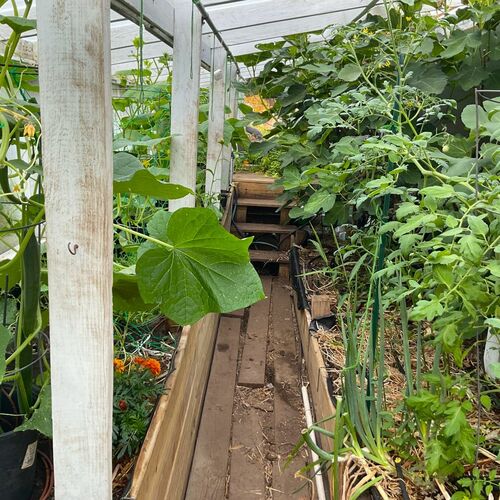
- High-Maintenance Vegetables: Crops like cucumbers, which the family finds too difficult to grow outdoors due to local pest pressure, thrive in the protected environment.
- Companion Planting: By integrating marigolds with cucumber crops, the family has successfully mitigated pest issues like pill bugs, keeping the soil healthy and productive.
Official and Personal Perspectives
Reflecting on the journey, Tingshu emphasizes that the project was as much about family bonding as it was about horticulture. The "nerdy" nature of the project—the calculations, the insulation choices, and the thermal mass planning—created a shared sense of accomplishment that defines the space today.
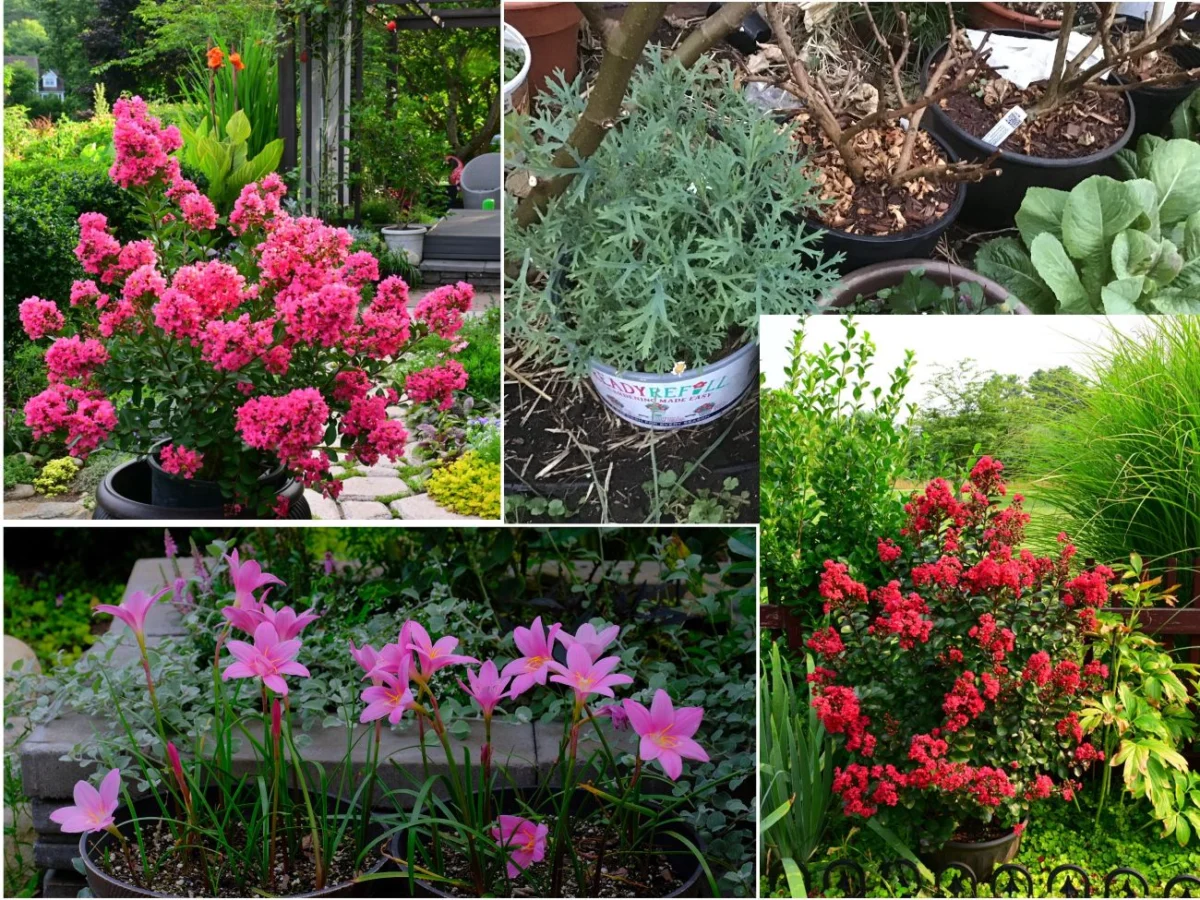
"The pandemic shutdown forced us to stay home, providing a rare opportunity to make our dream come true," Tingshu remarked. The result is a structure that serves as a living laboratory. The greenhouse does not just grow food; it provides a sanctuary for plants that would otherwise be unable to survive in the local climate, such as gardenia, crape myrtle, and rain lilies.
Implications for Modern Gardening
The Dunstable greenhouse serves as a powerful case study for the "small-scale, high-yield" movement. As climate volatility makes outdoor gardening increasingly unpredictable, the integration of passive-solar design and earth-sheltered architecture offers a pathway to food security for homeowners.
The Sustainability Factor
By utilizing earth-tube cooling and thermal mass storage, the family has minimized their reliance on external energy sources. The use of rainwater collection and integrated animal fertilization further cements the greenhouse’s status as a closed-loop system.
Community and Future Growth
The project highlights the importance of localized knowledge. Tingshu’s willingness to share her experiences—including the trial-and-error of dealing with pests like cucumber beetles and the successes of their winter harvests—serves as an inspiration for others looking to extend their own growing seasons.
As the garden continues to evolve, it remains a testament to what is possible when design, science, and sheer persistence converge. The Dunstable greenhouse is more than just a place to grow vegetables; it is a manifestation of a family’s response to a global crisis, turning a period of uncertainty into a season of permanent, year-round growth.
For those looking to replicate such results, the path is clear: start with the soil, calculate the thermal needs of your climate, and never underestimate the power of a well-placed shovel. As Tingshu’s journey proves, the most rewarding gardens are often the ones we build from the ground up—literally.
