

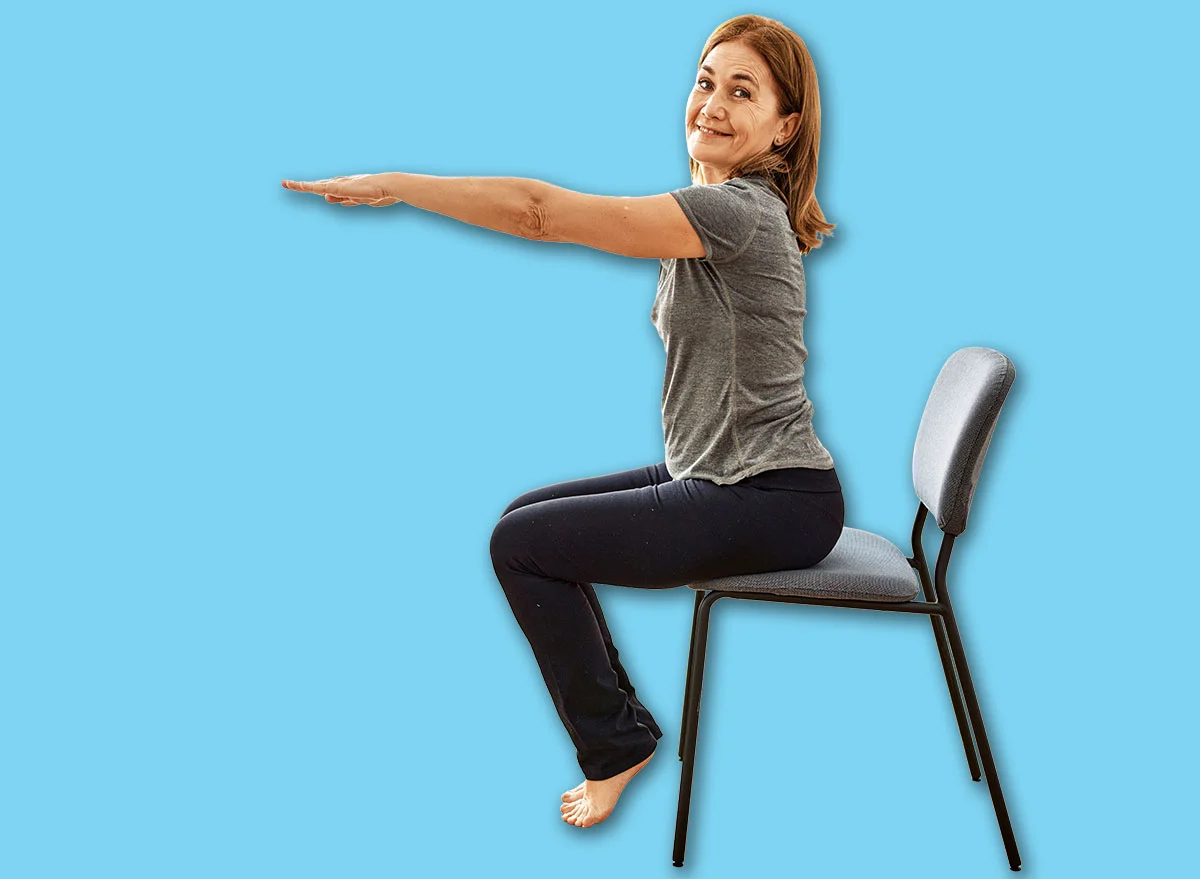
For many, the milestone of turning 60 is a time for reflection, travel, and pursuing long-held hobbies. However, it is also a stage of life where physiological changes—specifically the loss of muscle mass, known as sarcopenia—can begin to impact daily independence. If you have been looking to bolster your lower body strength but find the prospect of heavy gym equipment or high-impact training daunting, there is good news: the most effective training tool you possess might already be in your kitchen.
Experts are increasingly pivoting toward functional, chair-based training as a primary method for older adults to regain stability, power, and confidence. By utilizing the humble chair, you can train your body in the exact movement patterns required for independent living.
The Science of Functional Aging
The conventional wisdom that "real" exercise requires a squat rack and heavy barbells is rapidly being debunked by modern sports science. For the aging population, the goal of exercise is not necessarily maximum hypertrophy (muscle growth for aesthetics), but rather "functional strength."
According to clinical research published in peer-reviewed journals, chair-based exercise programs are remarkably effective at improving both upper and lower body function. These routines are not a "watered-down" substitute for traditional training; they are a targeted intervention. By performing movements that mimic the act of standing, sitting, and stabilizing, older adults can show measurable gains in standardized functional tests, such as the 30-second chair-stand test—a gold standard for assessing lower body power and mobility in geriatric care.
Expert Insight: Why the Chair is King
We spoke with James Brady, a Certified Personal Trainer (CPT) at OriGym, to understand why these exercises yield such high returns for those over 60.
"Chair exercises are an excellent way to rebuild leg strength after 60 because they provide stability while allowing you to train the muscles that matter most for everyday movement," says Brady. "When we remove the fear of falling—which is a major psychological barrier to exercise for many seniors—we allow the nervous system and the muscles to work in tandem more efficiently."
By stabilizing the body, the chair allows the user to focus entirely on muscle engagement and proper form, reducing the risk of injury while maximizing the recruitment of the quadriceps, hamstrings, and glutes.
The Four Pillars of Chair-Based Strength
To help you get started, we have curated a routine featuring four foundational movements. These exercises cover the primary movement patterns required for a high quality of life: pushing, extending, flexing, and stabilizing.
1. The Chair Sit-to-Stand: The Foundation of Independence
If there is one exercise that serves as the cornerstone of functional longevity, it is the sit-to-stand. This movement is the mechanical equivalent of getting out of a car, rising from a sofa, or standing up after a meal. It directly strengthens the quads, glutes, and hamstrings.
How to perform it:
- Position yourself at the edge of a sturdy chair with your feet hip-width apart.
- Lean your torso slightly forward, engaging your core.
- Push through your heels to rise to a full standing position.
- Keep your chest up and avoid using your hands for momentum if possible.
- Slowly lower yourself back down with control, ensuring you do not "plop" into the seat.
- Repeat for 10–12 repetitions.
2. Seated Knee Extensions: Isolating the Quads
Strong quadriceps are the primary drivers of your gait. They allow you to climb stairs, walk up inclines, and maintain balance when navigating uneven terrain. Seated knee extensions provide a controlled environment to isolate these muscles without placing undue stress on the knee joint.
How to perform it:
- Sit upright with your back supported by the chair.
- Extend one leg straight out in front of you until your knee is locked but not hyper-extended.
- Squeeze your thigh (quadriceps) at the top of the movement for two seconds.
- Lower the foot back to the floor slowly.
- Perform 10 repetitions per leg.
3. The Seated March: Core and Hip Integration
Walking is more than just moving legs; it is a complex coordination of the core, hip flexors, and balance. The seated march is an excellent exercise for building strength in the hip flexors while simultaneously training the core to remain stable.
How to perform it:
- Sit tall at the edge of the chair.
- Engage your abdominals to stabilize your spine.
- Lift your right knee toward the ceiling as high as is comfortable, then return to the floor.
- Immediately follow with the left knee.
- Maintain a steady, rhythmic pace, like marching in place, for 30–60 seconds.
4. The Chair Calf Raise: Stability and Ankle Strength
The calves are often the most neglected muscle group in fitness programs, yet they are vital for ankle stability and "push-off" power during walking. Strengthening the calves significantly reduces the risk of tripping and makes long periods of standing feel much less fatiguing.
How to perform it:
- Stand behind your chair and hold onto the backrest for support.
- Keep your feet hip-width apart and toes pointed forward.
- Rise up onto the balls of your feet, lifting your heels as high as possible.
- Pause for a second at the peak to engage the calf muscles.
- Lower your heels back to the floor with control.
- Aim for 15 repetitions.
Implications for Long-Term Health
The implications of maintaining leg strength after 60 cannot be overstated. Clinical data consistently links lower limb strength to a reduced risk of falls—the leading cause of injury-related hospitalizations among older adults. By incorporating these four exercises into your weekly routine, you are not just "working out"; you are investing in your ability to remain independent.
Creating a Sustainable Routine
Consistency is the primary driver of success. We recommend performing this routine three times per week, allowing for a day of rest in between to allow muscle fibers to recover.
- Warm-up: Start with two minutes of light marching in place to increase blood flow.
- Progression: Once these movements become easy, you can increase the challenge by adding light ankle weights or performing the sit-to-stands without using your hands at all.
- Listen to your body: While some muscle soreness is expected, sharp pain should be a signal to stop and adjust your form.
Final Thoughts: The Path Forward
Reclaiming your physical vitality does not require a gym membership or a complex understanding of physiology. It requires a chair, a bit of determination, and the knowledge that every repetition is a step toward greater freedom. Whether you are aiming to keep up with grandchildren, travel more comfortably, or simply navigate your daily life with less fatigue, these four exercises provide the foundation for a stronger, more capable future.
As always, if you have pre-existing health conditions or concerns regarding your musculoskeletal health, consult with your primary care physician or a physical therapist before beginning any new exercise regimen. Your journey toward better health is a marathon, not a sprint—start where you are, and build from there.
