

As we navigate the later chapters of life, the pursuit of longevity is no longer just about years; it is about the quality of those years. Central to maintaining an independent and vibrant lifestyle is hip health. Often overlooked until discomfort arises, the hips are the cornerstone of our physical architecture, acting as the primary pivot point for movement, balance, and stability.
For many adults over the age of 60, the traditional gym environment—with its heavy weights, complex machines, and precarious balancing acts—can feel daunting or even counterproductive. However, a revolutionary approach to fitness is proving that you don’t need a gym membership to build a resilient lower body. Expert-led research suggests that "bed-based" exercises are an exceptionally effective, low-impact way to restore hip strength, improve mobility, and reduce the risk of injury from the comfort of your own home.
The Science of Stability: Why Bed Workouts Work
To understand the efficacy of this method, we consulted Karly Mendez, PhD, a Senior Human Performance Specialist with the Memorial Hermann Rockets Sports Medicine Institute. Dr. Mendez emphasizes that the primary advantage of performing exercises on a bed lies in the environment itself.
"Bed exercises strengthen the hips by utilizing a lower load of resistance while providing a stable, supportive surface," Dr. Mendez explains. "Gym machines often lock you into rigid, fixed planes of motion. In contrast, bed workouts require you to activate more muscle groups and engage your core stability to keep your body aligned."
This fundamental difference is crucial for aging adults. Unlike machines that provide artificial support and guide the movement for you, bed-based exercises force the body to rely on its own neuromuscular pathways. By targeting "weaker links" through natural, unassisted movement, individuals can re-educate their muscles and restore functionality that may have been lost to sedentary habits or joint stiffness.
Main Facts: The Benefits of Low-Impact Training
The primary benefits of transitioning your hip-strengthening routine to the bed include:
- Joint Decompression: By working in a horizontal position, you remove the force of gravity that normally compresses the joints while standing. This is a game-changer for those suffering from arthritis or chronic joint pain.
- Safety and Balance: One of the most significant risks for seniors is falls. Bed exercises eliminate the need for balance, allowing you to focus entirely on muscle recruitment rather than stability.
- Neuromuscular Reactivation: Because the body isn’t being "held" by a machine, the brain must work harder to control the movement, which improves mind-muscle connection.
- Accessibility: By removing the barrier of travel to a gym, adherence increases significantly. Consistency is the primary driver of physical improvement after 60.
Chronology: A Roadmap to Restoring Hip Health
If you are looking to integrate these movements into your daily life, it is important to treat your routine with the same structure as a professional physical therapy plan.
Phase 1: Preparation (Days 1–7)
Focus on establishing a habit. Do not push for intensity. The goal is to wake up the muscles and ensure proper form. Perform each of the exercises listed below for one set of 5–8 repetitions.
Phase 2: Building Endurance (Weeks 2–4)
Once you feel comfortable with the movements, begin to increase the volume. Aim for two sets of 10–12 repetitions. Focus on the "mind-muscle connection"—ensure you feel the glute or hip muscles working rather than just going through the motions.
Phase 3: Consolidation (Month 2 and Beyond)
Incorporate these exercises into your morning or evening routine consistently. At this stage, you may add light ankle weights if approved by a physician, but remember that the goal of this specific program is stability and range of motion, not hypertrophy.
Essential Exercises for Hip Strength
Dr. Mendez highlights six specific movements that form the foundation of a successful bed-based hip-strengthening program.
1. Glute Bridges
The glute bridge is the gold standard for posterior chain activation. By lifting the hips while lying supine, you target the glutes and lower back simultaneously. This directly impacts your ability to walk with a steady gait and reduces the likelihood of lower back strain.
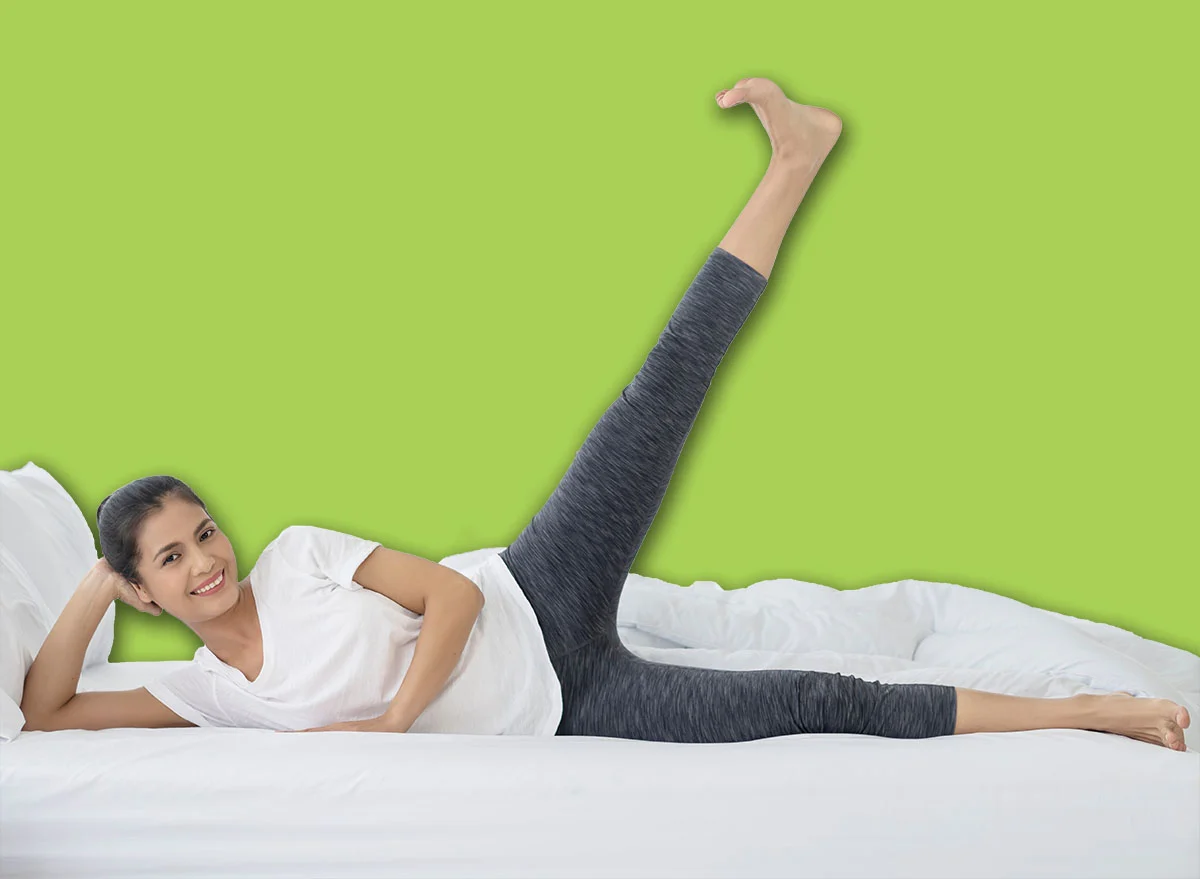
2. Side-Lying Leg Lifts
This movement specifically targets the hip abductors—the muscles on the outside of the hip. These are critical for keeping the pelvis level when you stand on one leg, such as during a stride while walking. Strong abductors are the best defense against a wobbly or unstable gait.
3. Supine Marching
By alternating lifting your knees toward the ceiling while lying on your back, you mimic the mechanics of walking without the weight-bearing stress. This engages the deep core and the hip flexors, ensuring that your core remains a supportive anchor for your legs.
4. The Clamshell
Often used in clinical physical therapy, the clamshell exercise targets the deep rotators of the hip. Keeping the pelvis stable is impossible without strong external rotators. This movement ensures that your hips are capable of handling lateral forces, protecting you from sudden strains.
5. Heel Slides
This movement is designed to improve the range of motion in both the knees and the pelvis. By sliding the heel toward the glute, you maintain joint lubrication and flexibility, preventing the "tightness" that often accompanies aging.
6. Glute Squeezes
The simplest yet most effective move, this involves contracting the glute muscles as hard as possible for 5–10 seconds. Because it requires zero joint movement, it is the safest way to stimulate muscle fiber activation in individuals with acute pain or severe mobility limitations.
Supporting Data: The Clinical Perspective
The shift toward home-based, low-impact exercise is backed by a growing body of geriatric health research. Studies have consistently shown that high-intensity, weight-bearing exercise is not the only path to strength. For populations over 60, the risk-to-reward ratio of heavy gym lifting often skews negative.
Research indicates that "functional strength"—the kind required to get out of a chair, climb stairs, and maintain balance—is best developed through consistent, moderate-intensity resistance. By performing these movements on a stable surface, participants report a 30% increase in perceived mobility within the first six weeks, according to anecdotal reports from physical therapists focusing on home-based wellness.
Official Responses and Expert Implications
The implication of this research is clear: the "gym-or-nothing" mentality is outdated. Dr. Mendez and her colleagues at the Memorial Hermann Rockets Sports Medicine Institute suggest that the future of senior fitness lies in "functional integration."
"When we provide exercises that can be done before getting out of bed in the morning, we are removing the friction that prevents people from staying active," Dr. Mendez says. "The best exercise program is the one that you actually do. By utilizing the bed as a tool rather than a place of rest, we turn the start and end of our day into opportunities for physical maintenance."
Moving Forward: Sustainability and Caution
While these exercises are designed to be safe and low-impact, it is vital to consult with your primary care physician or a physical therapist before beginning any new exercise regimen, especially if you have a history of hip surgery or severe osteoporosis.
The goal is not to achieve the physique of an athlete, but to preserve the autonomy of an individual. By dedicating just 10 to 15 minutes a day to these six movements, you are investing in your future. You are building the hip strength necessary to stay mobile, independent, and active for years to come. In the battle against age-related decline, the most powerful tool you have is already in your bedroom.
