

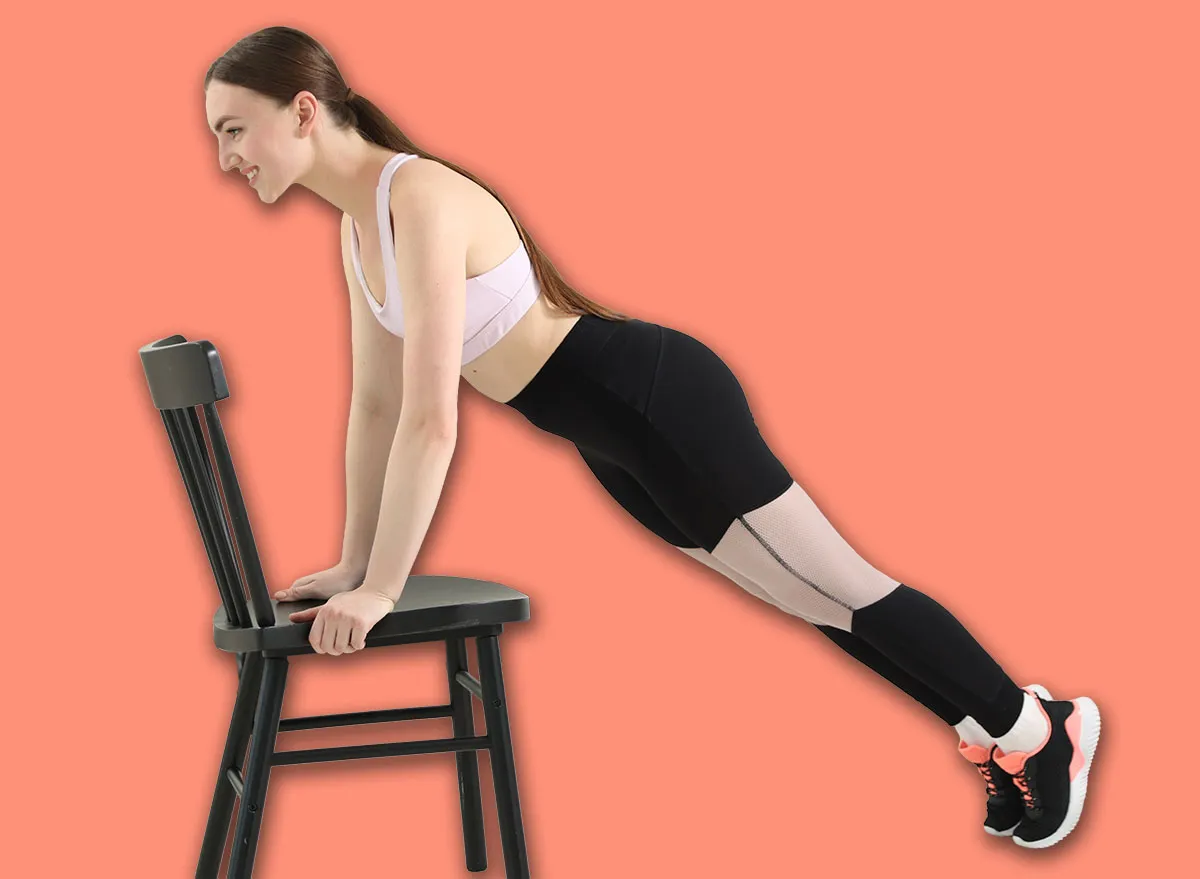
As we cross the threshold into our 60s and beyond, the physical landscape of our lives begins to shift. Muscle mass, particularly in the lower body, is no longer a given; it is a precious commodity that must be actively maintained. For many, the gradual decline in leg strength—clinically known as sarcopenia—leads to a subtle but significant loss of independence. Whether it is the hesitation before stepping off a curb, the struggle to rise from a deep sofa, or a newfound insecurity in one’s balance, the legs are the foundation upon which our daily autonomy rests.
However, the narrative that aging must inevitably lead to frailty is increasingly being challenged by modern exercise science. As a personal trainer with over 15 years of experience, I have observed that the most effective way to combat age-related muscle loss is not through high-impact, punishing gym sessions, but through consistent, intentional, and accessible movement.
The following guide details a science-backed, 12-minute chair routine designed specifically to rebuild lower-body strength, improve functional mobility, and restore confidence for those over 60.
The Physiology of Strength After 60
Understanding Muscle Loss and Recovery
Muscle loss does not occur overnight. It is a slow, cumulative process often exacerbated by sedentary habits or the subconscious avoidance of activities that "feel" difficult. When we stop challenging our muscles, the body—an incredibly efficient machine—begins to break down unused tissue to conserve energy.
The good news is that the human body remains remarkably plastic, even in later decades. Muscles respond to the same fundamental principles at 65 as they do at 25: controlled resistance, repeated tension, and a progressive increase in intensity. Chair-based exercises provide a "low-barrier-to-entry" solution. By providing a stable base, the chair removes the fear of falling or losing balance, allowing the trainee to focus entirely on the mind-muscle connection.
The 12-Minute Protocol: A Chronological Breakdown
This routine is structured to move from isolation exercises (targeting specific muscle groups) to compound movements (integrating multiple muscle groups). Each movement is performed for two minutes.
Minutes 1-2: Seated Leg Extensions
The quadriceps are the primary "engine" of the legs. They are responsible for knee extension, which is vital for walking, standing, and climbing. By performing these in a seated position, you bypass the heavy joint stress associated with standing weights while still achieving deep muscular contraction.
- The Technique: Sit tall, engage your core, and extend one leg until it is straight. Pause at the top for a two-second "squeeze." This pause is crucial; it forces the muscle to work under tension without the help of momentum. Slowly lower the leg back down. Alternate legs, focusing on a steady, rhythmic pace.
Minutes 3-4: Chair Sit-to-Stands
Often used by physical therapists as a clinical assessment of lower-body power, the sit-to-stand is the ultimate "functional" exercise. It mimics the mechanics of everyday life.
- The Technique: Start with feet hip-width apart. Lean your chest slightly forward, engage your glutes, and drive through your heels to stand. Do not use your hands unless absolutely necessary. Lower yourself back down with extreme control—taking three seconds to descend is significantly more effective than dropping into the chair.
Minutes 5-6: Seated Hamstring Curls
Many exercise programs over-emphasize the quadriceps, leading to muscular imbalances. The hamstrings are the "brakes" of the lower body, stabilizing the knee and allowing for fluid movement.
- The Technique: While seated, keep your thigh stable and pull your heel toward the underside of your chair. Imagine you are moving through water, creating your own resistance. This focus on the "pulling" motion strengthens the back of the legs, which is vital for walking stability.
Minutes 7-8: Seated Calf Raises
The calves are often referred to as the "second heart" because of their role in pumping blood back toward the torso, but their primary job is providing the spring in our step.
- The Technique: With your feet flat on the floor, lift your heels as high as possible, squeezing the calf muscles at the peak. Lower them slowly. This controlled tempo is essential for building endurance, which translates to better walking stamina.
Minutes 9-10: Seated Knee Drives
Hip strength is the silent casualty of a sedentary lifestyle. Weak hip flexors lead to "shuffling" gaits and an increased risk of tripping.
- The Technique: While sitting upright, lift one knee toward your chest, engaging the lower abdominal muscles. Alternate sides. By keeping your torso rigid, you force the hip flexors to do the work rather than using your back to compensate.
Minutes 11-12: Supported Squats
We finish with a standing movement to integrate the work of the previous ten minutes into a functional, standing pattern.
- The Technique: Stand behind your chair, holding the back for support. Lower into a shallow squat, keeping your weight in your heels. Use the chair only for balance, not for pulling yourself up. This final burst builds the coordination needed for real-world scenarios.
Supporting Data: Why Consistency Outweighs Intensity
Clinical studies consistently show that for adults over 60, the frequency of exercise is more predictive of success than the intensity. A meta-analysis published in the Journal of Aging and Physical Activity suggests that older adults who engage in low-to-moderate intensity resistance training at least three times per week show significant improvements in gait speed and balance within 12 weeks.
The "12-minute" constraint is not merely for convenience; it is designed to prevent the onset of extreme muscle soreness (DOMS), which often causes beginners to quit. By keeping the duration short and the focus on quality, you ensure that the central nervous system recovers quickly, allowing you to perform the routine again the next morning.
Implications for Longevity and Independence
The primary implication of this routine is the preservation of functional independence. When leg strength is maintained, the risk of falls—a leading cause of injury and subsequent decline in the elderly population—drops precipitously.
Furthermore, muscle tissue is metabolically active. By maintaining and building leg muscle, you are effectively boosting your metabolic rate, improving insulin sensitivity, and managing blood glucose levels. This is not just about "fitness" in the aesthetic sense; it is about metabolic health and the ability to remain mobile, active, and engaged with the world.
Professional Recommendations for Success
- Monitor Your Form: If a movement feels "off," stop. Use a mirror to ensure your knees are tracking over your toes and your back is straight.
- Gradual Progression: Start with no weight. Once the 12-minute routine becomes easy, you can incorporate light ankle weights or hold a small water bottle during the exercises to increase the load.
- The "Slow-Motion" Rule: If you find yourself swinging your limbs, you are going too fast. The most "productive" part of the exercise is the eccentric phase—the lowering of the weight or limb. Slowing this down is where the true strength gains occur.
- Listen to Your Body: Mild muscle fatigue is the goal. Sharp joint pain is the signal to stop. Always consult with your primary care physician before beginning any new exercise regimen, especially if you have a history of orthopedic issues or cardiovascular concerns.
By dedicating just 12 minutes to this routine, you are making a profound investment in your future. Strength is not just about what you can lift today; it is about ensuring that you can continue to walk, hike, travel, and live life on your own terms for decades to come.
