

Introduction: A Symphony of Seasonal Growth
As the vernal equinox transitions into the full flush of spring, the gardening community finds itself captivated once again by the evolving landscape of Dot Lenahan. Residing in the lush, temperate climate of Broomall, Pennsylvania—a prime location within USDA Hardiness Zone 7b—Lenahan has become a familiar and cherished figure among Garden Photo of the Day (GPOD) enthusiasts.
Her garden, which first captured the public eye only a few short years ago, serves as a masterclass in accelerated growth and strategic design. What began as a nascent project with just three years of cultivation has blossomed into a sophisticated, multi-layered ecosystem. Today, we delve into her latest horticultural triumphs, the challenges posed by local wildlife, and the deliberate color palette that defines her current spring aesthetic.
The Chronology of a Garden: From Early Roots to Lush Maturity
The Initial Years: Building the Foundation
When Dot Lenahan first introduced her Broomall garden to our readers, it was defined by its youthful vigor. Even at the three-year mark, the space exhibited a level of maturity that often takes decades to achieve. Her early submissions documented the trial-and-error process of establishing a foundation, focusing on roses and clematis as the primary structural elements. These initial efforts laid the groundwork for what has become a diverse and thriving perennial haven.
Mid-Growth Evolution: Expanding the Horizons
Following her debut, Lenahan did not rest on her laurels. She shifted her focus toward creating year-round interest, expanding her repertoire to include a wider variety of shrubs, groundcovers, and seasonal bloomers. Her previous features—including Roses and Clematis Save Spring and Summer Scenes in Dot’s Garden—highlighted her transition from a novice gardener to a sophisticated designer who understands the interplay of texture, height, and bloom time.
The Current Season: A Study in Serenity
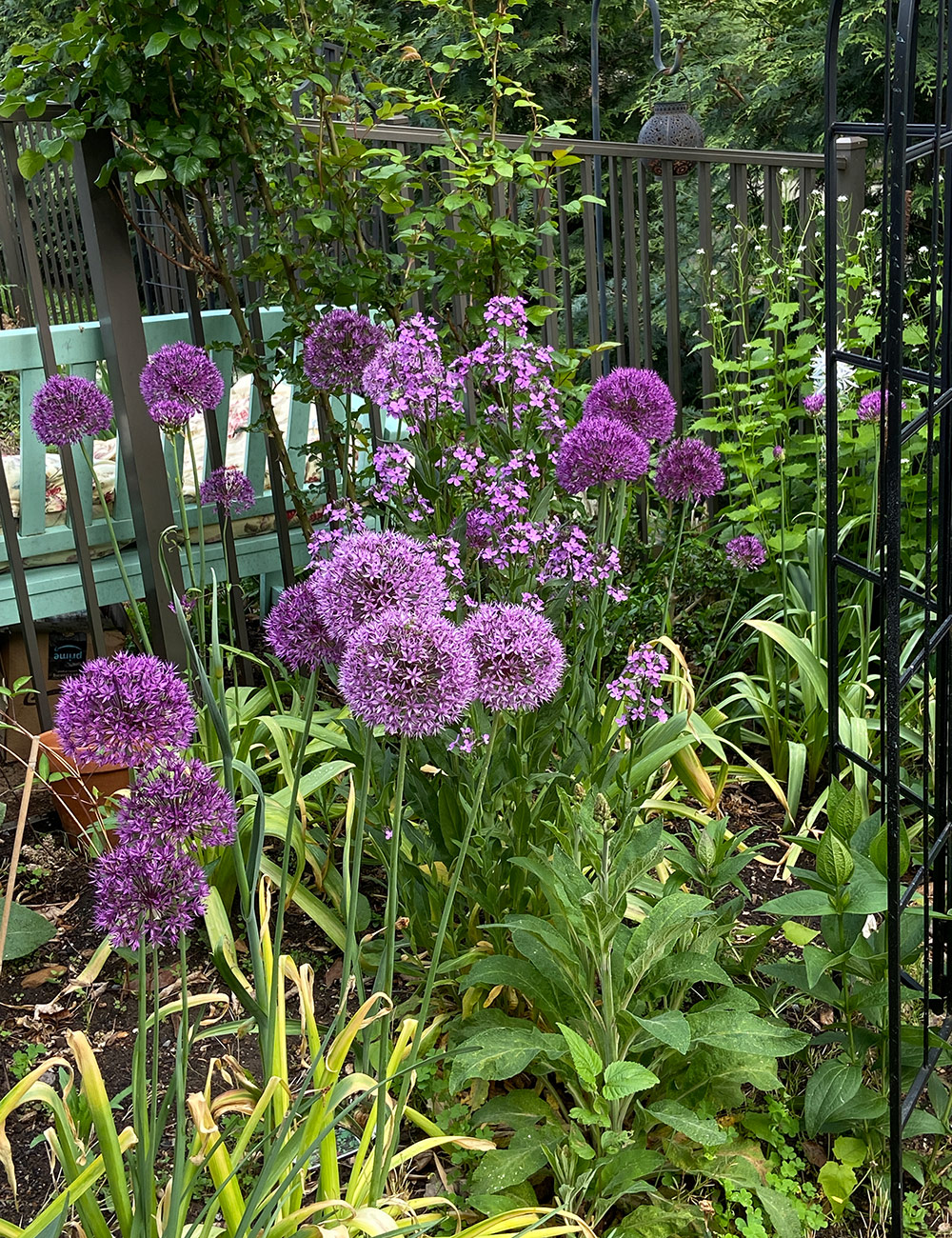
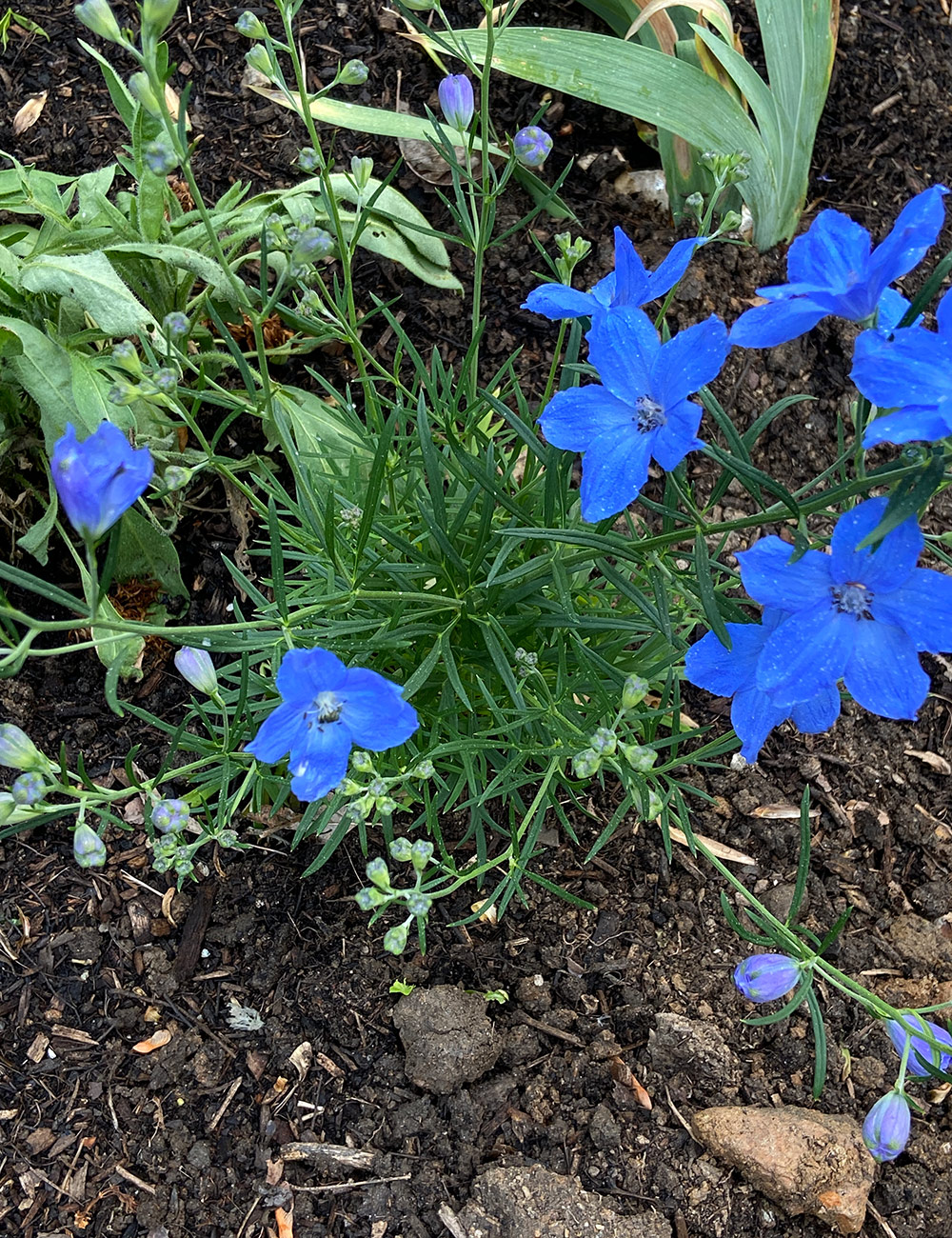
This year, the transition from winter to spring was particularly dramatic. Following an uncharacteristically long and snowy winter in Pennsylvania, the garden faced a period of dormancy that felt, to many, like a test of patience. However, the result has been a spectacular eruption of color. Lenahan has opted for a "serene" palette, leaning heavily into shades of deep purple, vibrant blue, and soft violet, creating a cohesive visual experience that calms the senses as the growing season shifts into high gear.
Supporting Data: The Flora and the Fauna
A Palette of Blues and Purples
The current aesthetic of the garden is anchored by several standout species that Lenahan has carefully curated.
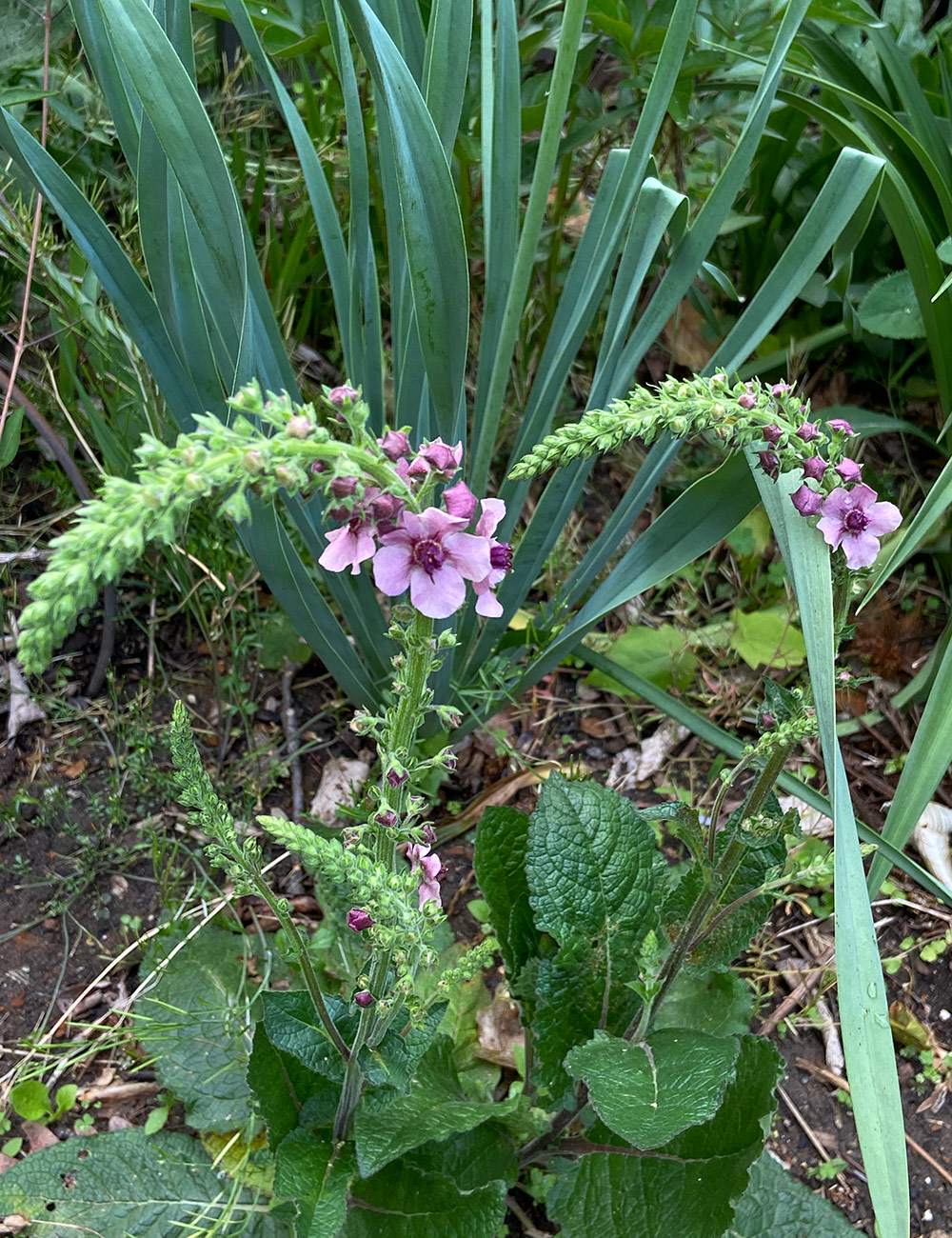
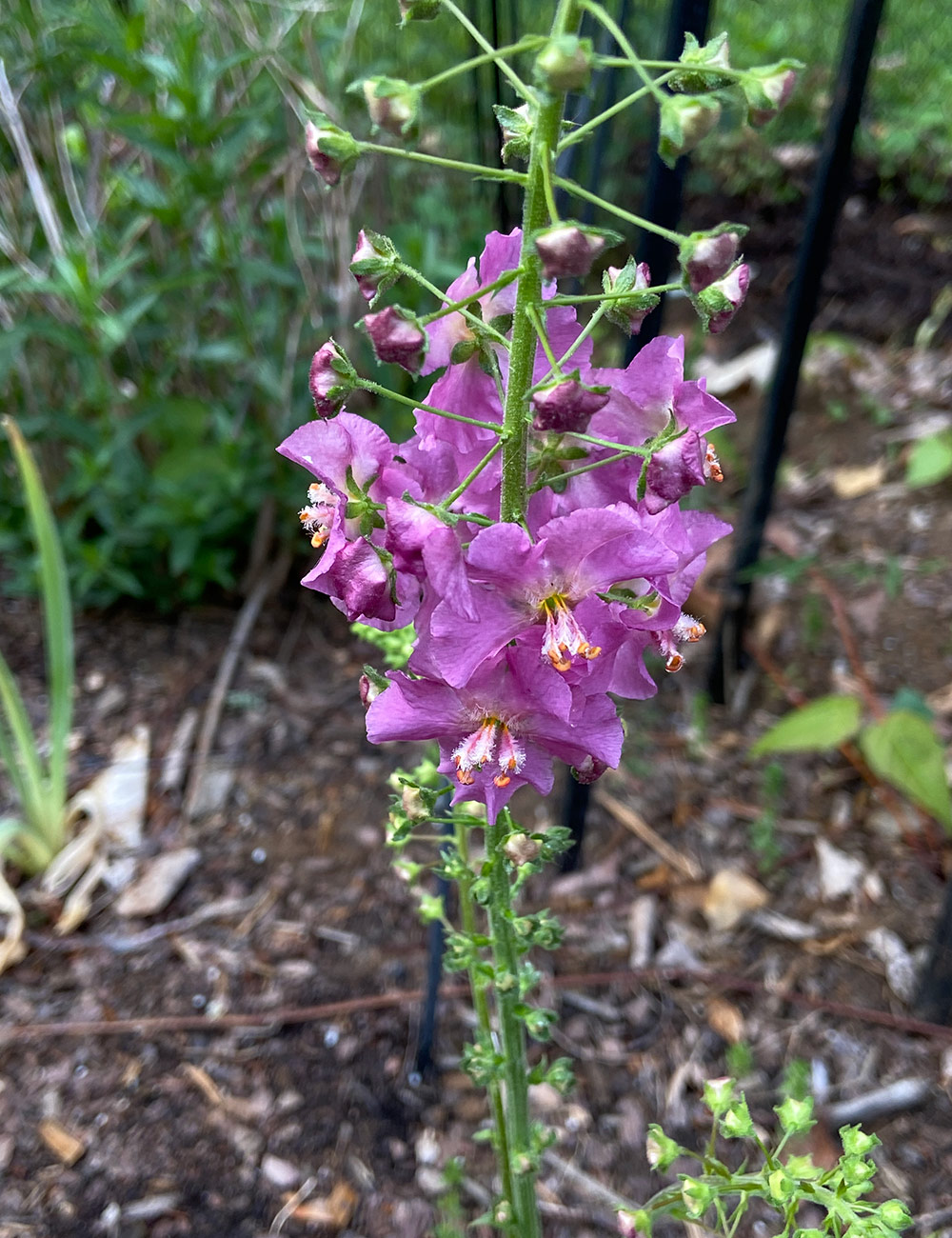
- Verbascum: A central focus in her latest submission, these striking plants provide height and architectural interest. Their arching habit adds a sense of movement to the garden beds.
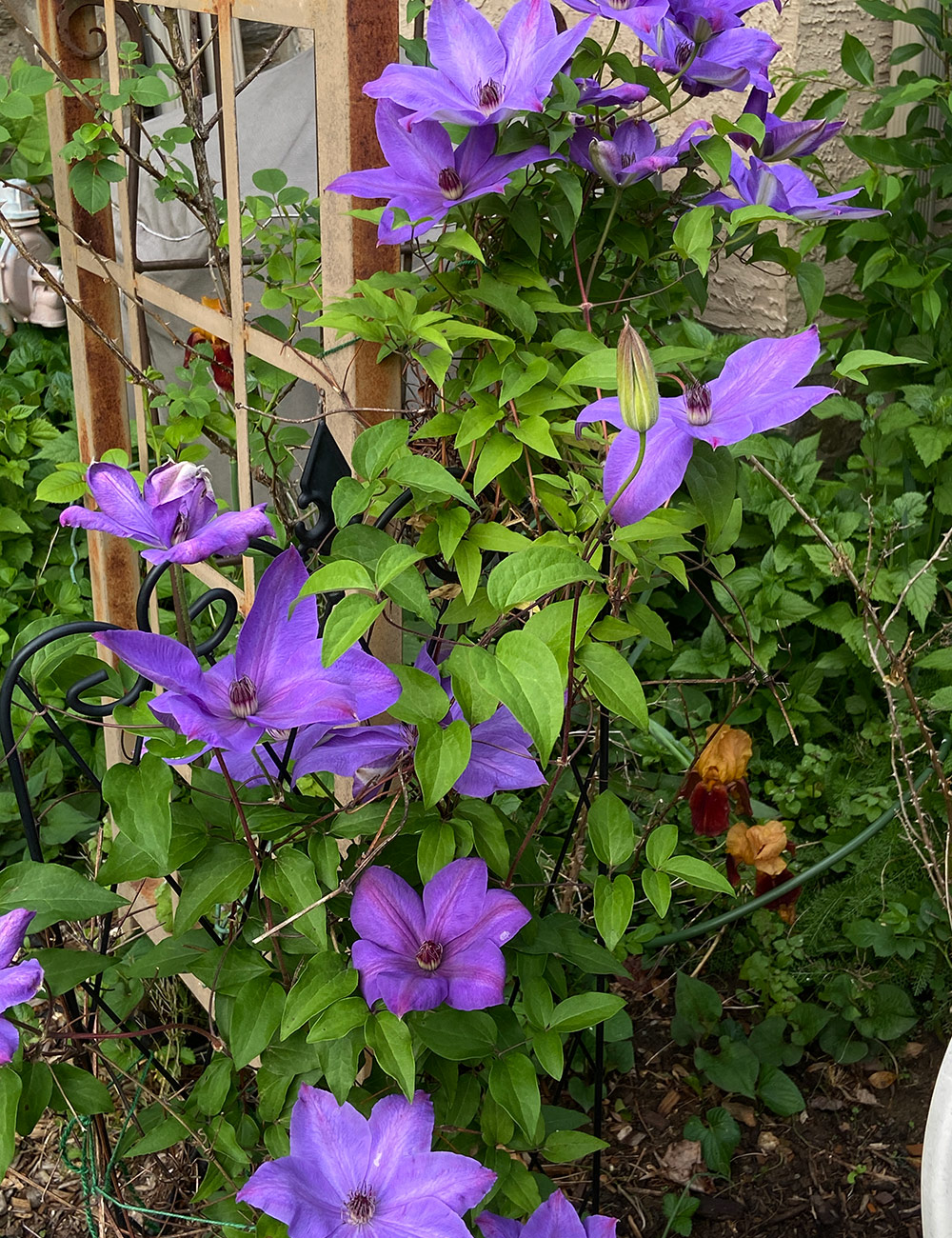
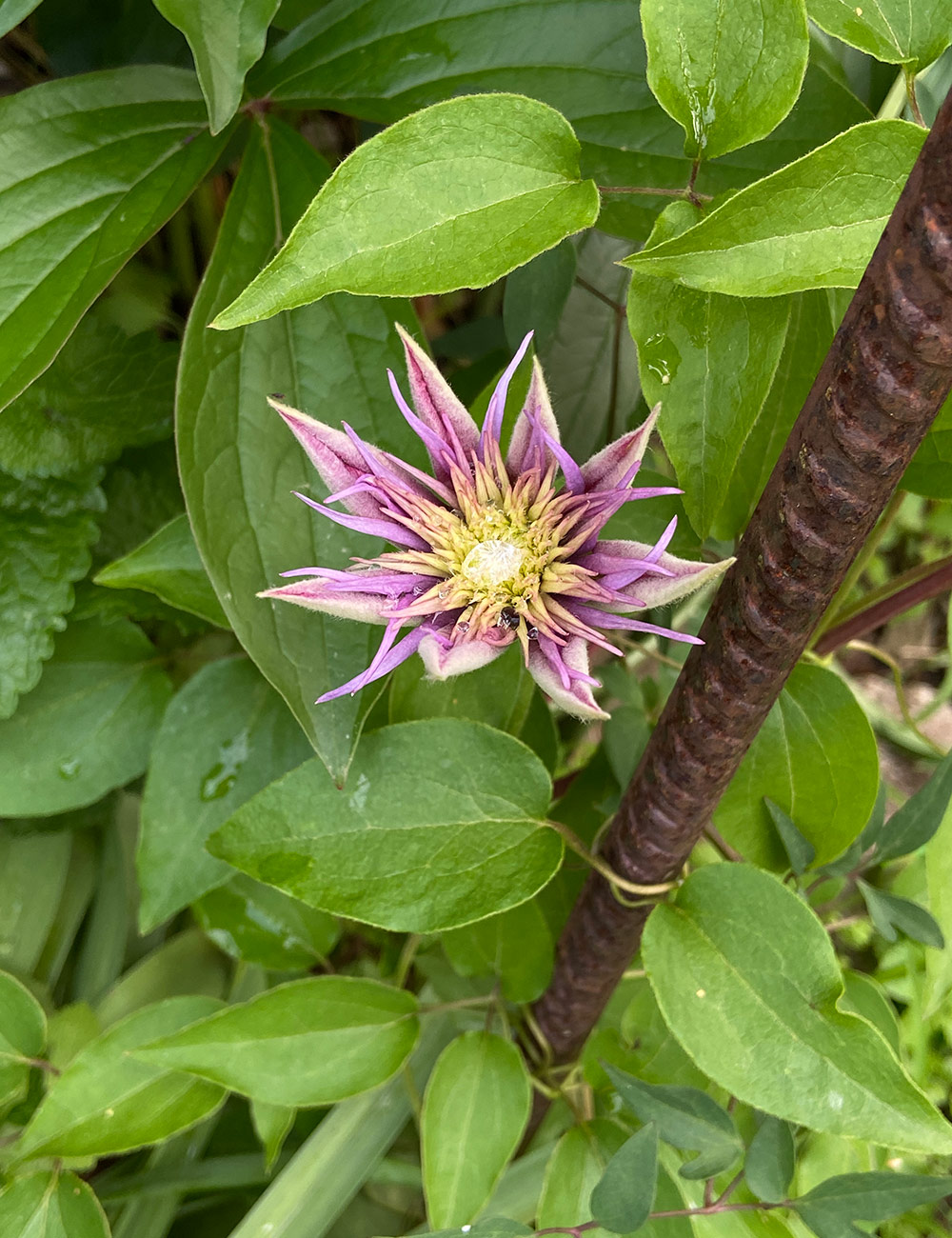
- Clematis: Perhaps the hallmark of her collection, the clematis are currently in a state of vibrant transition. Varieties like ‘Nelly Moser’ provide a masterclass in color, with their intricate, striped petals acting as focal points against the backdrop of lush foliage.
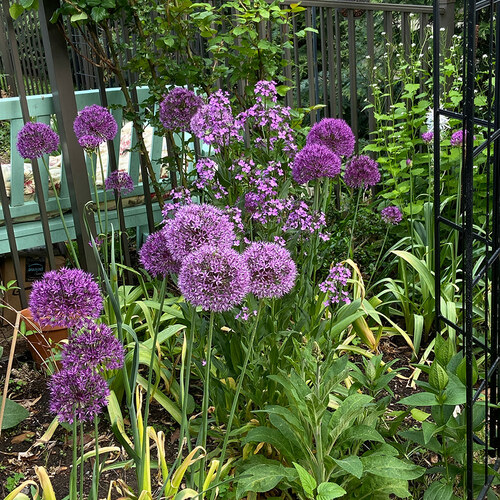
- Allium and Dames Rocket: These have been integrated into her newest "add-on" garden beds, serving as essential components of her late-spring composition.
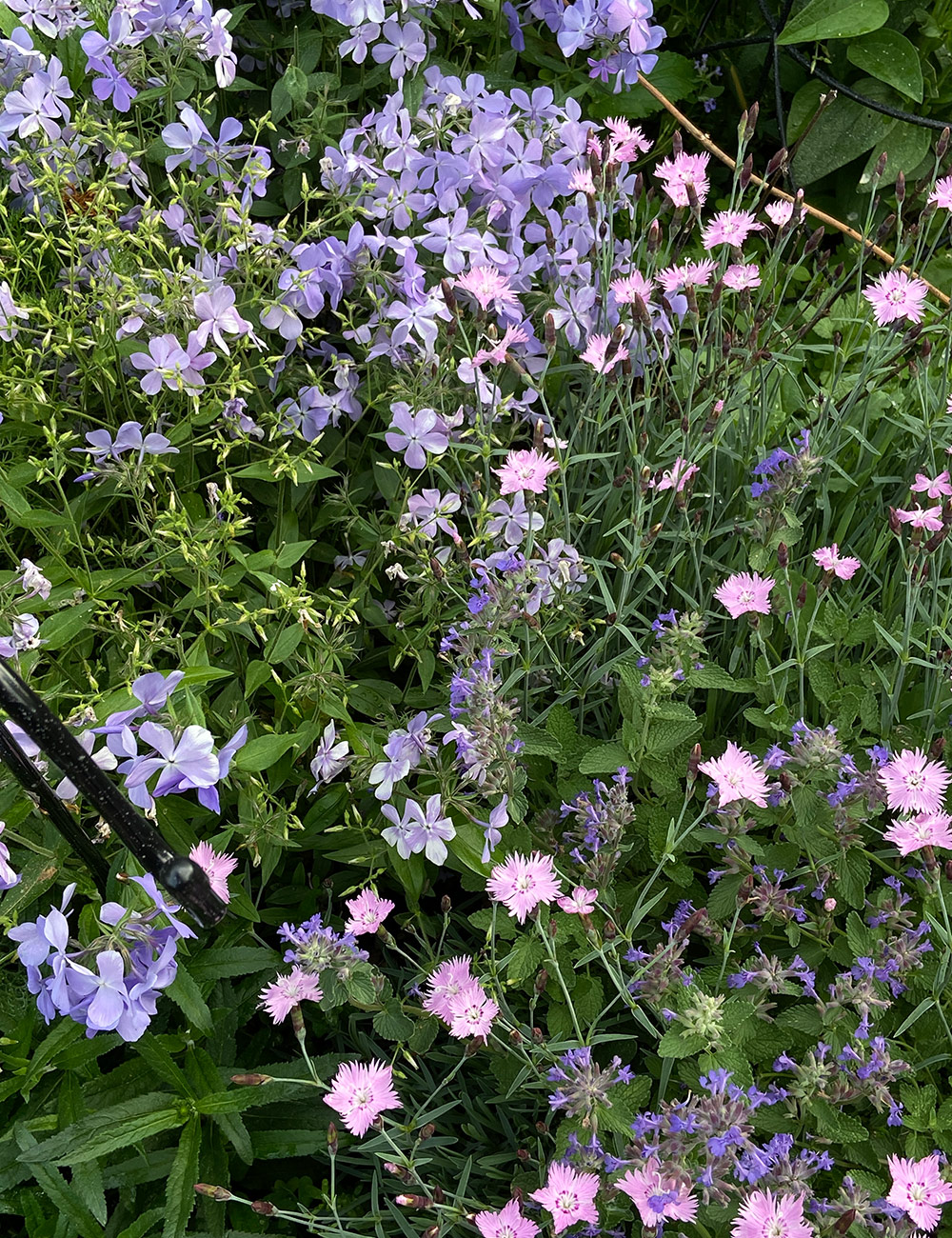
- Dianthus and Phlox: The ground-level layers are currently dominated by Dianthus gratianopolitanus—commonly known as ‘Bath’s Pink’—which brings a delicate fragrance and soft texture to the borders, effectively anchoring the more dramatic blooms above.
The Challenges of Wildlife Management
No garden exists in a vacuum, and Lenahan’s plot is no exception. Her efforts are currently pitted against the local fauna, which have shown a particular interest in her prized perennials.
- The Deer Factor: As is common in many suburban Pennsylvania landscapes, the pressure from deer browsing is a constant variable. Lenahan describes a consistent "patrolling" effort required to keep the deer from dismantling her hard work.
- The Rabbit Dilemma: The local rabbit population has proven to be a formidable adversary, having successfully consumed two rose bushes entirely down to the ground.
- The Guardian: In a move that blends functionality with companionship, her dog, Jack, has taken on the role of primary garden security. Jack’s daily patrols—specifically focused on deterring the rabbits—have become an integral part of the garden’s maintenance routine, highlighting the symbiotic relationship between pets and domestic landscapes.
Official Perspectives: The Gardener’s Vision
In a recent reflection on her process, Lenahan emphasized that gardening is an iterative, never-ending project. "I have been redoing many beds in addition to adding two new areas for perennials and cutting flowers," she noted. This sentiment underscores the philosophy that a garden is never truly "finished"; it is a living entity that requires constant adaptation.
The addition of specialized beds for "cutting flowers" signals a shift in her gardening goals. She is moving beyond purely ornamental, landscape-focused gardening toward a more utility-based approach, where the bounty of the garden can be brought indoors. This evolution marks a significant milestone in her development as a gardener, moving from merely observing nature to actively engaging with it for personal fulfillment.
Implications for the Home Gardener
Lessons in Resilience
Lenahan’s journey offers several key takeaways for those looking to replicate her success. First, the importance of patience following a harsh winter cannot be overstated. While the temptation to clear beds early is strong, allowing the garden to wake up at its own pace—as evidenced by her current blooms—is crucial for long-term health.
Design Strategies for Small Spaces
Her "add-on" garden technique is an excellent strategy for those with limited space. By creating specific zones for different plant types, she manages to increase the density of her garden without overwhelming the aesthetic. The use of a thematic color scheme—in her case, the cooling blues and purples—is a professional design tactic that creates visual unity, making even a small space feel expansive and intentional.
The Role of Technology and Community
The integration of photography into the gardening process is more than a hobby; it is a documentation tool. By capturing the evolution of her beds, Lenahan can track what performs well and where, allowing her to make data-driven decisions for the following season. Furthermore, sharing these images through platforms like Fine Gardening fosters a community of shared knowledge, where one gardener’s trial—such as dealing with deer or rabbit damage—becomes a lesson for the entire community.
Conclusion: The Path Forward
As Dot Lenahan continues to nurture her Pennsylvania sanctuary, her work remains a testament to the transformative power of gardening. It is a hobby that demands grit in the face of harsh winters and wildlife pressure, but rewards the patient practitioner with moments of unparalleled beauty.
Whether you are inspired to add a new clematis to your trellis or simply to take a moment this weekend to sit back and observe the shifting colors of your own landscape, the message from the Lenahan garden is clear: The effort is worth the bloom. As the season progresses, we look forward to seeing how her latest additions mature and how her "add-on" gardens continue to integrate into the existing tapestry of her yard.
For those inspired by Dot’s journey, remember that every great garden begins with a single, well-placed plant. Whether you are battling rabbits, designing for color, or simply trying to survive the winter, you are part of a larger community of growers. We invite you to share your own progress, your successes, and your hard-learned lessons with us, as we continue to document the beauty found in the Garden Photo of the Day.
Call to Action: Your Turn to Share
The Fine Gardening community thrives on the contributions of readers like you. If you have captured the magic of your own space—whether it is a sprawling perennial border, a meticulously curated container garden, or a humble vegetable patch—we want to see it.
How to Submit:
- The Digital Form: Use our official Garden Photo of the Day Submission Form to upload your images directly.
- Email Submissions: You can send 5–10 high-resolution photos to our editorial team at the address provided on our contact page. Please include a brief narrative:
- Your location (City/State/Zone).
- How long you have been cultivating your space.
- Any specific challenges you have overcome (like our friend Dot’s rabbit issue).
- Your favorite plant pairings or a "funny story" from the garden.
Stay tuned for more updates, and as always, happy gardening!
