

For generations, the "Sunday Dinner" was a sacrosanct ritual—a day marked by hours of labor in the kitchen, the slow simmer of a savory sauce, or the careful roasting of a turkey. It was a centerpiece of domestic life, designed to provide comfort and sustenance before the start of the new work week. However, in an era defined by fast-paced schedules and the increasing scarcity of free time, the traditional, multi-hour culinary preparation is becoming a luxury many cannot afford.
Yet, the craving for that specific brand of "cozy" sustenance remains. In response, the frozen food industry has undergone a quiet revolution. No longer relegated to the realm of bland, rubbery TV dinners, modern frozen meals have leveraged improved flash-freezing technology and culinary innovation to mimic the flavors, textures, and emotional resonance of a homemade feast. According to consumer sentiment and market trends, these seven frozen meals have risen to the top as the go-to choices for those seeking a Sunday-dinner experience without the Sunday-afternoon workload.
The Shift in Culinary Consumption: A Chronology of Convenience
To understand why these products are succeeding, one must look at the evolution of the freezer aisle.
The Mid-Century Origins (1950s–1970s): The frozen meal began as a triumph of industrial efficiency. The original "TV Dinner" was designed for function rather than flavor, catering to a society transitioning into the post-war industrial boom.
The Era of Culinary Stagnation (1980s–2000s): For several decades, frozen meals were synonymous with compromise. They were cheap and accessible, but rarely equated with quality. "Homemade" remained a distinct category that stood in opposition to anything found in the freezer section.
The Quality Renaissance (2010s–Present): A combination of rising food costs and a growing demographic of single-person households created a market demand for "premium convenience." Brands began to invest in better sourcing—real chunks of meat rather than processed patties, farm-to-table vegetables, and complex, herb-infused gravies. This era marked the rise of the "cozy" frozen meal, designed specifically to compete with the memory of a grandmother’s cooking.
The Top 7 Frozen Meals That Capture the "Sunday Dinner" Essence
Based on consistent consumer feedback and long-standing popularity, these seven options have established themselves as the benchmarks for at-home comfort food.
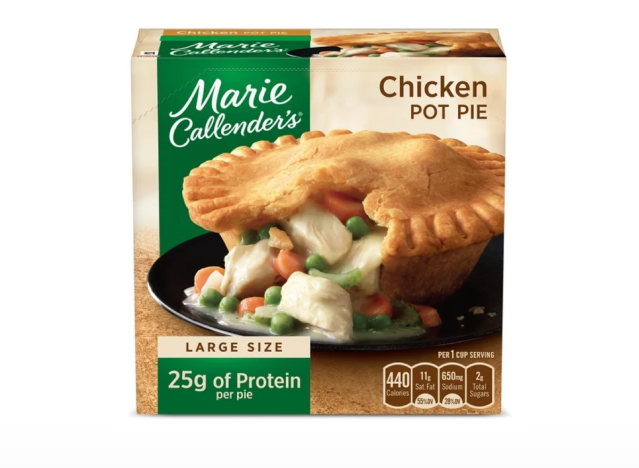
1. Marie Callender’s Chicken Pot Pie
Perhaps no item embodies the "cozy" aesthetic quite like the Marie Callender’s Chicken Pot Pie. Often cited as the gold standard in the category, it relies on a flaky, golden crust and a creamy, herb-forward filling that defies the typical sogginess associated with frozen pastries. Enthusiasts on platforms like Reddit consistently rank these as a "must-have" for busy weeknights, noting that the sheer consistency of the product—from the ratio of vegetables to chicken—mimics the experience of a pie pulled directly from a home oven.
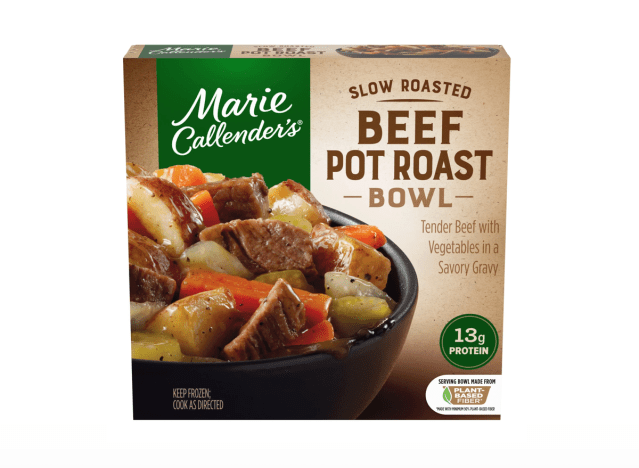
2. Marie Callender’s Beef Pot Roast
Moving from poultry to beef, the Marie Callender’s Beef Pot Roast Dinner serves as a masterclass in texture management. A frequent complaint regarding frozen beef is the tendency for the meat to become tough or the potatoes to turn to mush. However, shoppers consistently praise this meal for its fork-tender beef chunks and vegetables that retain a satisfying bite. By replicating the slow-cooked nature of a traditional pot roast, it satisfies the craving for a "heavy" Sunday meal.
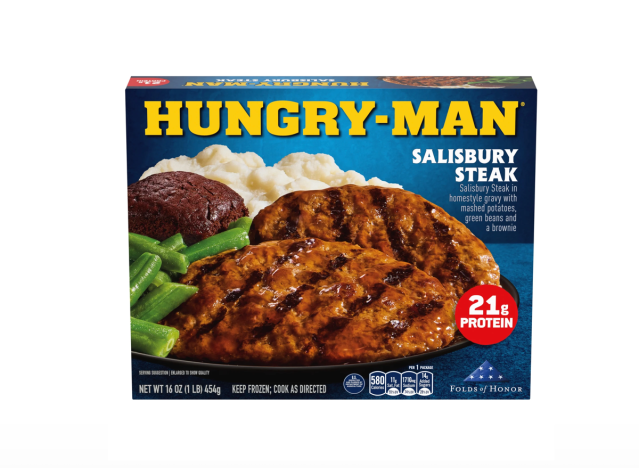
3. Hungry-Man Salisbury Steak
The Hungry-Man brand has long been the champion of the "hearty" portion. The Salisbury Steak dinner is a nostalgic anchor for many consumers. Featuring a robust beef patty smothered in a mushroom-and-onion gravy, it is accompanied by creamy mashed potatoes and green beans. The inclusion of a chocolate brownie—a hallmark of the classic TV dinner—completes the psychological profile of a Sunday feast. Its enduring appeal lies in the value-to-satiety ratio, making it a favorite for those who prioritize portion size and traditional flavor profiles.
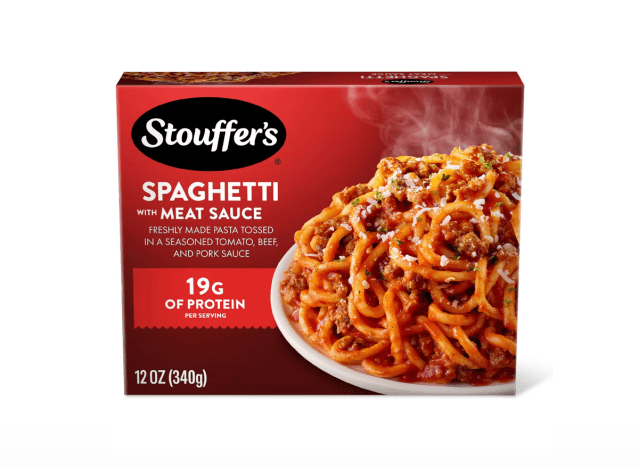
4. Stouffer’s Spaghetti With Meat Sauce
Italian-American households often view Sunday as the day for slow-cooked "gravy" (meat sauce). Stouffer’s has captured this demographic by focusing on the flavor profile of the sauce. Consumers frequently compare the taste to family recipes, citing the rich, savory depth of the meat sauce and the perfect al dente texture of the pasta. It serves as a testament to the fact that simple, classic recipes often outperform overly complex modern culinary experiments.
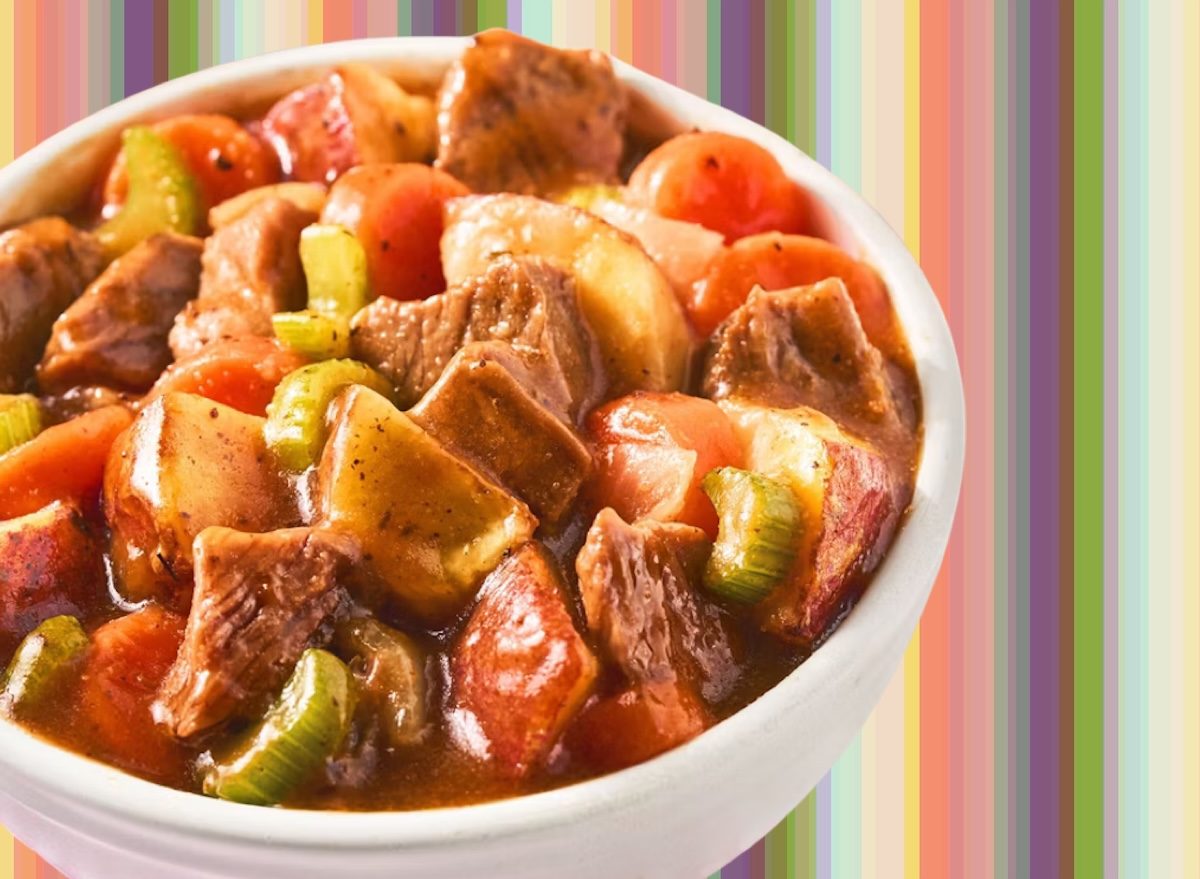
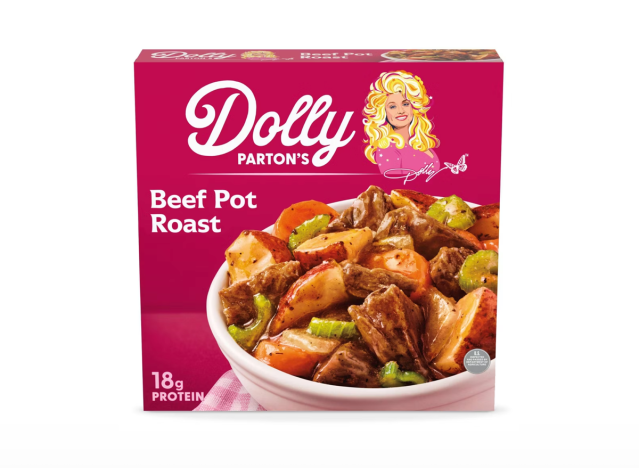
5. Dolly Parton’s Frozen Beef Pot Roast Meal
The entry of celebrity-branded food products has added a new layer of interest to the frozen aisle. Dolly Parton’s line, particularly the Beef Pot Roast, has gained significant traction for its Southern-inspired profile. By leaning into comfort-food staples—potatoes, celery, carrots, and tender beef—the meal delivers a cohesive "country kitchen" experience. Reviews highlight that the meat-to-vegetable ratio is generous, which is often a point of contention with budget-friendly frozen meals.
6. Stouffer’s Roast Turkey
For many, "Sunday dinner" is synonymous with a mini-Thanksgiving. Stouffer’s Roast Turkey meal provides the classic trinity: sliced turkey, savory stuffing, and mashed potatoes. While shoppers acknowledge that it lacks the artisanal quality of a restaurant meal, it is consistently lauded for its consistency. It fills the specific gap for a "homestyle" lunch or dinner that feels intentional rather than merely utilitarian.
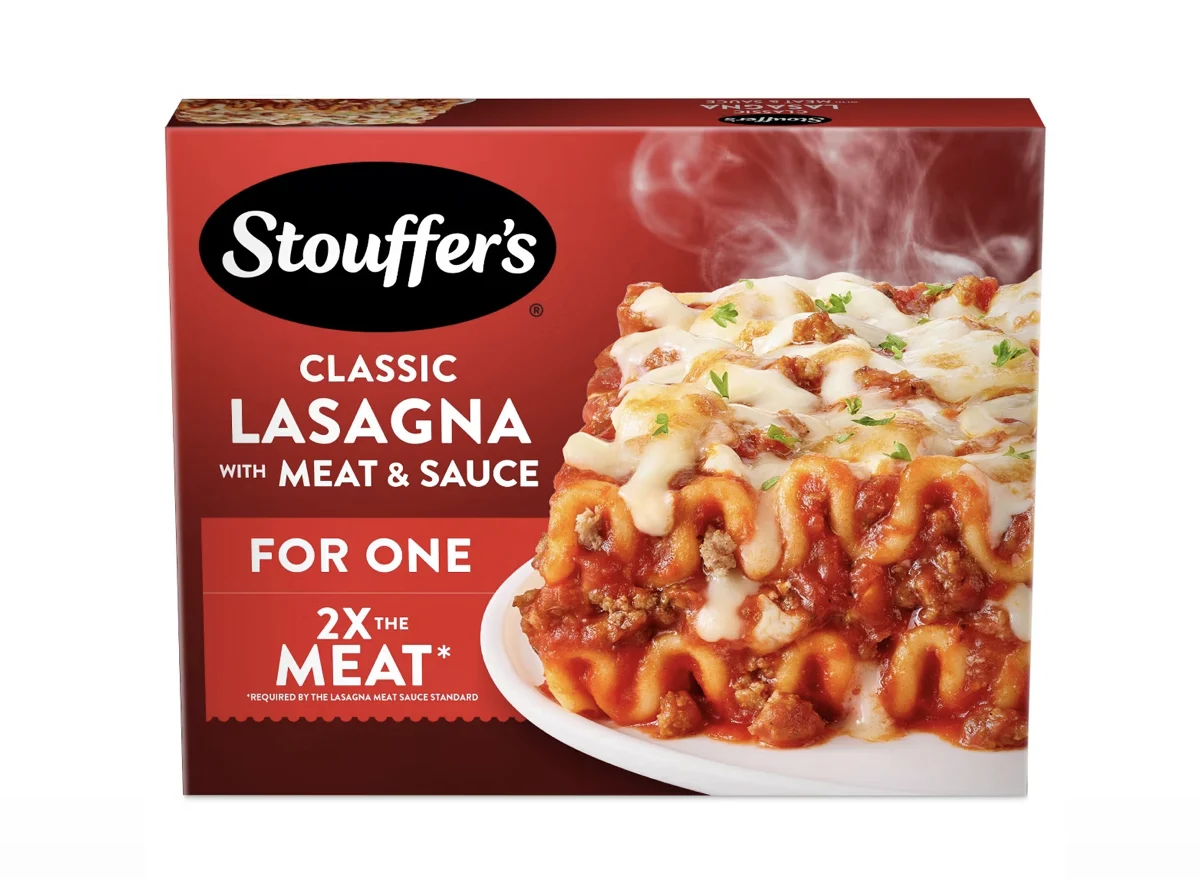
7. Stouffer’s Lasagna with Meat & Sauce
Lasagna is arguably the most labor-intensive of all comfort foods, requiring layering, simmering, and long baking times. Stouffer’s has successfully commodified this labor, providing a multi-layered experience that feels substantial. The combination of cheese, meat, and pasta makes it a "crowd-pleaser" that works as well for a single diner as it does for a small, impromptu gathering. Its ability to retain its structure after reheating is the primary reason it remains a top-tier choice for consumers.
Supporting Data: The Rise of the "Home-Meal Replacement"
Industry data suggests that the "Home-Meal Replacement" (HMR) sector is expected to grow significantly over the next five years. Market research indicates that consumers are no longer choosing frozen meals solely for price; they are choosing them for predictability.
In a volatile economy, the "Sunday dinner" represents a psychological safe harbor. When grocery prices fluctuate and the cost of dining out remains high, the frozen dinner provides a fixed-cost alternative that guarantees a specific sensory experience. Data from major retailers shows that "comfort food" categories see a 15–20% increase in sales during winter months and on Sunday evenings, confirming the link between the day of the week and the desire for "homey" food.
Official Industry Perspective: The Science of Freezing
Food scientists and industry representatives point to "Cryogenic Freezing" as the primary reason these meals have improved. By freezing food at extremely low temperatures almost instantly, companies prevent the formation of large ice crystals that traditionally destroyed the cellular structure of vegetables and meat. This process allows for the retention of moisture and flavor, which was previously impossible with standard industrial freezing.
Furthermore, manufacturers have invested in "modified atmosphere packaging" (MAP), which replaces the air in the tray with gases that prevent oxidation. This keeps the gravy from becoming rancid and the vegetables from losing their color, ensuring that the product looks and tastes as fresh as possible upon reheating.
Implications for the Future of Home Dining
The success of these products suggests a fundamental shift in how we define "cooking." If a frozen meal can provide the same nutritional satisfaction and emotional comfort as a dish prepared from scratch, the barrier between "cooking" and "heating" begins to blur.
However, there are implications for public health and culinary culture. While these meals are convenient, they are often processed and high in sodium. The challenge for the industry in the coming decade will be to maintain the "cozy" flavor profile—the salt, fat, and sugar that we associate with comfort—while meeting increasingly strict consumer demands for clean labels and lower sodium content.
Ultimately, the popularity of these seven meals proves that the desire for Sunday comfort is not going away. Whether it comes from a grandmother’s kitchen or a cardboard tray in the freezer, the ritual of sitting down to a hot, savory, and familiar meal remains a vital part of the human experience. As technology continues to improve, the gap between the freezer aisle and the Sunday dinner table will only continue to narrow, offering busy families a reliable way to keep the tradition of the comforting home-cooked meal alive.
