

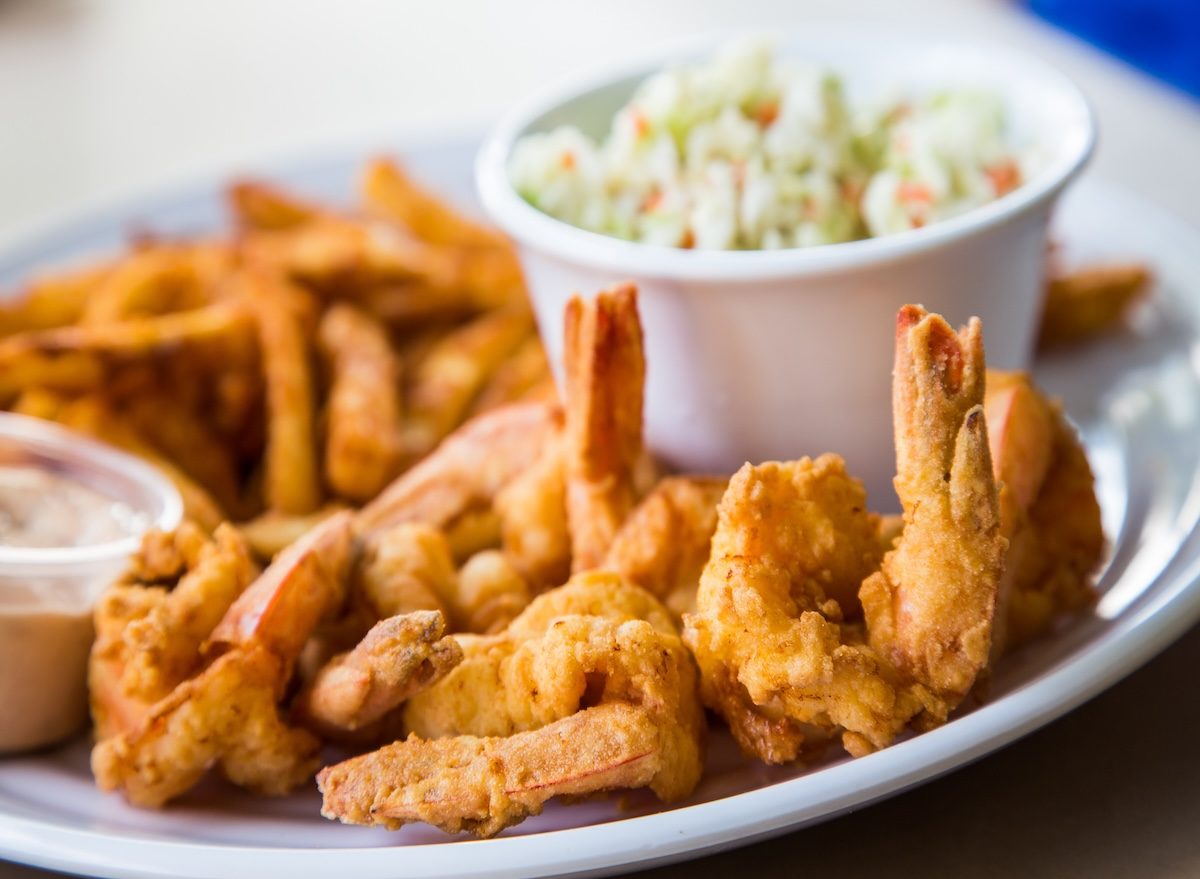
The marriage of crispy, succulent fried shrimp and cool, tangy coleslaw is more than just a menu staple—it is an American culinary institution. Across the country, from coastal boardwalks to midwestern roadside diners, this pairing serves as a barometer for a restaurant’s commitment to quality. While shrimp is ubiquitously available, achieving the perfect balance of a light, golden-brown crust, a tender interior, and a coleslaw that provides the necessary acidic crunch to cut through the richness of the fry is a craft that few have perfected.
As diners become increasingly discerning about the sourcing and preparation of their seafood, certain chains have risen above the noise, earning high praise for their consistency, flavor profiles, and overall guest experience. This article examines five restaurant chains that have set the benchmark for this classic seafood duo, exploring what makes their offerings a perennial favorite for seafood enthusiasts.
1. Islamorada Fish Company: A Taste of the Tropics
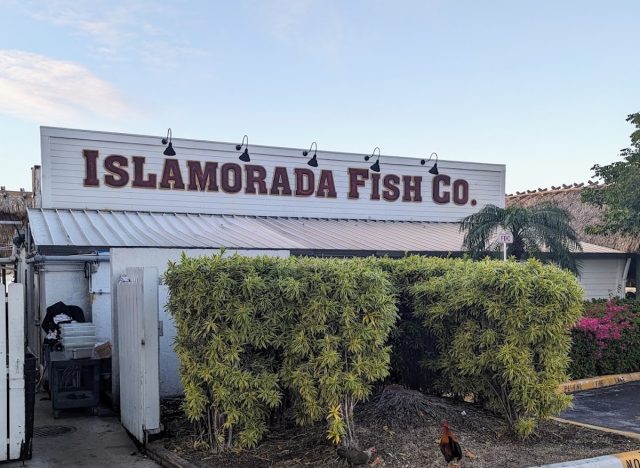
Named after the legendary Florida village, Islamorada Fish Company brings a sophisticated, nautical flair to the casual dining experience. Unlike standard seafood outlets, the brand emphasizes an atmosphere that transports diners to the coastline, regardless of their actual geographic location.
Culinary Approach
At Islamorada, the fried shrimp is treated with precision. The kitchen focuses on a batter that is light enough to preserve the integrity of the shrimp while providing a satisfying, audible crunch. When paired with their signature coleslaw—which balances creaminess with a distinct, vinegary tang—the dish creates a textural interplay that keeps customers returning.
Diner Sentiment
Recent reviews highlight the consistency of their frying technique. One diner noted, "The batter and seasoning are really good. This was the greatest experience, and I’ll definitely be back for more." Beyond the shrimp, the chain has earned a reputation for adventurous menu items, such as alligator bites, which suggests a kitchen that is confident in its ability to handle unconventional proteins with the same care as their seafood staples.
2. Pinchers: Coastal Authenticity in Every Bite
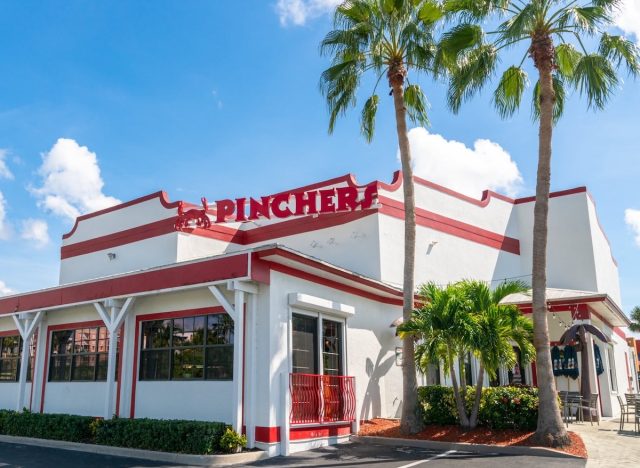
Pinchers has built its brand on a "you can’t fake fresh" philosophy. By focusing on the local catch and maintaining a direct relationship with regional suppliers, the chain has carved out a loyal following, particularly in Florida.
Menu Diversity
What separates Pinchers from its competitors is the sheer variety of ways they prepare their shrimp. Whether it is the classic golden-fried preparation, the texture-rich coconut shrimp, or the zest-forward "Boom Boom" shrimp, the kitchen understands that variety is the spice of life. Their coleslaw acts as the perfect palate cleanser, offering a crisp, fresh contrast to the heavier fried options.
The Atmosphere Factor
Dining at Pinchers is often described as an immersive experience. With many locations situated directly on marinas, the environment complements the menu. A patron remarked on their Cape Coral location, stating, "The seafood was incredibly fresh, the atmosphere right on the marina was awesome, and the service was fast and friendly." This combination of location and culinary execution creates a holistic dining memory that simple takeout cannot replicate.
3. Skippers Seafood & Chowder House: The Comfort Food Heavyweight
For those who prefer their seafood in a hearty, substantial portion, Skippers Seafood & Chowder House is widely regarded as a champion of the "seafood feast" format.
The "Skippers Platter" Legacy
The chain is best known for its comprehensive combo platters. The Skippers Platter, which includes a robust selection of fish, shrimp, clams, fries, coleslaw, and clam chowder, is often described by fans as a meal that can easily be shared, or a true challenge for a hungry diner.
Consistency as a Pillar
The appeal of Skippers lies in its reliability. In an era where food quality can vary wildly between chain locations, Skippers has maintained a reputation for serving items that are "cooked fresh and delicious." This consistency, paired with the nostalgic appeal of a traditional chowder house, ensures the chain remains a staple for families and seafood traditionalists alike.
4. Culver’s: The Fast-Food Anomaly
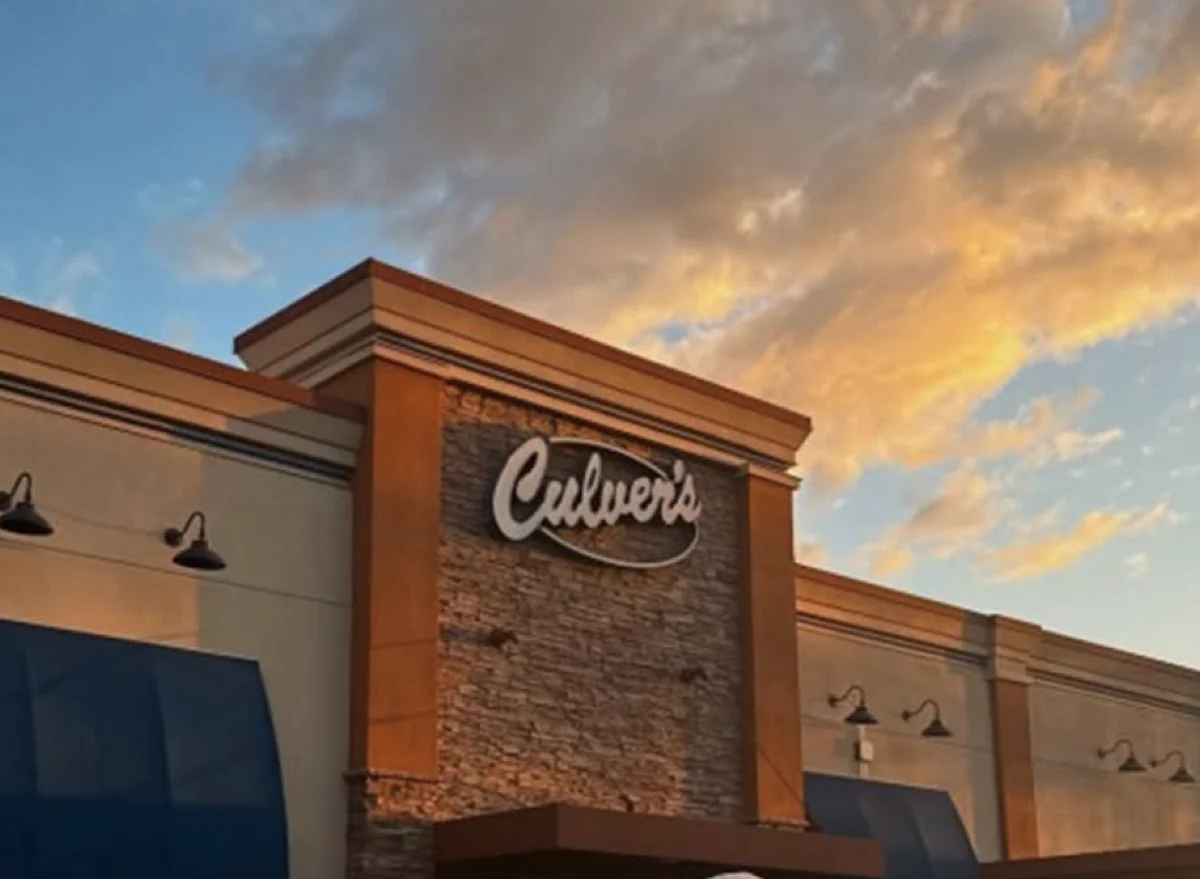
It is rare for a quick-service restaurant to earn a spot alongside sit-down seafood specialists, but Culver’s has managed to do just that with its Butterfly Jumbo Shrimp.
Overcoming the Fast-Food Stigma
The primary hurdle for any fast-food chain serving seafood is the perception of quality. Culver’s dismantles this by focusing on the "Butterfly Jumbo" cut, which provides a better shrimp-to-batter ratio than the typical popcorn shrimp found at most competitors.
The Value Basket Experience
By integrating their seafood offerings into a "Value Basket" format, Culver’s makes the classic shrimp-and-slaw combo accessible and affordable. Diner feedback is consistently surprised by the quality, with one patron noting, "The shrimp were pretty good considering it’s ‘fast food,’ and the slaw was great! I’ve had the shrimp before too and was quite impressed." This ability to deliver a restaurant-quality item at a fast-food price point has solidified Culver’s as a go-to for many.
5. DJ’s Clam Shack: The Key West Standard
DJ’s Clam Shack represents the pinnacle of the "shack-style" seafood experience. By focusing on high-volume, high-quality preparation, they have translated the spirit of a Florida island eatery into a scalable model.
Signature Techniques
The golden fried shrimp at DJ’s is legendary for its color and crispness—a result of precise oil temperature control and a proprietary breading blend. Their coleslaw is often cited by regulars as the "perfect win," providing a sharp, acidic bite that cuts through the savory nature of the fried proteins.
Customer Loyalty and Social Proof
The brand thrives on word-of-mouth. Reviews frequently mention the "perfectly golden, brown, and delicious" nature of the shrimp, alongside other favorites like their fish tacos. The ability to maintain such high praise in a competitive tourist market like Key West speaks volumes about the chain’s operational excellence.
Chronology of the Fried Shrimp Phenomenon
The popularity of the fried shrimp and coleslaw combo is not a recent development. Historically, shrimp became a staple of American dining in the mid-20th century as freezing technology improved, allowing for the transport of fresh-caught shrimp to inland locations.
- 1950s-1970s: The rise of the suburban family restaurant saw the "seafood platter" become a Friday night tradition.
- 1980s-1990s: Casual dining chains began to standardize the fried shrimp recipe, focusing on "butterfly" cuts to maximize the perceived size and value of the meal.
- 2000s-Present: A focus on sourcing and sustainability has forced chains to innovate. The current trend focuses on "fresh-frozen" quality, where shrimp are flash-frozen immediately upon catch to retain texture.
Supporting Data: What Makes a Winning Dish?
According to industry research on consumer preferences in the casual seafood sector, three factors dictate whether a customer returns for a second visit:
- Batter Adhesion: The batter must remain attached to the shrimp. If the crust separates, it indicates improper frying temperature or poor preparation.
- Slaw Moisture: Coleslaw should never be "watery." The best chains use a tightly shredded cabbage base that holds the dressing without becoming soggy.
- Temperature Differential: The best dining experiences occur when the shrimp is piping hot and the slaw is served chilled. This sensory contrast is the hallmark of a high-quality meal.
Official Responses and Industry Implications
Industry analysts suggest that the rise of these specific chains is a response to a shift in consumer behavior. Modern diners are increasingly wary of "generic" seafood. Chains that emphasize specific preparation styles—such as the "butterfly" cut at Culver’s or the "marina-side" experience at Pinchers—are finding greater success.
In response to these trends, many chains are now conducting "audits of the plate," where they evaluate the synergy between side dishes and main proteins. The coleslaw, once considered an afterthought or a "filler" item, is being reformulated by many R&D teams to feature bolder flavors, such as apple cider vinegar, celery seed, or even spicy jalapeño, to better complement the fried shrimp.
Implications for the Future
The success of these five chains suggests that the future of the American seafood market lies in "accessible premiumization." Customers are willing to pay for high-quality, sustainably sourced shrimp, provided the presentation matches the price.
As we look toward the next decade, we can expect to see:
- Increased Transparency: Chains will likely highlight the origin of their shrimp (e.g., Gulf-caught vs. imported) as a competitive advantage.
- Customization: More restaurants will offer "build-your-own" baskets, allowing diners to choose their breading, spice level, and slaw variety.
- Technological Integration: The use of advanced frying technology, such as automated oil filtration and precision timers, will help ensure that the "perfect" shrimp becomes the industry standard rather than the exception.
Ultimately, whether it is enjoyed at a high-end marina in Florida or a local quick-service window in the Midwest, the fried shrimp and coleslaw combo remains a testament to the power of simplicity. When executed with care, it is a meal that bridges the gap between comfort and culinary excellence.
