

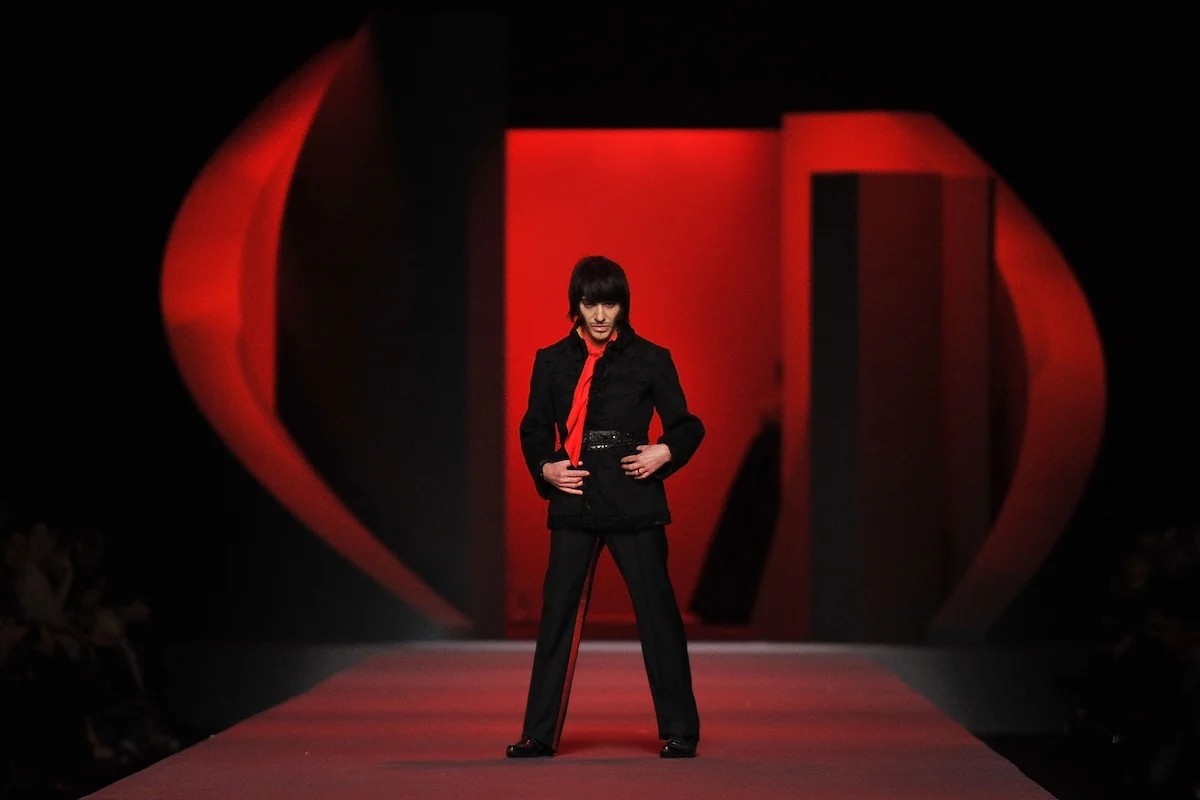
The Metropolitan Museum of Art’s Costume Institute has long served as the apex of fashion’s cultural canon. However, the announcement that the museum’s 2027 spring exhibition will focus on the storied, yet deeply controversial, career of British designer John Galliano has triggered a complex debate regarding the intersection of artistic genius and moral culpability. Before formalizing the exhibition—a move that marks only the third time a living designer has been the subject of such an honor—the museum engaged in a series of delicate, high-level diplomatic consultations with prominent Jewish leaders to address the designer’s troubled past.
The Nexus of Genius and Controversy: The Core Facts
John Galliano, once the darling of the Parisian couture establishment and the creative visionary behind Dior, saw his career implode in 2011 following a public, alcohol-fueled antisemitic tirade in a Paris café. The incident, captured on video, resulted in his immediate termination from Dior and a years-long exile from the industry’s inner circle.
The Metropolitan Museum of Art, under the guidance of Andrew Bolton, the Costume Institute’s curator in charge, and with the significant backing of Anna Wintour, Vogue’s global editorial director and a long-standing Met trustee, has decided to confront this history head-on. Rather than ignoring the 2011 outburst, the museum opted for an unprecedented approach: institutional transparency through interfaith dialogue. By inviting leaders from the Anti-Defamation League (ADL) and major New York synagogues to deliberate on the exhibition, the Met signaled that this would not be a standard retrospective, but an examination of a complex human narrative.
A Chronology of Redemption and Reckoning
To understand the weight of this upcoming exhibition, one must view it through the lens of Galliano’s trajectory over the last fifteen years.
- 2011: The Downfall. Galliano is recorded making horrific antisemitic remarks at a café in the Le Marais district of Paris. The global outcry is immediate. He is fired from Christian Dior, and his namesake brand is effectively shuttered.
- 2011–2013: The Period of Exile. Galliano enters rehabilitation and begins a quiet, intensive process of personal reflection. He studies the history of antisemitism and engages with those he offended.
- 2014: The Return. Maison Margiela appoints Galliano as its creative director. The appointment is met with cautious skepticism, but his work is widely praised as a return to his avant-garde roots, albeit with a new, more somber intellectual rigor.
- 2015–2024: Continued Excellence. Galliano re-establishes his reputation as a master of construction, storytelling, and theater. His work at Margiela is widely regarded as some of the most technically accomplished in contemporary fashion.
- 2026: The Met Announcement. Following months of private consultations, the Metropolitan Museum of Art confirms the 2027 exhibition.
- May 2027: The Scheduled Opening. The exhibition is set to debut at the Met, with plans for a rare international tour to follow.
Supporting Data: The Case for Institutional Diplomacy
The decision to hold these meetings highlights a shift in how cultural institutions manage the "cancel culture" era. The Met did not approach this lightly; the involvement of Jonathan Greenblatt, CEO of the ADL, and Rabbi Rick Jacobs, president of the Union for Reform Judaism, underscores the gravity of the institutional concern.
These meetings were not merely performative. According to reports, they involved direct, unscripted dialogues with Galliano himself. The goal was to determine whether the designer had undergone a genuine transformation or if his public apologies were merely tactical maneuvers for professional rehabilitation. The feedback from these leaders suggests a consensus that Galliano’s efforts to atone have been sustained and sincere.
Official Responses and Perspectives
The responses from those involved in the meetings provide a roadmap for how the public might view the 2027 exhibition.
The Perspective of the Jewish Community
Rabbi Rick Jacobs, who participated in a pivotal meeting in May, provided a nuanced assessment of the designer’s evolution. "The word I come back to is ‘sincerity,’" Jacobs noted. "He was open. He looked right at us and spoke in a clear way, not as if he had memorized talking points." This endorsement from a major religious leader is a critical component of the museum’s strategy to mitigate potential backlash.
Jonathan Greenblatt of the ADL echoed this sentiment, emphasizing the importance of forgiveness when genuine effort is displayed. "We believe John Galliano has genuinely worked through the issues that led to his antisemitic outburst years ago in Paris, and we have long since accepted his apology," Greenblatt stated. "His efforts to repair the damage his words caused and to learn from that incident should be applauded."
The Curator’s Philosophy
Andrew Bolton, the architect of the Costume Institute’s most successful exhibitions, has framed the show as an opportunity for critical inquiry. Bolton’s philosophy rests on the idea that art and ethics are not mutually exclusive, but rather exist in a state of tension.
"I completely understand why the timing might feel particularly difficult now, given the alarming rise of hate, but I do feel it makes the current questions more urgent—not less," Bolton remarked. "For me, the larger question is not whether artistic behavior excuses transgression, but how to hold artistic achievement and ethical accountability together without allowing one to erase the other."
Implications for the Future of Fashion and Museums
The 2027 exhibition will be only the third time a living designer has been granted this platform, placing Galliano in the company of Yves Saint Laurent and Rei Kawakubo. This sets a high bar for the exhibition’s content and tone.
The "Orientation Gallery"
Bolton has confirmed that the exhibition will open with an "orientation gallery" explicitly addressing the 2011 incident. This is a bold curatorial choice. Rather than burying the controversy, the museum intends to place it at the threshold of the viewer’s experience. This space will likely contextualize the designer’s life, his failures, and his journey toward atonement, thereby forcing the visitor to confront the moral complexity of the artist before they even see the garments.
The Risk of Global Touring
The implications extend beyond the walls of the Met. The museum intends to tour the exhibition globally, a rare honor that introduces new variables. As Vanessa Friedman of the New York Times noted, the leadership of other institutions will be monitoring the reception at the Met with extreme caution. If the exhibition succeeds in sparking a conversation about redemption rather than igniting a protest against the museum, it could set a new standard for how cultural institutions handle the "thorny" legacies of their subjects.
The Broader Cultural Context
The rise of antisemitism and political polarization in 2026 and 2027 creates a volatile climate for such a high-profile show. The Met is essentially betting that the public is ready to embrace a more mature, forgiving, and nuanced understanding of human fallibility. If successful, the exhibition could serve as a model for "ethical curation," where the institution takes responsibility for the narrative it presents, rather than simply acting as a passive repository for aesthetic objects.
Conclusion: A Test of Institutional Resolve
The John Galliano exhibition at the Metropolitan Museum of Art is destined to be more than a display of couture. It will be a litmus test for the cultural elite and the broader public alike. Can we separate the work from the man? Or, more importantly, can we acknowledge the man’s moral failings while simultaneously celebrating his contribution to the history of art?
The Met’s decision to engage in diplomatic dialogue before announcing the show reflects an awareness that their reputation—and the reputation of the designer—are intertwined. By centering the conversation on accountability, the museum has moved the discourse from "canceling" a figure to "understanding" a human life in all its complexity. Whether this gamble pays off remains to be seen, but one thing is certain: when the doors open in May 2027, the world will be watching not just the fashion, but the moral framework that allows it to exist on such a pedestal.
