

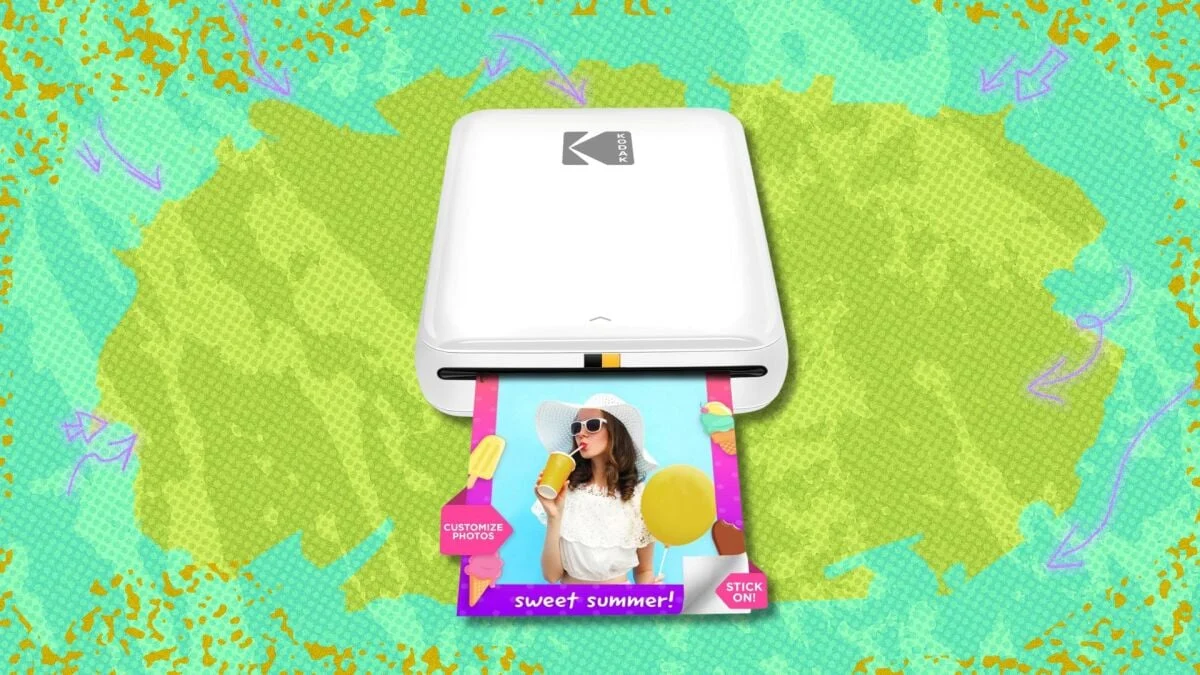
In the era of the smartphone, our digital photo galleries have become expansive, sprawling archives of our lives. We capture thousands of high-resolution images, yet these memories often remain trapped behind glass screens, buried under an endless scroll of newer content. There is a distinct, nostalgic shift occurring in consumer behavior—a renewed appreciation for the tactile nature of physical media. Bridging the gap between the modern convenience of digital photography and the classic charm of a printed photograph, the Kodak Step Instant Smartphone Photo Printer has emerged as a must-have gadget. As of July 17, consumers have a prime opportunity to acquire this device, with Amazon offering the white model at a significant discount of $67.99—a $12 reduction from its standard $79.99 retail price.
Main Facts: The Intersection of Portability and Nostalgia
The Kodak Step Instant Smartphone Photo Printer is engineered for the modern social user who values spontaneity. Measuring less than a pound and designed with a sleek, compact aesthetic, it is specifically built for portability. Whether you are traveling, attending a music festival, or hosting a summer gathering, the device is designed to slide effortlessly into a backpack or tote bag.
The technical specifications are equally impressive for its class. The printer utilizes Bluetooth connectivity, ensuring that it remains compatible with almost any modern iOS or Android smartphone without the need for cumbersome cables or complex networking configurations. By utilizing ZINK (Zero Ink) technology, the printer produces 2×3-inch photos that are not only vibrant but also feature a sticky-backed adhesive, allowing users to transform their digital captures into physical decor, journal entries, or personalized gifts.
Chronology: The Evolution of Instant Printing
The resurgence of instant photography is a trend that has been building for nearly a decade. While the early 2010s were dominated by the rise of social media platforms like Instagram, the mid-2010s saw a distinct pivot toward "analog" tech.
- 2015–2017: The market saw a massive resurgence in instant film cameras, led primarily by legacy brands reintroducing their hardware to a new generation of Gen Z and Millennial consumers.
- 2018–2020: As smartphone camera technology improved exponentially, consumers began demanding a way to print high-quality photos directly from their phones rather than carrying a separate film camera.
- 2021–Present: The Kodak Step series entered the market as a refined, user-friendly solution to this demand. Unlike older, bulky portable printers that required expensive ink cartridges, the Step series leveraged the efficiency of thermal printing technology, cementing its place as a staple in the "creator economy" toolkit.
The current price drop, effective as of mid-July 2024, is indicative of a broader strategy by retailers to capture the summer "travel and memories" market. With the summer season in full swing, demand for portable, experience-based tech accessories typically peaks, prompting these periodic promotional windows.
Supporting Data: Why Consumers Are Choosing the "Step"
The success of the Kodak Step printer is not merely based on branding; it is rooted in its functional integration with existing software ecosystems. The dedicated Kodak app is a critical component of the user experience. By allowing users to apply filters, borders, and stickers, the app transforms the device from a mere hardware peripheral into a creative hub.
From a battery efficiency standpoint, the unit is equipped with a high-capacity, rechargeable Lithium-ion battery. Testing suggests that users can print approximately 25 photos on a single charge. For the average user on a day trip, this capacity is more than sufficient to document an entire excursion without needing to tether the device to a power bank.
Furthermore, the "sticky-backed" feature of the paper addresses a specific market demand: the rise of "bullet journaling" and scrapbooking. These hobbies have seen a massive uptick in popularity, and the ability to print a photo directly from a phone and adhere it to a physical page without the need for glues or tapes has positioned the Kodak Step as an essential tool for the journaling community.
Official Responses and Industry Perspectives
Industry analysts have noted that while digital storage is infinite, it is often "ephemeral." When a service shuts down or a cloud account is compromised, digital collections can be at risk. Companies like Kodak have leaned into the "Physical Ownership" narrative, arguing that a printed photo provides a sense of permanence that digital files simply cannot replicate.
"The desire to hold a memory is a fundamental human trait that technology hasn’t been able to replace," says one tech retail analyst. "By lowering the barrier to entry with a sub-$70 price point, brands like Kodak are making physical photography accessible to the very demographic that grew up with only digital images."
While Kodak has not issued a formal press release regarding this specific Amazon promotion, the frequency of these sales suggests a coordinated effort to maintain market share against competitors such as Canon and HP, both of which offer similar portable printing solutions.
Implications: The Future of Mobile Media
The implications of this trend extend beyond simple hardware sales. We are witnessing a "hybridization" of media—where digital capture and physical output coexist.
The Environmental and Economic Shift
The move toward ZINK technology is a notable environmental shift. Because ZINK paper does not require traditional ink cartridges—which are plastic-heavy and generate significant e-waste—the environmental impact of this style of printing is significantly lower than that of inkjet alternatives. Economically, this creates a "razor-and-blade" business model: the printer is the entry point, while the ongoing sale of specialized ZINK photo paper provides the long-term revenue stream for the manufacturer.
The Impact on Social Interaction
Perhaps the most significant implication is the change in how we share experiences. At events, handing someone a physical printout of a photo taken just moments ago creates a "physical social connection." It turns the act of sharing a photo from a passive digital "like" into an active, tactile exchange. This has made such printers popular at weddings, birthday parties, and corporate networking events.
Conclusion: Is the Deal Worth It?
For those considering the purchase of the Kodak Step Instant Smartphone Photo Printer, the current $67.99 price point represents a significant value. The combination of a $12 discount, the ease of Bluetooth connectivity, and the added utility of the customization app makes this a compelling offer for anyone looking to bridge the gap between their digital gallery and a physical album.
As noted in the current promotional terms, this deal is subject to inventory limitations. Consumers are advised to monitor the progress bars on major retail platforms to gauge the availability of the stock. Whether you are an avid scrapbooker, a parent looking to preserve school-year memories, or a traveler wanting to document your summer journey, the Kodak Step offers a seamless, high-quality, and increasingly affordable way to ensure your digital memories have a physical home.
As the digital world continues to expand, the value of the physical object only increases. In a world of infinite, invisible pixels, the ability to print a moment and hold it in your hand remains a technology that never goes out of style.
