

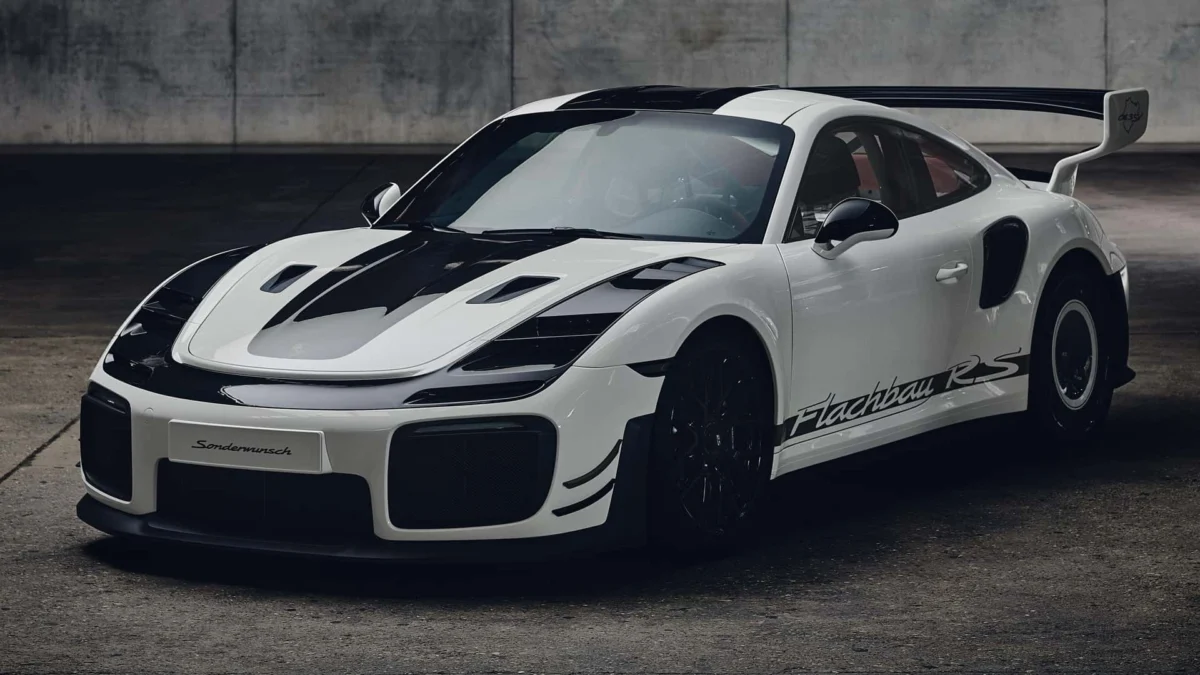
Porsche stands at a critical juncture in its storied history. As the automotive industry navigates a seismic shift toward electrification, the legendary German marque from Zuffenhausen has unveiled a comprehensive strategic roadmap aimed at reinventing its lineup while fiercely protecting the "soul" of its brand. From the impending arrival of a groundbreaking mid-engined hypercar to the radical electrification of its entry-level sports cars, Porsche is balancing the demands of modern emissions regulations with its unwavering commitment to high-performance engineering.
The Strategic Reset: A New Era for Zuffenhausen
At the heart of Porsche’s latest "Sportwagenschmiede ’35" strategy—outlined during the company’s recent Capital Markets Day—is a clear objective: to secure its position as the leader in the luxury performance sector for the next decade. The company is not merely pivoting to electric vehicles (EVs); it is curating a diverse ecosystem of propulsion technologies that includes sophisticated hybrids, pure battery-electric vehicles, and highly evolved internal combustion engines (ICE).
The immediate headline is the arrival of a new, mid-engined hypercar. Enthusiasts have long clamored for a successor to the legendary 918 Spyder, and on October 15, the world will get its first glimpse of this ambition via the "Mission S" concept. This vehicle is expected to serve as the technological spearhead for the brand, showcasing the pinnacle of Porsche’s powertrain integration and aerodynamic prowess.
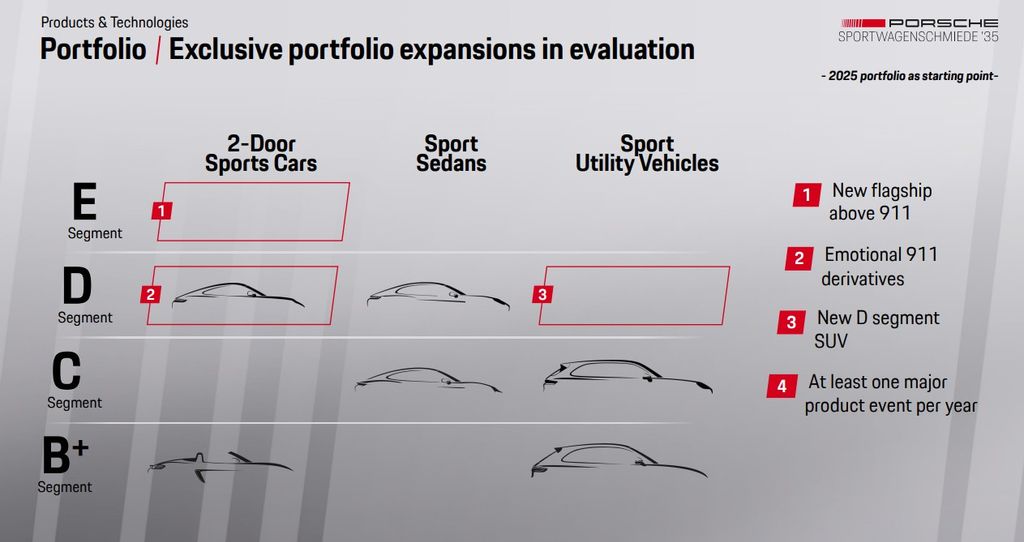
However, the transition is not without its casualties. In a definitive move, Porsche has confirmed that the gas-powered iterations of the 718 Boxster and Cayman will not return. Next year, these iconic two-door performers will re-emerge exclusively as EVs, marking the end of an era for the flat-four and flat-six engines that defined the mid-engined platform for years. Simultaneously, the company is preparing to launch a new internal-combustion crossover to replace the Macan by 2028, and it is actively evaluating the potential for a flagship SUV positioned above the Cayenne to further expand its footprint in the high-margin luxury segment.
The 911: A Sanctuary for Combustion
Perhaps the most reassuring news for the purists concerns the Porsche 911. While the rest of the industry is racing to abandon fossil fuels, the 911 remains the company’s "North Star." During the strategy presentation, Porsche explicitly emphasized the development of new, "highly emotive 911 derivatives."
The 992 generation is currently six years into its lifecycle, which, in the traditional Porsche cadence, signals the arrival of the most extreme variants. Test mules have already been spotted clocking high-speed laps at the Nürburgring, fueling intense speculation regarding a new GT2 RS. Industry analysts expect the next GT2 RS to arrive around 2027, potentially utilizing a refined version of the T-Hybrid system currently found in the GTS and Turbo S models.
While initial reports from outlets like Autocar suggested a gas engine capable of 1,000 horsepower, the consensus among experts is that a production-ready, road-legal hybrid system will likely focus on a more nuanced output—perhaps north of 750 horsepower. Given that the current 911 Turbo S produces a staggering 701 hp, a 750-hp benchmark would provide a substantial, yet balanced, performance leap that keeps the car compliant with modern environmental standards while maintaining its status as a track-day weapon.
Chronology of Evolution: From Heritage to Hyper-Performance
To understand where Porsche is going, one must examine the progression of its product cycle. The following timeline outlines the key shifts in the brand’s trajectory:
- 2024 (October 15): Unveiling of the "Mission S" concept, signaling the new hypercar era.
- 2025: The full transition of the 718 Boxster and Cayman to an all-electric architecture.
- 2026-2027: The peak of the 992 generation, marked by the release of limited-run, highly exclusive GT derivatives and a potential new GT2 RS.
- 2028: The introduction of a new combustion-powered crossover to replace the current Macan, ensuring the brand maintains a strong foothold in the SUV market.
- 2030 and beyond: Continued refinement of synthetic fuels (e-fuels) and hybrid technologies to sustain the combustion-engined 911, fulfilling the CEO’s promise that the iconic sports car will never go fully electric.
The "Home of Sports Cars": Sonderwunsch and Customization
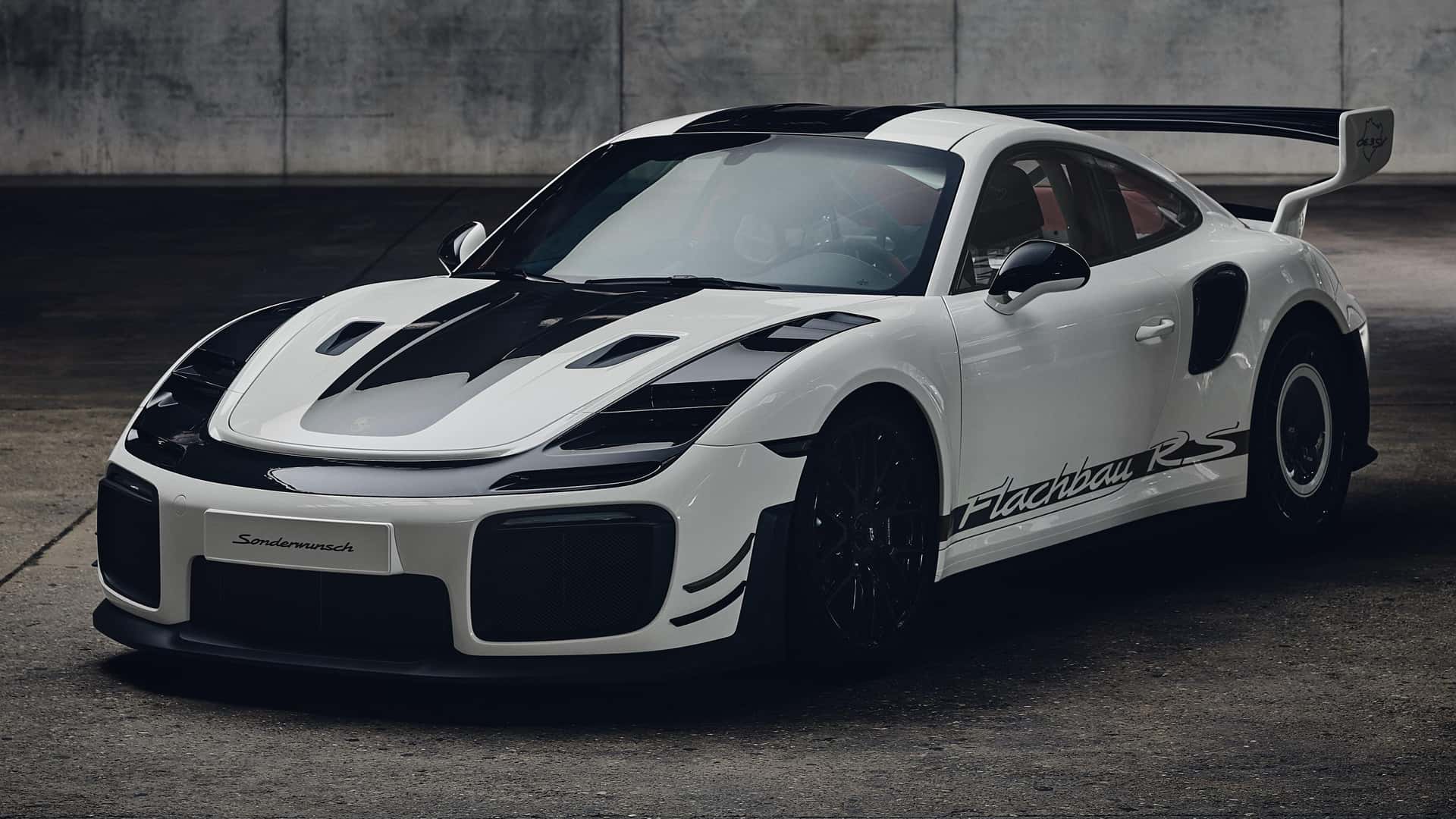
Porsche is not merely changing the cars it builds; it is changing how it builds them. The creation of the "Home of Sports Cars" represents a consolidation of its most specialized divisions: Manthey, Sonderwunsch (Special Requests), Exclusive Manufaktur, and Heritage.
This consolidation is a strategic play to capture the ultra-high-net-worth market. As mass-market vehicles become increasingly digitized and standardized, the value of bespoke, hand-crafted engineering rises. By bringing these divisions under one roof, Porsche is signaling an intent to produce more "one-off" and low-volume, high-exclusivity models.
The "Flachbau" (Slantnose) revival was a proof of concept for this model. It demonstrated that Porsche could leverage its rich design history to create modern, highly desirable machines for a select clientele. Alexander Fabig, Vice President of Individualization and Classic, has noted that the possibilities for such bespoke commissions are virtually limitless. Whether it is a unique paint-to-sample finish, an interior tailored to specific tactile requirements, or performance modifications tuned by Manthey, the "Home of Sports Cars" will serve as the engine for these personalized experiences.
Official Responses and the "No-EV" Pledge
Perhaps the most significant aspect of this entire strategy is the political and emotional line Porsche has drawn in the sand regarding the 911. Despite the pressure to electrify, the leadership team at Zuffenhausen remains steadfast.
CEO Michael Leiters has been categorical in his public statements, stating, "There will be never be a fully electric 911. We stand by that." This is not an act of defiance against the industry; it is a calculated decision based on brand identity. The 911 is the emotional anchor of the company. To remove the combustion engine from the 911 would be, in the eyes of Porsche’s leadership, to sever the connection between the car and its history.
By opting for hybrid technology in the 911, Porsche is essentially "buying time" for the internal combustion engine. By utilizing electric motors to fill in the torque gaps of a traditional flat-six, they can achieve the performance metrics required by modern buyers without sacrificing the sound, the weight distribution, or the visceral engagement that the 911 is famous for.
Implications: The Future of the Brand
What does this mean for the future of the automotive enthusiast? First, it suggests that the "sportscar" as we know it will become a bifurcated category. On one side, we have the high-performance, mass-produced EVs like the future 718, which will offer instant torque and efficiency. On the other, we have the "emotive" ICE-powered 911s, which will likely become increasingly rare, expensive, and culturally significant.
Collectors are already anticipating this. History has shown that any time Porsche announces a limited-run 911 derivative, the allocation list is filled before the public even sees a rendering. This creates a feedback loop where the 911 becomes a financial asset as much as a driving tool, further cementing its status at the top of the automotive hierarchy.
Furthermore, Porsche’s continued investment in e-fuels provides a long-term safety net. If the technology for carbon-neutral synthetic fuels matures, the 911 could remain a viable, street-legal, combustion-engined machine long after many of its competitors have been relegated to museums.
Conclusion: A Delicate Balance
Porsche is navigating a high-stakes tightrope walk. By embracing electrification for its volume-selling models while simultaneously doubling down on the engineering legacy of the 911, the company is attempting to satisfy both the regulators and the purists.
The strategy unveiled at the Capital Markets Day is a testament to the brand’s confidence. It is a plan that recognizes the inevitability of the EV transition while refusing to let that transition dictate the soul of the company. As we look toward the reveal of the Mission S concept and the impending arrival of the next generation of GT-badged 911s, one thing is certain: Porsche is not just planning for the future—it is actively shaping it to ensure that the thrill of driving remains at the core of the experience.
For the enthusiast, the next few years promise to be some of the most fascinating in the history of the brand. The 911 is not dying; it is merely entering its most complex, most powerful, and perhaps most exclusive chapter yet. As the brand brings its various divisions together under the "Home of Sports Cars" banner, the promise of a more personalized, more visceral, and more specialized future becomes clear. The house of Zuffenhausen is, as always, in a league of its own.
