

PHILADELPHIA — For 15 years, the BlackStar Film Festival has served as more than just a screening venue; it has functioned as a vital, pulsating hub for the global Black, Brown, and Indigenous cinematic diaspora. From August 6 to August 9, 2026, the festival celebrated its 15th anniversary in Philadelphia, presenting a curated slate of 91 films that underscored a singular, unwavering mission: “a cinema for liberation.”
This year’s edition arrived at a moment of global upheaval, framing the act of filmmaking not merely as an aesthetic pursuit, but as an essential tool of collective endurance. Through documentaries, experimental shorts, and narrative features, BlackStar challenged the traditional boundaries of the industry, offering a space where art, history, and radical politics converge to demand a more just world.
The Architecture of the 15th Anniversary
The 2026 festival was defined by a commitment to what organizers call an "ecosystem of care." Beyond the darkened screening rooms, the festival hosted a series of panels, workshops, and communal gatherings designed to insulate independent filmmakers, writers, and experimental artists from the pressures of the commercial market.
The festival’s thematic spine was "collective struggle." This was evident in the programming choices, such as Haile Gerima’s Black Lions, Roman Wolves, a sprawling, five-part documentary detailing Ethiopia’s defiance against the 1935 Italian invasion. Similarly, Suneil Sanzgiri’s An Impossible Address utilized poetic documentary techniques to bridge the histories of Indian and African anti-colonial movements, while Harlan Banks’s I Wonder Shall I Fly masterfully juxtaposed contemporary Black diasporic imagery with rare 1940s audio recordings of formerly enslaved people. These films collectively reinforced the idea that history is a living, breathing entity that must be continuously reclaimed.
Chronology of Vision: Key Works and Highlights
The festival’s lineup offered a tapestry of human experience, ranging from intimate portraits to sweeping historical epics. Below are the standout features that defined the 2026 BlackStar experience.
A Life in Art: The Vision of Dr. Leslie King Hammond
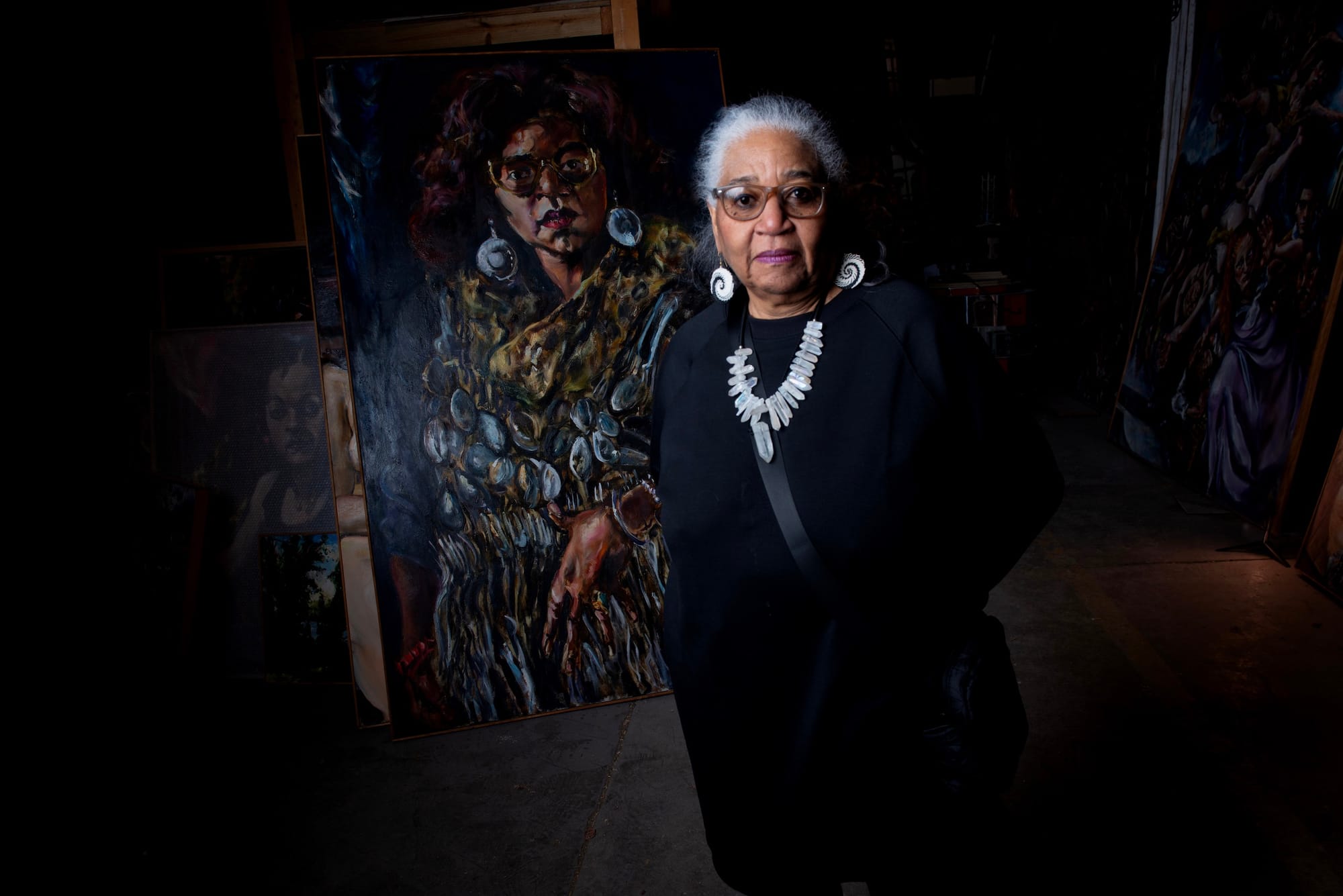
Directed by Ben Baker-Lee and Rassaan Hammond, A Life in Art: Through the Eye of Dr. Leslie King Hammond (2026) serves as a profound meditation on the power of the gaze. The film chronicles the life of the esteemed art historian and critic, whose career was shaped by a childhood accident that resulted in the loss of an eye. Her subsequent fascination with a glassblower’s artistry became the catalyst for a life dedicated to the visual arts.

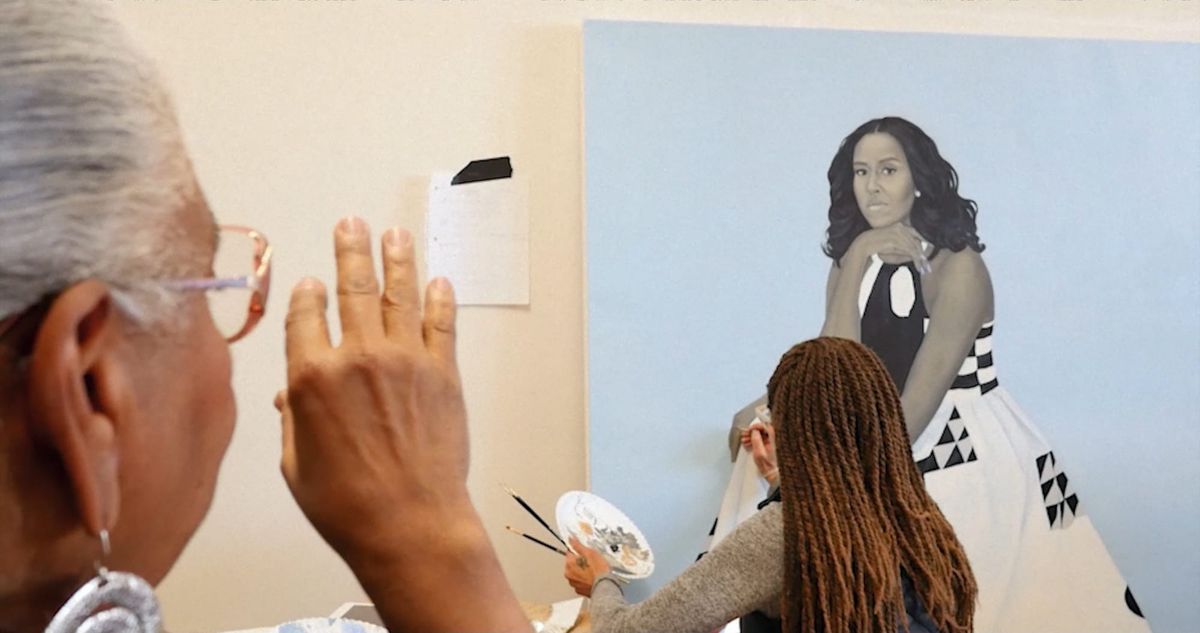
The documentary captures Hammond as an indefatigable mentor to artists like Amy Sherald. A standout sequence features Hammond in the studio with Sherald during the creation of the official portrait of Michelle Obama. Through this lens, we see Hammond not just as a critic, but as a facilitator of history, pushing artists to articulate the "meat of the journey" of their lives.
The Sacred Duty of Repatriation: Aanikoobijigan
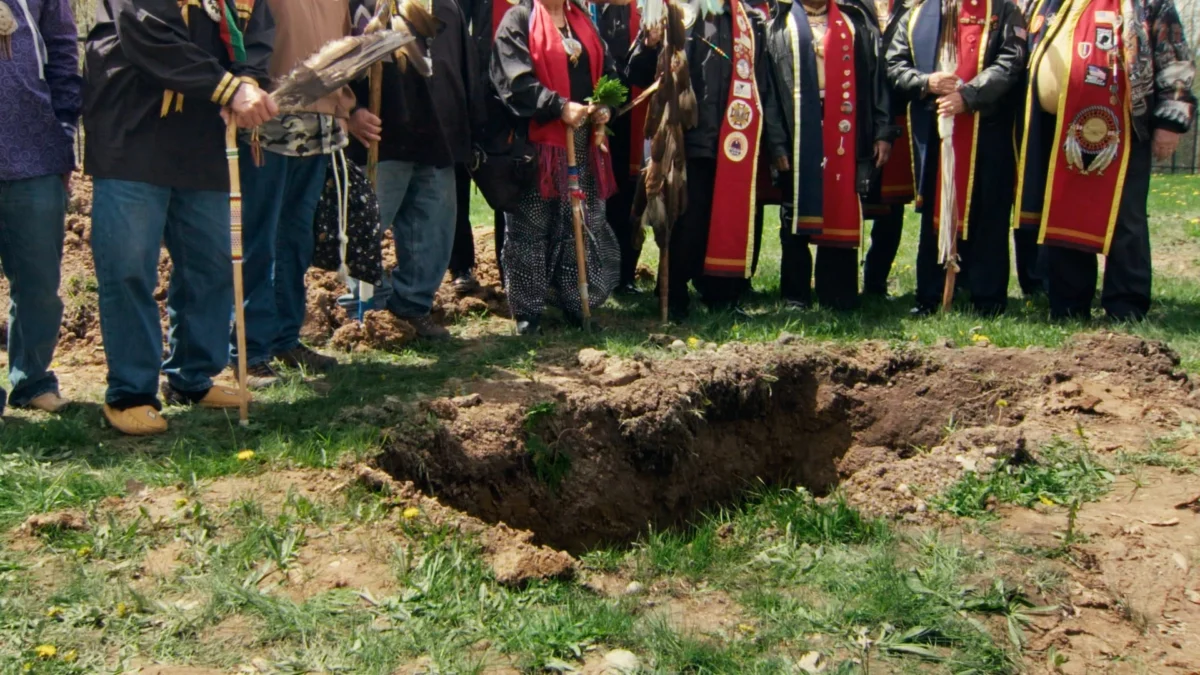
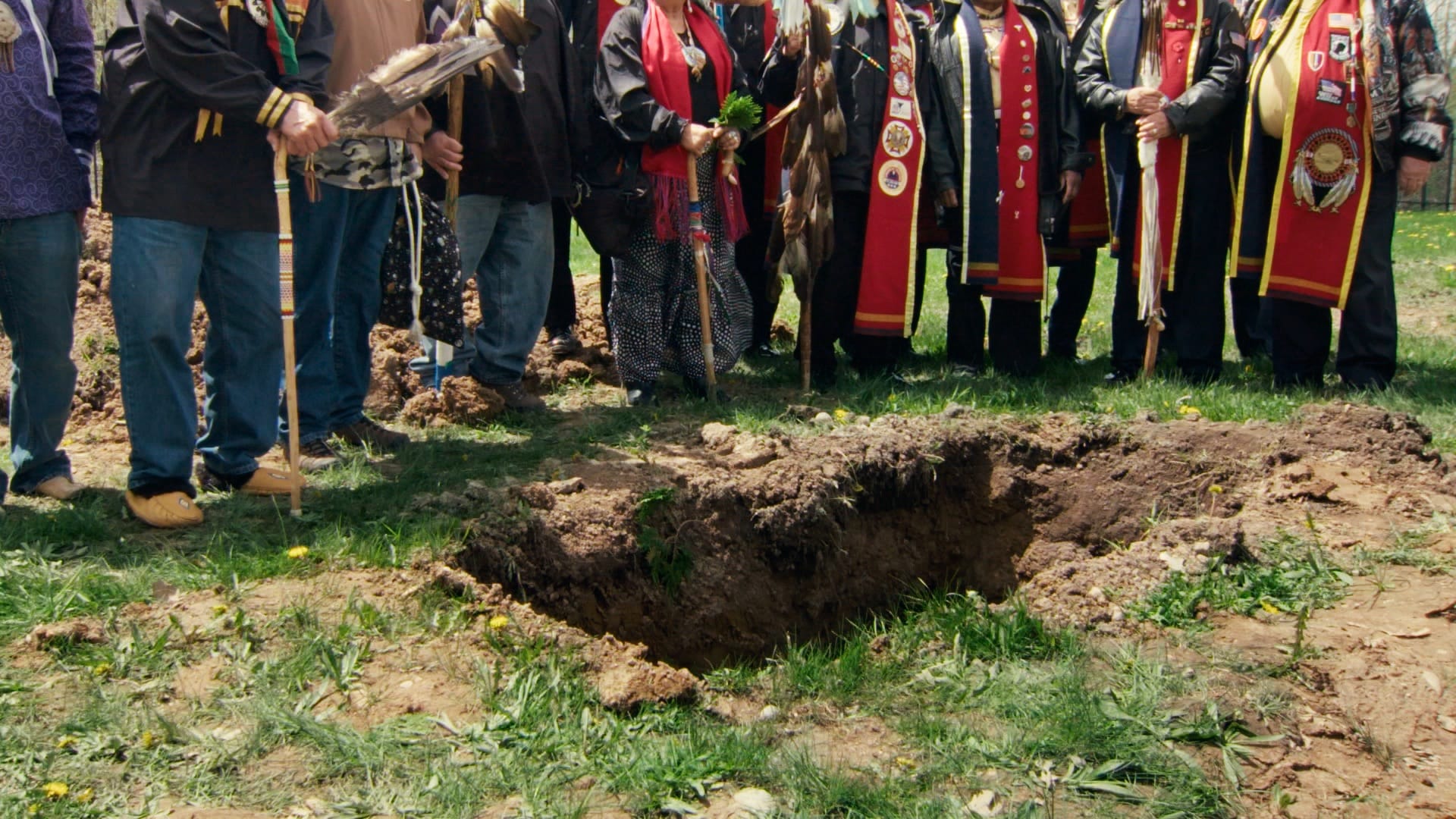
In Aanikoobijigan [ancestor / great-grandparent / great-grandchild] (2026), directors Adam and Zack Khalil (Sault Ste. Marie Tribe of Chippewa Indians) tackle the institutional violence of the museum complex. The film documents the Michigan Anishinaabek Cultural Preservation and Repatriation Alliance’s (MACPRA) fight to recover ancestral remains held by the Michigan State University Museum.
The film is a harrowing, experimental collage that rejects the clinical detachment of traditional documentaries. By weaving together interviews with tribal leaders and haunting cinematography inside institutional archives, the Khalils force viewers to confront the reality that for many Indigenous nations, the museum is not a site of preservation, but one of imprisonment. The film’s central question—"If an object is an Ancestor, when can the grandkids visit?"—remains a searing indictment of colonial collection practices.

One More Show: Defiance in the Face of Genocide
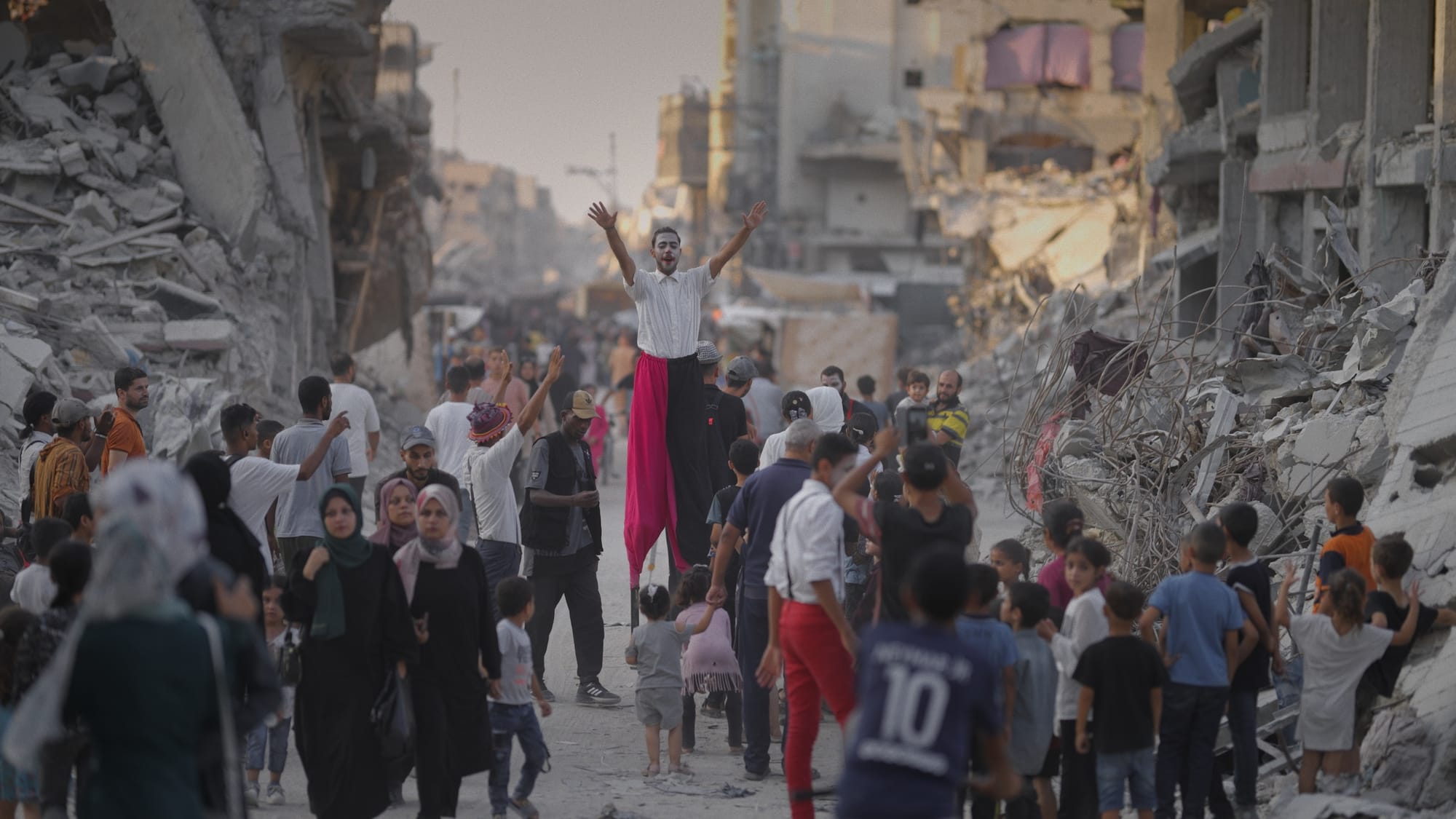
Perhaps the most visceral entry of the festival was One More Show (2025), directed by Ahmed Al Danaf and Mai Saad. Filmed amidst the ongoing catastrophe in Gaza, the documentary follows members of the Free Gaza Circus. While their home base was bombed, these artists continue to perform for displaced children, using juggling and dance as a psychological lifeline.
The production itself is a miracle of solidarity; co-directed across internet blackouts and borders, it captures the mundane beauty of survival. The film acts as a document of the resilience of art, proving that even under the constant hum of surveillance drones, the human need for joy and expression persists.
Bouchra and the Complexity of Identity
In their feature debut, Bouchra (2025), Orian Barki and Meriem Bennani expand on the surreal, anthropomorphic aesthetic they pioneered in their viral series 2 LIZARDS. The film follows a Moroccan filmmaker attempting to repair her relationship with her mother after coming out. By framing the narrative as a "film within a film," Barki and Bennani create a meta-commentary on the art of storytelling itself, ultimately delivering a poignant, formally inventive look at familial reconciliation.
La West Side Familia: Reclaiming the Neighborhood
Journalist Taylor Hosking’s La West Side Familia (2026) serves as a necessary historical correction to the gentrified image of New York’s Upper West Side. Through the eyes of activist Chino Familia, the film chronicles the history of Puerto Rican resistance at 93rd Street and Columbus Avenue. From the 1977 occupation of the Statue of Liberty to the emergence of local hip-hop and graffiti scenes, the film is a testament to the community’s role in shaping the neighborhood’s soul, and a heartbreaking tribute to the elders who paved the way.
Palestine 36: The Collective Struggle
Annemarie Jacir’s Palestine 36 (2025) provides a necessary historical framework for the current political moment. Focusing on the Arab Revolt of 1936–1939, the film moves away from the "great man" theory of history, instead depicting the revolt as a collective uprising born of shared displacement and economic struggle. It is a sprawling, multi-perspective drama that emphasizes the agency of the Palestinian farmer and intellectual alike.
Supporting Data: The Impact of BlackStar
While the festival functions as a cultural event, its economic and social impact on the independent film landscape is significant. By centering works like One More Show, where proceeds are funneled directly to the Free Gaza Circus, BlackStar demonstrates a model of "radical philanthropy."
Furthermore, the 2026 edition saw an increase in international submissions, particularly from the Global South. This growth is supported by a 20% year-over-year increase in collaborative co-productions within the festival’s "BlackStar Lab" workshops, indicating that the festival is not just showing the future of film, but actively constructing it.
Official Responses and Industry Implications
The success of the 15th anniversary has sparked a broader conversation within the film industry regarding the role of festivals in the post-market era. During the closing panel, BlackStar founder Maori Karmael Holmes emphasized that the "liberation" mentioned in the festival’s mission is not a static goal, but a practice.
"We are building an ecosystem that doesn’t rely on the permission of traditional studios," Holmes noted. "When we control the archive, the distribution, and the conversation, we change the narrative power structure."
Industry analysts have noted that the "BlackStar model"—characterized by heavy emphasis on community engagement and the prioritizing of non-commercial narratives—is increasingly being looked at by other festivals as a viable path forward in an era of waning theatrical attendance. By focusing on films that hold "residue" in the mind of the viewer, BlackStar has successfully cultivated an audience that views cinema as a necessity rather than a luxury.
Implications for the Future
As the festival looks toward its next 15 years, the implications of its programming are clear: the future of cinema lies in the hands of those who challenge colonial narratives and institutional silence. Whether through the preservation of Indigenous history in Aanikoobijigan or the documentation of current struggles in One More Show, the films featured at BlackStar 2026 prove that the most urgent stories are those that refuse to be silenced by the weight of their circumstances.
In a world increasingly prone to fragmentation, the BlackStar Film Festival provides a necessary center—a place where the camera is not just a tool for observation, but an instrument of liberation. As the lights dimmed on the 2026 edition, the consensus among attendees was clear: the work of documenting the struggle for a just world has only just begun.
