

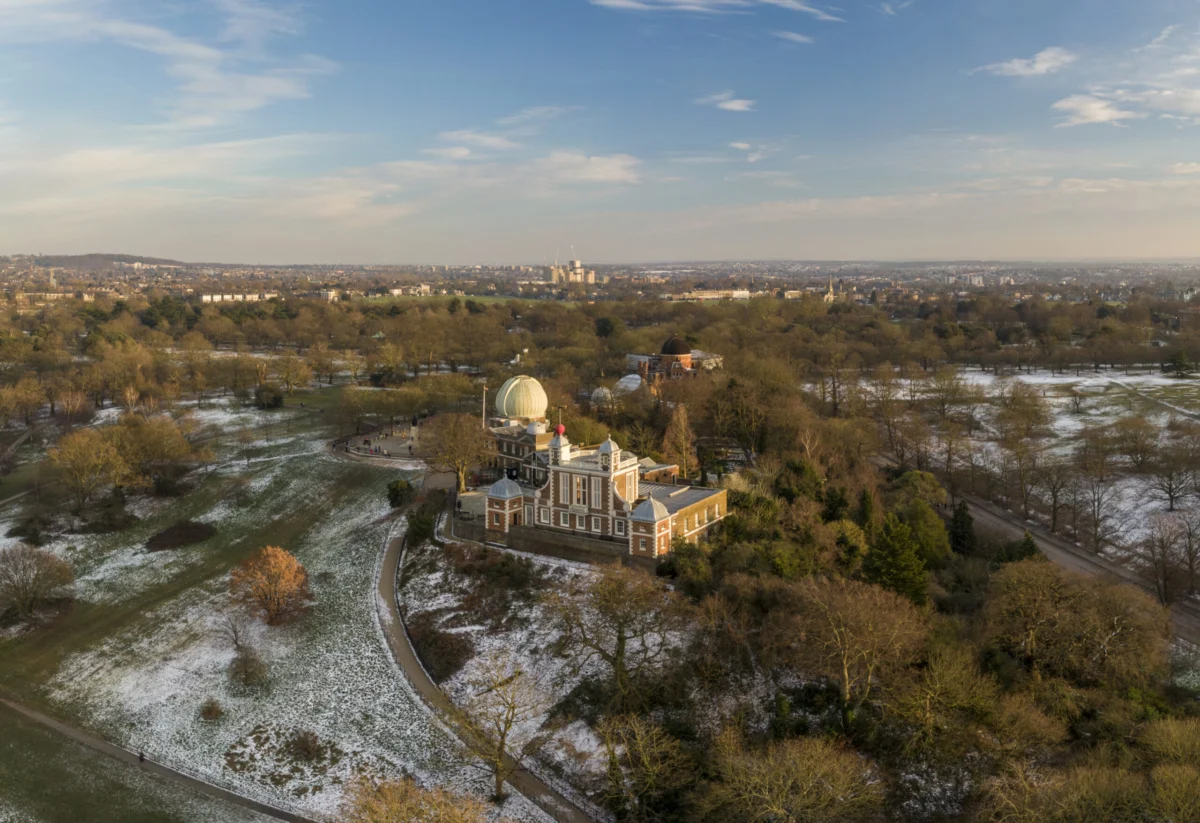
The historic landscape of Greenwich, London—a UNESCO World Heritage site and a cornerstone of global maritime and astronomical history—is set to face significant disruption this August. Staff members at Royal Museums Greenwich (RMG), represented by the trade union Prospect, have formally declared their intention to take industrial action on August 11 and 12. This strike, which threatens to impact some of the United Kingdom’s most iconic cultural venues, marks a deepening rift between the institution’s workforce and its senior management.
The strike action follows a decisive ballot in which over 90 percent of eligible union members participated. Of those who voted, nearly 77 percent backed the decision to walk off the job, signaling a high level of frustration among the staff who maintain the National Maritime Museum, the Queen’s House, the Royal Observatory, and the historic Cutty Sark clipper ship.
The Core Demands: A Struggle for Parity and Dignity
At the heart of the labor dispute is a comprehensive list of demands aimed at addressing what the union characterizes as long-standing systemic issues within the heritage sector. While pay is a significant factor, the grievances extend far beyond simple wage increases.
Key demands from Prospect members include:
- London Living Wage Accreditation: The union is pushing for the museum to formally commit to paying all employees the real London Living Wage, reflecting the high cost of living in the capital.
- Operational Conditions: Staff are calling for a formal commitment to Christmas closure to ensure work-life balance.
- Contractual Protections: The union is seeking to preserve existing leave agreements and has demanded improved policies regarding fixed-term contracts, which many staff members argue create an environment of professional instability.
- Professional Development: There is a strong call for enhanced training programs and clearly defined career development pathways, allowing staff to grow within the institution rather than facing stagnant roles.
- Workplace Welfare: Security personnel, who play a vital role in protecting the nation’s cultural assets, are demanding the right to paid breaks during their shifts.
Chronology of the Dispute
The escalation toward industrial action did not occur overnight. It is the culmination of months of simmering tension between the union and RMG leadership.
Early 2026: Informal discussions regarding pay and workplace conditions began, with Prospect raising concerns about the disparity between the rising cost of living and the compensation packages offered to museum staff.
July 2026: Recognizing the lack of progress, both parties entered into formal mediation through the Advisory, Conciliation and Arbitration Service (ACAS). This period was intended to bridge the gap between management’s budget constraints and the workers’ requirements for improved living standards.
Late July 2026: Despite the mediation, Prospect announced that the negotiations had failed to satisfy the core concerns of its members. The subsequent ballot for industrial action saw an overwhelming turnout, with a clear majority opting for the strike.

August 11–12, 2026: The scheduled dates for the strike action. Notably, the walkout at the Royal Observatory coincides with a rare celestial event: the most visible solar eclipse in the UK in nearly three decades. This timing is expected to maximize the visibility of the union’s protest, drawing global attention to their cause.
Supporting Data: The Broader Context of Heritage Labor
The situation at Royal Museums Greenwich does not exist in a vacuum; it is part of a broader wave of industrial action currently sweeping across the United Kingdom’s cultural sector. In recent months, workers at various branches of the Victoria and Albert (V&A) Museum in London have engaged in similar strikes. Their complaints mirror those of the RMG staff: stagnant pay, poor working conditions, and an institutional refusal to seek formal Living Wage accreditation.
Prospect’s general secretary, Mike Clancy, has been vocal about the national scope of these frustrations. "Our members don’t want to take strike action, but they have been left with no choice by the attitude taken by senior management," Clancy stated following the announcement. "Across the heritage sector, our members have been taken advantage of for too long. This summer, we are sending a signal that they will not put up with it anymore."
The statistics back the union’s claim. Across the UK, heritage and museum workers have faced years of austerity-driven budget cuts, leading to increased workloads for remaining staff. The reliance on fixed-term and zero-hour contracts has created a "gig economy" atmosphere within institutions that were once seen as bastions of stable, public-sector employment.
Official Responses: A Clash of Perspectives
The response from Royal Museums Greenwich has been one of disappointment and defensiveness. In a statement provided to The Art Newspaper, an RMG spokesperson emphasized the institution’s efforts to reach an agreement, specifically highlighting the recent ACAS negotiations.
"Those negotiations have already produced a two-year pay settlement covering 2026/27 and 2027/28, which has been agreed by Prospect and implemented," the spokesperson noted. From the management perspective, the financial agreement currently in place is fair and sustainable, and they view the upcoming strike as an unnecessary escalation after a period of productive, albeit difficult, bargaining.
Regarding the strike’s impact on the public, the museum has remained firm in its operational goals. "We are disappointed by this outcome, particularly given the progress which has been made," the statement continued. "RMG plans to keep the museum sites open to maintain the provision of service to the public."
However, union representatives argue that the "implemented" pay settlement does not address the qualitative demands—such as security staff breaks and training pathways—that were central to the original dispute. They maintain that management’s focus on the pay deal ignores the broader human element of the workplace crisis.

Implications for the Cultural Sector
The impending strike poses several critical questions for the future of UK cultural institutions.
Impact on Tourism and Public Access
Greenwich is one of London’s primary tourist hubs. The National Maritime Museum and the Royal Observatory are major draws for international visitors. If the strike significantly hampers operations—or if the visual presence of picketers discourages foot traffic—the economic fallout for the local area could be substantial. Moreover, the decision to hold the strike on the day of the solar eclipse adds a layer of irony and urgency; the Royal Observatory, which is the world’s center for timekeeping and astronomy, will be at the center of a protest during its most high-profile day of the decade.
The "Living Wage" Precedent
The demand for formal London Living Wage accreditation is becoming a litmus test for major institutions. If RMG were to concede, it could create a powerful precedent for other museums and galleries in London, potentially forcing a sector-wide shift in employment standards. Conversely, if management continues to resist, it may solidify a new era of labor-management antagonism that could lead to further strikes in the years to come.
The Changing Nature of Cultural Employment
The dispute reflects a fundamental shift in how the public perceives museum work. Once viewed as a prestigious, stable career path, the reality for many in the sector has become one of precarity. The fact that high-level staff, including those in security and visitor services, are organizing suggests that the "cultural worker" is increasingly identifying as part of a broader labor movement, rather than as an isolated professional class.
Conclusion
As the clock ticks toward August 11, the standoff between Prospect and Royal Museums Greenwich remains unresolved. While management intends to keep the doors open, the success of the strike will be measured not just in visitor numbers, but in the attention the union manages to garner for their cause.
For the public, the strike serves as a reminder that the institutions they visit—the museums that house our history and our understanding of the stars—are maintained by human labor. Whether this labor will be adequately compensated and respected remains the defining question of this summer’s industrial unrest. As the heritage sector watches on, the outcome in Greenwich may well define the industrial landscape for cultural workers in the UK for years to come.
